The Thread of Incense · Chapter One: The Black Wood on the Old House Beam
来源:收稿桥投稿· 2026-10-24· 伍佰艺编辑部· 1 阅读
The Thread of Incense · Chapter One: The Black Wood on the Old House Beam
Prologue
In Tanniu, Wenchang, Hainan, the rain that had fallen for seven days straight had stopped.
When Chen Yanqiu made his way back along the wet bluestone slabs to the old family house, half of the great old banyan at the village entrance had toppled. His purpose in this trip was a vulgar one: to sell the house. His parents had died early; the old house had stood empty for eleven years, and in those years he had been transferred from Guangzhou to Shenzhen and had risen from clerk to middle management, letting "going back for a look" slip from once a year to once every three.
The agent had told him that with a house this old, if nothing was done, it would collapse as soon as the rainy season passed.
One
The old house had been built in his grandfather's time: a compound of three courtyards, the beams said to be of local Potang timber. Chen Yanqiu's memory of his grandparents had shrunk to three fragments: his grandfather lying in bed smoking a water pipe; a celadon censer on the spirit altar with a chip out of its rim; and one sentence the village elders repeated again and again—"That beam of your grandfather's is a treasure." As a child he had taken it for an old man's boasting. Country folk saw treasure in everything.
Now he stood in the middle of the main hall. Above his head a corner of the fir-wood roof sheathing had caved in, exposing a pitch-black crossbeam. Rain dripped down through the breach onto the eight-immortals table, onto half an inch of settled dust. He stood there under his umbrella and suddenly caught a scent.
Very faint, but very strange—not the smell of mildew. An old house on rainy days should reek of nothing but mildew, yet the air held a thread of something cool and faintly sweet, medicinal—like mint leaves steeped in honey, like the smell that used to drift from the door of the herbal shop when he was small, only clearer, and colder.
He raised his flashlight and turned it on the beam.
The beam was black through and through—a black that ran deep and moist. In the cracks one could see oil-lines of varying depth, like congealed ink that someone had raked with a fingernail. He rose on tiptoe and touched it—cool, hard; yet where his nail passed, he could feel a strange glutinous softness.
Early the next morning Chen Yanqiu messaged the agent: "Let's hold off on selling the house."
Two
The man in the village who knew wood best was Uncle Fu, eighty years old, who had spent thirty years at the town's furniture factory. The old man squatted in the courtyard and smoked half a cigarette, studying the beam for a long time; then he said something that kept Chen Yanqiu awake half the night: "That beam of yours is no ordinary firewood. It's fragrant wood." "Agarwood?" "I wouldn't swear to it. But if it really is old material borne by an *Aquilaria sinensis* tree, and it sinks in water..." Uncle Fu ground out the cigarette butt. "Back in the nineties your grandfather was buying timber; a man settled a debt with a whole boatload of wood, and he used every piece of it for beams. The whole village laughed and called him mad. Go now and rummage in your grandfather's camphor-wood chest—there's an oil-paper packet in it, with the leftover scraps from that same shipment." The oil-paper packet was found. Inside were seven or eight slivers of wood the size of a finger, black-brown, their cut faces glossy. Chen Yanqiu lit one corner with a lighter—the instant the flame licked it, a coolness rushed out first; then came sweetness, and within the sweetness a wrap of milky fragrance, settling at last on a steady warmth like resin. The smoke did not catch the throat; the ash was white.
Uncle Fu took one sniff of the smoke, and his hand stopped in mid-air.
"Nha Trang... no, it's steadier than Nha Trang." The old man was silent for a long while. "Yanqiu, don't set a price on this material, and don't sell it. Your first move is to take that beam—engage professionals—and bring the whole thing down."
Three
Chen Yanqiu searched for three days and found in Haikou an old gentleman who specialized in the appraisal of aromatic materials. His surname was Liang; before retiring he had been with the Forestry Research Institute.
Wearing white gloves, Old Liang studied the sample cut from the beam with a magnifying glass for a full twenty minutes, then put three questions to Chen Yanqiu: Were there nail holes in the tree? How old was the house? Was this material taken from a wounded spot in the trunk?
"It was built in the forties. My grandfather said the beam was old material that formed its own resin after being wounded. I don't know the details." Old Liang took off his glasses and wiped them for a long time.
"Little Chen, let me say the harsh things first. In this trade, stories outnumber material—commit that sentence of mine to memory for the rest of your life." He put the sample back into its cotton paper. "But I can tell you two things for certain. First, this is genuine agarwood; its oil content is the highest I have seen in the beams of any dwelling in all these years. Second—" He paused.
"Second, the way this piece formed its resin is unusual: natural wounding, fungal infection, then aging for at least sixty years. Material like this cannot be bought on the market, because no one would have the heart to turn sixty-year-aged stock into a house beam." "Then what is it worth?" "If I gave you a figure, you ought to be the one doubting me." Old Liang smiled. "Very well—I'll introduce you to a man who can run instrumental tests and produce a composition report. Until that report comes out, believe no one who quotes you a price—including me."
Four
When he came out of Old Liang's studio it was already dusk. Standing on the pedestrian bridge on Haidian Island, Chen Yanqiu sent a long email to his company in Shenzhen. He thought for a long time about the subject line, and in the end wrote only four words: request annual leave.
On his phone, the agent was still asking whether the house was to be sold after all. Gazing at the sunset glow over Haikou, he suddenly remembered the celadon censer on the spirit altar when he was small, the little sliver of incense his grandfather lit every dawn—so it had not been the old man's superstition after all.
It was a family raising, in the quietest way of all, a piece of amber made of time.
(End of Chapter One; tomorrow's installment continues with Chapter Two, *The Test Report and the Uninvited Guest*)
> This is an original serialized story from *Agarwood Six Records*; characters and plot are fictional. Common knowledge of agarwood and aromatics herein is compiled from public materials and does not constitute investment or medical advice.
内容为行业信息整理,不构成任何交易或投资建议。
常见问题
The Thread of Incense · Chapter One是什么?
Chen Yanqiu returns to his old house in Hainan to sell it — and finds a piece of black wood on the beam that should not be there.
沉香怎么选购?
选购沉香应认准可溯源、可检测的渠道,按用途选择形态(线香 / 手串 / 原料),不盲目追高、不轻信「野生」「沉水」等夸大宣传;优先选择带检测报告与来源凭证的商品。
沉香如何保养?
沉香怕潮、怕串味、怕暴晒,应密封、避光、阴凉存放,不同产区分开保存;长期不用的香材定期通风检查,防霉防虫。
如何鉴别沉香的真假?
鉴别沉香需综合感官与辅助手段:天然沉香香气清雅、持久、凉甜交织,燃烧烟气清白而非刺鼻;可结合 GC-MS 色谱检测特征成分(色酮、倍半萜)。建议通过可信渠道与可溯源凭证降低风险。
不同产区沉香有什么区别?
各产区因气候、树种与结香方式差异,香韵各具特色(如海南清雅、越南甜凉、印尼醇厚),是沉香分级与定价的重要参考维度。
沉香价格行情如何?
沉香行情随结香程度、产区、形态分化明显,顶级收藏与入门消费两端活跃;建议以合法、可检测渠道的实际成交为参考,勿轻信单一报价。
沉香与香道文化有什么关系?
沉香是东亚香道文化的核心媒介,从礼佛、文人雅集到当代生活美学,承载「静心、慢享」的东方审美,理解文化背景有助于读懂沉香价值。
沉香有健康功效吗?
传统上沉香被用于舒缓、助眠等场景,但证据等级与用量需谨慎看待;把「传统用法」与「科学证据」分开表述,具体以专业指导为准。
参考资料
相关阅读
相关沉香好物
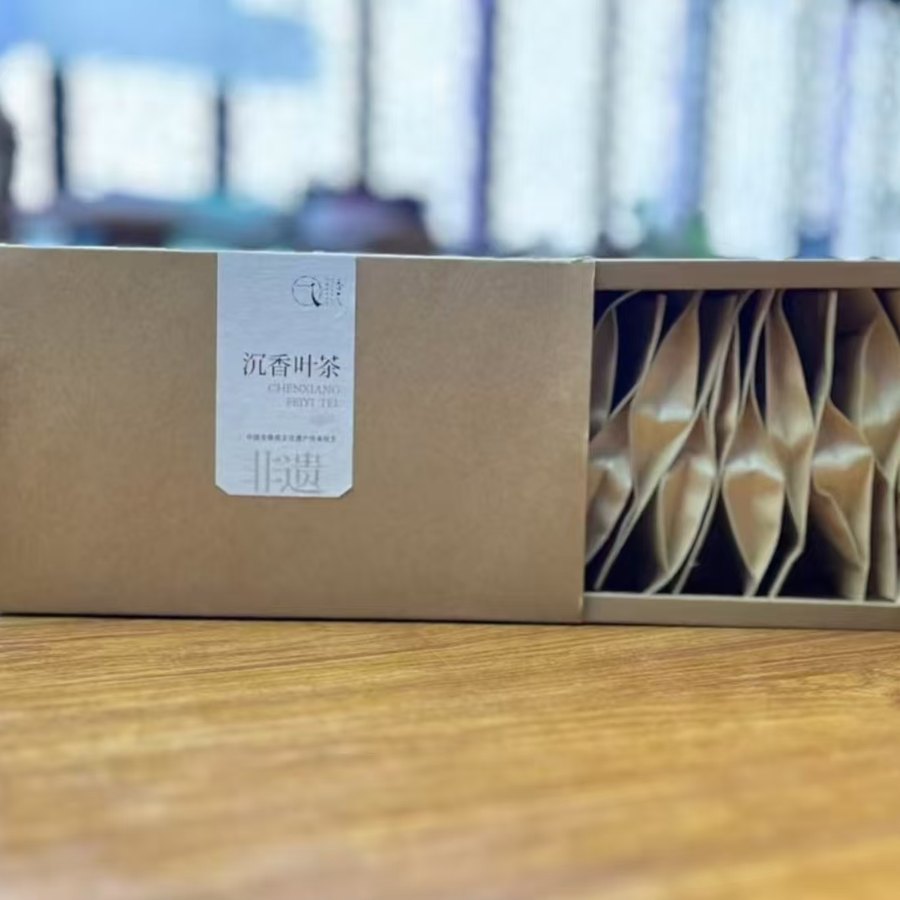
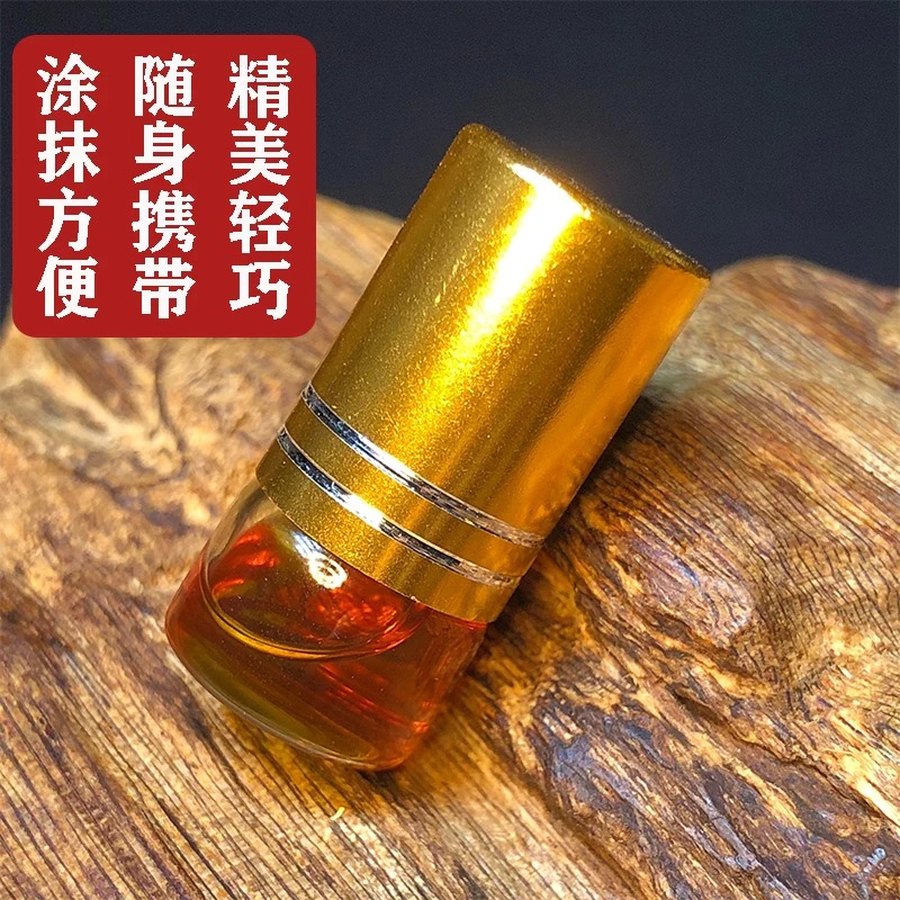
阅读之余,或许你也想了解这些人工林合规沉香成品。
逛逛商城
评论区
评论匿名可浏览,登录后可发表;提交后先审后显。
评论加载中…