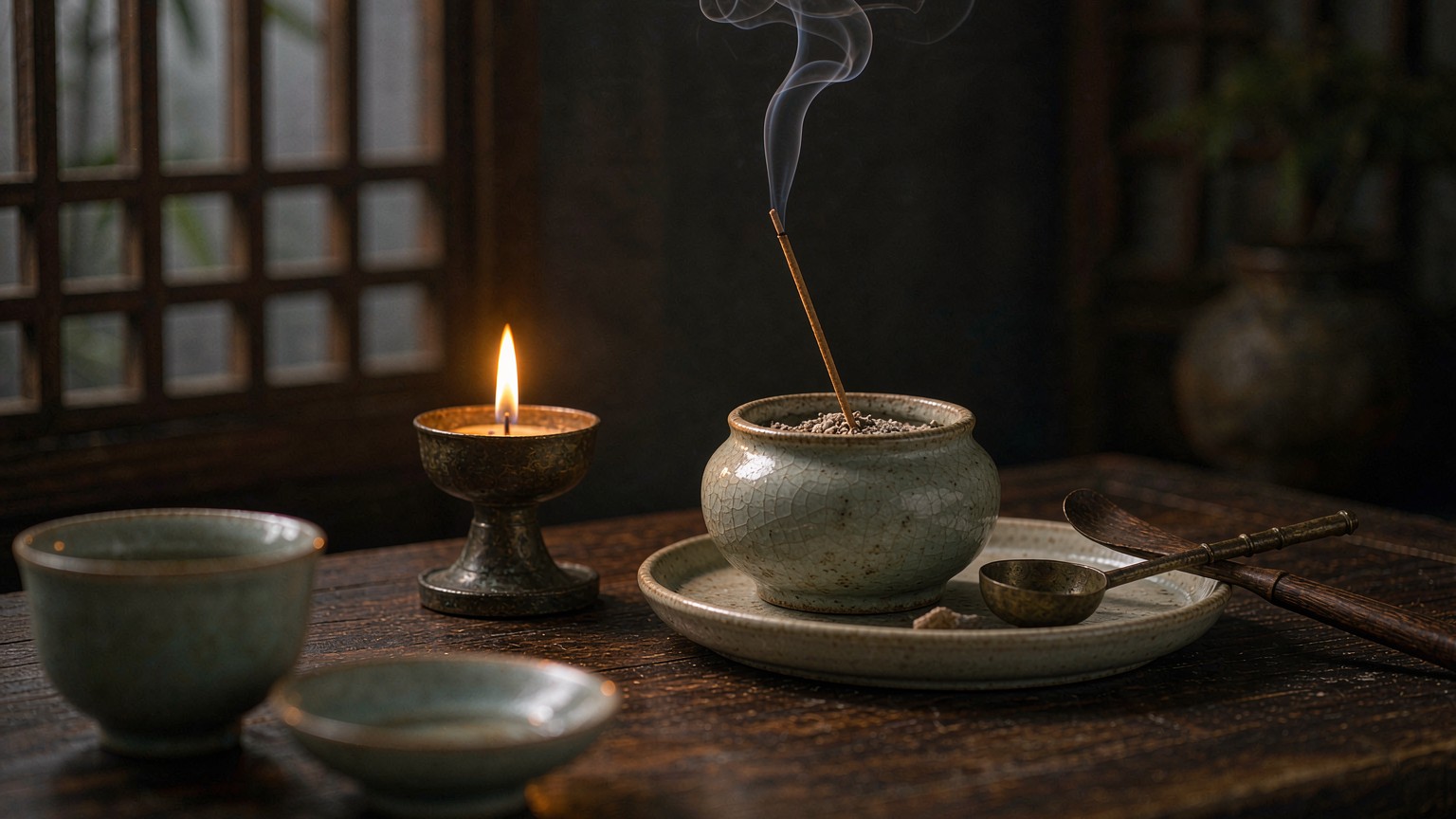
The Six Records of Agarwood — Book One: The Incense Affairs of Bianliang
Source:《沉香六记》原创小说 · 中国沉香网「小说」频道首发· 2026-10-13· 刘家沉檀店· 152 views
The Six Records of Agarwood — main text · a dual-timeline opening
I. [Modern · The Capital]
"Why is your seal only half?" the woman asked.
Having said it, she showed no intention of waiting for an answer. She only pushed her glasses up the bridge of her nose and lowered her head to study the incense materials on the counter, like a customer browsing an ordinary shop.
Liu Zhiqiang's palm, clutching the jade, broke into a sweat.
"May I ask —"
"Wang Guanshu, Painting and Calligraphy Department, the Palace Museum," she finally looked up. "I'm working on the digitization of The Qingming Riverside Scroll."
She took a notebook from her bag — deep-blue cloth cover, corners frayed soft — flipped to a page marked with a folded sheet, and slid it across to him.
On the paper was a rubbing of a seal impression. Round, six-petaled.
Liu Zhiqiang set his palm-jade against it.
Crack to crack, pattern to pattern — the missing half fit exactly into the impression on that paper. Like a person who had at last found the piece of the puzzle they had been missing.
"This is…"
"My father's," Wang Guanshu said. "He was a conservator at the Palace Museum, fifteen years ago. He restored a damaged Song-dynasty painting and found this sheet in its lining. He told no one, only wrote on our old family ledger — 'The six-petaled seal: do not ask.'"
She paused.
"I've studied dead things my whole life, just wanting to know what this seal really is. Last month, I traced a shop in the capital's alleys called 'Shang-se Chen-tan' — using a Northern Song shop name. So I came."
Liu Zhiqiang looked at the joined seal for a long moment, then said, "So the other half is with you."
"Not entirely," Wang Guanshu shook her head. "My father's sheet has only the impression, no characters. Your jade has characters."
He turned it over and showed her the three impossibly shallow characters on the inside.
Lan She Dai.
Wang Guanshu repeated them, frowning. "Lan She Dai… I know that name. The Shosoin Repository in Japan, the world's finest incense. But that's a piece of incense, not —"
"Not a seal," Liu Zhiqiang picked up. "I know it's a piece of incense too. But it's carved on a seal."
Neither spoke.
Outside the window, the water in the alley slowly receded, though the sky stayed overcast. Liu Zhiqiang set the jade and the paper side by side on the counter, and suddenly felt that what he had kept for six years was not a shop, but a box he had never opened — and now someone had handed him the other key.
"Your father," Wang Guanshu asked suddenly, "why didn't he tell you any of this?"
"He didn't get the chance," Liu Zhiqiang said. "The year I turned twelve, he 'went on a business trip' and didn't come back. My mother said it was an accident."
"Do you believe that?"
He thought, then said, "My mother did. So I believed it too, for twenty-three years."
Wang Guanshu asked no more. She put away the notebook, drew a tablet from her bag, and opened a high-resolution image.
"Look at this."
On the screen was an enlarged detail of The Qingming Riverside Scroll. A wooden bridge, a cluster of shops crowding its eastern end, one of them bearing a tiny plaque. She zoomed the image to its limit with her finger; only then did the characters on the plaque become barely legible —
Shang-se Chen-tan.
Liu Zhiqiang stared at those four characters; a tendon in his back twitched.
"The original plaque in my shop," he said, "has a line carved on its back. The stroke of the left-falling stroke in 'se'."
He ran inside, hauled out the unmarked spare board from the tool room, turned it over, and held it to the tablet's light.
Two lines, overlaid.
Exactly the same.
Wang Guanshu drew a breath. A decade in this line, she had seen too many "coincidences," but the fit of this one brushstroke was not something coincidence could explain — it was an intentional signal, spanning over nine hundred years, pointing to the same shop, the same person.
"Your ancestor," she said softly, "left himself an address inside this painting."
II. [Northern Song · Bianliang · Spring, the Third Year of Yuanfeng]
Spring in Tokyo-Bianliang began with willow catkins.
White fluff drifted across the city on the Bian River, settling into the tile seams of old and new gates, onto the stalls of Zhouqiao night market, and onto the threshold of the little shop east of Zhouqiao. The shop was small, a black lacquer board with gilt characters reading "Liu Family Shang-se Chen-tan Emporium" — the same piece of wood as the one nine hundred years later.
Behind the counter sat a young man, surname Liu, ninth in his family order, called Liu Jiulang by the neighbors. He was slicing a piece of agarwood into thin sheets, his blade steady — the Liu family craft passed down a dozen generations.
Two others lived behind the shop. His wife, Lady Wang, born to a Tokyo pharmacy family, knew a hundred herbs and kept the scent cellar in the rear wing, sealing every precious batch in jars herself; and a young helper, surname Wen, named An, fifteen or sixteen, quick and sweet-tongued, handy at errands, accounts, and serving tea — Jiulang had taken him in off the streets as a stray child. Just now Wen An was squatting on the threshold peeling incense bark; hearing a cough, he looked up, then bent back to work.
Someone coughed at the door.
In came a stout monk, bald, his robe open, a short staff at his waist that may or may not have been a monastic one. He took a deep breath the moment he entered, then his eyes lit up.
"Fine incense," the monk said. "Zi-you-ge grade?"
Liu Jiulang looked up. "Good eye, brother. Zi-you-ge from Hainan, arrived fresh this morning."
"Lu Zhishen," the monk thumped his chest. "From Daxiangguo Temple. My master said, in this city of Tokyo, to judge incense you go to the Lius. I'm here to learn."
As he said "learn," his hand had already palmed a sliver of incense, popped it in his mouth, chewed, and squinted to savor.
Liu Jiulang laughed. "Brother Lu, incense is for smelling, not eating."
"Same thing," Lu Zhishen said solemnly. "Only on the tongue do you know the root."
This monk had come to Bianliang a few years back, originally from Yan'an, now lodging at Daxiangguo Temple — supposedly ordained, but more like finding a place to rest. The Lius had long dealt with the temple — the temple's incense had always come from the Lius. So Lu Zhishen's visits, nominally to learn, were really to "guard" — a martial monk sat in the rear courtyard of the Liu incense emporium year-round; it was the rule of the incense hall.
Mid-conversation, the curtain lifted and another entered.
This one was a scholar, lean, with open, clear features, in a half-worn blue robe, a folding fan in hand. The fan face bore no painting, only two characters: "Hehe" (laughter).
"Academician Su," Liu Jiulang and Lu Zhishen rose together.
Su Dongpo waved them off and walked to the incense shelf on his own, sniffing a full circle, finally stopping at the Zi-you-ge, sighing, "This incense is like an old friend. I've been demoted again and again, yet it hasn't changed a bit."
He was an old regular. Through all his ups and downs in office, his visits had not grown fewer. Today he came to collect a scent-seal — the Lius had carved him a "Xuetang" seal, matching his style name "layman of the Snow Hall."
"Jiulang," Dongpo took the seal and suddenly turned grave. "I have words for you. Remember them."
"Please, Academician."
"As long as the incense stands, the man stands." He spoke each word. "While this shop stands, the incense stands. While the incense stands, some things cannot fall into disorder."
Liu Jiulang did not fully understand, but he remembered.
Lady Wang, hearing from beyond the curtain, brought in a cup of tea and offered it softly: "Take your time, Academician." Dongpo took it with a smile. "Sister-in-law's tea is cleaner than what's outside."
After Dongpo left, Lu Zhishen, still chewing his sliver, suddenly said, "I've heard that phrase before."
"What?"
"When your father was alive, he said the same thing." Lu Zhishen was rarely serious. "He said the Liu incense isn't for people to smell, but for people to remember. I asked what to remember, and he said — remember not to let the six pieces come together."
Liu Jiulang's blade stopped.
"Six pieces?"
"Six pieces of agarwood." Lu Zhishen spat out the sliver onto the table. "I don't quite understand either. Your father said, when you and I are both gone, someone naturally will. I figured that someone would have to be somebody extraordinary."
He laughed, slapped Jiulang's shoulder, and went back to sit in the rear courtyard.
III. [Northern Song · Bianliang · Same Day, Afternoon]
In the afternoon came Huang Tingjian.
The Valley Daoist came not to buy incense, but bearing a scroll. Wen An had already ground the ink and held a corner of the paper at the ready, but Huang waved him off: "Off with you, today's paper is not for other eyes." Wen An stuck out his tongue and retreated to crouch by the door. Huang Tingjian spread the paper on the counter; it was covered in dense writing, with some strange symbols drawn in.
"First draft of the Six-Incense Manual," he lowered his voice. "Jiulang, lend me a quiet corner of your shop; I'll finish the last entry."
Liu Jiulang led him to the rear hall. Huang wrote with extreme slowness; each line, he would smell the incense at hand, as if confirming something. At the section on "Zi She Dai," he paused a long while.
"Jiulang, do you know where this purple incense finally came to rest?"
"Father said it's hidden in a painting."
"Which painting?"
"He didn't say. Only 'there's a shop in the painting, and the answer is in the shop.'"
Huang Tingjian gave a soft "mm," and wrote: "The purple enters the painting; the painting hides in the market. The market holds a shop; the shop holds a seal." Finished, he set the brush down and looked at Liu Jiulang: "Burn these sixteen characters into memory. Should someone one day come to you with half a seal, show them these sixteen characters."
"What if I'm not here?"
"Then wait for your son." Huang Tingjian smiled. "Your Liu line is thin in heirs, but it will pass down. I believe that."
After he left, Liu Jiulang copied those sixteen characters onto a slip of paper and pressed it into the hidden compartment beneath the counter.
— He did not know that, nine hundred years later, that slip, together with the hidden compartment, would join his father's cellar and Wang Guanshu's father's notebook into the same single line.
Toward dusk, the curtain moved again.
In came a woman, in a lotus-pink jacket, a tiny white jasmine at her temple. She spoke not a word, only set a letter on the counter, tapped the table twice, and turned to leave.
Liu Jiulang picked up the letter, did not open it, but sniffed the envelope.
Moss and unripe fruit.
His face changed.
This was the scent of Lü She Dai — and Lü She Dai should not have appeared here. It should have left the Western Regions back in the Tang.
He chased out; in the alley remained only a trace of lotus-pink. It was Li Shishi.
She did not look back, only tossed back from afar: "Someone asked about your family's 'six pieces.' I blocked for you. Next time, I won't be able to."
Liu Jiulang, the letter pinched in his hand, stood by the Bian River and watched the water flow.
The night wind rose, and willow catkins fell again. He suddenly felt that behind this little incense shop stood many people he could not see — Su Dongpo, Huang Tingjian, Lu Zhishen, Li Shishi, and the one who had never shown his face, the one who asked about the "six pieces."
And at that moment, Lu Zhishen from the rear courtyard suddenly pushed the door open, nostrils flaring.
"Jiulang."
"Hmm?"
"That purple incense of yours…" the monk frowned. "It's trembling."
Liu Jiulang went back into the shop and looked at the wooden case holding the Zi-you-ge. The case was fine; the incense lay quietly within. But when he brought his nose close —
a very faint off-scent, not of agarwood, as if something, very far away, had echoed to it once.
One breath, then it dispersed.
That was the Liu Family Chen-tan Emporium's first "incense resonance."
No one knew that, at that same moment, in a newly built mansion west of the city, an official in a purple robe was turning over a letter from a sorcerer east of the sea. The letter bore a single line, written once in Khitan and once in Chinese:
"The head of the six incenses is already in the Eastern Kingdom. The rest shall be taken in the chaos."
That official's surname was Cai, given name Jing.
He read it, held the letter to the candle flame, and burned it. The firelight lit his face; very calm.
IV. [Modern · The Capital · That Night]
Liu Zhiqiang walked Wang Guanshu to the alley mouth.
"Tomorrow," she said, "I'll pull the original scan of The Qingming Riverside Scroll from the Palace Museum, and we'll verify that brushstroke. Also — may I take a rubbing of the line on the back of your plaque?"
"As you like," Liu Zhiqiang said. "But one thing I should say first — my father's booklet says, 'all who read them all must leave.' Old Zhou left yesterday. I'm not sure…"
"You're afraid something will happen to me?"
He said nothing.
Wang Guanshu gave a smile, not much of one. "Liu Zhiqiang, my father was gone at fifteen. My whole life I've watched from the edge of 'something happening.' I'm not afraid."
She left. The alley held only him again.
He went back into the shop, bolted the door, and sat beneath that small lamp. The jade, Wang Guanshu's paper, his father's booklet — three things in a row.
He opened the booklet and found that line in the middle —
All who read them all must leave.
Beneath it was half a sentence, blurred by water then, illegible. He lit it from the side with his phone and slowly made it out — a character his father had written very lightly:
"But to leave is not to not return."
Outside, the rain began again.
Through the rain curtain, at the far end of the alley, a black car had been parked a long time. The person inside did not get out, only watched this shop lit by a single small lamp, watched a while, started the engine, and left.
Neon swept past the car window, lighting the profile of that person —
around fifty, in a dark grey suit, cuffs immaculately clean. The car traveled far before he took from his breast a small incense tweezer and, over the car's incense burner, burned a sliver of incense.
Blue smoke rose; he closed his eyes and sniffed.
Then he said something very soft, as if speaking to someone not present:
"Zhiqiang. What your father wouldn't heed back then — won't you heed it either?"
The rain grew heavier.
The capital's night soaked nine hundred years of events into the same rain.
— The Six Records of Agarwood, Book One, to be continued · next: Book Two, "The Incense Resonance"
Frequently Asked Questions
What is The Six Records of Agarwood — Book One?
In Bianliang of the third year of Yuanfeng under the Northern Song, Su Dongpo, Huang Tingjian, Lu Zhishen, and Li Shishi each arrive at the Liu Family Shang-se Chen-tan Emporium; in the modern capital, Wang Guanshu pushes open the door with half a seal, and together with Liu Zhiqiang aligns The Qingming Riverside Scroll, the strokes of the original plaque, and the six-petaled jade seal into a single line.
How should I choose agarwood?
Buy from traceable, testable channels and match the form (incense, beads, raw wood) to your use. Avoid exaggerated claims such as "wild" or "sinking grade" without proof, and prefer products with lab reports and origin documentation.
How should agarwood be stored and maintained?
Agarwood dislikes moisture, odours and direct sunlight. Keep it sealed, dark and cool, store different origins separately, and air and inspect long-stored pieces periodically against mould and insects.
How can I tell real agarwood from fake?
Authentication combines sensory checks with technical ones: natural agarwood has a clean, long-lasting, cool-sweet scent and burns with pale, non-pungent smoke. GC-MS analysis of characteristic compounds (chromones, sesquiterpenes) adds objective confirmation. Buying through traceable channels with certificates lowers the risk.
How do agarwood origins differ?
Climate, tree species and resin-induction methods give each origin a distinct scent profile — for example Hainan tends to be clean and elegant, Vietnam sweet and cool, Indonesia deep and full. Origin is a key factor in grading and pricing.
What is the current agarwood market like?
Prices diverge sharply by resin density, origin and form, with both top-end collectibles and entry-level consumer products active. Use actual transactions from legal, testable channels as reference rather than a single quotation.
What is the relationship between agarwood and incense culture?
Agarwood is the core medium of East Asian incense culture, spanning temple offerings, literati gatherings and contemporary lifestyle aesthetics. Understanding this cultural background helps explain its value.
Does agarwood have health benefits?
Traditionally agarwood has been used for calming and sleep-related rituals, but evidence quality and dosage need careful reading. Keep traditional use and scientific evidence clearly separated and follow professional guidance.
参考资料
Related Agarwood Picks
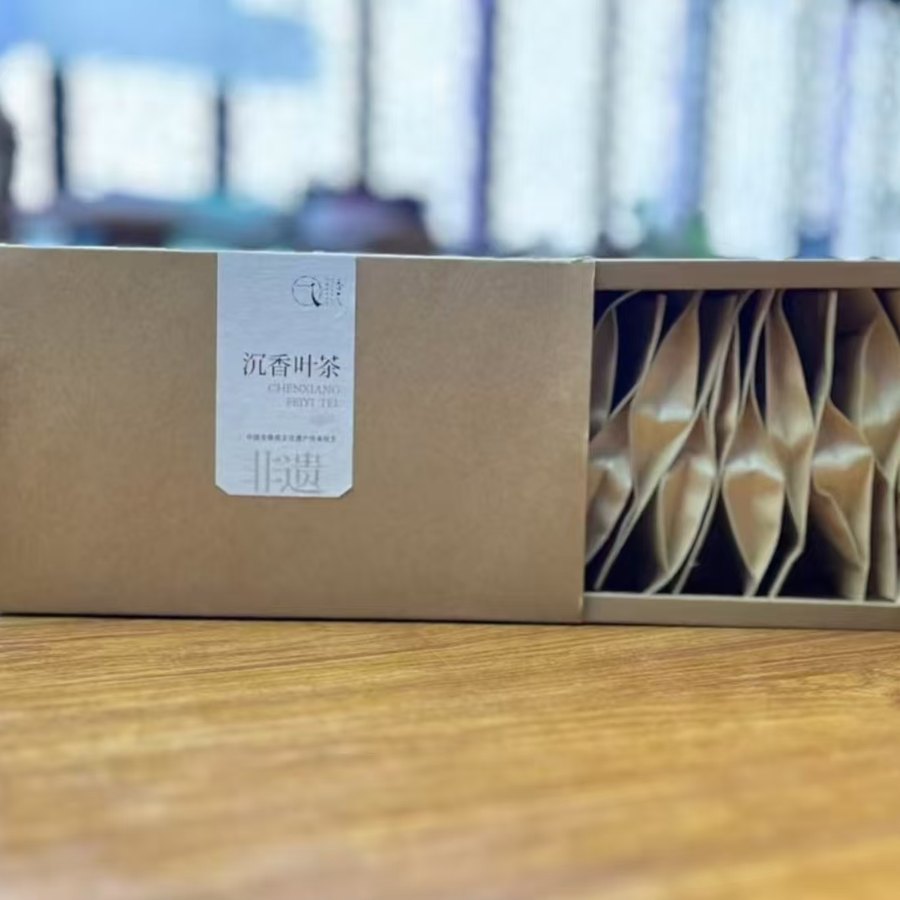
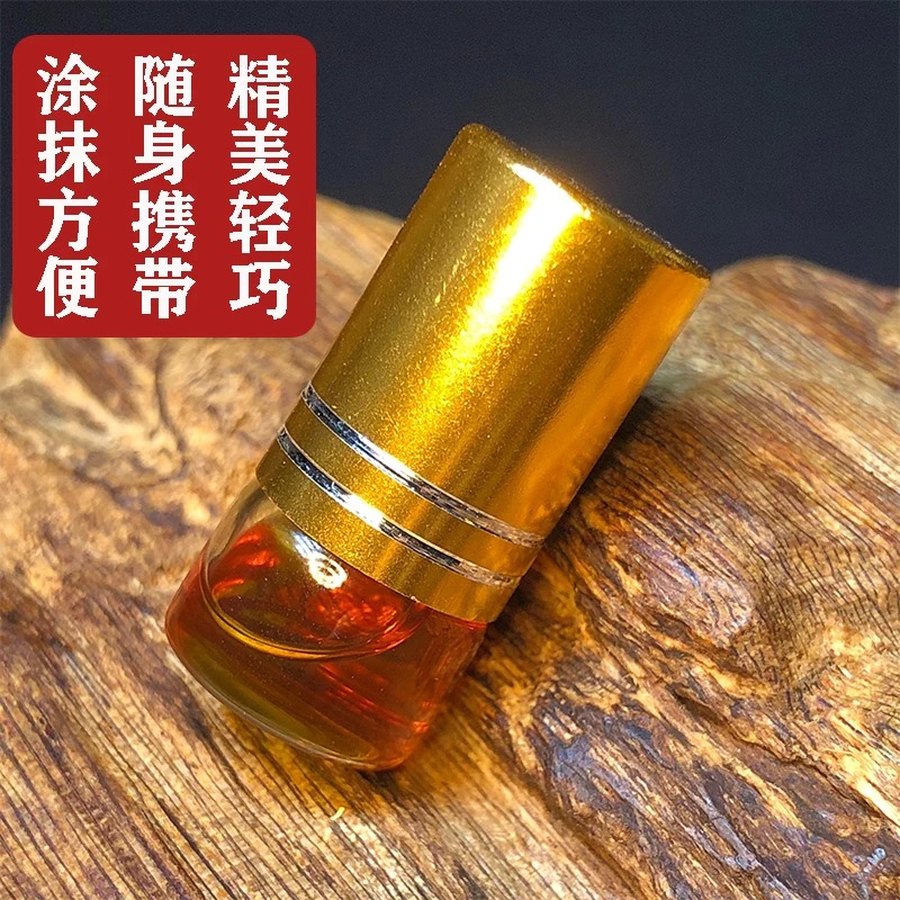
While reading, you might also like these compliant cultivated-agarwood products.
Visit Mall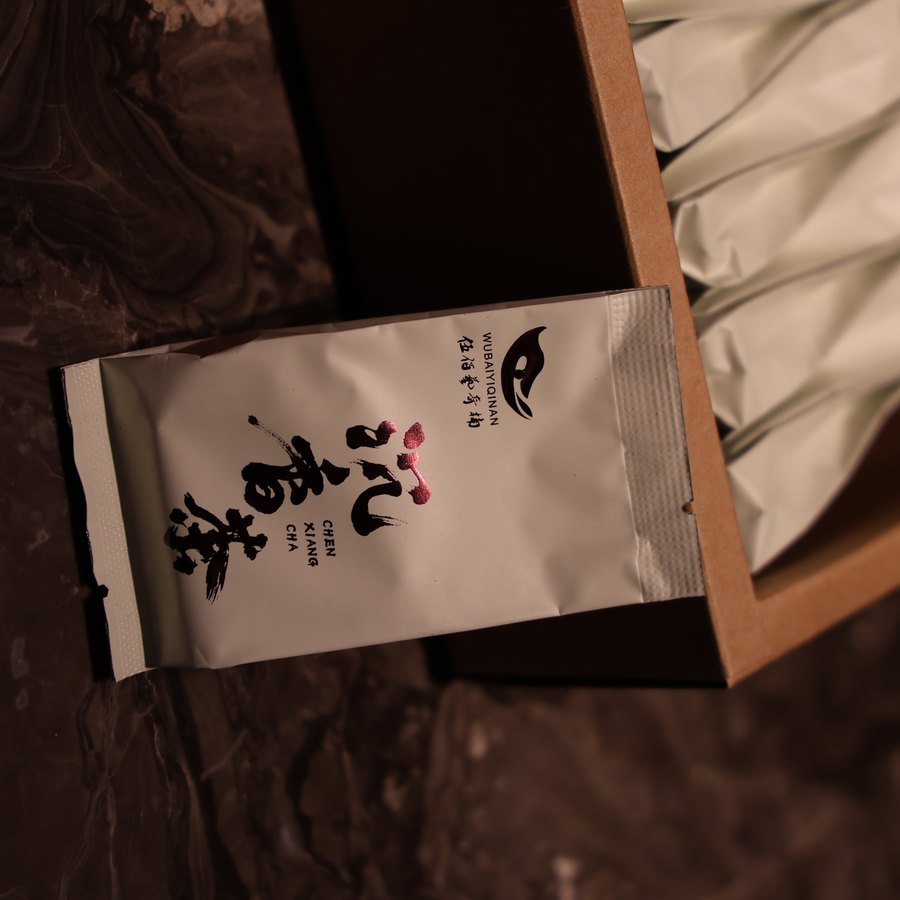
评论区
评论匿名可浏览,登录后可发表;提交后先审后显。
评论加载中…
Check related market data
Want the reference price for this category? Compare on the market page.
Go to market