Agarwood Six Records, Part Two · Volume Nine: The Scraped-Off Line
来源:收稿桥投稿· 2026-10-24· 伍佰艺编辑部· 1 阅读
Agarwood Six Records, Part Two · Volume Nine: The Scraped-Off Line
The autumn in the Capital (modern Beijing) was dry — dry enough that the paper rustled on its own.
Liu Zhiqiang spread the blood ledger his father had left behind across the desk. He switched off the ceiling light, kept only a single desk lamp, and lowered its head so the light raked sideways across the paper — an old trick the scroll mounter had taught him: read the impressions, not the ink. Ink can be scraped away; the dents in the paper cannot.
The three characters on the final page were still there — “散干净” (scatter it clean) — with brown seeping through the strokes. Below them lay a stretch of paper scraped raw, its fibers standing on end like a scar that had never healed well.
He lowered the lamp another inch.
The instant the light raked across, characters floated up out of the dents. Not ink — depressions pressed into the paper. Before the scraping, the tip of the brush had borne down too hard; the paper had remembered.
The line was seven characters: “神农所埋者,名也” — “What Shennong buried is the name.”
Liu Zhiqiang stared at the seven characters. He laid his fingertip flat against them and could feel the grooves of every stroke. He suddenly understood why his grandfather had scraped the page: it had not been a parting instruction — it had been a key.
He photographed the page and sent it to Qu Huaisha. Three minutes later, Qu replied not with words but with a voice message, his voice trembling: “Don’t touch that page. I’ve matched it over here too.”
---
Qu Huaisha was in Changsha, in a windowless sorting room, four Chu bamboo slips spread out before him — excavated the year before, and still no one had dared to name them, because a single character recurred across the slips: “禾” (grain) on top, and a bottom half no one could identify.
He wrote the seven characters “神农所埋者,名也” on a sticky note and checked them against the slips one at a time.
There was one line in the slips he had read for three months without making sense of: “The Emperor buried six timbers in the south, and bound a name to each; when the six timbers return, the names shall gather; once gathered—” The rest was broken off. Moth damage.
“帝” was Shennong. “Six timbers” were the six aromatics. What the Chu slips said was this: Shennong had buried six pieces of wood in the south, each with a name tied to it; when the six woods returned to their places, the names would gather together.
Qu Huaisha pushed the sticky note away and laughed suddenly — an ugly laugh.
“We had it all wrong,” he said to Liu Zhiqiang on the other end of the line. “The six aromatics are not aromatics. What Shennong buried was never incense — it was six names. Incense is only a box that holds names. For nine hundred years, people have fought over it, offered it, sold it, scattered it — when all along they were only moving names.” “And the seventh?” Liu Zhiqiang asked.
“The seventh is the gathering,” Qu Huaisha said. “When the six names come together, a seventh is born — and that is not a name. It is the person who was named.” Both ends of the line went silent.
Outside the window, Changsha was having the first rain of the year.
---
That same afternoon, Wang Wanshu kept an appointment that carried no name.
The text message held a single line: “Bring the purple one. Dusk, Changdian, the back courtyard of the old bookshop.” No signature, no way to trace the number — the sender field was empty.
She had no business going. But the Purple Ranjatai (紫奢待) in her arms had not cooled since morning; through the brocade case it scorched her hands, like a coal that refused to sleep.
The back courtyard of the Changdian old bookshop was piled with wastepaper and chairs with broken legs. The light of dusk fell sideways across the gray bricks, where a man stood with his back to her — gray cloth jacket, a very thin frame.
“You’ve come,” the man said without turning around.
“Who are you?” “The same as you — someone who moves names.” The man turned around: an unfamiliar face, around thirty, clean features, half the little finger of his right hand missing. “My grandfather was one too. He moved the yellow.” Wang Wanshu hugged the case tighter. Six aromatics: white, purple, yellow, green, red, black. She knew the yellow one had fetched a fortune at auction in Hong Kong twenty years before and had vanished without a trace since.
“What do you want?” “Not the incense.” The man shook his head. “I want one look. One look is enough.” Wang Wanshu hesitated a long time, and in the end cracked open the lid of the case the width of a seam.
The moment the fragrance rushed out, every scrap of wastepaper in the courtyard turned its page at once.
The man in the gray jacket sank to his knees. Not to her — to that wisp of smoke. He reached out and drew the half finger through the smoke; the smoke parted, then closed again, like water.
“How many now?” he asked in a low voice.
“How many what?” “The ones who have seen.” He raised his head; his eyes were very bright. “I’ve been hunting the six aromatics since I was eighteen — twelve years. I’ve seen three of the white, two of the purple, none of the yellow — and today, you. You’re the second to see the yellow... no, wait.” He smiled suddenly. “The one in your arms isn’t the purple.” Wang Wanshu went rigid.
“It’s pink now,” he said. “There’s a pink note inside the floral fragrance — that’s what ‘about to join’ means. It’s looking for its other five petals.” Far off came a dull thud — not thunder. West of the city, an incense burner had exploded.
Wang Wanshu shut the case, turned, and walked away. The man behind her did not follow. He said only: “Tell Liu Zhiqiang — don’t read the line after those seven characters.” “I already have,” she said.
“Then that’s bad.” The man’s voice was very soft. “Once you’ve read it, your name is written down.”
---
At eleven that night, Liu Zhiqiang, Qu Huaisha, and Wang Wanshu met on a video call.
Qu Huaisha held a facsimile of the Chu slips up to the camera; Liu Zhiqiang zoomed in on the photograph of the blood ledger’s impressions; Wang Wanshu set the Purple Ranjatai beneath her webcam — on the screen it gave off a thread of smoke so faint it was almost nothing, with no fire.
All three spoke the same sentence at once, and all three stopped at once.
Liu Zhiqiang spoke first: “What Shennong buried was names.” Qu Huaisha said: “When the six names gather, a seventh is born.” Wang Wanshu said: “It’s looking for its other five petals.” The instant the screen went dark, that wisp of smoke gathered inside the camera into a shape — not a character, but the outline of a person, very faint, gone in a second.
None of the three said a word.
After a long while, Liu Zhiqiang finally spoke, his voice hoarse. “My father must have known about this. That’s why he wrote ‘scatter it clean.’ What he scattered wasn’t incense — it was names. Scatter the names, and the seventh can never be born.” “Then your grandfather?” Wang Wanshu asked. “Why did he scrape?” Liu Zhiqiang looked at the scraped-raw paper and said slowly: “What he scraped away was everything after the two characters ‘名也’ — after ‘is the name.’ The three characters my father left behind are a blade; what my grandfather scraped away is the scabbard. One wanted to scatter, one wanted to hide — and yet both agreed on one thing.” He paused.
“That seventh must never be born.” Outside the window, the night sky over the Capital was dry and gleaming, without a single star.
And on the screens of all three of them, after that wisp of smoke had dispersed, the camera’s image held a line of white so faint — not smoke, not light — as if someone on the inside of the lens had written a character with a finger and wiped it away at once.
No one made out what the character was.
*(Part Two · Volume Nine — End)*
> This is an original serialized story from *Agarwood Six Records*; characters and plot are fictional. Common knowledge of agarwood and aromatics herein is compiled from public materials and does not constitute investment or medical advice.
内容为行业信息整理,不构成任何交易或投资建议。
常见问题
Agarwood Six Records, Part Two · Volume Nine是什么?
A blood ledger, a scraped-off line, and seven coats of ink over seven surnames — Volume Nine, Part Two.
沉香怎么选购?
选购沉香应认准可溯源、可检测的渠道,按用途选择形态(线香 / 手串 / 原料),不盲目追高、不轻信「野生」「沉水」等夸大宣传;优先选择带检测报告与来源凭证的商品。
沉香如何保养?
沉香怕潮、怕串味、怕暴晒,应密封、避光、阴凉存放,不同产区分开保存;长期不用的香材定期通风检查,防霉防虫。
如何鉴别沉香的真假?
鉴别沉香需综合感官与辅助手段:天然沉香香气清雅、持久、凉甜交织,燃烧烟气清白而非刺鼻;可结合 GC-MS 色谱检测特征成分(色酮、倍半萜)。建议通过可信渠道与可溯源凭证降低风险。
不同产区沉香有什么区别?
各产区因气候、树种与结香方式差异,香韵各具特色(如海南清雅、越南甜凉、印尼醇厚),是沉香分级与定价的重要参考维度。
沉香价格行情如何?
沉香行情随结香程度、产区、形态分化明显,顶级收藏与入门消费两端活跃;建议以合法、可检测渠道的实际成交为参考,勿轻信单一报价。
沉香与香道文化有什么关系?
沉香是东亚香道文化的核心媒介,从礼佛、文人雅集到当代生活美学,承载「静心、慢享」的东方审美,理解文化背景有助于读懂沉香价值。
沉香有健康功效吗?
传统上沉香被用于舒缓、助眠等场景,但证据等级与用量需谨慎看待;把「传统用法」与「科学证据」分开表述,具体以专业指导为准。
参考资料
相关阅读
相关沉香好物
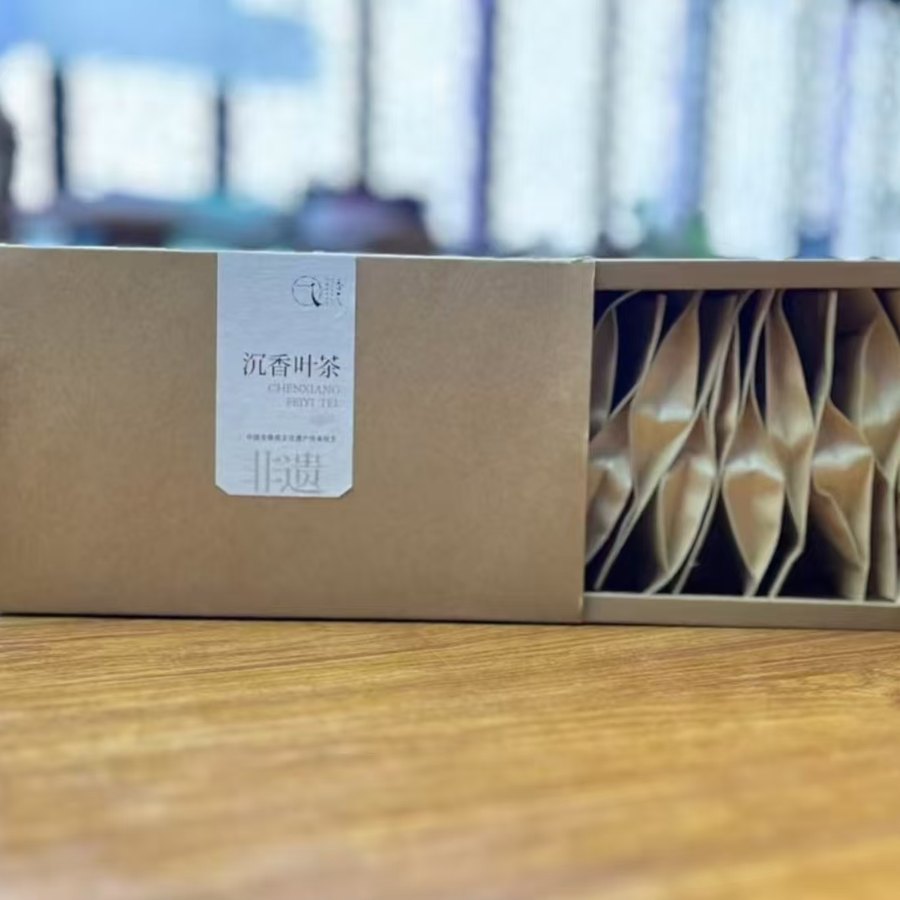
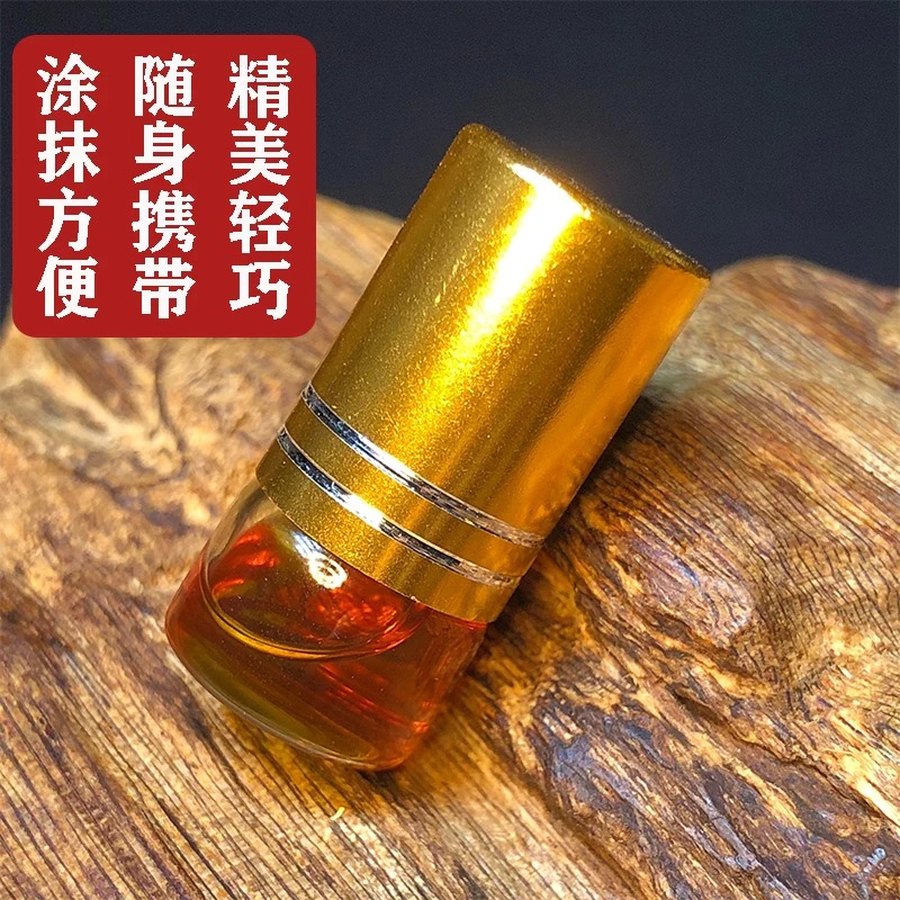
阅读之余,或许你也想了解这些人工林合规沉香成品。
逛逛商城
评论区
评论匿名可浏览,登录后可发表;提交后先审后显。
评论加载中…