Six Agarwood Records · Tale Three: The New Shosoin Correspondence
Source:收稿桥投稿· 2026-10-24· 伍佰艺编辑部· 6 views
Six Agarwood Records · Tale Three: The New Shosoin Correspondence
Shosoin's letter reached Liu Zhiqiang's hands as the first rain of that winter fell on Tokyo.
The letter was a photograph; the original remained in Nara. Wang Wanshu turned three pages with tweezers and stopped at the signature: Liu Shengjingma, of the Liu Sheng Perfume Shop in Kyoto, current incense guardian of the Kiyokiku school. And in a small line within the request subject: "Re-verification of Nha Trang by the incense measure, under joint supervision of Shosoin and the Liu family."
"The incense measure," Liu Zhiqiang read the line once.
"He calls Nha Trang a measure," said Wang Wanshu. "Your grandfather in his 'Record' calls it the same. The mother incense is never burned; its existence is for verification only. One measure for five incenses; a hair's difference voids the count." "And what does Liu Sheng want to measure?" "He measures us."
Three days later, in Nara. In the meeting room of the Shosoin office, Liu Shengjingma sat at the far end of the long table, in a gray suit, the edge of an old silk showing from his cuff — the Kiyokiku guardian's "incense certificate," said to have been passed down through seventeen generations. Spread before him was an illustrated notebook: the diaries of the Liu family's agarwood and sandalwood shop in Bianliang, Northern Song era; and on its seventh page a line in Huang Tingjian's hand: "Nha Trang is a measure, not an incense."
"Mr. Liu," began Liu Shengjingma, his Chinese carrying a Kyoto accent. "In 1937 your great-grandfather sent this page to Shosoin, with a letter saying the measure must not leave the storehouse. I checked; Shosoin did not reply." "The war," said Liu Zhiqiang.
"Not the war." Liu Shengjingma turned to the last page of the photographed copy and pointed to a line of small pencil characters. "Shosoin did reply at the time; the draft is still preserved. They said: 'The measure exists, so the six incenses are in their system; the measure is lost, so the six incenses are without system. The Liu family has preserved the system, so let it preserve it itself.'" Wang Wanshu raised her eyes. "You speak for Shosoin?" "I speak for the measure." Liu Shengjingma closed the notebook. "The Kiyokiku school has sought Nha Trang for a hundred and twenty years. My grandfather thought gathering all six incenses would fulfill the great accord; my father thought the mother incense was the key. And my sister—" He paused a moment. "She was defusing mines in Kosovo. In the last letter she sent me before she died, she wrote: 'Brother, that measure you seek — has it ever measured a human life?'"
The room fell silent. Outside the window, Shosoin's wooden walls gleamed with their ancient black; rain dripped from the eaves into the stone basin.
"I do not gather incense," said Liu Shengjingma. "I want to abolish the measure. The mother incense remains only in Japan. The Liu family has kept its share for a thousand years — but that share is kept by Japan on its behalf. Nha Trang in Shosoin is a Japanese national treasure, not the measure of the six incenses. I want Shosoin to declare officially: Nha Trang shall no longer be used to verify any incense. Then the six disperse, and no one measures another by a measure." Liu Zhiqiang did not answer. He remembered his grandfather's saying: the Liu Sheng folk — the fairer the words, the closer the knife.
Zhu Huaisha entered via video. He was in the National Museum's storeroom, behind him a row of infrared images of Zhu bamboo slips. "Mr. Liu Shengjingma," he said, pushing his glasses. "The Zhu family honored the orchid and used division to revere the gods. Division means separation — in the Zhu slips, orchid is never stored with another incense in one vessel. Abolish the measure, and you abolish division. Without a measure there is no separation of the six; without separation nothing remains but gathering. Your grandfather's doctrine itself, in new words."
Liu Shengjingma was silent a moment. "Mr. Zhu, you study Qu Yuan, and I study you. You wrote in your paper that division is reverence, not isolation. I agree. But reverence needs a witness. Is Shosoin the witness? It opens its storehouses only by imperial permission. A measure locked in an iron cabinet measures no one — it measures dust."
Wang Wanshu spoke suddenly: "May I see your sister's letter?" Liu Shengjingma took from his inner pocket a paper folded four times and pushed it to her. The writing was Japanese; the last line was enlarged in pencil: "The measure does not measure human life, but human life measures the measure."
"After my sister died, I burned the Kiyokiku record," said Liu Shengjingma. "Only this letter remains. Mr. Liu, I did not come today to seize incense. I came to ask: the Liu family keeps its share — until what day? Nha Trang is in Shosoin, and you cannot touch it. Is this share kept by you, or kept by Shosoin on your behalf?"
Liu Zhiqiang looked at the old silk at his cuff. "Liu Shengjingma — you burned the record, yet you still carry the certificate. The Kiyokiku guardian does not recognize the record; he recognizes the certificate. Abolish the measure — do you abolish yourself?"
Liu Shengjingma did not answer. He returned the letter to his inner pocket and stood. "I have delivered the correspondence. And Shosoin says it will consider the matter only with the joint signature of the Liu family and Mr. Zhu. I await you both." He reached the door, then returned and added: "By the way — when I searched the ledger, under the Nha Trang entry were six characters: 'Showa 20, inspection.' I went through all Shosoin documents; there is no inspection record for that year. The writing is in pencil, pressed directly beneath the Nha Trang entry, as if someone recorded it in secret."
After the door closed, Wang Wanshu said in a low voice: "Showa 20 — 1945. The year Japan was defeated." Shosoin allowed them to look at the ledger and forbade them to touch Nha Trang. The ledger had been rebound in the early Showa era, its pages yellowed; and beneath the Nha Trang entry were indeed six pencil characters: "Showa 20, inspection." The handwriting was messy, not the neat hand of the Shosoin scribe.
"There is a trace under this line," said Wang Wanshu, looking through a magnifying glass. "A fingerprint. Very recent." Liu Zhiqiang approached. The fingerprint was pressed directly beneath the two characters "inspection," its ridges clear, its edges touched with the finest ash — not paper ash, but incense ash. The color was black, with something of purple.
"Purple incense," he said.
Wang Wanshu raised her eyes to him. "Purple incense has long been missing from the six. Who lit it?" And when the ledger was closed, Liu Zhiqiang noticed in the blank space beside the fingerprint a very faint line, as if a fingernail had passed over it unintentionally. The line ran from "inspection" to the page edge; behind the edge was the binding line. And in the slit of the line was wedged something smaller than a sesame seed. He took it out with tweezers — half a grain of agarwood, its cut face smooth and flat, scraped with a knife.
"Someone came before you two," said Wang Wanshu. "And before Liu Shengjingma as well." Liu Zhiqiang placed the grain in an evidence bag. "The seventh note," he said in a low voice. "My grandfather used to say: there is a note beyond the six — not in the record, but measured only on the measure. Nha Trang measures the five; it does not measure the seventh note — unless someone uses it to measure."
And outside the window the Nara rain stopped. The Tang gate of Shosoin's storehouses was locked, and Nha Trang in the iron cabinet was still, like a measure no one dares to use.
And beneath those six characters in the ledger, the incense ash in the recent fingerprint had not yet dried.
— "Six Agarwood Records," Tale Three, concluded · Tale Four follows
> This is a serialized fictional work of "Six Agarwood Records"; the characters and plot are fictional. The knowledge of agarwood and perfumes herein is drawn from public sources and does not constitute investment or medical advice.
Compiled from industry information; not trading or investment advice.
常见问题
Six Agarwood Records · Tale Three是什么?
A letter from Shosoin, a Kiyokiku guardian seeking to abolish the measure, and a fresh fingerprint whose agarwood ash has not yet dried in the ledger — Tale Three.
沉香怎么选购?
选购沉香应认准可溯源、可检测的渠道,按用途选择形态(线香 / 手串 / 原料),不盲目追高、不轻信「野生」「沉水」等夸大宣传;优先选择带检测报告与来源凭证的商品。
沉香如何保养?
沉香怕潮、怕串味、怕暴晒,应密封、避光、阴凉存放,不同产区分开保存;长期不用的香材定期通风检查,防霉防虫。
如何鉴别沉香的真假?
鉴别沉香需综合感官与辅助手段:天然沉香香气清雅、持久、凉甜交织,燃烧烟气清白而非刺鼻;可结合 GC-MS 色谱检测特征成分(色酮、倍半萜)。建议通过可信渠道与可溯源凭证降低风险。
不同产区沉香有什么区别?
各产区因气候、树种与结香方式差异,香韵各具特色(如海南清雅、越南甜凉、印尼醇厚),是沉香分级与定价的重要参考维度。
沉香价格行情如何?
沉香行情随结香程度、产区、形态分化明显,顶级收藏与入门消费两端活跃;建议以合法、可检测渠道的实际成交为参考,勿轻信单一报价。
沉香与香道文化有什么关系?
沉香是东亚香道文化的核心媒介,从礼佛、文人雅集到当代生活美学,承载「静心、慢享」的东方审美,理解文化背景有助于读懂沉香价值。
沉香有健康功效吗?
传统上沉香被用于舒缓、助眠等场景,但证据等级与用量需谨慎看待;把「传统用法」与「科学证据」分开表述,具体以专业指导为准。
参考资料
Related reading
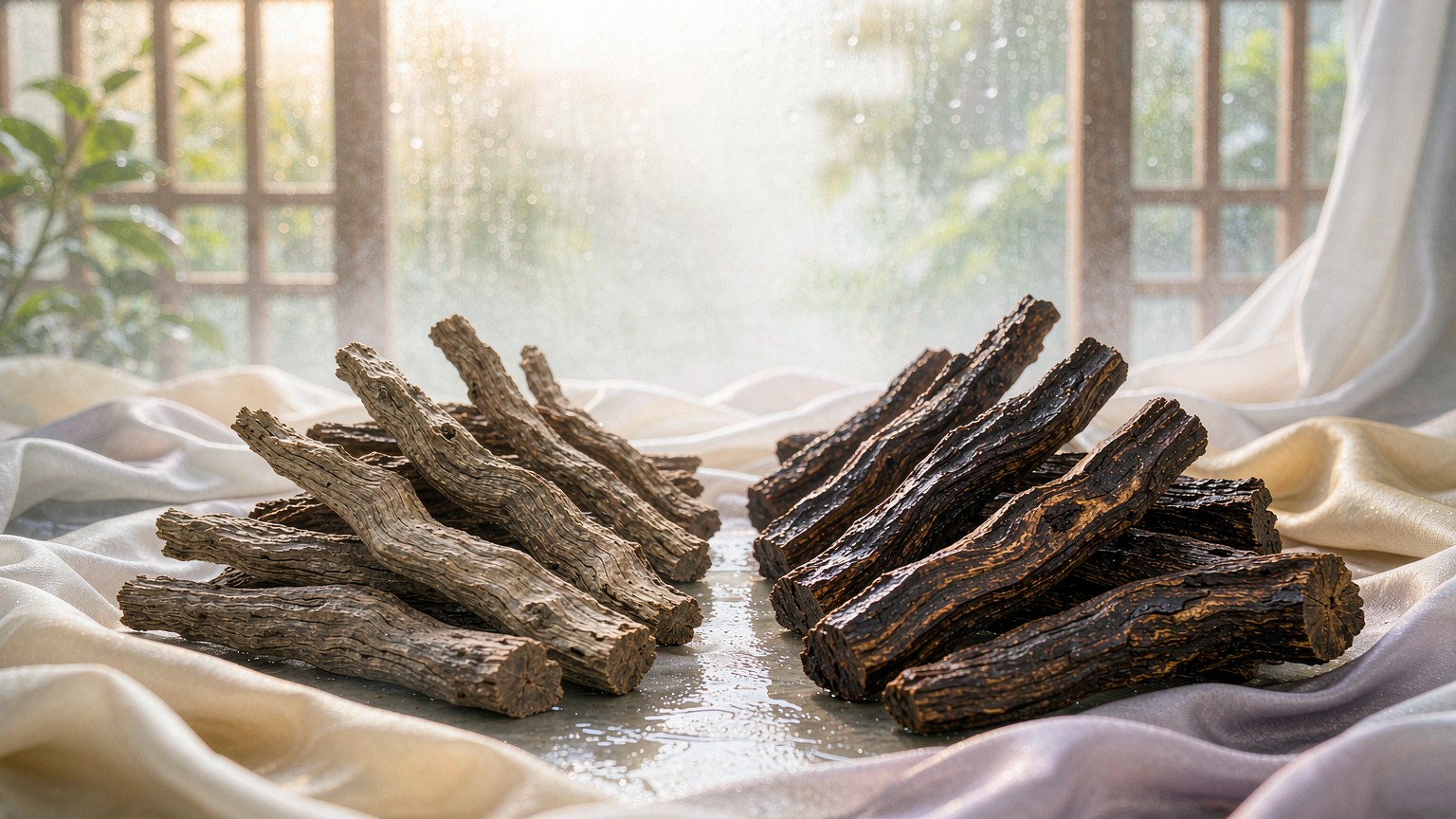
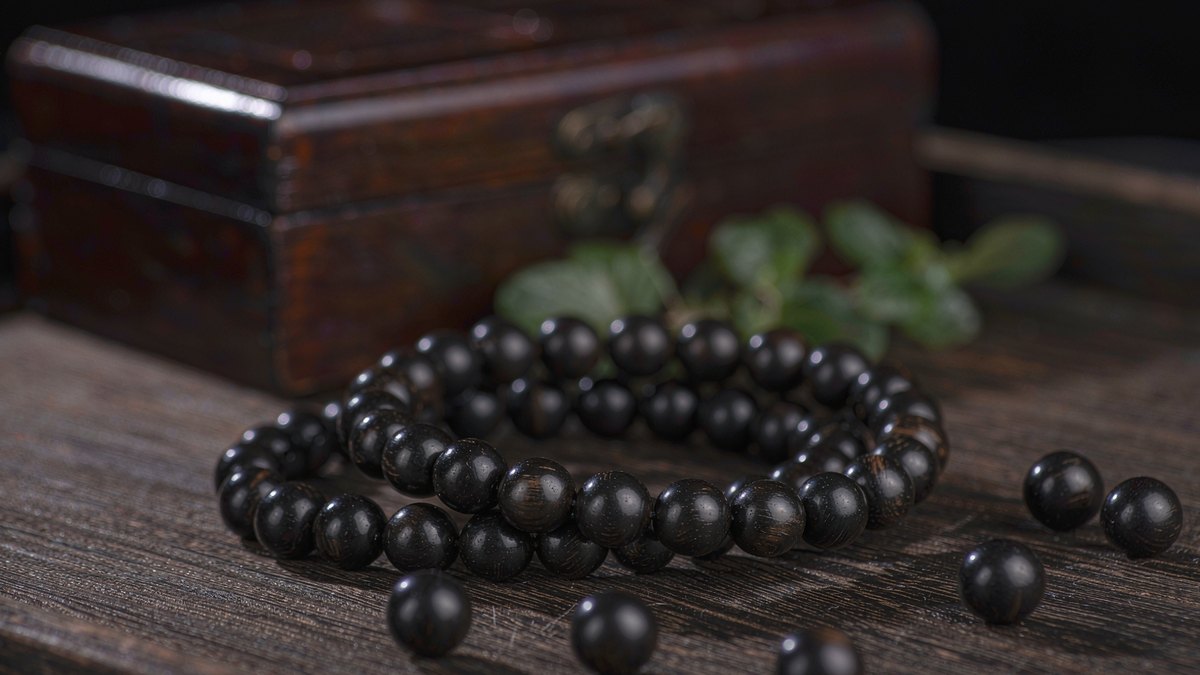
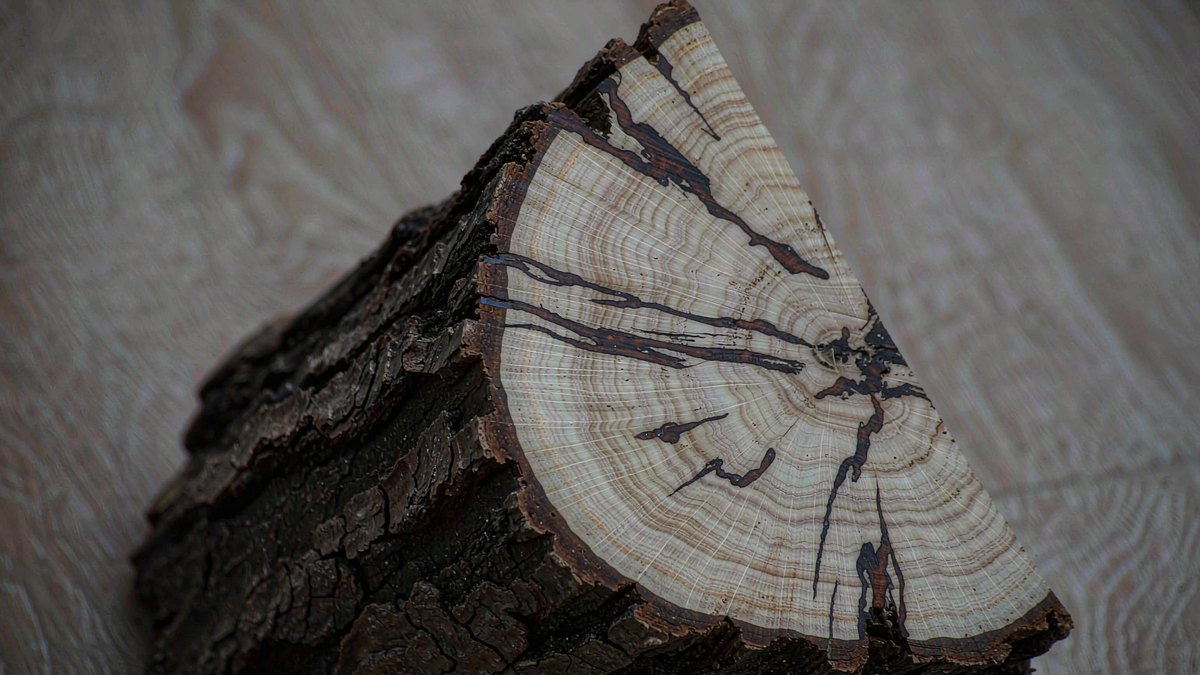
Related Agarwood Picks
While reading, you might also like these compliant cultivated-agarwood products.
Visit Mall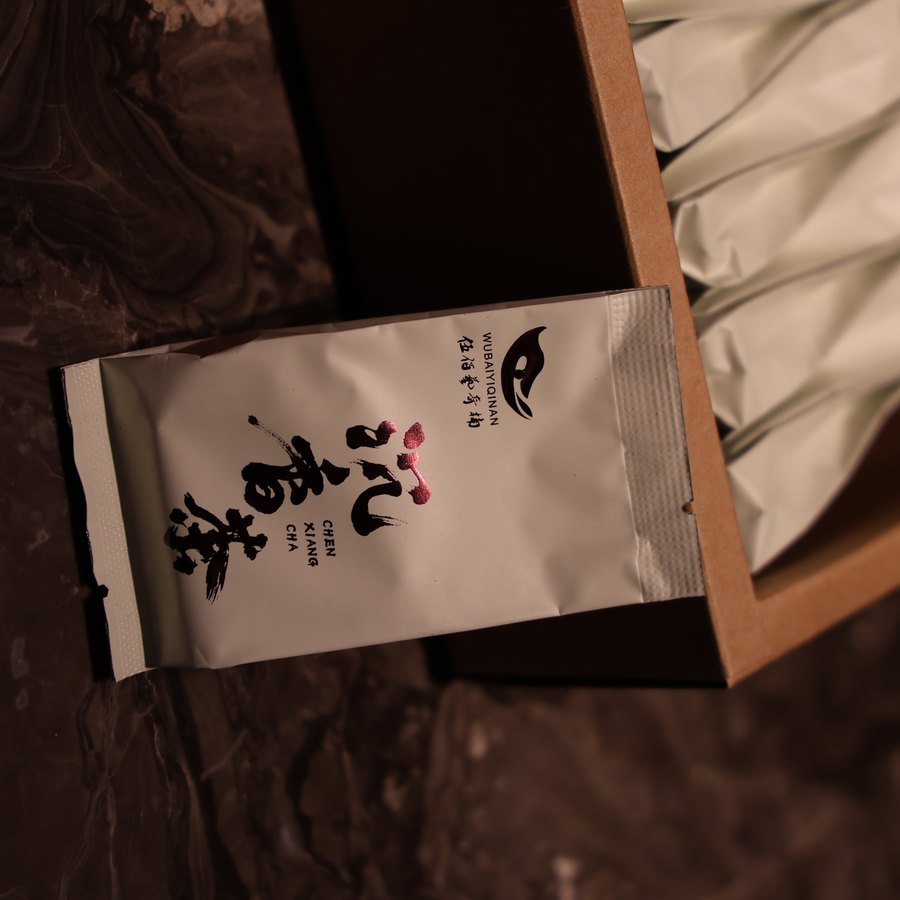
评论区
评论匿名可浏览,登录后可发表;提交后先审后显。
评论加载中…
Check related market data
Want the reference price for this category? Compare on the market page.
Go to market