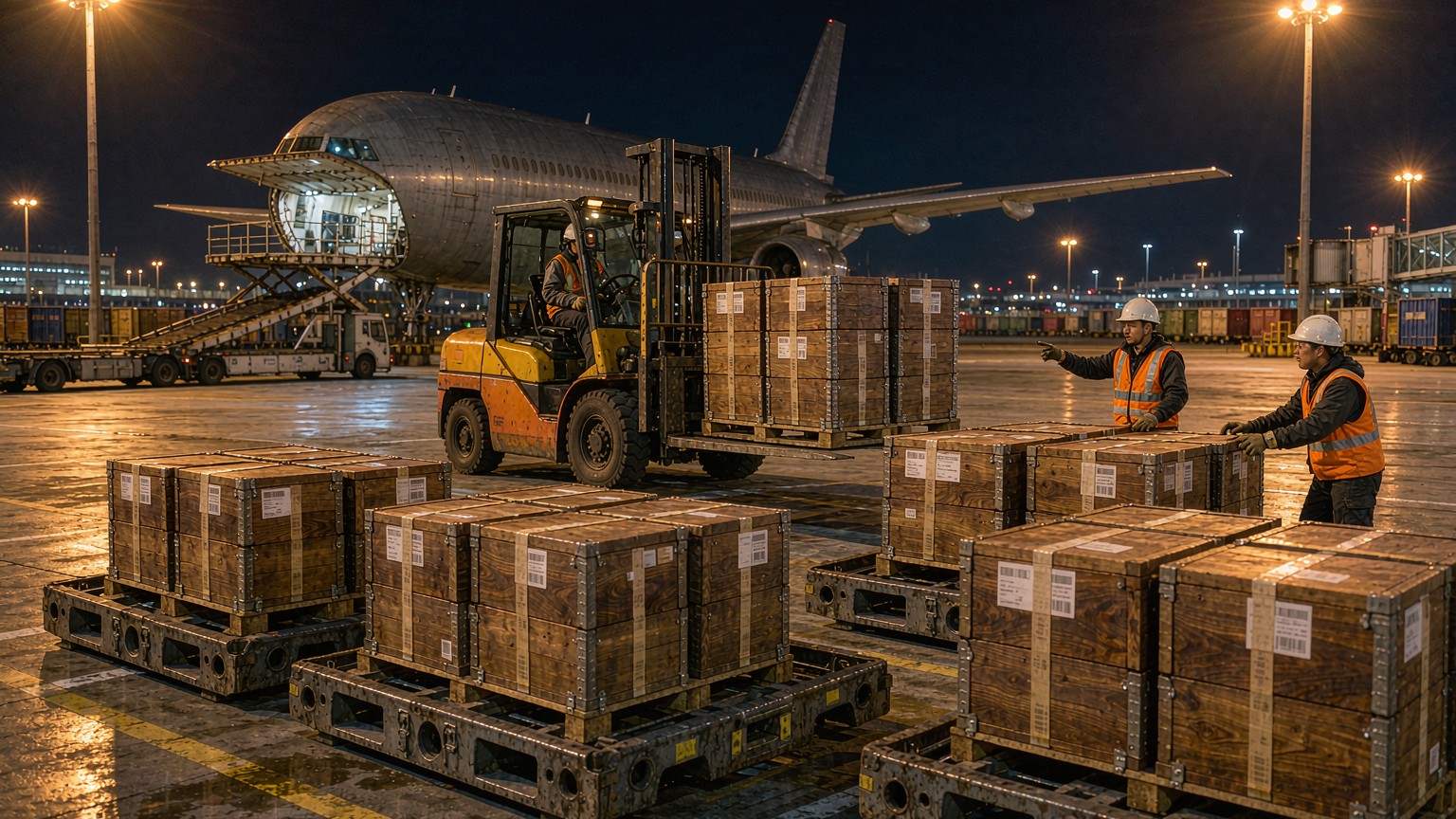
India's DGFT Adds Guwahati Airport as an Agarwood Export Gateway, CITES Requirements Unchanged
· 2026-11-23· 中国沉香网编辑· 0 views
A Direct Air Cargo Route for Northeastern Producers
According to industry outlet Ingredients South Asia on November 11, India's DGFT has added Lokpriya Gopinath Bordoloi International (LGBI) Airport in Guwahati as a designated export gateway for agarwood oil, agarwood chips and allied products. Previously exports were permitted only through 12 gateways including Mumbai, Chennai, Kolkata and Delhi, forcing northeastern exporters to route cargo through distant ports. The amendment revises Note 3 of the Export Licensing Notes under Chapter 12 of the ITC (HS) Export Policy and is expected to reduce logistics costs and improve shipment planning for the northeastern states.
Trade Facilitation Alongside CITES Oversight
Notably, the new gateway does not relax oversight: exports involving CITES-listed species must still carry a valid CITES export permit, and all existing requirements governing sourcing, processing and international movement remain. At the same time, exporters are not required to furnish additional information or no-objection certificates beyond prescribed licensing documents. A DGFT official said the amendment aims to facilitate legitimate exports while balancing trade facilitation with conservation obligations. For agarwood-producing regions across South and Southeast Asia, the combination of 'new channels plus tightened traceability' is becoming policy mainstream — legal, traceable and testable supply is the passport to premium Gulf, European and American markets.
This article is an industry observation and general-information roundup. It does not constitute any transaction or investment advice; agarwood should be purchased through legal channels with traceable and testable sources.
Compiled from industry information; not trading or investment advice.
Frequently Asked Questions
What is India's DGFT Adds Guwahati Airport as an Agarwood Export Gateway, CITES Requirements Unchanged?
India's Directorate General of Foreign Trade (DGFT) notified on November 11 that Lokpriya Gopinath Bordoloi International Airport in Guwahati is now a designated export gateway for agarwood oil, chips and allied products, easing logistics for northeastern exporters; exports involving CITES-listed species still require a valid CITES export permit.
How should I choose agarwood?
Buy from traceable, testable channels and match the form (incense, beads, raw wood) to your use. Avoid exaggerated claims such as "wild" or "sinking grade" without proof, and prefer products with lab reports and origin documentation.
How should agarwood be stored and maintained?
Agarwood dislikes moisture, odours and direct sunlight. Keep it sealed, dark and cool, store different origins separately, and air and inspect long-stored pieces periodically against mould and insects.
How can I tell real agarwood from fake?
Authentication combines sensory checks with technical ones: natural agarwood has a clean, long-lasting, cool-sweet scent and burns with pale, non-pungent smoke. GC-MS analysis of characteristic compounds (chromones, sesquiterpenes) adds objective confirmation. Buying through traceable channels with certificates lowers the risk.
How do agarwood origins differ?
Climate, tree species and resin-induction methods give each origin a distinct scent profile — for example Hainan tends to be clean and elegant, Vietnam sweet and cool, Indonesia deep and full. Origin is a key factor in grading and pricing.
What is the current agarwood market like?
Prices diverge sharply by resin density, origin and form, with both top-end collectibles and entry-level consumer products active. Use actual transactions from legal, testable channels as reference rather than a single quotation.
What is the relationship between agarwood and incense culture?
Agarwood is the core medium of East Asian incense culture, spanning temple offerings, literati gatherings and contemporary lifestyle aesthetics. Understanding this cultural background helps explain its value.
Does agarwood have health benefits?
Traditionally agarwood has been used for calming and sleep-related rituals, but evidence quality and dosage need careful reading. Keep traditional use and scientific evidence clearly separated and follow professional guidance.
参考资料
Related reading

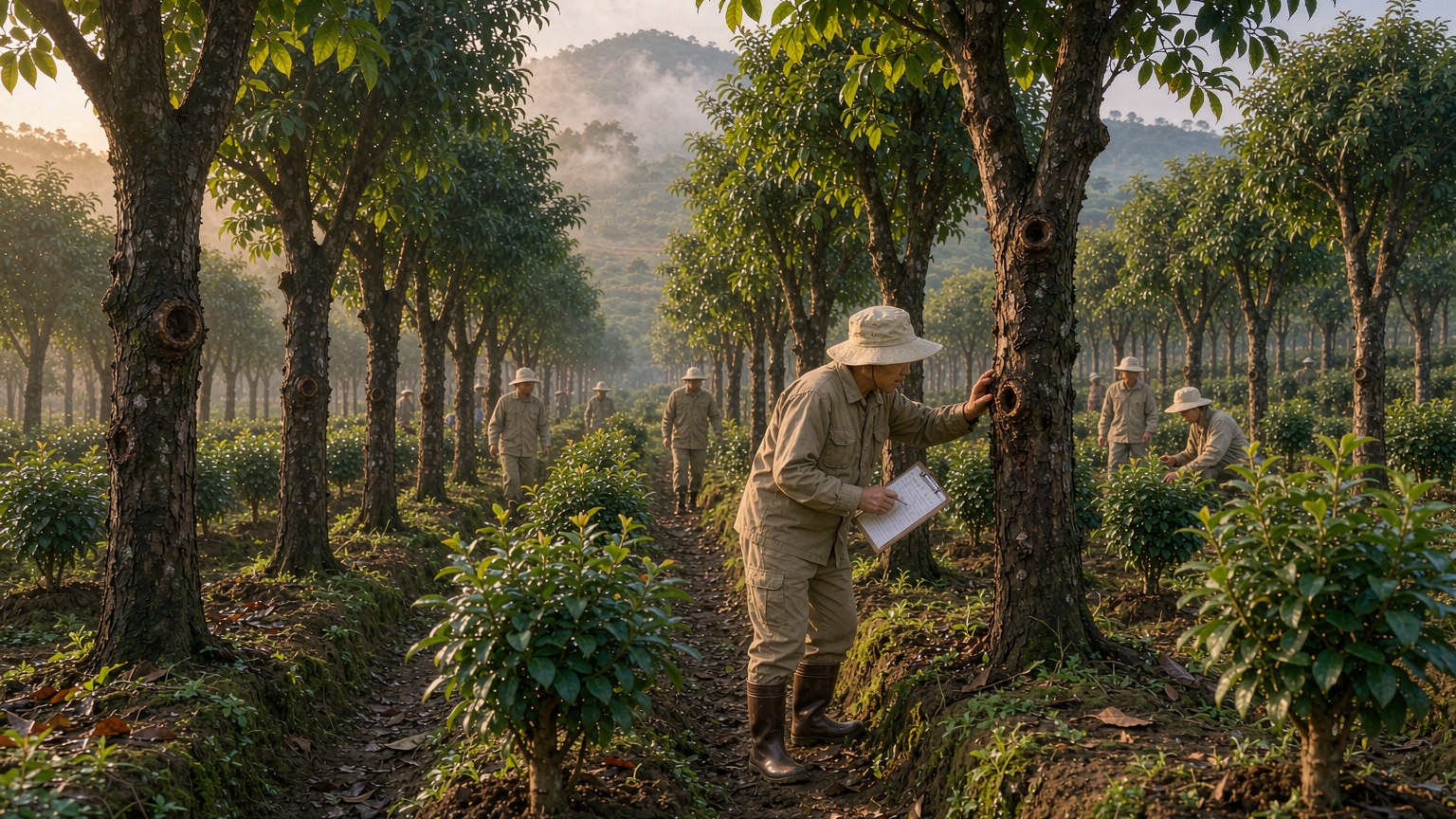
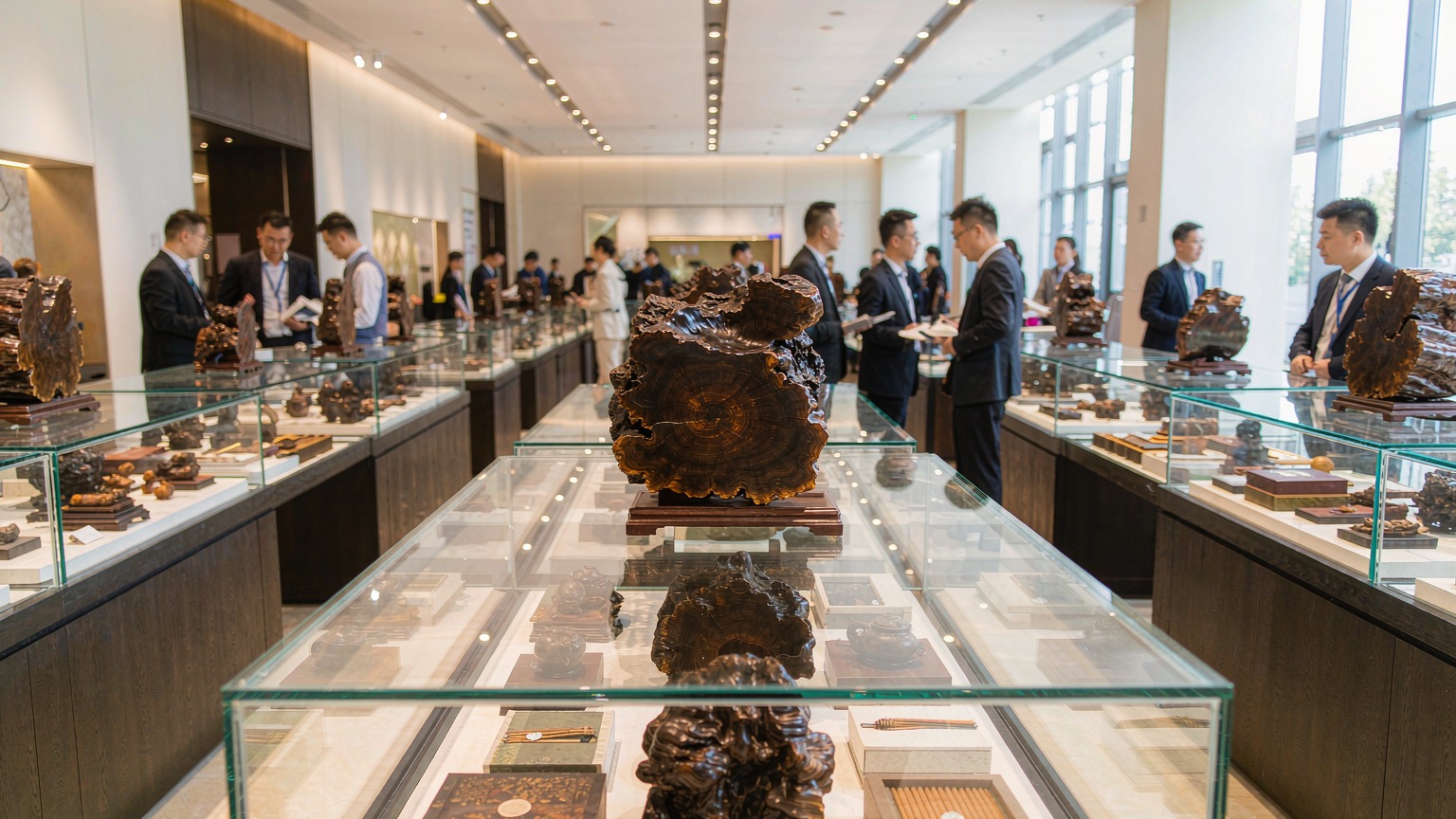
Related Agarwood Picks
While reading, you might also like these compliant cultivated-agarwood products.
Visit Mall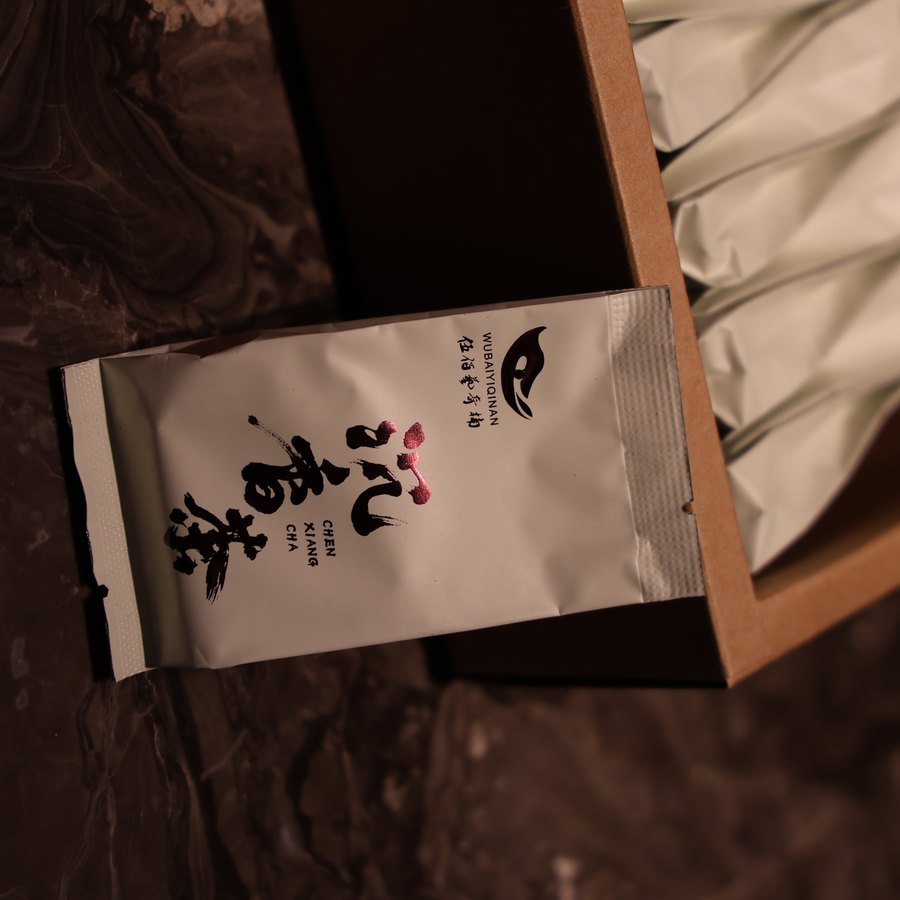
评论区
评论匿名可浏览,登录后可发表;提交后先审后显。
评论加载中…
Check related market data
Want the reference price for this category? Compare on the market page.
Go to market