Manilao Agarwood Explained: Why Kalimantan's Boutique Micro-Origin Costs More
Source:收稿桥投稿· 2026-10-25· 伍佰艺编辑部· 6 views
With this installment on the Singapore-system origins, the "four corners" are finally complete: Brunei is the "Hoi An note within the Singapore system" (see [文莱沉香全解](brunei-chenxiang-quanjie)), Dalagan is the "milk-aroma overlord" (see [达拉干沉香全解](dalagan-chenxiang-quanjie)), and Kalimantan is the "king of value" (see [加里曼丹沉香全解](kalimantan-chenxiang-quanjie)) — and beside them hides a Manilao (also written Manilau or Manilao) that has small output and less than top-tier fame, yet is most often singled out for discussion by veteran collectors.
It shares the same island as Kalimantan, yet is often listed separately as a "boutique micro-origin"; its price is a good deal higher than ordinary Kalimantan, yet more affordable than Dalagan and Brunei. This article explains Manilao thoroughly: geographic boundaries, aroma layers, price logic, five-step identification, and how to choose between it and Kalimantan/Dalagan/Brunei.
I. Where Exactly Is Manilao
Like "Brunei" and "Kalimantan," "Manilao agarwood" is first and foremost a distribution-hub concept, not an administrative map.
Geographically it belongs to the waters and coastal belt around Miri in East Malaysia (Sarawak), adjacent to Brunei and close to the northeastern corner of Kalimantan where Dalagan is located. In other words: on the same Borneo island, the southwest is Indonesian Kalimantan bulk material, while this small northeastern corner is the boutique belt of Manilao, Dalagan and Brunei.
> Key point: Manilao's output is far smaller than ordinary Kalimantan, and quality material is concentrated in a very small sea/coastal area. "Micro-origin + low output" means it was never a volume material from the start — this is the underlying reason it costs more than ordinary Kalimantan.
II. Aroma Profile: Sweet-Cooling, Floral-Fruity, with a Wisp of Milk
Manilao's aroma is a representative of the "clear and transparent" school within the Singapore system, with a typical three-stage progression:
- **Top note**: clean sweet floral-fruity rises first, neither aggressive nor dull, cleaner than ordinary Kalimantan;
- **Middle note**: a cooling note emerges, similar to Brunei's "cool" but softer, with a touch of sweetness;
- **Base note**: closes with a wisp of light milky note, clearly weaker than Dalagan yet a bit "meatier" than Brunei.
One-line positioning: clearer than ordinary Kalimantan, softer than Dalagan, cheaper than Brunei — overall a "compromise boutique between Dalagan and Brunei".
III. Why It Is Called "The Boutique Within Kalimantan"
On the same Borneo island, why does Manilao command a higher unit price? The core lies in three points:
1. More concentrated resin formation environment: the northeastern waters have many islands and special currents and humidity, producing denser resin and more focused aroma;
2. Small output, high selection rate: overall yield is low, and the proportion of boutique material meeting the "clean sweet with milky note" standard is small, so good material naturally commands a premium;
3. Aroma layers closer to high-end: the combination of sweet-cooling plus milky note lands right in the middle ground between the collector-preferred "Hoi An note" and "Singapore explosiveness," with broad appeal and stable reputation.
> Reminder: much "Manilao" on the market is actually ordinary northeastern Kalimantan material passed off under the name, or simply blended material. Recognizing aroma, channel and origin certificate matters far more than recognizing the name.
IV. Price Logic (Sample Ranges, Not Transaction Prices)
Manilao follows a scarce micro-origin scale, with prices between ordinary Kalimantan and Dalagan. The following are market sample ranges, heavily affected by grade, oil content and channel, for reference only and not equal to transaction prices:
| Category | Sample range | Scale | Note |
|---|---|---|---|
| Manilao sinking-grade bracelet (16–20mm) | ¥1,800–6,500 /strand | Singapore-system micro-origin | depends on oil-line density and aroma purity |
| Manilao non-sinking bracelet | ¥700–2,200 /strand | Singapore-system micro-origin | value entry |
| Manilao raw material (medium oil) | ¥600–2,200 /g | scarce micro-origin | for carvings/incense material |
| Manilao sinking-grade raw material | ¥2,200–6,000 /g | collectible micro-origin | close to second-best Dalagan material |
For comparison (same-scale sample prices): ordinary Kalimantan bracelets about ¥680–2,600/strand, Dalagan bracelets about ¥4,200–15,000/strand, Brunei bracelets about ¥4,200–15,000/strand. Manilao sits right in the sweet zone of "pricier than Kalimantan, cheaper than Dalagan/Brunei."
V. Five-Step Identification Method
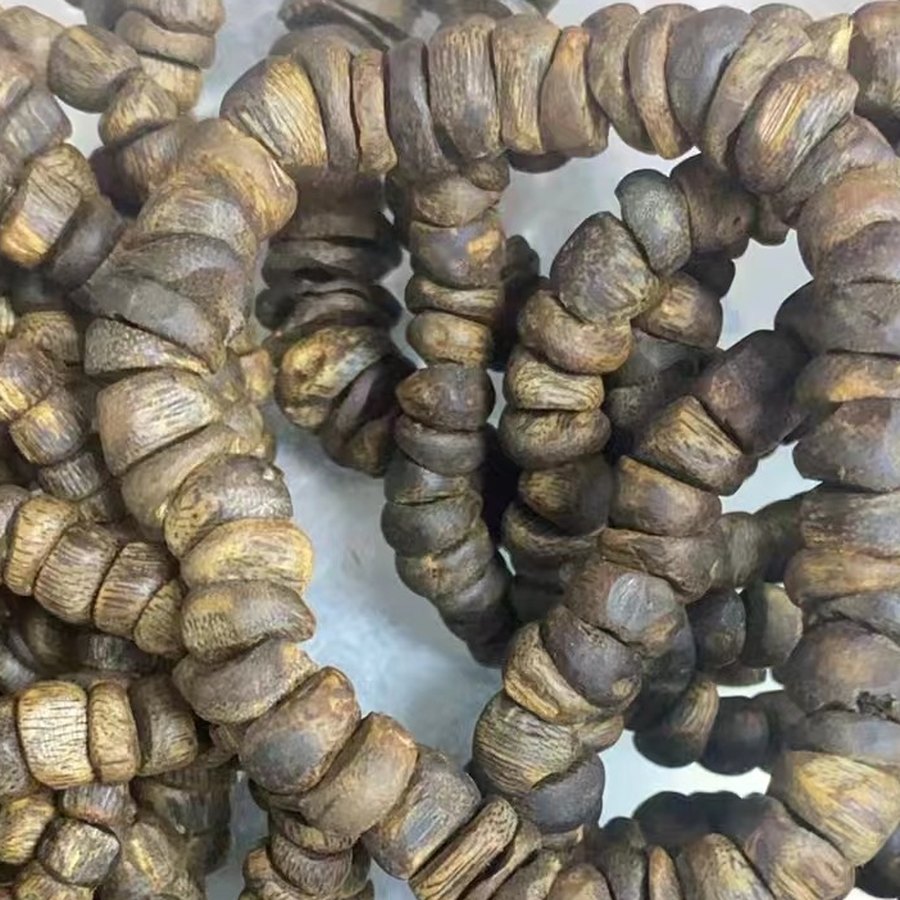
1. Look at oil lines: Manilao oil lines are mostly clear tiger-stripe/flake patterns, with resin gathered rather than scattered; ordinary Kalimantan is often more "flowery" and scattered.
2. Smell the aroma: clean sweet with cooling, light milk at the base — if there is only herbal bitterness with no sweet-cooling, it is most likely ordinary Kalimantan or blended material.
3. Weigh it: at the same size, sinking-grade density is obvious; but non-sinking ≠ fake, it is merely a different grade.
4. Check origin certificate/channel: reputable merchants can provide traceability or origin documentation, and micro-origin material especially should have provenance.
5. Guard against six types of fakes: oil-soaking, oil-injection, compression, line-drawing, splicing and tech agarwood are the disaster zones; see [沉香真假鉴别六类假货](shenxiang-jiahuo-liulei-jianding).
VI. How to Choose Between Kalimantan / Dalagan / Brunei
| Dimension | Kalimantan (ordinary) | Manilao | Dalagan | Brunei |
|---|---|---|---|---|
| Aroma | sweet and intense | sweet-cooling with milk | explosive milky aroma | sweet-floral-cooling three stages |
| Price | low–mid | mid | high | high |
| Positioning | value/entry | boutique micro-origin | milk-aroma overlord | king of the Singapore system |
| Suited to | first strand for beginners | players wanting an upgrade | heavy milky-aroma fans | layered-aroma collectors |
> Advice: limited budget but want something "capable" → Kalimantan; want to advance without spending too much → Manilao; love punchy milky notes → Dalagan; want layers and collection → Brunei.
VII. Common Beginner Misconceptions
- **Misconception 1**: "Manilao = Kalimantan, buy casually." Wrong — the micro-origin premium comes from low output and aroma; recognize the aroma before buying.
- **Misconception 2**: "The more expensive, the more genuine." A high price may just be storytelling; the [2025 版药典沉香项](yadian-2025-chenxiang) is the real basis for authenticity and composition.
- **Misconception 3**: "Sinking grade must be good." Sinking grade reflects density, while aroma reflects resin formation — do not confuse the two.
FAQ
Q1: Are Manilao and Manilau the same thing?
They are different transliterations of the same origin, referring to boutique agarwood around Miri in East Malaysia; when buying, just recognize the aroma and channel, no need to fuss over the spelling.
Q2: Is Manilao worth collecting?
As a boutique micro-origin of the Singapore system, it has high aroma recognizability and limited output, with some collectible and premium potential; but collectible grade places more weight on sinking grade, aroma purity and completeness.
Q3: How to tell Manilao and Dalagan apart at a glance?
Dalagan's milky note is more "explosive" and aggressive; Manilao's milky note is "lighter," sweeter-cooling and softer. A blind-smell comparison is the most intuitive.
Q4: Can I buy a genuine Manilao bracelet with a budget of 2,000?
You can buy non-sinking or entry-level sinking-grade Manilao, but be sure to use a trustworthy channel and refer to [六类假货鉴别](shenxiang-jiahuo-liulei-jianding); low-priced "sinking-grade Manilao" is mostly oil-soaked or blended material.
> Data source: origin aroma and price scales compiled from market samples and industry common knowledge; all prices are sample ranges, not transaction prices, and real-time quotes are subject to auction and merchant quotations.
English
Title: Manilao (Manilau) Agarwood Fully Explained: Why This "Boutique Small Origin" of Kalimantan Costs More Than Ordinary Kalimantan
Summary: Manilao (also written Manilau/Manilao) is a boutique small origin off northeastern Kalimantan, with a sweet-cooling milky aroma close to Dalagan and Brunei. This guide covers its geography, aroma layers, price logic, five-step identification, and how it compares with Kalimantan, Dalagan and Brunei.
I. Where Exactly Is Manilao
Like "Brunei" and "Kalimantan," "Manilao agarwood" is first a distribution-hub concept, not an administrative map. Geographically it belongs to the coastal and nearshore waters around Miri, East Malaysia (Sarawak), adjacent to Brunei and close to Tarakan/Dalagan at Borneo's northeast corner. In short: same Borneo island, the southwest is Indonesian Kalimantan bulk; this small northeast corner is the boutique belt of Manilao, Dalagan and Brunei.
Key point: Manilao's yield is far smaller than ordinary Kalimantan, and quality stock concentrates in a tiny sea/coast area — "small origin + low yield" means it is never a volume material, the root reason it costs more than ordinary Kalimantan.
II. Aroma Profile: Sweet-Cooling, Floral-Fruity, with a Wisp of Milk
Manilao is a representative of the "clear-and-transparent" school within the Singapore-system, typical three stages:
- **Head**: clean sweet floral-fruity rising first — not aggressive, cleaner than ordinary Kalimantan.
- **Middle**: cooling note emerging, like Brunei's "cool" but softer, with a touch of sweetness.
- **Base**: a wisp of light milk — much weaker than Dalagan, yet a bit "meatier" than Brunei.
Positioning: clearer than ordinary Kalimantan, softer than Dalagan, cheaper than Brunei — a "compromise boutique between Dalagan and Brunei."
III. Why "Boutique Within Kalimantan"
Same island, why higher unit price? Three reasons:
1. More concentrated resin environment: northeast islands, special currents and humidity yield denser oil and more focused aroma.
2. Small yield, high selection rate: less output; the share meeting "clean sweet with milk" standard is low, so good stock naturally premiums.
3. Aroma closer to high-end: sweet-cooling + milk hits the sweet spot between "Hoi An note" and "Singapore explosiveness," broad audience, stable reputation.
Warning: many "Manilao" on the market are ordinary northeastern Kalimantan passed off, or simply blended stock. Recognize aroma, channel and origin certificate — more important than the name.
IV. Price Logic (sample ranges, not transaction prices)
Manilao follows a scarce small-origin scale, priced between ordinary Kalimantan and Dalagan:
| Category | Sample range | Scale | Note |
|---|---|---|---|
| Manilao sinker bracelet (16–20mm) | ¥1,800–6,500/strand | Singapore small-origin | oil-line density & purity |
| Manilao floating bracelet | ¥700–2,200/strand | Singapore small-origin | entry value |
| Manilao raw material (medium oil) | ¥600–2,200/g | scarce small-origin | carving/incense |
| Manilao sinker raw | ¥2,200–6,000/g | collectible small-origin | near second-best Dalagan |
Reference (same scale): ordinary Kalimantan ~¥680–2,600/strand, Dalagan ~¥4,200–15,000, Brunei ~¥4,200–15,000. Manilao sits in the "pricier than Kalimantan, cheaper than Dalagan/Brunei" sweet zone.
V. Five-Step Identification
1. Oil lines: Manilao shows clear tiger-stripe/flake lines, oil gathered not scattered; ordinary Kalimantan is more "flowery" and scattered.
2. Smell: clean sweet with cooling, light milk at base — if only herbal-bitter with no sweet-cooling, it's ordinary Kalimantan or blend.
3. Weigh: same size, sinker density obvious; but non-sinker ≠ fake, just different grade.
4. Check origin cert/channel: reputable sellers provide traceability; small-origin stock especially needs provenance.
5. Guard against six fake types: oil-soaking, oil-injection, compression, line-drawing, splicing, tech agarwood — see [沉香真假鉴别六类假货](shenxiang-jiahuo-liulei-jianding).
VI. How to Choose vs. Kalimantan / Dalagan / Brunei
- Kalimantan (ordinary): sweet-rich, low–mid price, entry.
- Manilao: sweet-cooling with milk, mid price, boutique small-origin.
- Dalagan: explosive milk, high price, milk overlord.
- Brunei: sweet-floral-cooling three stages, high price, Singapore king.
Advice: limited budget but "capable" → Kalimantan; want to upgrade without overspending → Manilao; love punchy milk → Dalagan; want layers and collection → Brunei. See also [文莱沉香全解](brunei-chenxiang-quanjie), [达拉干沉香全解](dalagan-chenxiang-quanjie), [加里曼丹沉香全解](kalimantan-chenxiang-quanjie).
VII. Common Beginner Misconceptions
- "Manilao = Kalimantan, buy casually": wrong — the premium comes from low yield and aroma; recognize aroma first.
- "Pricier = truer": high price may just be storytelling; [2025 版药典沉香项](yadian-2025-chenxiang) is the real basis for authenticity and composition.
- "Sinker = better": sinking shows density, aroma shows resin — don't mix the two.
FAQ
Q1: Is Manilao the same as Manilau? A: Same origin, different transliterations; recognize aroma and channel, don't fuss over spelling.
Q2: Is Manilao worth collecting? A: As a Singapore-system boutique small-origin with high recognizability and limited yield,
Compiled from industry information; not trading or investment advice.
常见问题
Manilao Agarwood Explained是什么?
Manilao agarwood is a boutique micro-origin off northeastern Kalimantan, prized for its sweet-cooling, floral-fruity aroma with a light milky base. This guide covers its geography, aroma profile, price logic, five-step identification, and how it compares with Kalimantan, Dalagan and Brunei.
沉香价格行情如何?
沉香行情随结香程度、产区、形态分化明显,顶级收藏与入门消费两端活跃;建议以合法、可检测渠道的实际成交为参考,勿轻信单一报价。
沉香怎么选购?
选购沉香应认准可溯源、可检测的渠道,按用途选择形态(线香 / 手串 / 原料),不盲目追高、不轻信「野生」「沉水」等夸大宣传;优先选择带检测报告与来源凭证的商品。
沉香如何保养?
沉香怕潮、怕串味、怕暴晒,应密封、避光、阴凉存放,不同产区分开保存;长期不用的香材定期通风检查,防霉防虫。
如何鉴别沉香的真假?
鉴别沉香需综合感官与辅助手段:天然沉香香气清雅、持久、凉甜交织,燃烧烟气清白而非刺鼻;可结合 GC-MS 色谱检测特征成分(色酮、倍半萜)。建议通过可信渠道与可溯源凭证降低风险。
不同产区沉香有什么区别?
各产区因气候、树种与结香方式差异,香韵各具特色(如海南清雅、越南甜凉、印尼醇厚),是沉香分级与定价的重要参考维度。
沉香与香道文化有什么关系?
沉香是东亚香道文化的核心媒介,从礼佛、文人雅集到当代生活美学,承载「静心、慢享」的东方审美,理解文化背景有助于读懂沉香价值。
沉香有健康功效吗?
传统上沉香被用于舒缓、助眠等场景,但证据等级与用量需谨慎看待;把「传统用法」与「科学证据」分开表述,具体以专业指导为准。
参考资料
Related reading

Related Agarwood Picks
While reading, you might also like these compliant cultivated-agarwood products.
Visit Mall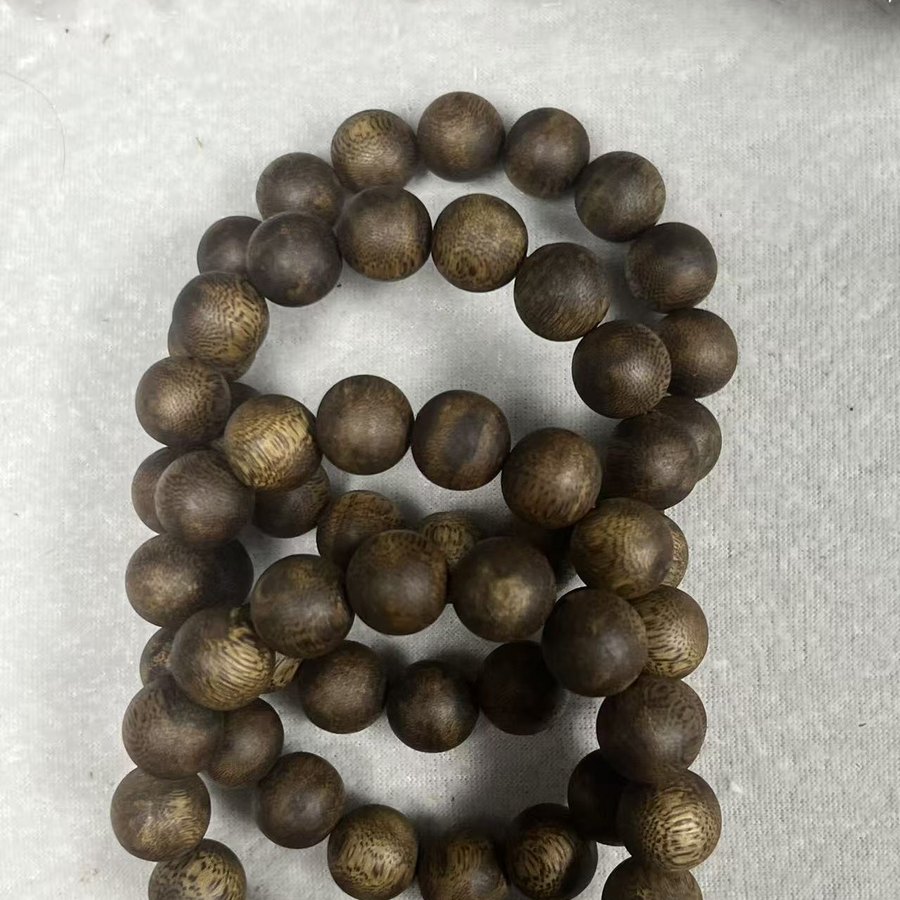
评论区
评论匿名可浏览,登录后可发表;提交后先审后显。
评论加载中…
Check related market data
Want the reference price for this category? Compare on the market page.
Go to market