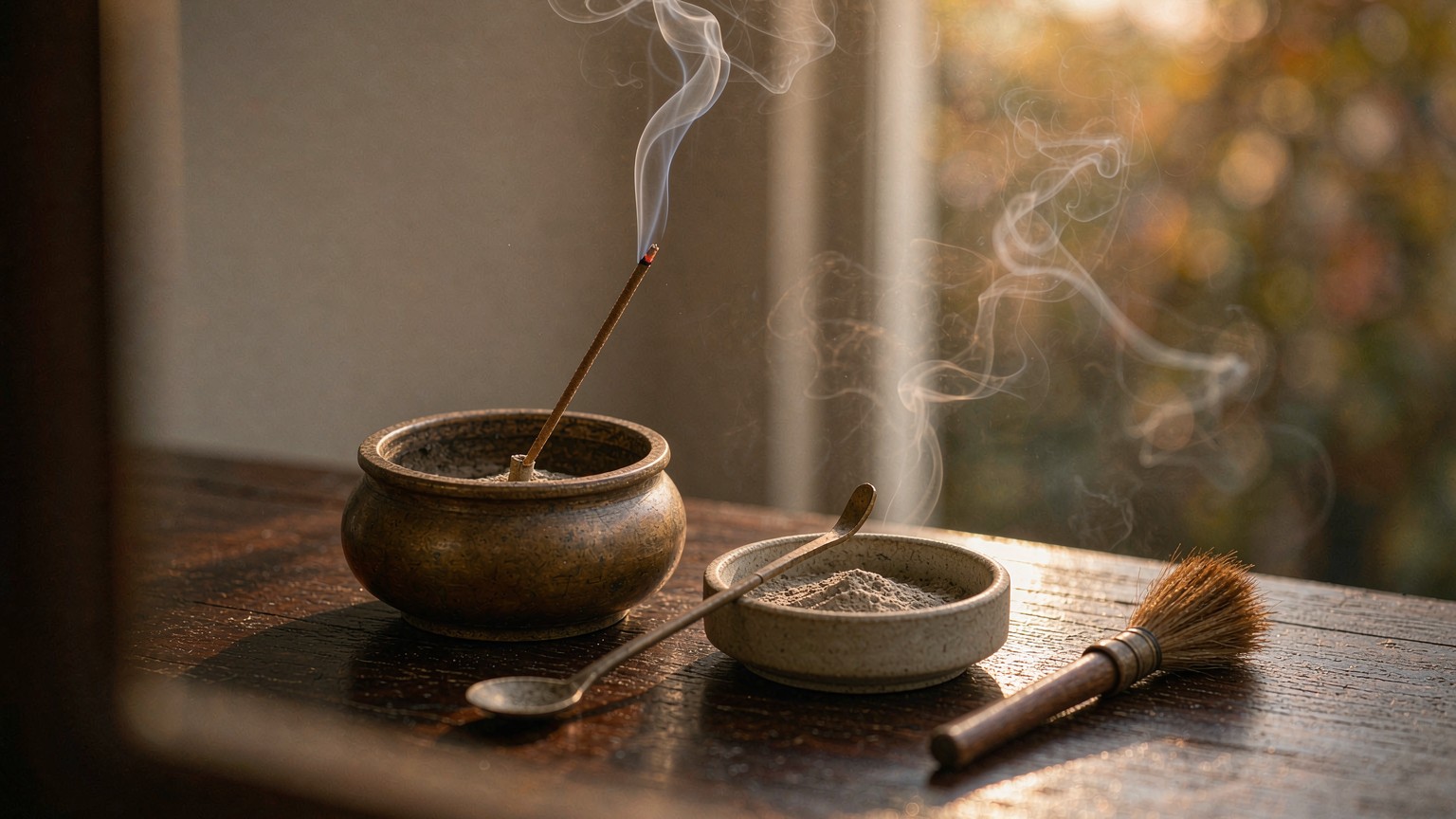
How to Store Incense Sticks Without Wasting Money: The Standard Sets Four Baselines, the Rest Is Up to You
Source:收稿桥投稿· 2026-11-10· 伍佰艺编辑部· 18 views
I. A Question Repeatedly Asked in the Industry
Once you've bought incense sticks, how should you store them so your money isn't wasted?
Many ask; few answer clearly. Most answers stop at "sealed, moisture-proof, light-proof"—all of which sound right but can't be acted on: What container? Where to put it? What counts as properly sealed?
II. What the Standard Actually Says
First, let's clarify the nature of the source. What follows is quoted from a standard interpretation article administered by the National Technical Committee for Wood Standardization and published by its secretariat, with the manuscript supplied by the standard's drafters. It is not the published standard text; the clauses in the official text prevail.
In the interpretation article for LY/T 3223—2020 Agarwood Quality Grading, the section on marking, transport and storage reads:
"Each item shall be marked individually, and the content shall include the product name, applicable standard, grade, manufacturer name and address, etc.
During transport and storage, care shall be taken to protect against moisture, rain and direct sunlight, and storage together with other odorous substances shall be avoided."
Count them and it's clear: the standard sets four baselines—moisture-proof, rain-proof, sun-proof, and no co-storage with other odorous materials.
III. The Four Baselines in Practice
Moisture-proof, rain-proof and sun-proof are really three directions of the same thing—water vapor, rainwater, direct sunlight. Avoiding these three is a precondition for any container solution, not a bonus.
Not storing with other odorous substances is the most commonly overlooked. In the same cabinet, mothballs, spices and cleaning products stored together—the incense itself absorbs odors; what changes is the incense, not the container.
IV. The Decision the Standard Leaves to the User
Reading the clauses, you'll notice something: the standard governs how packaging is marked and how storage is protected, but it does not prescribe what container you must use.
That is the layer left to the user. In the industry, common containers for incense sticks include glass tubes, metal tubes, PE tubes, paper tubes and wooden boxes. The differences come down to two dimensions.
The first dimension is the degree of sealing. Glass and metal have good closure—the aroma doesn't easily escape, and outside odors don't easily get in; the cost is that glass breaks when dropped and metal feels heavy in the hand. PE tubes are somewhat breathable; the advantages are light weight, shatter resistance and low unit cost. Paper and wood are more breathable and lower in cost, at the price of requiring more attention to the storage environment.
The second dimension is the direction of breathability. This is really two sides of the same coin as the first—you must first be clear whether you're guarding against aroma escaping or outside odors entering.
V. Why This Layer Is Left to the User
The clauses written into the standard govern the verifiable parts: name, applicable standard, grade, manufacturer and address. These are fixed at the factory and can be printed on the packaging.
Container choice belongs to the use phase. How the buyer uses it, what environment it's stored in, whether it's carried out—the standard can't govern that, and shouldn't.
For those who make incense, leaving the choice to the user is more practical than mandating a particular type of tube—after all, the incense in the reader's hands is their own portion.
VI. One More Layer Beyond the Standard
A final note: judging whether a tube of incense has been stored well requires more than looking at the container—you also need to see what state it was in when it came in, whether the seal was damaged, and whether it got damp after you received it. These belong to the distribution and warehousing phases, outside the standard's clauses, but they affect the outcome just the same.
One small thing worth mentioning separately: don't store different aroma profiles mixed in the same container long-term. The aromas will cross-contaminate, and after a while none of them will quite resemble themselves. Decanting sounds troublesome, but for anyone with more than one type on hand, it's more effective than changing containers.
What tube you put it in is only the last link in the whole chain.
Compiled from industry information; not trading or investment advice.
常见问题
How to Store Incense Sticks Without Wasting Money是什么?
Citing the transport and storage clauses of LY/T 3223—2020 Agarwood Quality Grading, this article extracts four baselines—moisture-proof, rain-proof, sun-proof, and no co-storage with odorous materials—and explains how the choice of container, left open by the standard, comes down to seal level and
沉香怎么选购?
选购沉香应认准可溯源、可检测的渠道,按用途选择形态(线香 / 手串 / 原料),不盲目追高、不轻信「野生」「沉水」等夸大宣传;优先选择带检测报告与来源凭证的商品。
沉香如何保养?
沉香怕潮、怕串味、怕暴晒,应密封、避光、阴凉存放,不同产区分开保存;长期不用的香材定期通风检查,防霉防虫。
如何鉴别沉香的真假?
鉴别沉香需综合感官与辅助手段:天然沉香香气清雅、持久、凉甜交织,燃烧烟气清白而非刺鼻;可结合 GC-MS 色谱检测特征成分(色酮、倍半萜)。建议通过可信渠道与可溯源凭证降低风险。
不同产区沉香有什么区别?
各产区因气候、树种与结香方式差异,香韵各具特色(如海南清雅、越南甜凉、印尼醇厚),是沉香分级与定价的重要参考维度。
沉香价格行情如何?
沉香行情随结香程度、产区、形态分化明显,顶级收藏与入门消费两端活跃;建议以合法、可检测渠道的实际成交为参考,勿轻信单一报价。
沉香与香道文化有什么关系?
沉香是东亚香道文化的核心媒介,从礼佛、文人雅集到当代生活美学,承载「静心、慢享」的东方审美,理解文化背景有助于读懂沉香价值。
沉香有健康功效吗?
传统上沉香被用于舒缓、助眠等场景,但证据等级与用量需谨慎看待;把「传统用法」与「科学证据」分开表述,具体以专业指导为准。
参考资料
Related reading
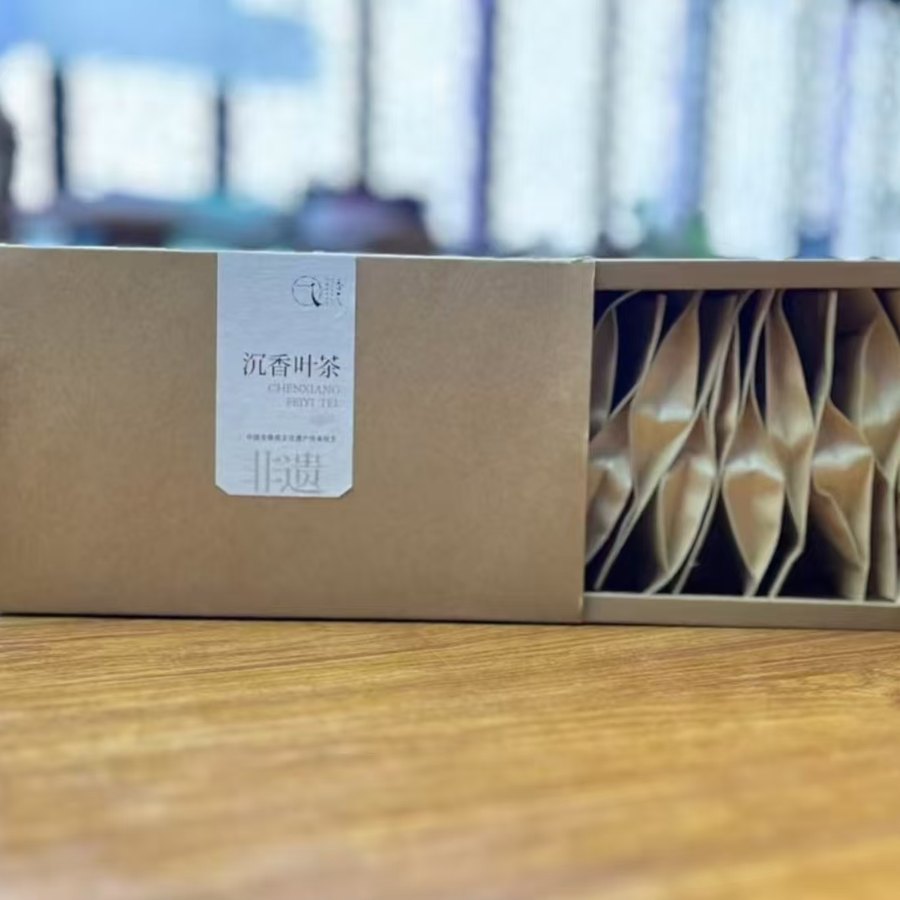
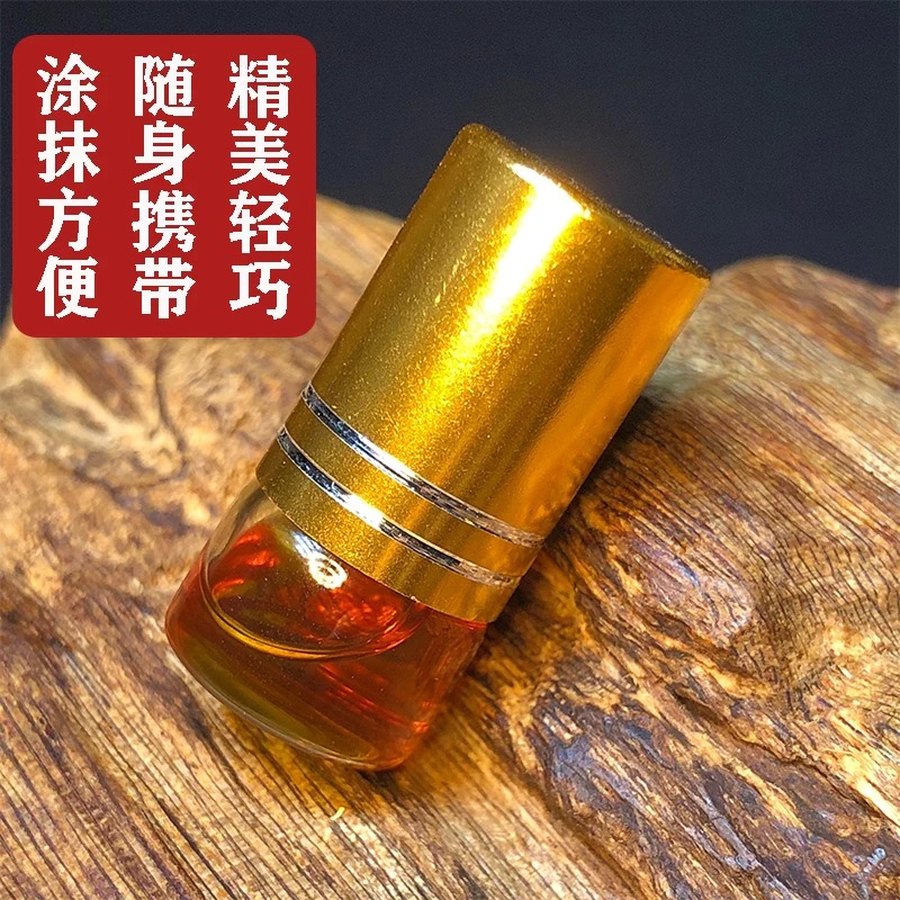
Related Agarwood Picks
While reading, you might also like these compliant cultivated-agarwood products.
Visit Mall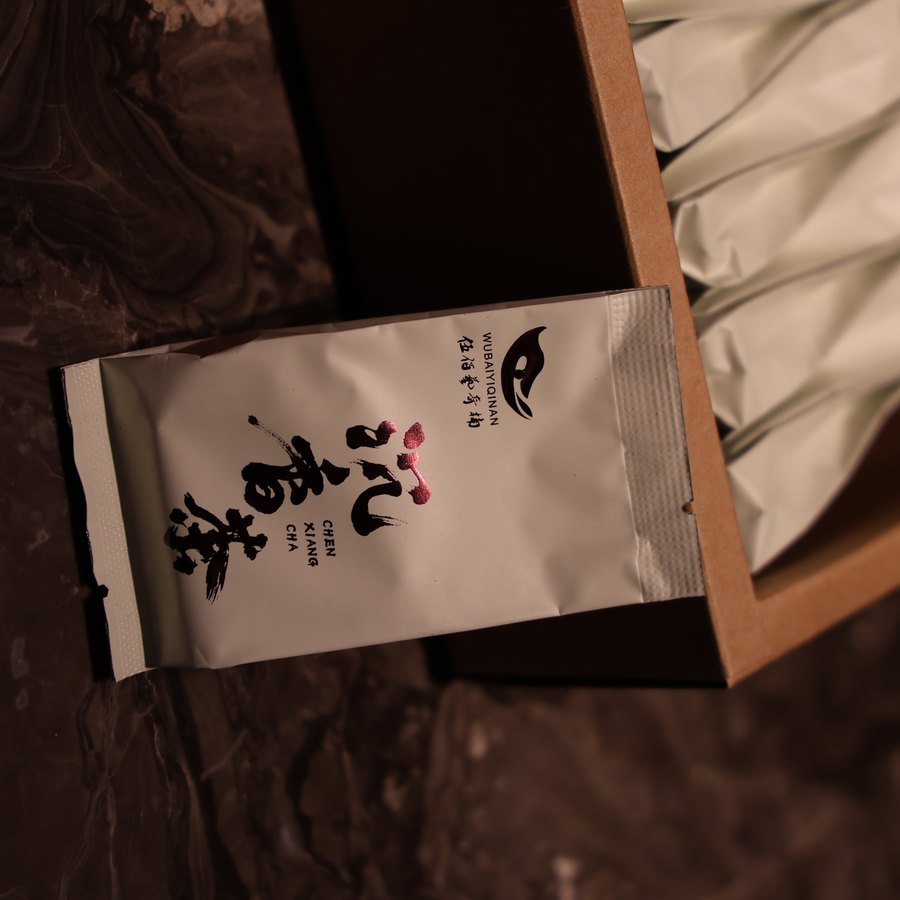
评论区
评论匿名可浏览,登录后可发表;提交后先审后显。
评论加载中…
Check related market data
Want the reference price for this category? Compare on the market page.
Go to market