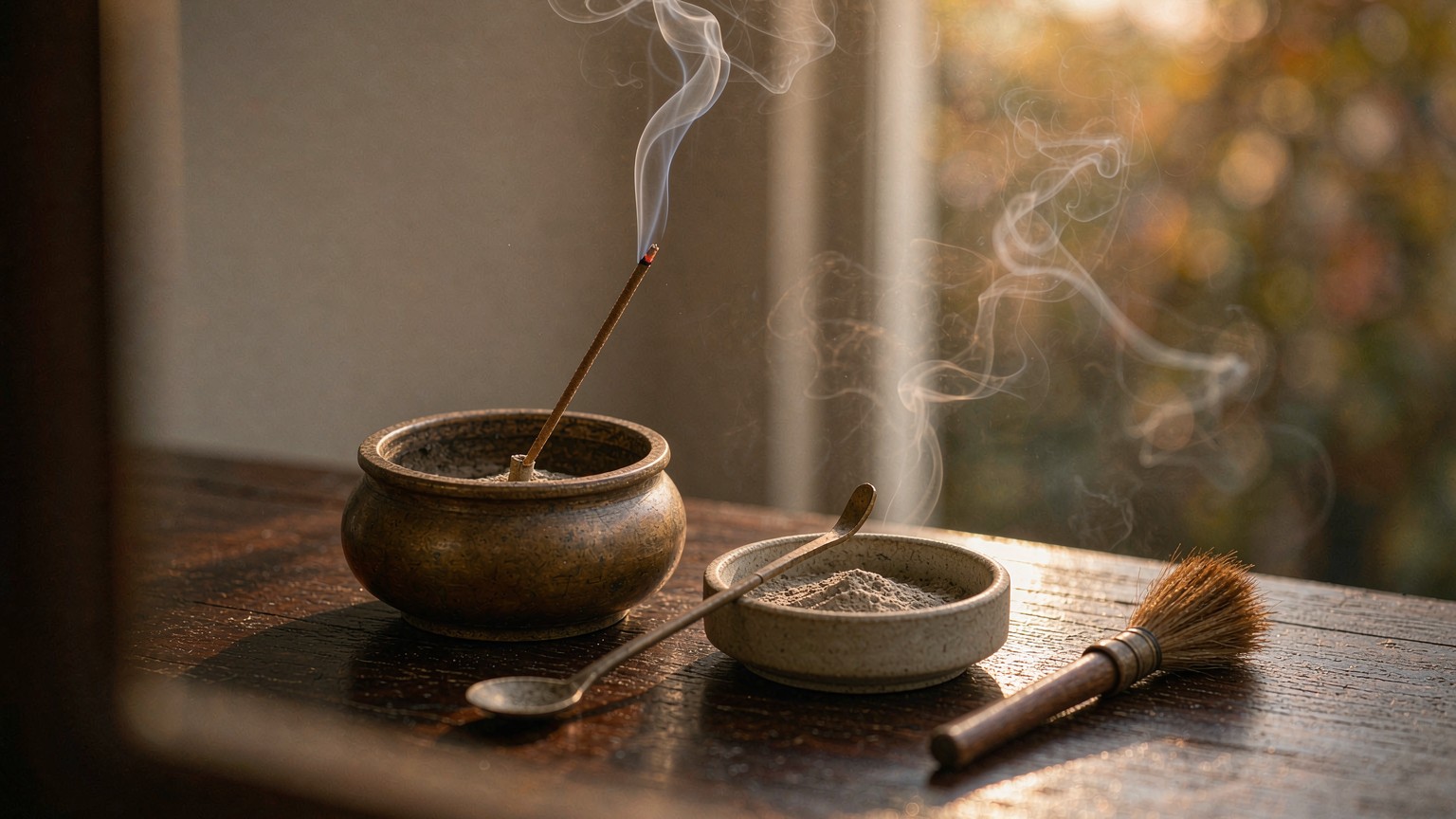
Song Dynasty Agarwood Craft: Why the Process Remains Undecided
Source:收稿桥投稿· 2026-11-08· 伍佰艺编辑部· 27 views
On the matter of making agarwood, the ancients left many records, yet the processes that can be matched up have long been disputed. The dispute lies not in the craft itself, but in whether the things several key terms point to are the same thing. Laying this out today is meant to give newcomers in the industry a reference: how a record should be read, and at what point one should stop.
Su Xun of the Northern Song wrote a seven-character regulated verse titled simply 'Agarwood.' The two lines recording the process read: 'Pound musk and sift sandalwood into the mold; moisten with rose dew and blend with jisu.' Eight characters can be broken into four steps: the materials must be pounded, sifted fine, and loaded into a mold; after loading, they must be moistened with dew and combined with fragrant herbs.
The material names are kept as in the ancient text: musk is musk deer secretion, sandalwood is sandalwood, rose dew is rosewater, and jisu is a fragrant herb. The name jisu has been interpreted differently by various scholars—some say water mint, some say clove, and there are other explanations. We will not decide on one here.
The next two lines describe the fire: 'A thread exhales fine blue smoke; half a stick burns down to the thickness of a jade chopstick.' The remaining stub after half a stick burns is as thick as a jade chopstick. This line also has another printing as 'jade chopstick thick,' both writings saying the same thing. Which is the original text, I do not judge.
The real controversy centers on the third section: does this count as incense sticks or not?
One school holds that this is incense sticks. Fan Zhen, in 'A Study of Incense Sticks,' proposes that the Northern Song 'Wujing Zongyao' already records the jijian (a piston syringe), and that the mold in the poem is the jijian. The other school disagrees. The expert on ancient objects Yang Zhishui, in 'New Evidence on Ancient Poetry and Objects,' says the production method described in this poem does not resemble the later use of the jijian, so what is written is not incense sticks.
There is also a reason on the timeline. The Song Dynasty was the peak era for aromatics, yet the two characters 'incense stick' do not appear in the literature; the term clearly appears in the Yuan Dynasty. By the Ming Dynasty, Li Shizhen's 'Compendium of Materia Medica,' in its entry on incense sticks, writes that they are pressed into incense sticks with a jijian, formed into strips like threads.
We cannot verify which of the three accounts is correct, so we merely lay them out without drawing a conclusion. One note on the search boundary mentioned earlier: 'the term incense stick does not appear in Song Dynasty literature' is the search conclusion of the cited article's author, not a conclusion we reached by going through Song Dynasty literature ourselves. This distinction is rarely written about in industry articles, but it should be.
So what use is this record to today's agarwood makers? I think what is useful is its method of description. For the four steps, it writes actions, not adjectives: pound, sift, load into mold, moisten and blend. Craft processes record actions; product descriptions in the industry record selling points. The two kinds of recording serve different audiences, and mixing them produces claims like 'ancient-method restoration' that no one can verify.
On the practical level, what is common in the industry now is the forming method: powder is pressed into strips through a mold, the strip body is firm, and when burned the smoke is fine and the ash line straight. Products formed by pressing are classified in the industry by forming method. This layer can be seen from a cross-section—compacted powder particles with uniform granules indicate press-forming, while visible fibers or obvious layering indicate another method. This is only for judging the forming method, not for judging authenticity or grade; these are two different matters.
Another thing industry articles should always have on hand is the bad habit of overclaiming. The history of incense-making is long and the crafts many; what is easiest to write are assertions that sound impressive but are backed by neither a lineage nor a test report. Once questioned, they do not hold up. The truly steady practice in the industry is to write clearly what can be verified and to note what cannot be verified as a citation.
One last point for content creators: when the same matter has two accounts, laying the two columns side by side withstands scrutiny better than picking one as definitive. What readers see is not authority, but the true state of this record—it has always been disputed.
To learn more practical content on incense-making and appreciation, feel free to browse past issues on our site.
Compiled from industry information; not trading or investment advice.
常见问题
Song Dynasty Agarwood Craft是什么?
The Song Dynasty agarwood-making process is still debated. This article breaks down the four steps recorded in Su Xun's poem 'Agarwood' and presents two readings—Fan Zhen's 'Study of Incense Sticks' and Yang Zhishui's 'New Evidence on Ancient Poetry and Objects'—adding the timeline that the term 'in
沉香怎么选购?
选购沉香应认准可溯源、可检测的渠道,按用途选择形态(线香 / 手串 / 原料),不盲目追高、不轻信「野生」「沉水」等夸大宣传;优先选择带检测报告与来源凭证的商品。
沉香如何保养?
沉香怕潮、怕串味、怕暴晒,应密封、避光、阴凉存放,不同产区分开保存;长期不用的香材定期通风检查,防霉防虫。
如何鉴别沉香的真假?
鉴别沉香需综合感官与辅助手段:天然沉香香气清雅、持久、凉甜交织,燃烧烟气清白而非刺鼻;可结合 GC-MS 色谱检测特征成分(色酮、倍半萜)。建议通过可信渠道与可溯源凭证降低风险。
不同产区沉香有什么区别?
各产区因气候、树种与结香方式差异,香韵各具特色(如海南清雅、越南甜凉、印尼醇厚),是沉香分级与定价的重要参考维度。
沉香价格行情如何?
沉香行情随结香程度、产区、形态分化明显,顶级收藏与入门消费两端活跃;建议以合法、可检测渠道的实际成交为参考,勿轻信单一报价。
沉香与香道文化有什么关系?
沉香是东亚香道文化的核心媒介,从礼佛、文人雅集到当代生活美学,承载「静心、慢享」的东方审美,理解文化背景有助于读懂沉香价值。
沉香有健康功效吗?
传统上沉香被用于舒缓、助眠等场景,但证据等级与用量需谨慎看待;把「传统用法」与「科学证据」分开表述,具体以专业指导为准。
参考资料
Related reading
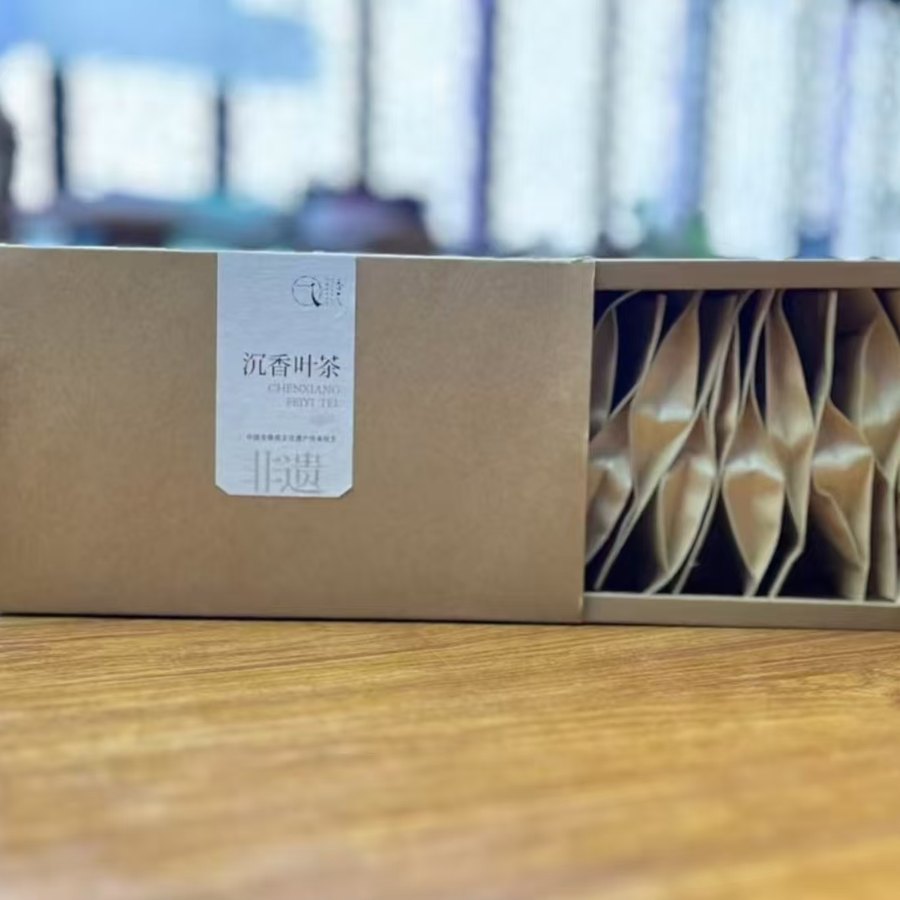
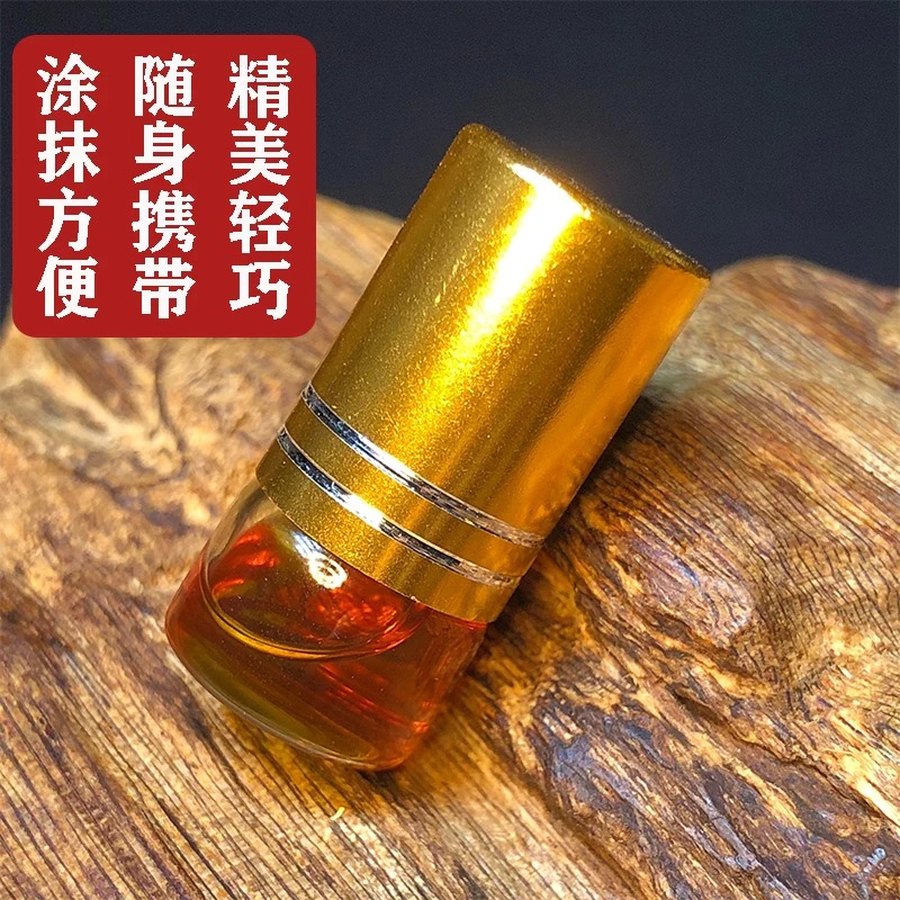
Related Agarwood Picks
While reading, you might also like these compliant cultivated-agarwood products.
Visit Mall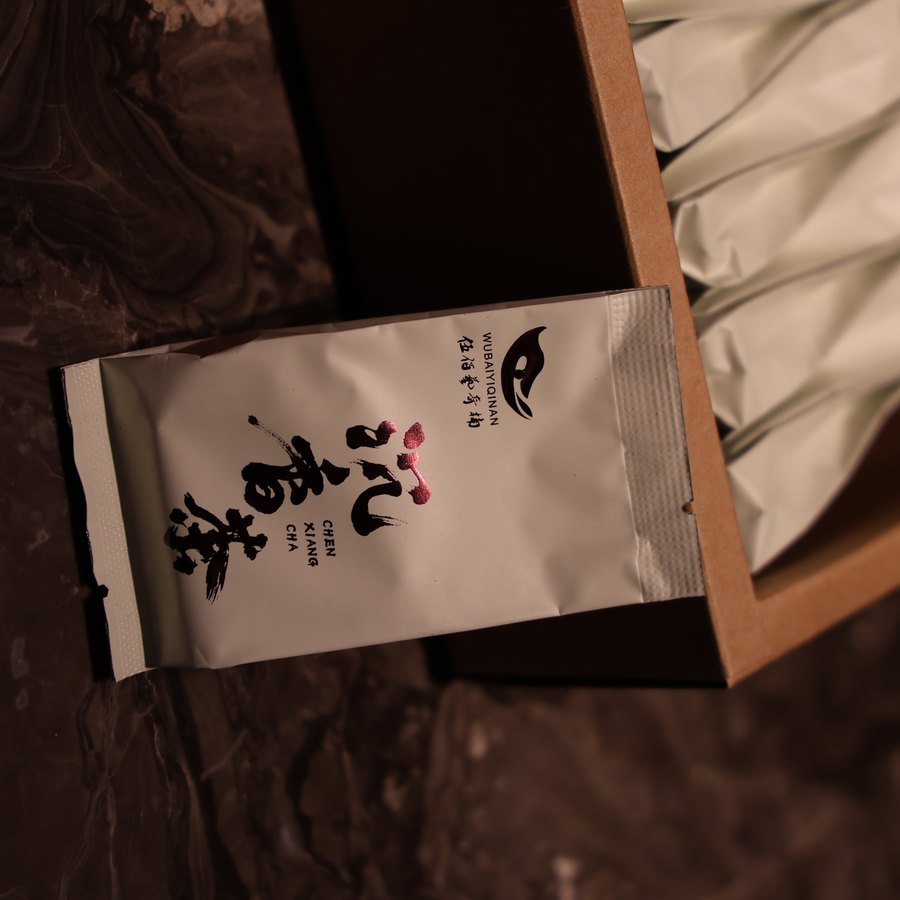
评论区
评论匿名可浏览,登录后可发表;提交后先审后显。
评论加载中…
Check related market data
Want the reference price for this category? Compare on the market page.
Go to market