
Agarwood Market Observation: New Changes in Supply and Circulation Across Major Producing Regions
· 2026-11-13· 伍佰艺沉香编辑· 7 views
Based on feedback from producing regions and circulation channels, the agarwood material supply side is showing trends of regional differentiation, quality stratification, and circulation transparency. Practitioners should focus on sustainable supply and standards development, while consumers should prioritize knowledge and rational choice.
Phenomenon: Supply Differentiation and Circulation Transparency in Parallel
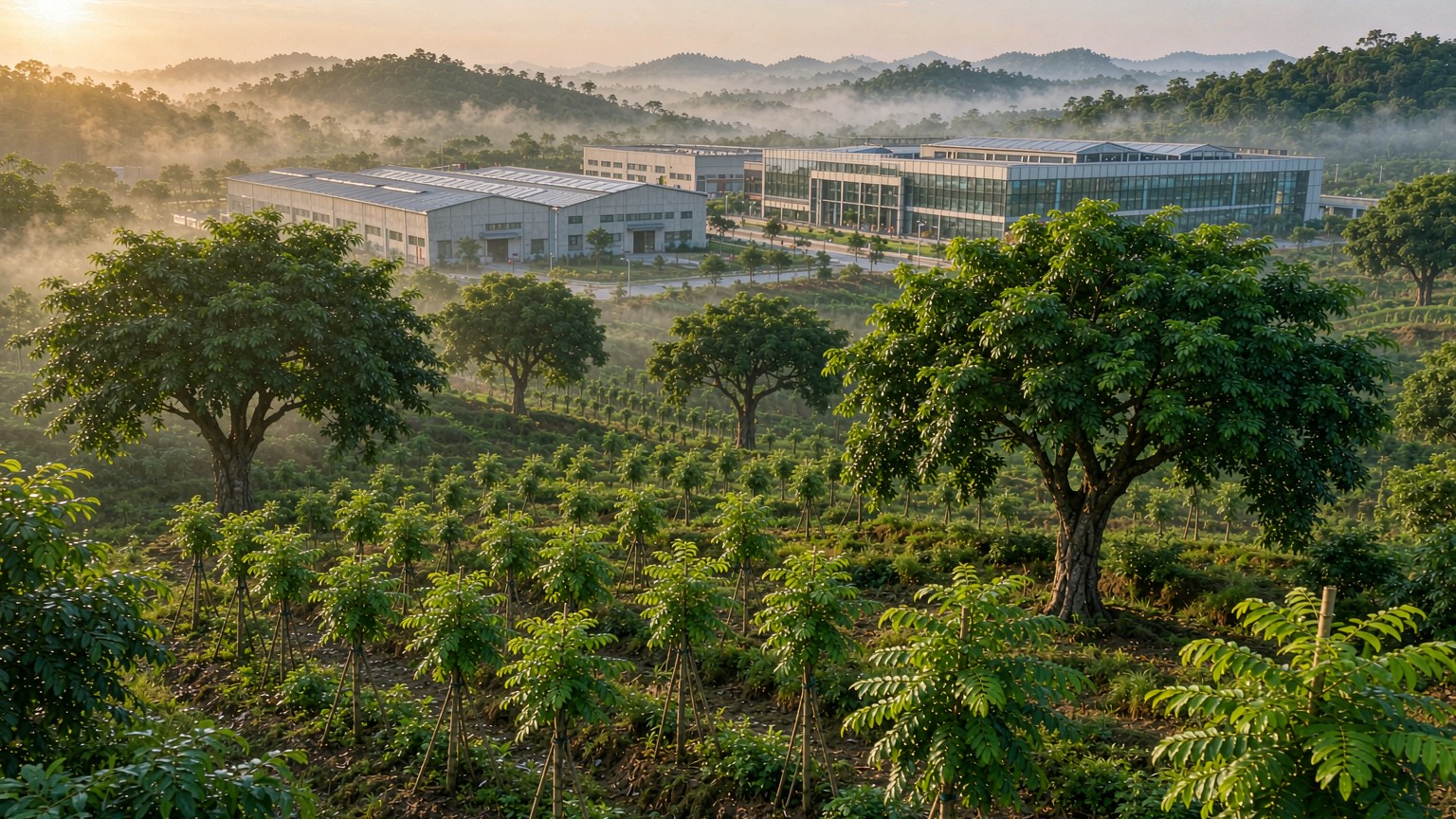
According to industry public information and feedback from producing regions, the agarwood material market has shown several noteworthy industry phenomena in recent years. First, the supply structure of major producing regions is differentiating: some traditional regions face tightening resource constraints and stricter harvesting management, leading to tighter raw material supply; while some emerging regions have increased supply through the promotion of planting and induction techniques, but with uneven quality. Second, circulation transparency is becoming more evident, with a growing number of transactions emphasizing origin traceability, quality grading, and testing reports, reflecting stronger industry demand for standardized information. In addition, rising consumer interest in agarwood culture has driven the use of agarwood materials from collection to daily enjoyment, while placing higher demands on practitioners' professional service capabilities. Overall, the agarwood material market is no longer driven solely by scarcity, but by the combined effects of supply quality, circulation efficiency, and cultural identity.
Cause Analysis: Resource Constraints, Technology Diffusion, and Lagging Standards
The changes in the agarwood material market are the result of multiple industry factors. On the supply side, wild agarwood resources have long been limited, and major producing regions have generally strengthened harvesting and trade management, reducing supply elasticity; while the diffusion of artificial planting and induction techniques has supplemented supply to some extent, the quality of induced agarwood is greatly affected by tree species, environment, and process, making it difficult to fully replace the scarcity value of wild agarwood in the short term. On the circulation side, traditional trading chains are long with prominent information asymmetry. With the spread of testing technologies and traceability methods, the market's demand for standardized grading is increasingly urgent, but industry standards development still lags, with inconsistent grading criteria across regions increasing transaction costs. On the cultural side, agarwood consumption is expanding from a few collectors to a broader audience, promoting daily application of agarwood materials, but also bringing uneven quality awareness. In summary, supply constraints, technology diffusion, and standards gaps jointly shape the current market rhythm. For more systematic knowledge on agarwood classification and regional characteristics, please refer to the site's Agarwood Knowledge Encyclopedia.
Implications for Practitioners and Consumers
For practitioners, market differentiation means greater attention to supply chain sustainability and quality control. On the one hand, they should monitor resource management policies and planting technology progress in producing regions to establish stable raw material channels; on the other hand, they should actively participate in the development of industry standards and grading systems, enhance circulation transparency, and win market trust through professional services. For consumers, facing a market with supply differentiation and complex information, it is advisable to first build a systematic knowledge framework of agarwood, understand the basic logic of producing regions, induction methods, and quality grading, and then make rational choices based on their own needs. Whether for collection or daily use, attention should be paid to source reliability and information completeness, avoiding blind trends. At the industry level, promoting mutual recognition of standards and knowledge popularization is key to the healthy development of the agarwood material market. This article is an industry observation and does not constitute trading or investment advice.
(This is industry observation and popular-science summary, not investment advice. Buy agarwood through legal channels with traceable, testable sources.)
Compiled from industry information; not trading or investment advice.
常见问题
Agarwood Market Observation是什么?
Based on feedback from producing regions and circulation channels, the agarwood material supply side is showing trends of regional differentiation, quality stratification, and circulation transparency. Practitioners should focus on sustainable supply and standards development, while consumers should prioritize knowledge and rational choice.
沉香怎么选购?
选购沉香应认准可溯源、可检测的渠道,按用途选择形态(线香 / 手串 / 原料),不盲目追高、不轻信「野生」「沉水」等夸大宣传;优先选择带检测报告与来源凭证的商品。
沉香如何保养?
沉香怕潮、怕串味、怕暴晒,应密封、避光、阴凉存放,不同产区分开保存;长期不用的香材定期通风检查,防霉防虫。
如何鉴别沉香的真假?
鉴别沉香需综合感官与辅助手段:天然沉香香气清雅、持久、凉甜交织,燃烧烟气清白而非刺鼻;可结合 GC-MS 色谱检测特征成分(色酮、倍半萜)。建议通过可信渠道与可溯源凭证降低风险。
不同产区沉香有什么区别?
各产区因气候、树种与结香方式差异,香韵各具特色(如海南清雅、越南甜凉、印尼醇厚),是沉香分级与定价的重要参考维度。
沉香价格行情如何?
沉香行情随结香程度、产区、形态分化明显,顶级收藏与入门消费两端活跃;建议以合法、可检测渠道的实际成交为参考,勿轻信单一报价。
沉香与香道文化有什么关系?
沉香是东亚香道文化的核心媒介,从礼佛、文人雅集到当代生活美学,承载「静心、慢享」的东方审美,理解文化背景有助于读懂沉香价值。
沉香有健康功效吗?
传统上沉香被用于舒缓、助眠等场景,但证据等级与用量需谨慎看待;把「传统用法」与「科学证据」分开表述,具体以专业指导为准。
参考资料
Related reading


Related Agarwood Picks
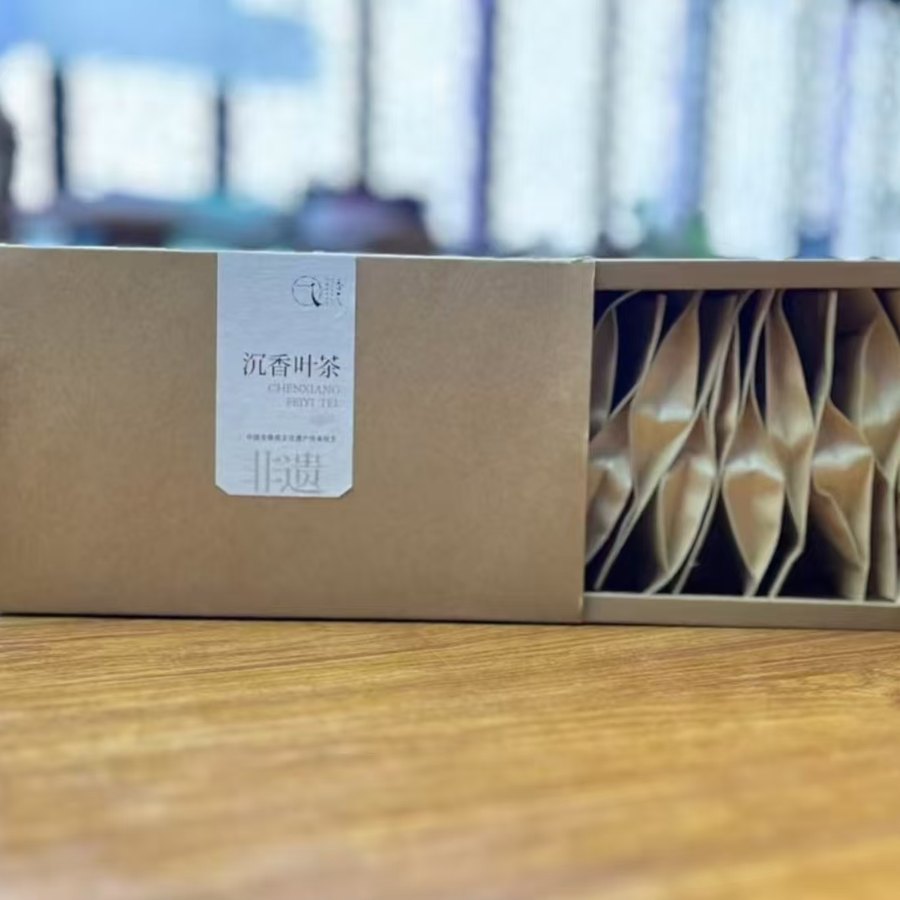
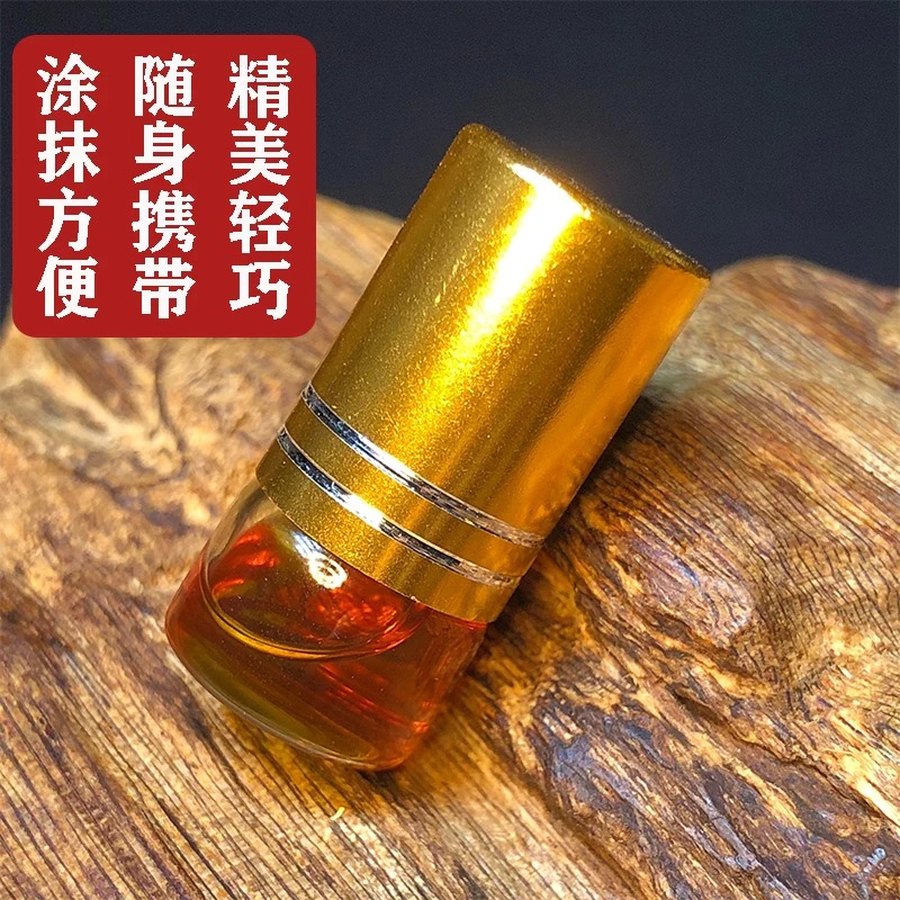
While reading, you might also like these compliant cultivated-agarwood products.
Visit Mall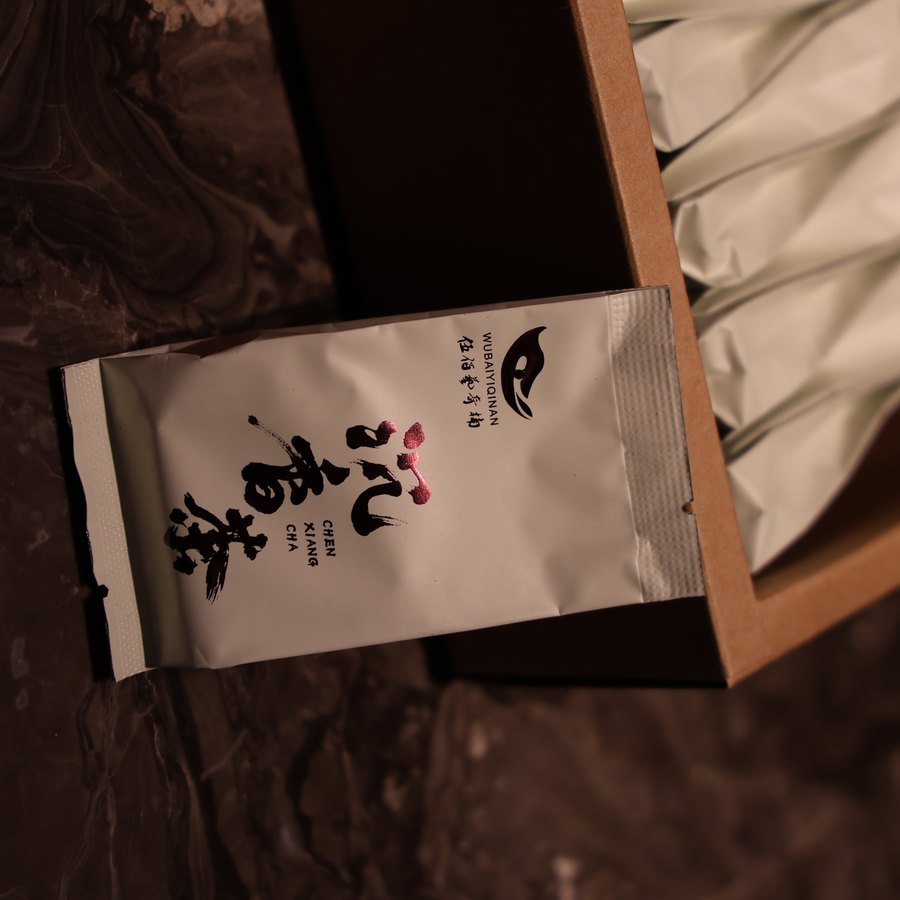
评论区
评论匿名可浏览,登录后可发表;提交后先审后显。
评论加载中…
Check related market data
Want the reference price for this category? Compare on the market page.
Go to market