
Agarwood Cultural Tourism Observation: Experience Economy and Branding Paths in Producing Regions
· 2026-11-11· 伍佰艺沉香编辑· 6 views
Agarwood producing regions are transitioning from raw material suppliers to cultural tourism destinations, with the experience economy becoming a key branding path, but homogenization and over-commercialization need to be guarded against.
Phenomenon: Producing Regions Move from Plantations to Experience Venues
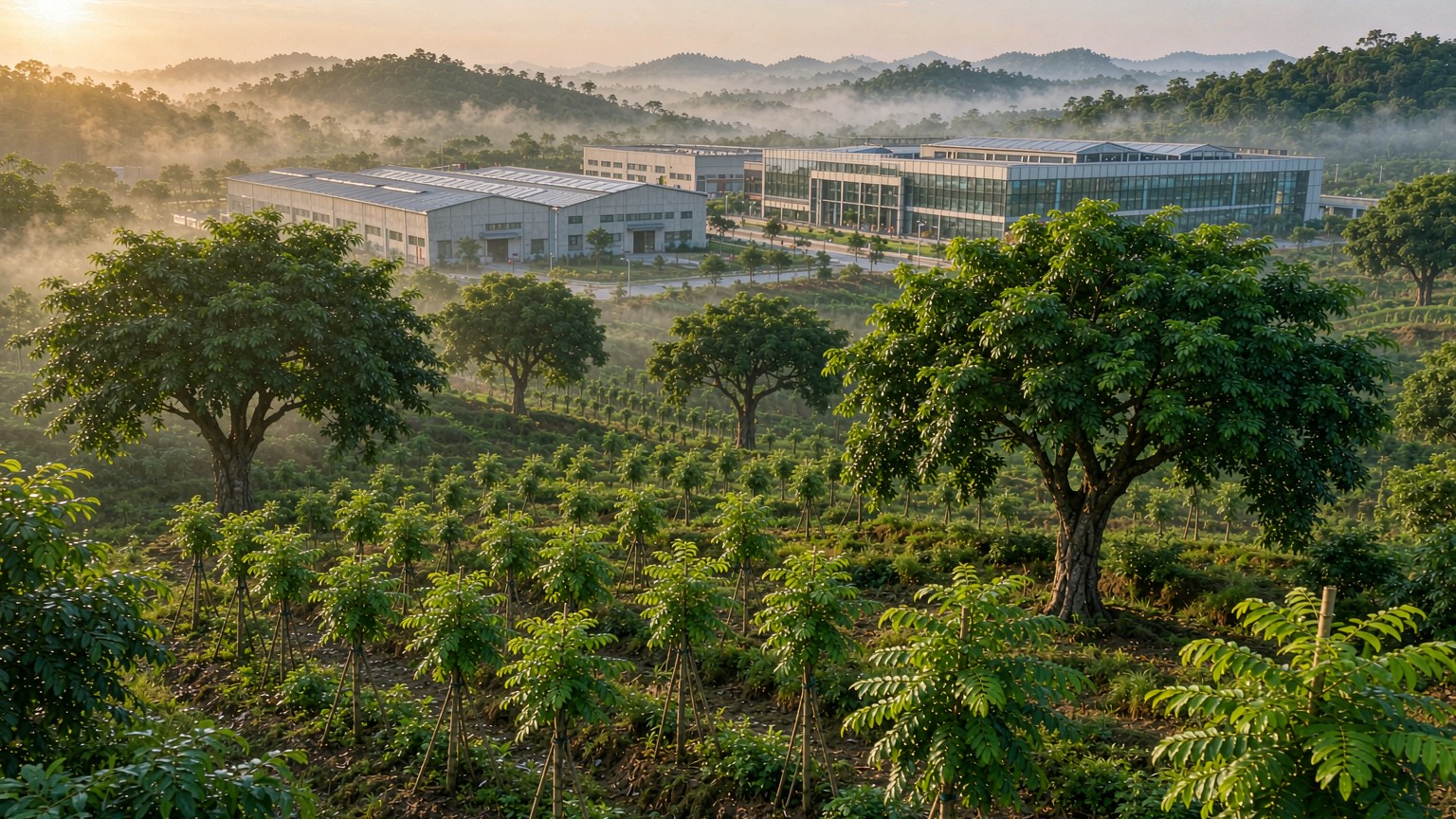
In recent years, agarwood producing regions have gradually shown a trend of extending from single raw material cultivation to cultural tourism experiences. According to publicly available industry information, several traditional producing regions have begun combining agarwood plantations, processing workshops, and cultural exhibition spaces to offer visitors tours, tasting sessions, and hands-on experiences. Feedback from producing regions suggests that such experience projects are no longer limited to simple sightseeing but attempt to convey the cultural value and regional terroir of agarwood through scenario-based storytelling. Meanwhile, some brands have started to incorporate cultural tourism experiences as part of brand building, strengthening consumer awareness through origin traceability and craft demonstrations. This phenomenon indicates that the agarwood industry is exploring a shift from an agricultural product logic to an experience economy logic.
Cause Analysis: Supply and Demand Together with Branding Needs
The rise of the experience economy in producing regions is the result of both supply and demand structures and the industry's stage of development. On the supply side, as agarwood cultivation areas expand and raw material supply stabilizes, producing regions need to find new paths for value enhancement, and cultural tourism experiences provide added value space for regional resources. On the demand side, consumers' interest in agarwood extends from the product itself to its cultural background and origin stories, and experiential consumption has become an effective way to connect brands with users. In addition, the gradual improvement of industry standards and certification systems provides a foundation for regional branding. It is worth noting that agarwood culture, as an important part of traditional incense culture, requires balancing cultural respect with commercial sustainability in its experiential expression, avoiding excessive entertainment that dilutes the category's value. For more background on agarwood classification and regional characteristics, please refer to the knowledge page Agarwood Encyclopedia.
Implications for Practitioners and Consumers
For practitioners, cultural tourism experience is an entry point for branding, not the end goal. Regional experience projects should be built around genuine local resources and craft heritage, avoiding homogenized replication; at the same time, a traceable quality system should be established so that experience traffic can be converted into long-term brand trust. For consumers, regional cultural tourism provides an intuitive opportunity to learn about agarwood, but sensory perception during the experience still needs to be combined with professional knowledge, and marketing information in experience scenarios should be viewed rationally. At the industry level, the healthy development of the regional experience economy depends on the coordinated advancement of cultural narrative, standard construction, and business models. This article is an industry observation and does not constitute trading or investment advice.
(This is industry observation and popular-science summary, not investment advice. Buy agarwood through legal channels with traceable, testable sources.)
Compiled from industry information; not trading or investment advice.
常见问题
Agarwood Cultural Tourism Observation是什么?
Agarwood producing regions are transitioning from raw material suppliers to cultural tourism destinations, with the experience economy becoming a key branding path, but homogenization and over-commercialization need to be guarded against.
沉香怎么选购?
选购沉香应认准可溯源、可检测的渠道,按用途选择形态(线香 / 手串 / 原料),不盲目追高、不轻信「野生」「沉水」等夸大宣传;优先选择带检测报告与来源凭证的商品。
沉香如何保养?
沉香怕潮、怕串味、怕暴晒,应密封、避光、阴凉存放,不同产区分开保存;长期不用的香材定期通风检查,防霉防虫。
如何鉴别沉香的真假?
鉴别沉香需综合感官与辅助手段:天然沉香香气清雅、持久、凉甜交织,燃烧烟气清白而非刺鼻;可结合 GC-MS 色谱检测特征成分(色酮、倍半萜)。建议通过可信渠道与可溯源凭证降低风险。
不同产区沉香有什么区别?
各产区因气候、树种与结香方式差异,香韵各具特色(如海南清雅、越南甜凉、印尼醇厚),是沉香分级与定价的重要参考维度。
沉香价格行情如何?
沉香行情随结香程度、产区、形态分化明显,顶级收藏与入门消费两端活跃;建议以合法、可检测渠道的实际成交为参考,勿轻信单一报价。
沉香与香道文化有什么关系?
沉香是东亚香道文化的核心媒介,从礼佛、文人雅集到当代生活美学,承载「静心、慢享」的东方审美,理解文化背景有助于读懂沉香价值。
沉香有健康功效吗?
传统上沉香被用于舒缓、助眠等场景,但证据等级与用量需谨慎看待;把「传统用法」与「科学证据」分开表述,具体以专业指导为准。
参考资料
Related reading


Related Agarwood Picks
While reading, you might also like these compliant cultivated-agarwood products.
Visit Mall
评论区
评论匿名可浏览,登录后可发表;提交后先审后显。
评论加载中…
Check related market data
Want the reference price for this category? Compare on the market page.
Go to market