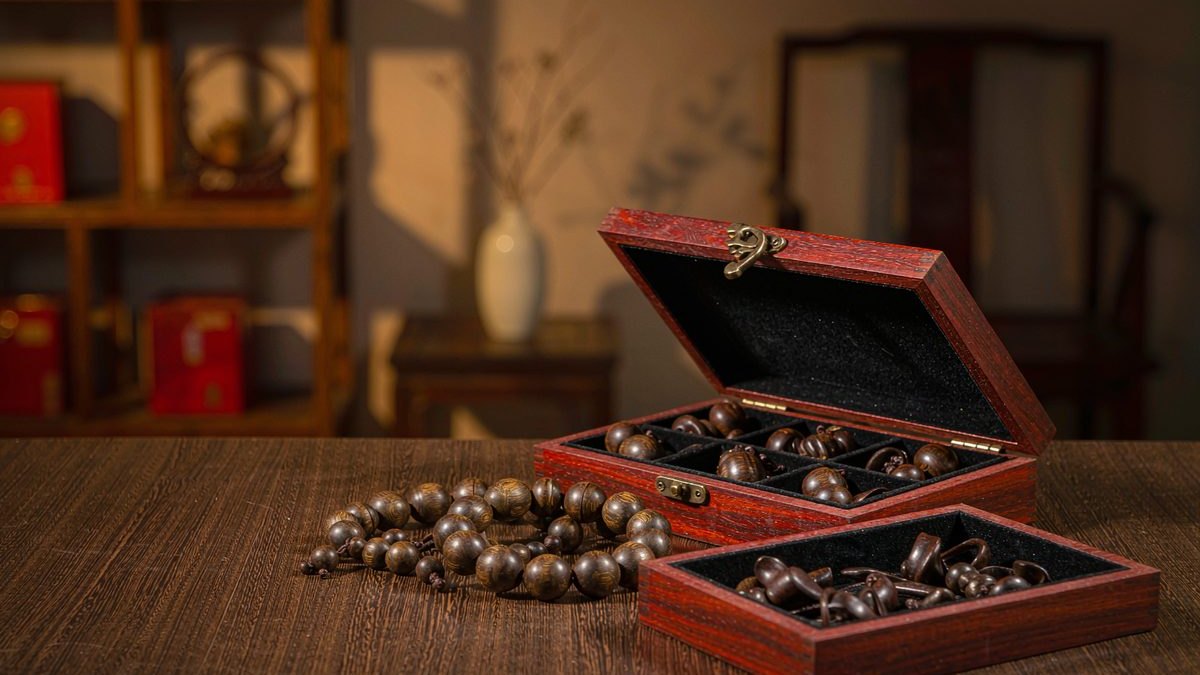
Agarwood Going Global: Shifting Demand for Chinese Agarwood in the Middle East and Southeast Asia
· 2026-11-06· 伍佰艺沉香编辑· 6 views
Feedback from production areas and trade channels indicates that demand for Chinese agarwood in the Middle East and Southeast Asia is moving from raw-material preference toward comprehensive requirements for grading, traceability, and stable supply, shifting the focus of outbound competition.
Phenomenon: Demand Shifts from 'Buying Raw Material' to 'Buying Standards'
Based on feedback from production areas and public information from trade channels, the focus of buyers in the Middle East and Southeast Asia regarding Chinese agarwood is changing. The Middle East market has long favored agarwood products with rich aroma and long-lasting scent for incense and gifting; the Southeast Asian market, with its local agarwood resources and processing traditions, mainly shows supplementary purchasing and demand for specific categories of Chinese agarwood. Recently, buyers in both regions have noticeably increased requirements for grading descriptions, origin information, and batch consistency during inquiries and inspections, while the proportion of transactions purely based on 'raw material bulk goods' is declining. According to public industry information, this change is not sudden but has gradually emerged alongside the standardization of cross-border agarwood trade and rising consumer awareness.
Cause Analysis: The Triple Role of Resources, Rules, and Cultural Perception
First, resource constraints. Agarwood formation takes a long cycle and quality raw material is scarce. With wild resources limited in Chinese production areas, artificial induction and standardized cultivation are gradually advancing, changing the supply structure and making buyers more attentive to predictable quality grading. Second, regulatory drivers. Several consumer markets have imposed more detailed requirements on the legal origin, quarantine, and labeling of wood products, requiring more complete traceability materials in trade and forcing exporters to shift from 'selling goods' to 'selling credentials.' Third, changes in cultural perception. Middle Eastern incense culture emphasizes aroma complexity and user experience, while the Southeast Asian market is more sensitive to the authenticity and origin identification of agarwood. Consumers in both regions are accumulating knowledge through social media and offline incense gatherings, showing less trust in 'storytelling' marketing and valuing verifiable information. For related background, see the explanations on grading and origin in the site's Agarwood Knowledge Encyclopedia.
Implications for Practitioners and Consumers: Trading Transparency for Trust
For practitioners, the focus of going global is shifting from finding buyers to establishing a reusable quality language: unifying grading criteria, improving batch records, and providing clear origin and process information in packaging and descriptions are more effective for long-term orders than simply lowering prices. At the same time, attention must be paid to target markets' compliance requirements for wood products to avoid customs clearance or return risks due to missing information. For consumers, demand changes in the Middle East and Southeast Asia will indirectly affect the category structure and price bands of domestic agarwood products. When purchasing, refer to the identification and grading knowledge in the Agarwood Encyclopedia and take a rational view of marketing phrases such as 'export-to-domestic sales.' Overall, competition in agarwood going global is shifting from resource competition to competition over rules and trust, a trend worthy of continuous industry observation.
This article is an industry observation and does not constitute trading or investment advice.
(This is industry observation and popular-science summary, not investment advice. Buy agarwood through legal channels with traceable, testable sources.)
Compiled from industry information; not trading or investment advice.
常见问题
Agarwood Going Global是什么?
Feedback from production areas and trade channels indicates that demand for Chinese agarwood in the Middle East and Southeast Asia is moving from raw-material preference toward comprehensive requirements for grading, traceability, and stable supply, shifting the focus of outbound competition.
沉香怎么选购?
选购沉香应认准可溯源、可检测的渠道,按用途选择形态(线香 / 手串 / 原料),不盲目追高、不轻信「野生」「沉水」等夸大宣传;优先选择带检测报告与来源凭证的商品。
沉香如何保养?
沉香怕潮、怕串味、怕暴晒,应密封、避光、阴凉存放,不同产区分开保存;长期不用的香材定期通风检查,防霉防虫。
如何鉴别沉香的真假?
鉴别沉香需综合感官与辅助手段:天然沉香香气清雅、持久、凉甜交织,燃烧烟气清白而非刺鼻;可结合 GC-MS 色谱检测特征成分(色酮、倍半萜)。建议通过可信渠道与可溯源凭证降低风险。
不同产区沉香有什么区别?
各产区因气候、树种与结香方式差异,香韵各具特色(如海南清雅、越南甜凉、印尼醇厚),是沉香分级与定价的重要参考维度。
沉香价格行情如何?
沉香行情随结香程度、产区、形态分化明显,顶级收藏与入门消费两端活跃;建议以合法、可检测渠道的实际成交为参考,勿轻信单一报价。
沉香与香道文化有什么关系?
沉香是东亚香道文化的核心媒介,从礼佛、文人雅集到当代生活美学,承载「静心、慢享」的东方审美,理解文化背景有助于读懂沉香价值。
沉香有健康功效吗?
传统上沉香被用于舒缓、助眠等场景,但证据等级与用量需谨慎看待;把「传统用法」与「科学证据」分开表述,具体以专业指导为准。
参考资料
Related reading


Related Agarwood Picks
While reading, you might also like these compliant cultivated-agarwood products.
Visit Mall
评论区
评论匿名可浏览,登录后可发表;提交后先审后显。
评论加载中…
Check related market data
Want the reference price for this category? Compare on the market page.
Go to market