
Agarwood Consumer Observation: Rebuilding Trust Between Livestreaming and Offline Channels
· 2026-11-06· 伍佰艺沉香编辑· 7 views
The agarwood consumer market is undergoing a trust-rebuilding process from online livestreaming to offline experience, with industry rules, supply-demand relations, and consumer cognition gradually moving toward transparency and standardization.
Phenomenon: Coexistence of Online Frenzy and Offline Revival
In recent years, agarwood consumption channels have shown a clear trend of differentiation and integration. On the one hand, livestreaming has become the first entry point for many new consumers due to its real-time interaction and price advantages; on the other hand, offline tasting spaces and incense culture experience centers have regained attention, as consumers are willing to pay a premium for "seeable and smellable" experiences. According to public industry information, the scale of online agarwood transactions continues to expand, but return rates and customer complaint rates are also relatively high, reflecting the difficulty of building trust in remote transactions. Feedback from production areas shows that raw material suppliers perceive channel changes more directly: some primary processed products flow more to livestream supply chains, while high-end raw materials still rely on long-term offline partnerships. This channel stratification is reshaping the pricing logic and consumer cognition of agarwood.
Cause Analysis: Trust Game Under Information Asymmetry and Standard Absence
As a non-standardized commodity highly dependent on sensory experience, agarwood quality judgment involves multiple dimensions such as origin, formation method, age, and oil content, which ordinary consumers find hard to master in a short time. The camera language and sales talk in livestreams tend to magnify a single selling point while ignoring the complexity of overall quality, leading to a cognitive gap of "what you see is not what you get." Although offline experience can compensate for the lack of sensory verification, it is limited by geographical coverage and cost, making it hard to scale. A deeper reason lies in the imperfect industry standard system: there is no unified consensus on agarwood classification, grading, and testing methods within the industry, and different channels cite standards favorable to themselves, further exacerbating consumer confusion. From a cultural dynamic perspective, agarwood consumption is expanding from "investment and collection" to "daily incense use." New entrants lack professional knowledge and rely more on channel trust, prompting practitioners to rethink how trust is built.
Implications for Practitioners and Consumers: Transparency and Education First
For practitioners, the key to rebuilding trust lies in proactive transparency. Whether online livestreaming or offline experience, product information should be presented as completely as possible, including raw material source, processing technology, quality characteristics, and possible flaws, avoiding over-promising. Meanwhile, the industry can promote self-disciplinary description norms internally to reduce vague expressions and misleading comparisons. For consumers, building basic agarwood knowledge is the first step in self-protection. They can refer to the Agarwood Knowledge Encyclopedia on our site to systematically understand production areas, formation, and identification points, and then compare with samples from offline experiences or trusted channels. In addition, consumers should be wary of "story marketing" and "scarcity rhetoric," and rationally view the relationship between price and quality. At the industry level, third-party testing, origin traceability, and consumer education will be important supports for the future trust system, and the integration of online and offline channels will also promote more symmetric information. In the long run, only when practitioners and consumers jointly promote transparency can the agarwood market escape the dilemma of "bad money driving out good" and achieve sustainable development.
This article is an industry observation and does not constitute trading or investment advice.
(This is industry observation and popular-science summary, not investment advice. Buy agarwood through legal channels with traceable, testable sources.)
Compiled from industry information; not trading or investment advice.
常见问题
Agarwood Consumer Observation是什么?
The agarwood consumer market is undergoing a trust-rebuilding process from online livestreaming to offline experience, with industry rules, supply-demand relations, and consumer cognition gradually moving toward transparency and standardization.
沉香怎么选购?
选购沉香应认准可溯源、可检测的渠道,按用途选择形态(线香 / 手串 / 原料),不盲目追高、不轻信「野生」「沉水」等夸大宣传;优先选择带检测报告与来源凭证的商品。
沉香如何保养?
沉香怕潮、怕串味、怕暴晒,应密封、避光、阴凉存放,不同产区分开保存;长期不用的香材定期通风检查,防霉防虫。
如何鉴别沉香的真假?
鉴别沉香需综合感官与辅助手段:天然沉香香气清雅、持久、凉甜交织,燃烧烟气清白而非刺鼻;可结合 GC-MS 色谱检测特征成分(色酮、倍半萜)。建议通过可信渠道与可溯源凭证降低风险。
不同产区沉香有什么区别?
各产区因气候、树种与结香方式差异,香韵各具特色(如海南清雅、越南甜凉、印尼醇厚),是沉香分级与定价的重要参考维度。
沉香价格行情如何?
沉香行情随结香程度、产区、形态分化明显,顶级收藏与入门消费两端活跃;建议以合法、可检测渠道的实际成交为参考,勿轻信单一报价。
沉香与香道文化有什么关系?
沉香是东亚香道文化的核心媒介,从礼佛、文人雅集到当代生活美学,承载「静心、慢享」的东方审美,理解文化背景有助于读懂沉香价值。
沉香有健康功效吗?
传统上沉香被用于舒缓、助眠等场景,但证据等级与用量需谨慎看待;把「传统用法」与「科学证据」分开表述,具体以专业指导为准。
参考资料
Related reading
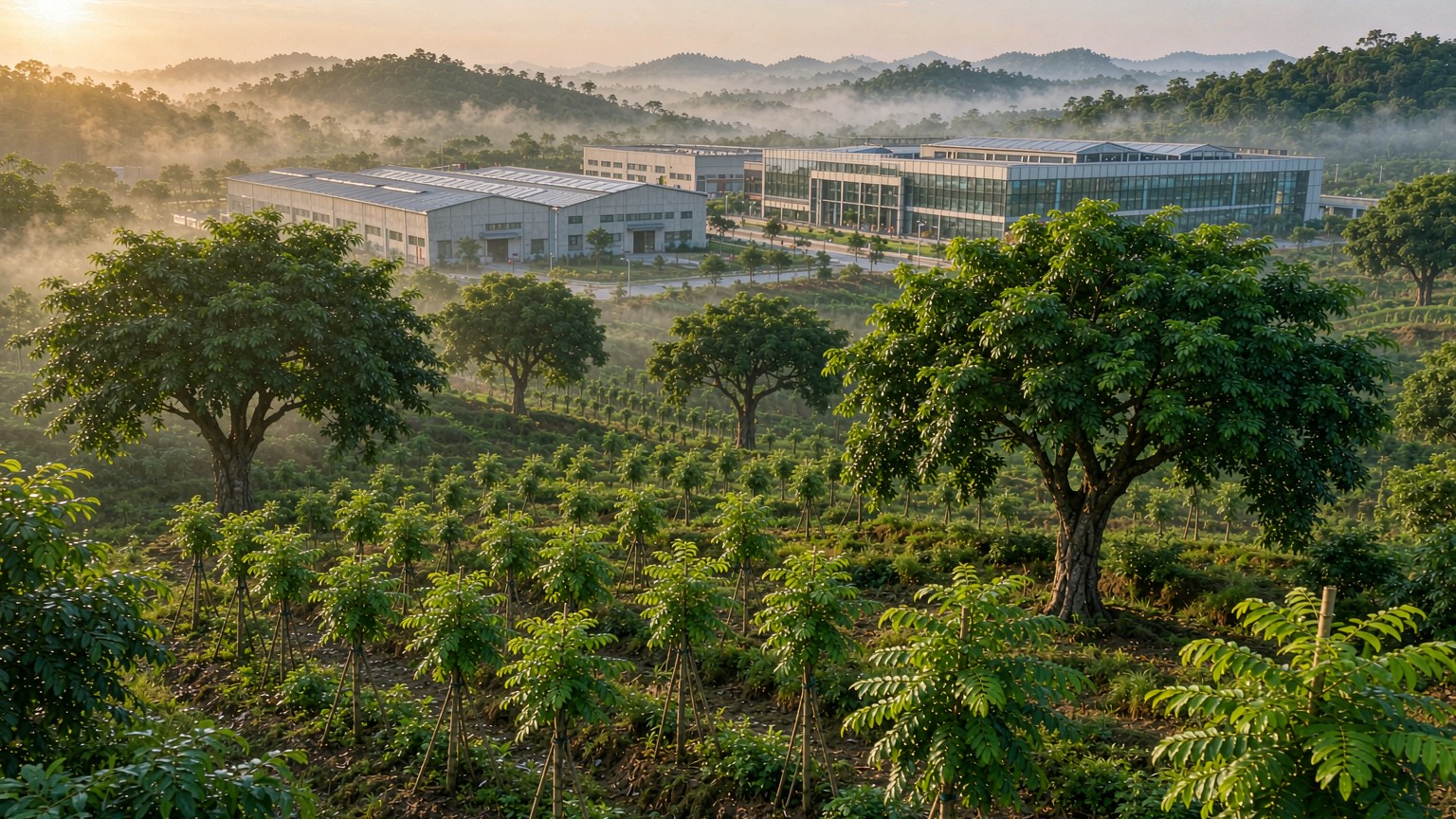


Related Agarwood Picks
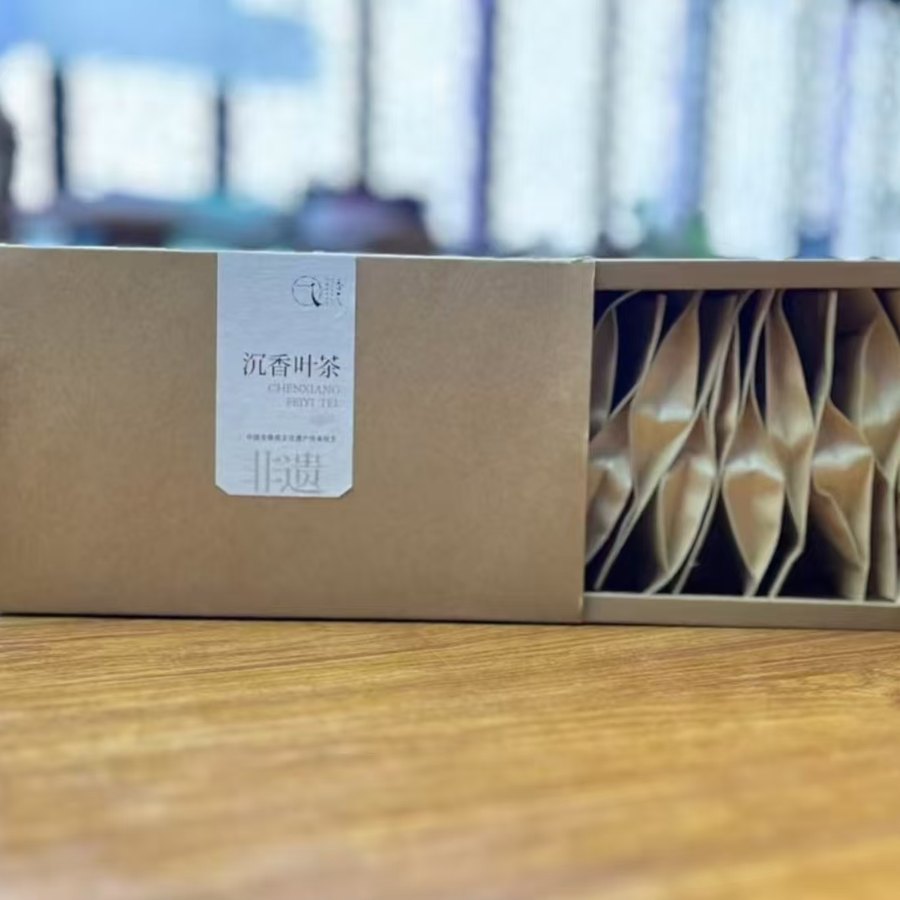
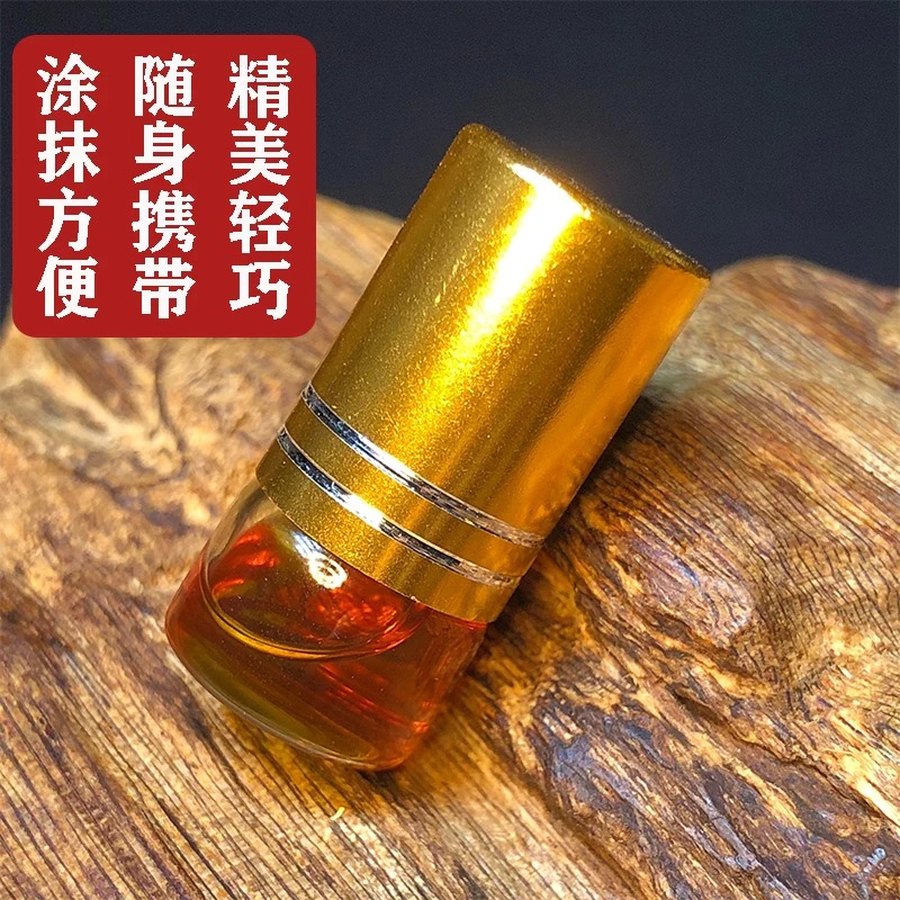
While reading, you might also like these compliant cultivated-agarwood products.
Visit Mall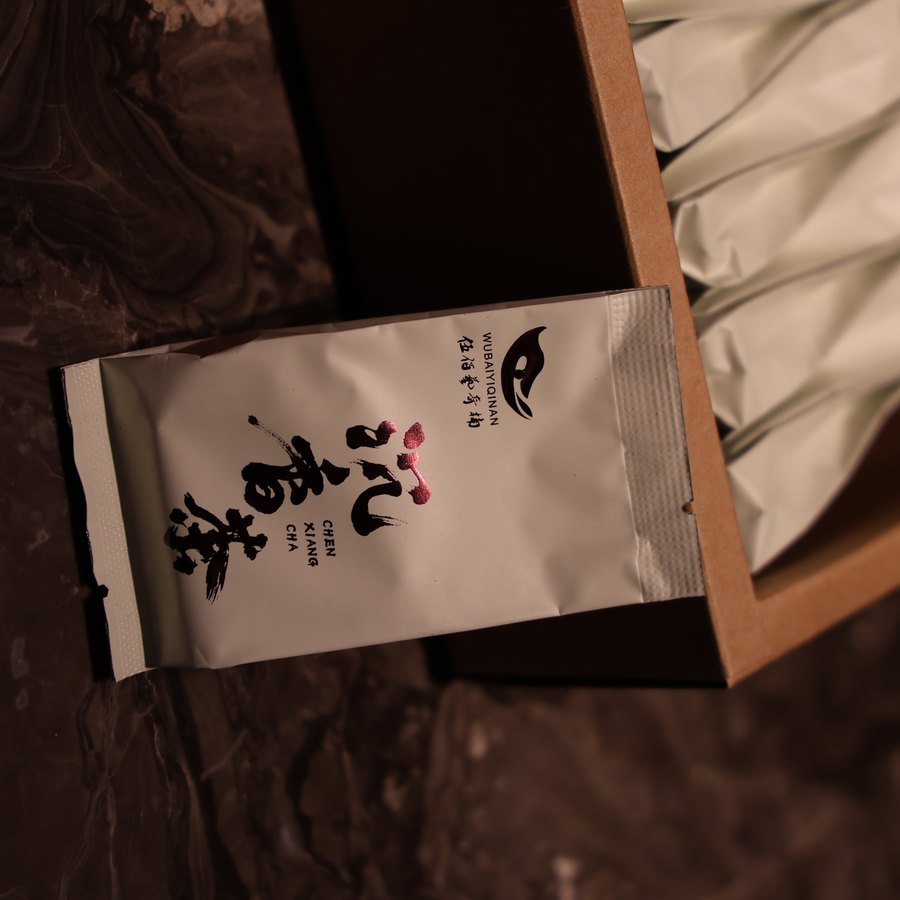
评论区
评论匿名可浏览,登录后可发表;提交后先审后显。
评论加载中…
Check related market data
Want the reference price for this category? Compare on the market page.
Go to market