
Agarwood Authentication and Standards: Evolution of Testing Methods and Grading Criteria
· 2026-11-04· 伍佰艺沉香编辑· 7 views
Agarwood authentication is shifting from experience-driven to instrument-assisted analysis alongside standard-based grading, reshaping industry trust and trading rules.
Phenomenon: Diversified Testing Methods and Parallel Grading Criteria
In recent years, agarwood authentication has shown a clear trend of diversified testing methods running parallel with multiple grading criteria. Feedback from production regions indicates that traditional sensory-based authentication—looking, smelling, touching, and water-sinking tests—remains widespread, but more practitioners are introducing instrumental analysis such as gas chromatography-mass spectrometry, infrared spectroscopy, and microscopic structure observation to assist in judging authenticity, origin, and quality. Meanwhile, grading criteria have not formed a unified industry-wide standard. Terms such as "sinking grade," "semi-sinking grade," and "floating grade" are used differently across institutions, production areas, and trading scenarios. Some markets are beginning to use quantifiable indicators such as oil content, density, and aroma characteristics as grading references. According to publicly available industry information, the enrichment of testing methods and the dispersion of grading criteria constitute the basic landscape of agarwood authentication today.
Cause Analysis: Technology, Demand Differentiation, and Standard Lag
Multiple factors contribute to this phenomenon. First, technology is a core driver. Falling costs of instrumental analysis and the emergence of portable devices have enabled more practitioners to access and use testing methods, pushing authentication from pure experience toward experience plus data. Second, market demand is clearly differentiated. High-end collectors and daily consumers have different requirements for authentication accuracy—the former relies more on authoritative testing and grading endorsement, while the latter focuses on cost-effectiveness and basic authenticity—making unified grading criteria difficult. Third, standard development lags behind market growth. Agarwood involves multiple variables including tree species, origin, resin formation method, and processing techniques. Developing unified standards requires interdisciplinary collaboration and extensive sample accumulation. Currently, industry standards, group standards, and local standards coexist, and a consensus grading system covering the entire chain has not yet formed. In addition, cultural cognitive differences affect acceptance of grading criteria; different markets prefer different aroma types, making full objectification of grading standards challenging.
Implications for Practitioners and Consumers: Embrace Testing, Understand Grading, Watch Standards
For practitioners, the evolution of testing methods means authentication capabilities need to upgrade from single experience to composite skills. It is advisable to understand the principles and limitations of mainstream testing methods, use test reports appropriately as support in transactions, and avoid over-reliance on single indicators. The dispersion of grading criteria requires practitioners to clarify the grading basis used in communication to reduce disputes caused by terminology ambiguity. For consumers, understanding the diversity of testing methods helps establish reasonable authentication expectations and avoid blind faith in single test conclusions; understanding differences in grading criteria helps focus on specific indicators rather than just grade labels when purchasing. At the industry level, standard development is still in progress, and both practitioners and consumers can follow relevant standard developments and participate in forming industry consensus. For more agarwood basics, see the Agarwood Knowledge Encyclopedia and the专题 content on agarwood grading.
This article is an industry observation and does not constitute trading or investment advice.
(This is industry observation and popular-science summary, not investment advice. Buy agarwood through legal channels with traceable, testable sources.)
Compiled from industry information; not trading or investment advice.
常见问题
Agarwood Authentication and Standards是什么?
Agarwood authentication is shifting from experience-driven to instrument-assisted analysis alongside standard-based grading, reshaping industry trust and trading rules.
沉香怎么选购?
选购沉香应认准可溯源、可检测的渠道,按用途选择形态(线香 / 手串 / 原料),不盲目追高、不轻信「野生」「沉水」等夸大宣传;优先选择带检测报告与来源凭证的商品。
沉香如何保养?
沉香怕潮、怕串味、怕暴晒,应密封、避光、阴凉存放,不同产区分开保存;长期不用的香材定期通风检查,防霉防虫。
如何鉴别沉香的真假?
鉴别沉香需综合感官与辅助手段:天然沉香香气清雅、持久、凉甜交织,燃烧烟气清白而非刺鼻;可结合 GC-MS 色谱检测特征成分(色酮、倍半萜)。建议通过可信渠道与可溯源凭证降低风险。
不同产区沉香有什么区别?
各产区因气候、树种与结香方式差异,香韵各具特色(如海南清雅、越南甜凉、印尼醇厚),是沉香分级与定价的重要参考维度。
沉香价格行情如何?
沉香行情随结香程度、产区、形态分化明显,顶级收藏与入门消费两端活跃;建议以合法、可检测渠道的实际成交为参考,勿轻信单一报价。
沉香与香道文化有什么关系?
沉香是东亚香道文化的核心媒介,从礼佛、文人雅集到当代生活美学,承载「静心、慢享」的东方审美,理解文化背景有助于读懂沉香价值。
沉香有健康功效吗?
传统上沉香被用于舒缓、助眠等场景,但证据等级与用量需谨慎看待;把「传统用法」与「科学证据」分开表述,具体以专业指导为准。
参考资料
Related reading


Related Agarwood Picks
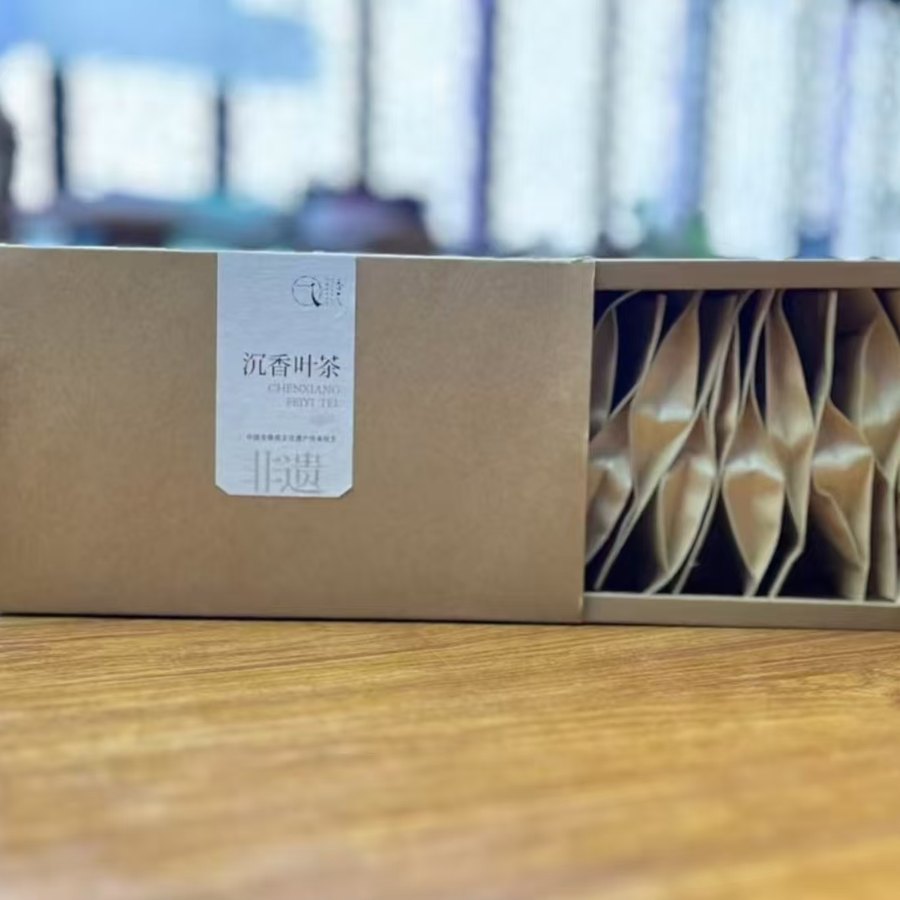
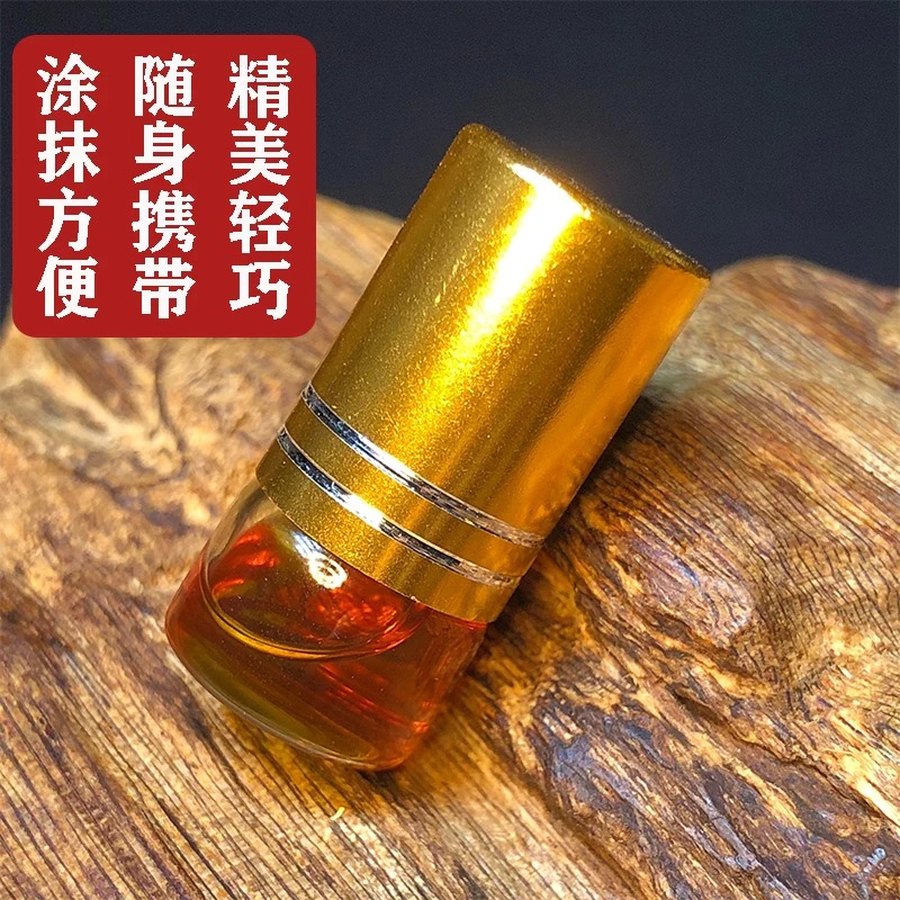
While reading, you might also like these compliant cultivated-agarwood products.
Visit Mall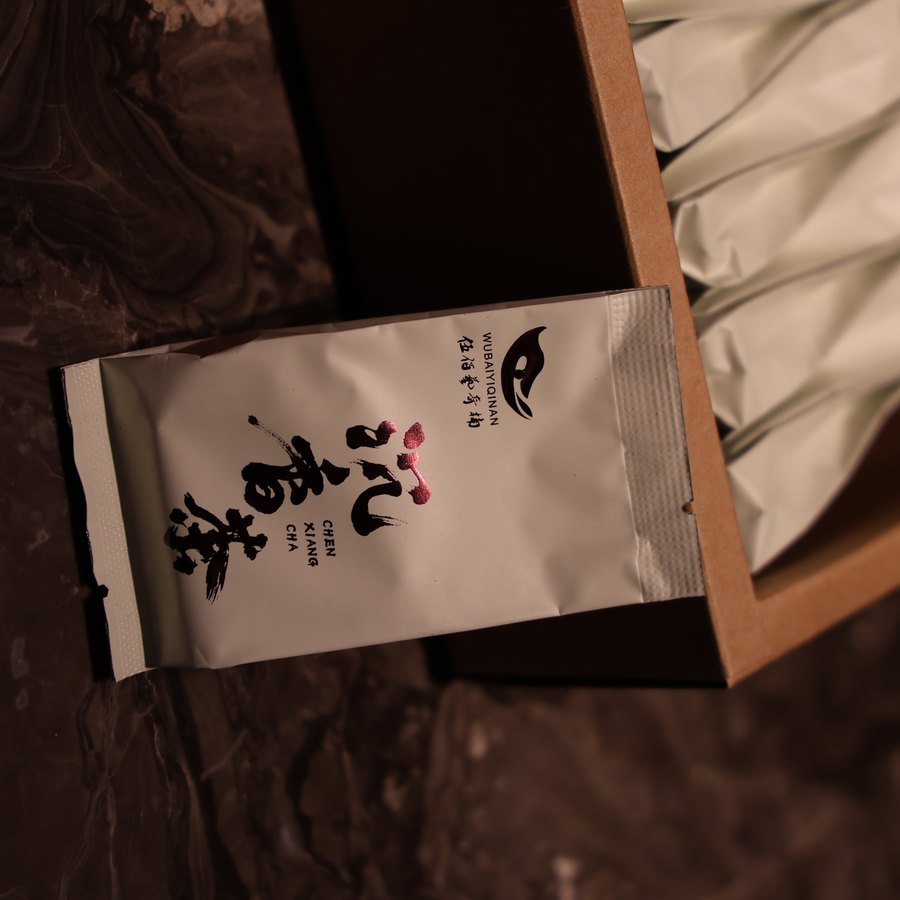
评论区
评论匿名可浏览,登录后可发表;提交后先审后显。
评论加载中…
Check related market data
Want the reference price for this category? Compare on the market page.
Go to market