
Agarwood E-commerce Watch: New Shifts in Platform Rules and Consumer Rights Protection
· 2026-11-02· 伍佰艺沉香编辑· 5 views
Observing the structural changes in online agarwood trading through tighter platform rules and rising consumer awareness, and analyzing their practical impact on traders and buyers.
Phenomenon: Online Agarwood Trading Enters a Phase of Refined Rules
Agarwood is a highly experience-dependent, non-standard category, and online trading has long struggled with the trust problem of judging fragrance from images. Based on publicly available industry information and feedback from production areas, agarwood e-commerce is showing two parallel trends: first, mainstream platforms continue to refine category access, description standards and after-sales rules for cultural collectibles and fragrant woods, requiring product titles, origin statements, gram weights and specifications to be more restrained and verifiable; second, consumer awareness of rights protection has clearly increased, with more frequent inquiries and complaints about mismatched goods, vague origin claims and weight discrepancies. Agarwood is no longer a category bought purely on intuition; it is being brought into a more standardized e-commerce governance framework.
At the same time, the boundary between content platforms and shelf-based marketplaces is blurring further. Short videos and livestreams educate the market, but transactions and after-sales still return to trading channels with more complete rules. For agarwood, which requires smelling, examining oil lines and judging density, the gap between online presentation and offline experience is becoming a key focus of platform rules. Readers interested in the basic framework of origin and grade can refer to the site's Agarwood Knowledge Encyclopedia.
Causes: Non-standard Nature, Platform Governance and Consumer Cognition
The first cause is the non-standard nature of the category itself. The aroma, oil distribution and resin formation of agarwood are hard to present fully through images and short videos, and any simplified description can amplify expectation gaps. By strengthening description standards, platforms are essentially using procedural constraints to compensate for the difficulty of standardizing the category.
The second is a shift in platform governance logic. As the cultural collectibles and fragrant woods category expands, platforms prefer category access, qualification verification, after-sales time limits and dispute-handling mechanisms to reduce overall transaction friction. From publicly available industry information, the focus of rules is migrating from post-hoc penalties to prior standardization plus in-process traceability, raising higher demands on merchants' product information management.
The third is maturing consumer cognition. After years of market education, consumers have basic judgment about agarwood origins, resin formation and grade differences, and rights protection is no longer merely emotional expression but increasingly centered on description consistency and complete evidence. This in turn pushes merchants to be more cautious in detail pages, livestream scripts and after-sales responses. For basic concepts of grading and identification, see the relevant entries in the Agarwood Knowledge Encyclopedia.
Implications for Traders and Consumers
For traders, refined rules mean the space for closing deals through vague descriptions is narrowing. Product information should be verifiable and traceable, origin and specification statements should remain restrained, livestream and detail-page wording should be consistent, and after-sales evidence should be kept complete. In the medium and long term, compliance capability is becoming a hidden threshold for agarwood e-commerce; those who can explain non-standard goods clearly and manage expectations well are more likely to build repeat purchases within the rule environment.
For consumers, smoother rights-protection channels do not mean due diligence can be skipped. Before ordering, pay attention to whether product descriptions are specific and whether reasonable inspection and return arrangements are supported; keep communication records and unboxing evidence; and stay alert to prices far below common-sense ranges and overly simplified origin claims. Rules protect prepared parties on both sides of a transaction, not replace judgment.
Overall, agarwood e-commerce is transitioning from experience-driven to a combination of rules and experience. This process will not happen overnight, but it is positive for industry transparency and trust accumulation. This article is an industry observation and does not constitute trading or investment advice.
(This is industry observation and popular-science summary, not investment advice. Buy agarwood through legal channels with traceable, testable sources.)
Compiled from industry information; not trading or investment advice.
常见问题
Agarwood E-commerce Watch是什么?
Observing the structural changes in online agarwood trading through tighter platform rules and rising consumer awareness, and analyzing their practical impact on traders and buyers.
沉香怎么选购?
选购沉香应认准可溯源、可检测的渠道,按用途选择形态(线香 / 手串 / 原料),不盲目追高、不轻信「野生」「沉水」等夸大宣传;优先选择带检测报告与来源凭证的商品。
沉香如何保养?
沉香怕潮、怕串味、怕暴晒,应密封、避光、阴凉存放,不同产区分开保存;长期不用的香材定期通风检查,防霉防虫。
如何鉴别沉香的真假?
鉴别沉香需综合感官与辅助手段:天然沉香香气清雅、持久、凉甜交织,燃烧烟气清白而非刺鼻;可结合 GC-MS 色谱检测特征成分(色酮、倍半萜)。建议通过可信渠道与可溯源凭证降低风险。
不同产区沉香有什么区别?
各产区因气候、树种与结香方式差异,香韵各具特色(如海南清雅、越南甜凉、印尼醇厚),是沉香分级与定价的重要参考维度。
沉香价格行情如何?
沉香行情随结香程度、产区、形态分化明显,顶级收藏与入门消费两端活跃;建议以合法、可检测渠道的实际成交为参考,勿轻信单一报价。
沉香与香道文化有什么关系?
沉香是东亚香道文化的核心媒介,从礼佛、文人雅集到当代生活美学,承载「静心、慢享」的东方审美,理解文化背景有助于读懂沉香价值。
沉香有健康功效吗?
传统上沉香被用于舒缓、助眠等场景,但证据等级与用量需谨慎看待;把「传统用法」与「科学证据」分开表述,具体以专业指导为准。
参考资料
Related reading



Related Agarwood Picks
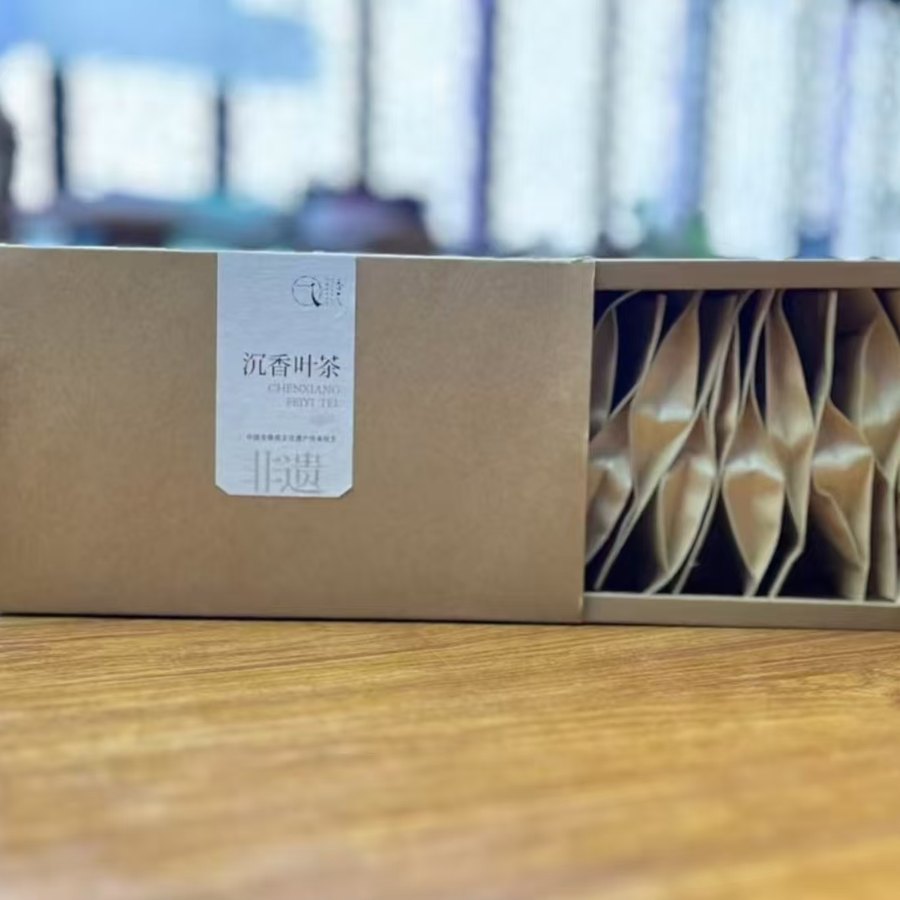
While reading, you might also like these compliant cultivated-agarwood products.
Visit Mall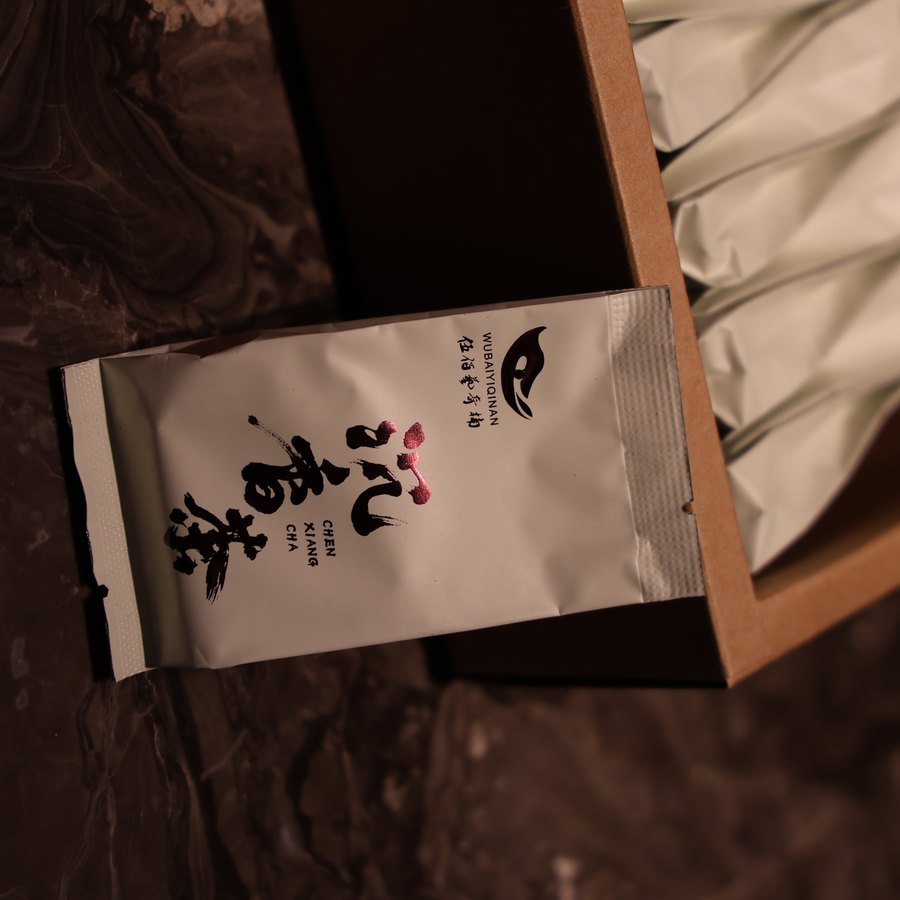

评论区
评论匿名可浏览,登录后可发表;提交后先审后显。
评论加载中…
Check related market data
Want the reference price for this category? Compare on the market page.
Go to market