
Agarwood Culture and Intangible Heritage: Observations on Inheritor Training and Craft Documentation
· 2026-11-01· 伍佰艺沉香编辑· 8 views
Based on publicly available industry information, agarwood culture and intangible heritage transmission are shifting from scattered oral instruction toward conscious craft documentation and inheritor pipeline building, though standardization and systematization remain unresolved challenges.
Phenomenon: From Oral Transmission to Conscious Documentation
Agarwood culture, as an important branch of traditional incense culture, has long relied on master-apprentice and family transmission for its techniques of resin formation, harvesting, processing, and appreciation. Feedback from production areas indicates that in recent years, agarwood-related intangible heritage projects have been sorted and recognized in multiple locations, with some techniques included in intangible heritage lists at various levels, clarifying the identity of inheritors. Meanwhile, documentation methods are changing: beyond traditional oral instruction, there are more systematic attempts such as video recording, process mapping, and oral history compilation. Public industry information shows that some production areas have begun consciously organizing the operational experience of veteran artisans into traceable craft archives. However, these records are mostly at an early stage, with uneven coverage and depth.
Analysis: Cultural Awareness, Market Drivers, and Standard Gaps
Multiple forces drive this change. First, rising cultural awareness: with the revival of traditional incense culture, practitioners and local governments have a stronger understanding of the cultural value of agarwood crafts and are willing to invest resources in documentation and transmission. Second, market drivers: as the consumer base for agarwood expands, consumers pay more attention to "craft origin" and "transmission lineage," prompting practitioners to value inheritor training and craft visualization. Third, the push from standard gaps: agarwood quality evaluation has long relied on experience, and craft documentation is seen as one of the foundational tasks for building industry consensus. However, inheritor training still faces practical bottlenecks: long learning cycles and uncertain economic returns limit the willingness of younger generations to enter; craft documentation lacks unified norms, with significant differences in methods and depth across production areas, making it difficult to form comparable and shareable archive systems.
Implications for Practitioners and Consumers
For practitioners, inheritor training requires clearer pathway design, including craft grading, learning cycle planning, and reasonable income expectations, to avoid transmission becoming a mere formality. Craft documentation should focus on the reproducibility of processes rather than mere video retention. It is advisable to refer to existing industry knowledge frameworks, such as the systematic review of resin formation and processing in the Agarwood Encyclopedia, to establish documentation templates suitable for local production areas. For consumers, the link between agarwood culture and intangible heritage is becoming a reference dimension in purchasing, but the "inheritor" label should be viewed rationally, with attention to the traceability of the craft itself and the stability of product quality. At the industry level, promoting standardization of craft documentation and institutionalization of inheritor pipelines is key to the sustainable development of agarwood culture. This article is an industry observation and does not constitute trading or investment advice.
(This is industry observation and popular-science summary, not investment advice. Buy agarwood through legal channels with traceable, testable sources.)
Compiled from industry information; not trading or investment advice.
常见问题
Agarwood Culture and Intangible Heritage是什么?
Based on publicly available industry information, agarwood culture and intangible heritage transmission are shifting from scattered oral instruction toward conscious craft documentation and inheritor pipeline building, though standardization and systematization remain unresolved challenges.
沉香怎么选购?
选购沉香应认准可溯源、可检测的渠道,按用途选择形态(线香 / 手串 / 原料),不盲目追高、不轻信「野生」「沉水」等夸大宣传;优先选择带检测报告与来源凭证的商品。
沉香如何保养?
沉香怕潮、怕串味、怕暴晒,应密封、避光、阴凉存放,不同产区分开保存;长期不用的香材定期通风检查,防霉防虫。
如何鉴别沉香的真假?
鉴别沉香需综合感官与辅助手段:天然沉香香气清雅、持久、凉甜交织,燃烧烟气清白而非刺鼻;可结合 GC-MS 色谱检测特征成分(色酮、倍半萜)。建议通过可信渠道与可溯源凭证降低风险。
不同产区沉香有什么区别?
各产区因气候、树种与结香方式差异,香韵各具特色(如海南清雅、越南甜凉、印尼醇厚),是沉香分级与定价的重要参考维度。
沉香价格行情如何?
沉香行情随结香程度、产区、形态分化明显,顶级收藏与入门消费两端活跃;建议以合法、可检测渠道的实际成交为参考,勿轻信单一报价。
沉香与香道文化有什么关系?
沉香是东亚香道文化的核心媒介,从礼佛、文人雅集到当代生活美学,承载「静心、慢享」的东方审美,理解文化背景有助于读懂沉香价值。
沉香有健康功效吗?
传统上沉香被用于舒缓、助眠等场景,但证据等级与用量需谨慎看待;把「传统用法」与「科学证据」分开表述,具体以专业指导为准。
参考资料
Related reading



Related Agarwood Picks
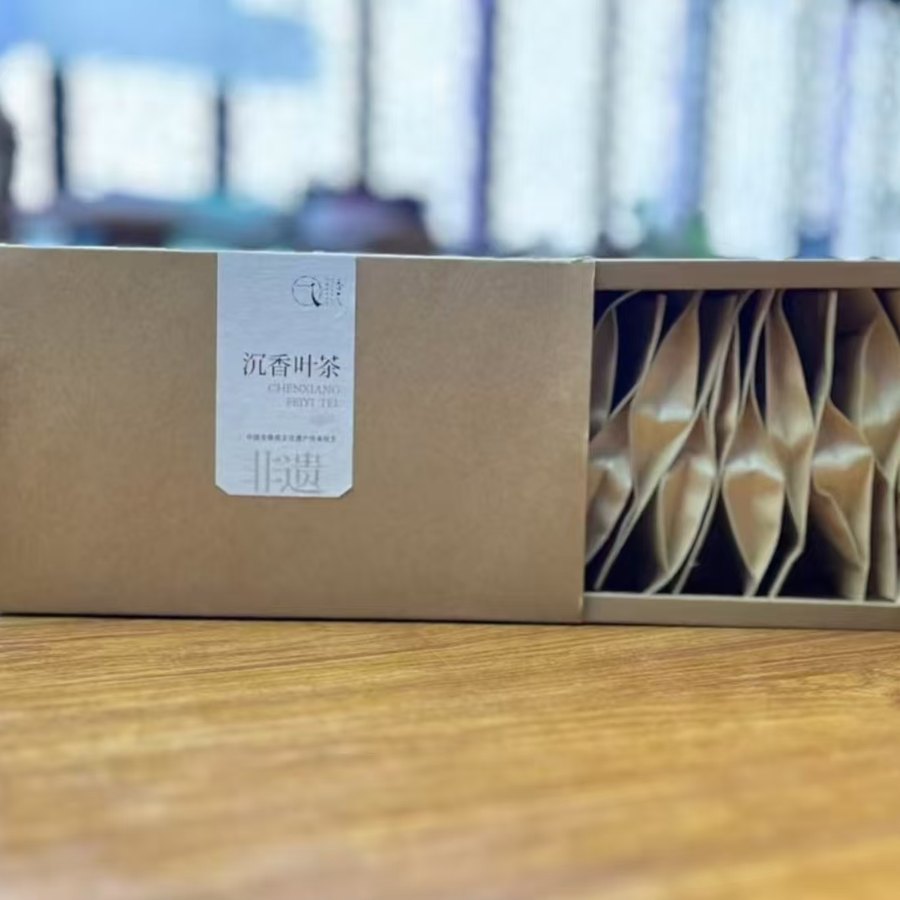
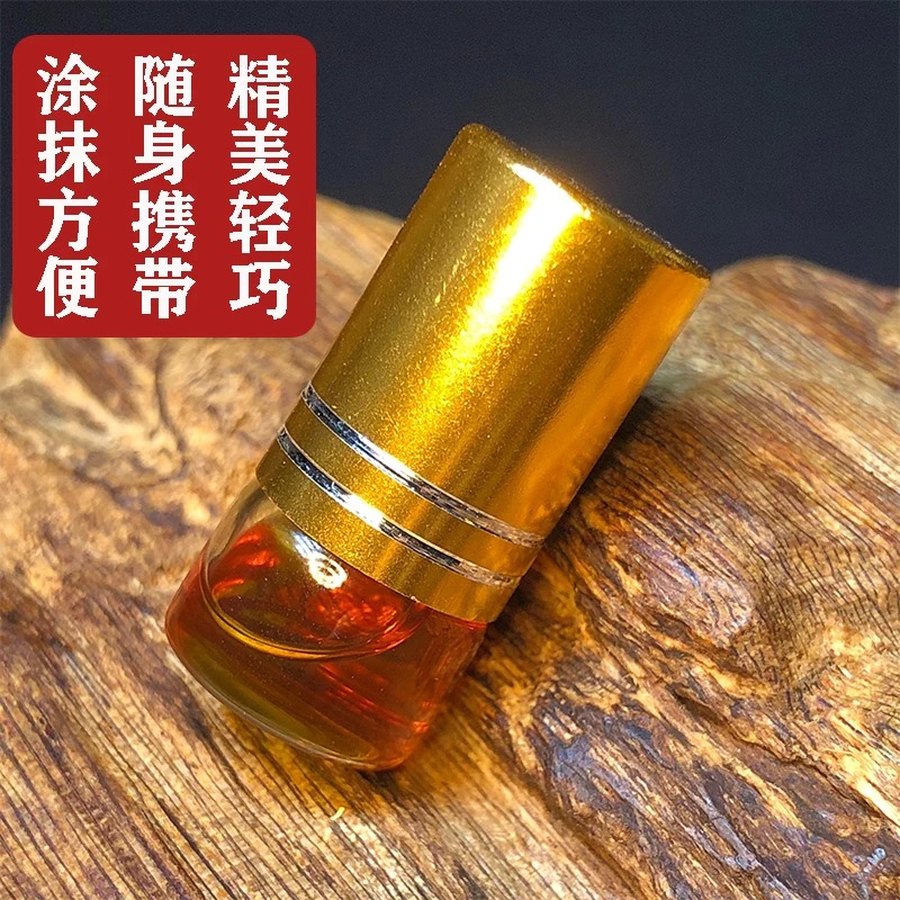
While reading, you might also like these compliant cultivated-agarwood products.
Visit Mall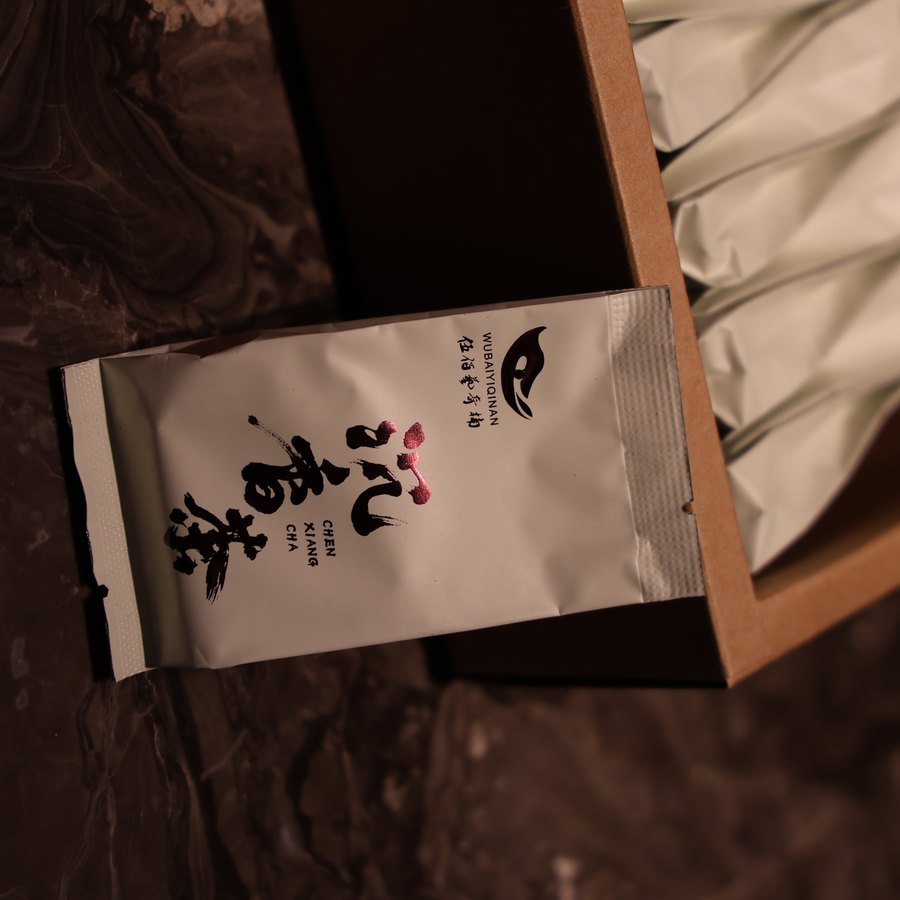
评论区
评论匿名可浏览,登录后可发表;提交后先审后显。
评论加载中…
Check related market data
Want the reference price for this category? Compare on the market page.
Go to market