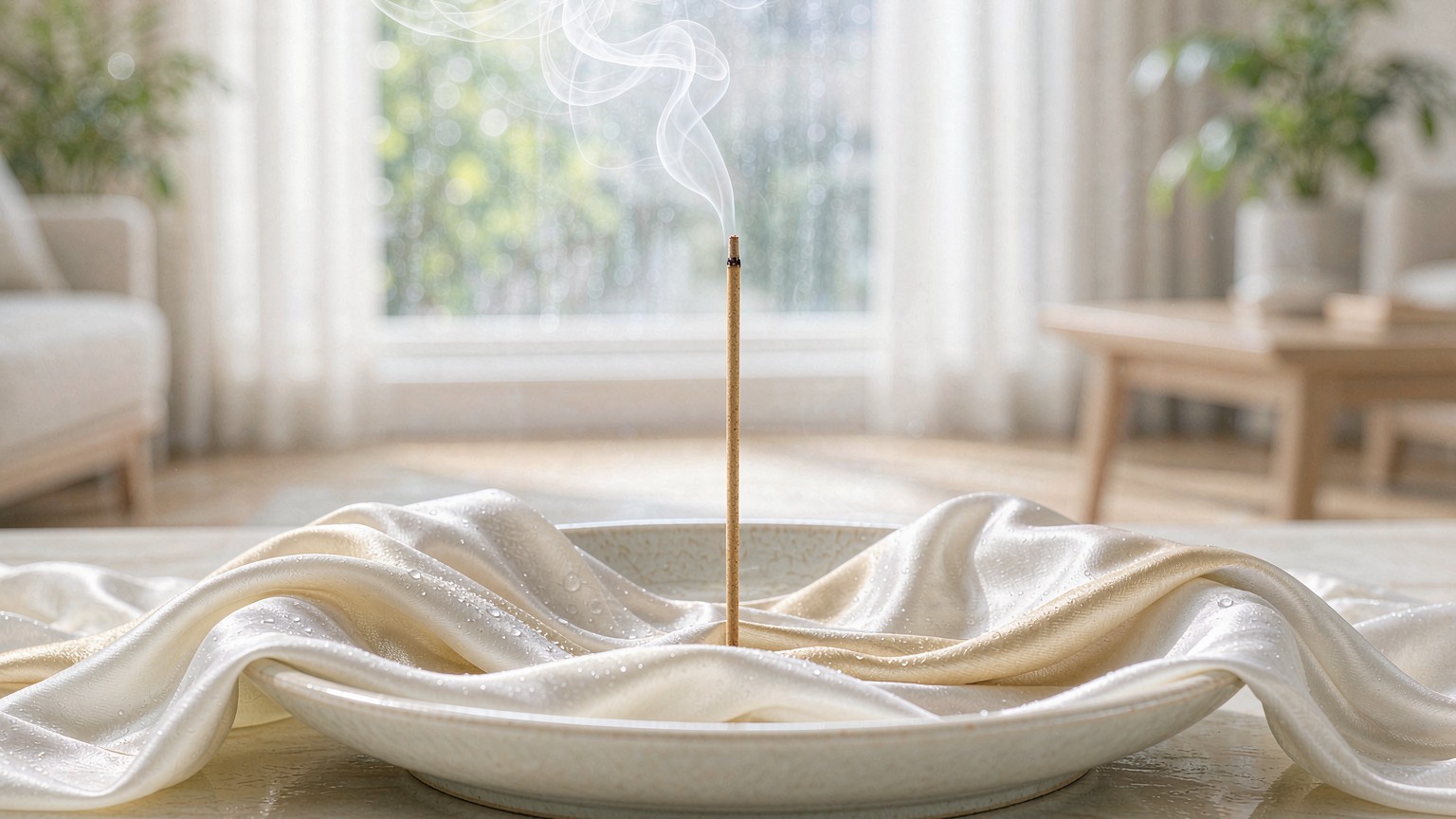
The 'Divine Wood' Agarwood That Has Fascinated Arabs for a Millennium
Source:中国沉香网· 2025-06-13· 中国沉香网· 76 views
Arabian Fragrance—Agarwood
In Arab countries, whether in luxury five-star hotels, relaxed cafes, or ordinary households, the air is always filled with a unique aroma—elegant and lingering. This fragrance is neither like Chinese sachets nor Western perfumes; its core comes from a precious material—agarwood.
Agarwood More Precious Than Gold
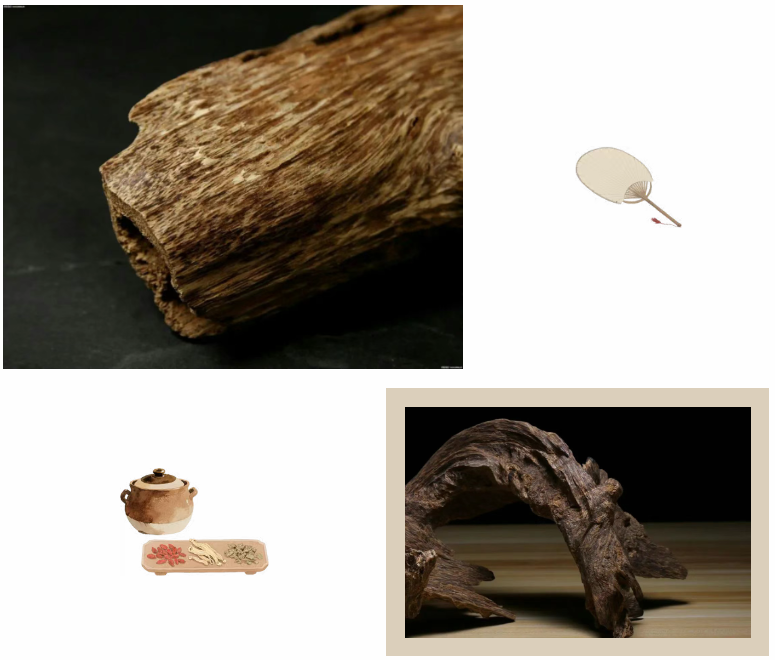
The distribution of agarwood and the characteristics of agarwood from various regions.
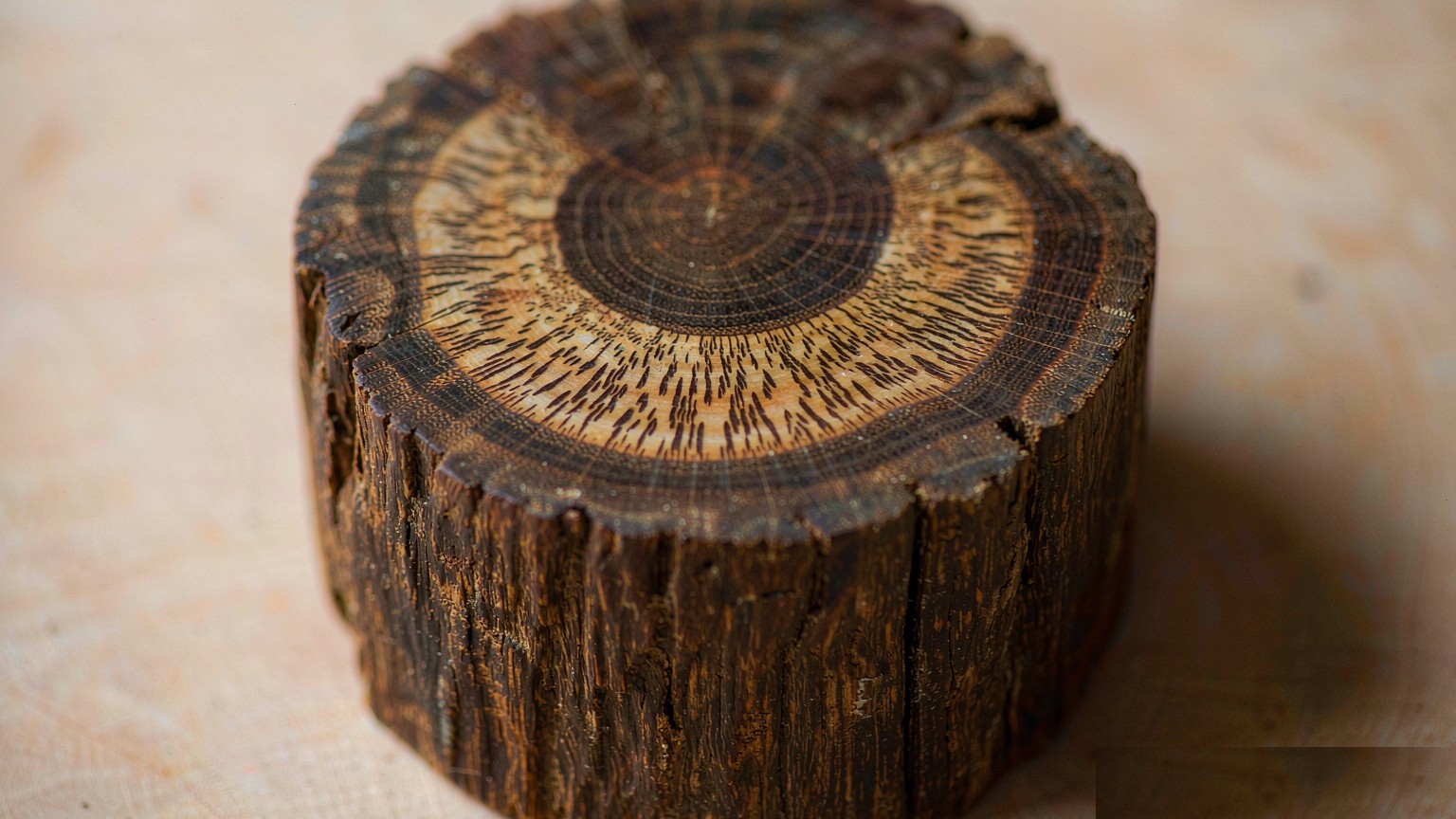
Agarwood is hailed as the "Wood of the Gods" and is one of the most expensive natural resources in the world, with prices reaching up to 1.5 times that of gold. It originates from the resinous heartwood of trees in the Aquilaria genus of the Thymelaeaceae family. When the tree is infected by fungi, it secretes resin for self-protection; over time, this resin congeals into a dark, aromatic substance—the precursor of agarwood.
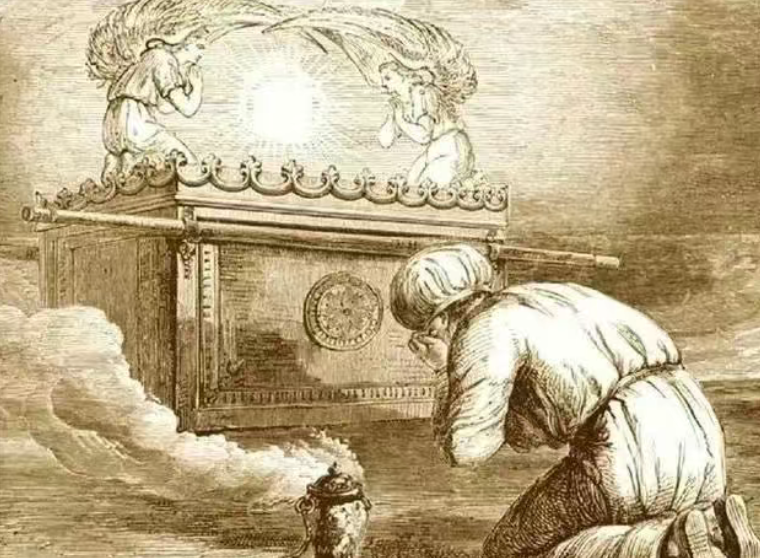
However, extracting agarwood is extremely difficult—70 kilograms of wood can yield only 20 milliliters of pure oil, which must then be diluted with a carrier oil before it can be made into perfume. Such scarce output makes agarwood a luxury among luxuries.
II
A Millennium of Incense Culture, a Cultural Legacy
Arabs have used agarwood for thousands of years. Initially, nomadic tribes in the desert burned agarwood chips to repel mosquitoes and fill their camps with fragrance. Later, agarwood gradually became integrated into religion and daily life, becoming an important symbol of Arab culture.
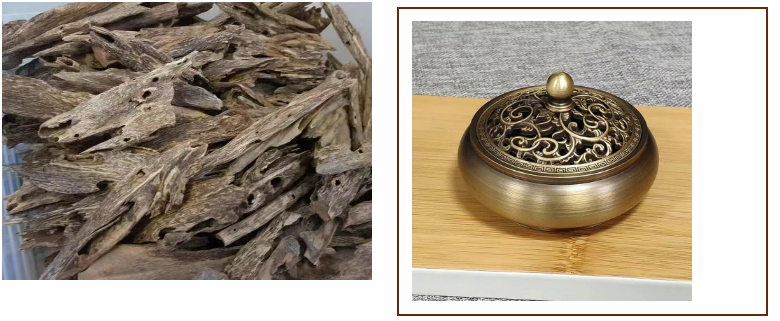
In Islam, agarwood is regarded as sacred. Important occasions such as mosque prayers and the Hajj pilgrimage in Mecca all involve purification rituals with agarwood incense. Muslims believe that the aroma of agarwood can cleanse body and mind; even when the deceased is encoffined, agarwood oil is used to anoint the body, symbolizing the washing away of worldly sins and a peaceful return to paradise.
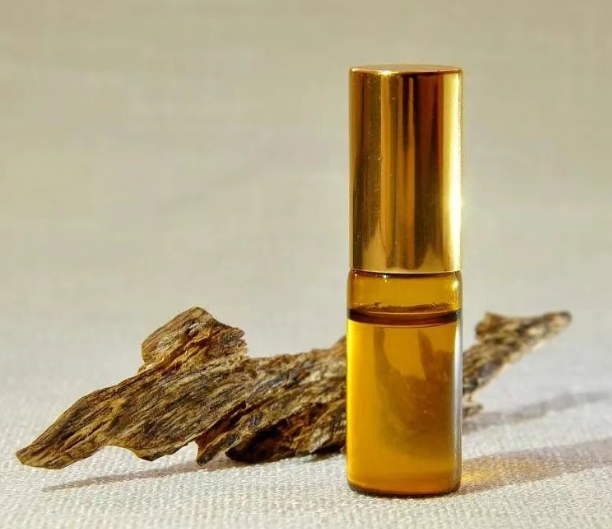
From the Silk Road to the Modern Market
Agarwood has a long trading history. As early as ancient times, merchants transported agarwood from Southeast Asia via India to the Middle East along the Silk Road. Today, the Gulf region remains the world's largest agarwood consumer market, accounting for two-thirds of global consumption, with Saudi Arabia particularly prominent in consumption.
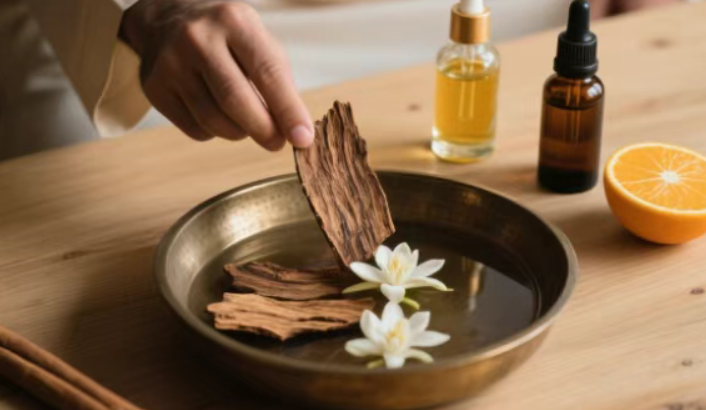
Arabs' love for agarwood has also deeply influenced their lifestyle. Whether men, women, young, or old, they are accustomed to using agarwood perfume; its distinctive woody aroma has become one of the hallmarks of Arabia. In Dubai, visitors can often recognize local characteristics through this fragrance—it is both solemn and warm, unforgettable at first encounter.
Modern Uses of Agarwood
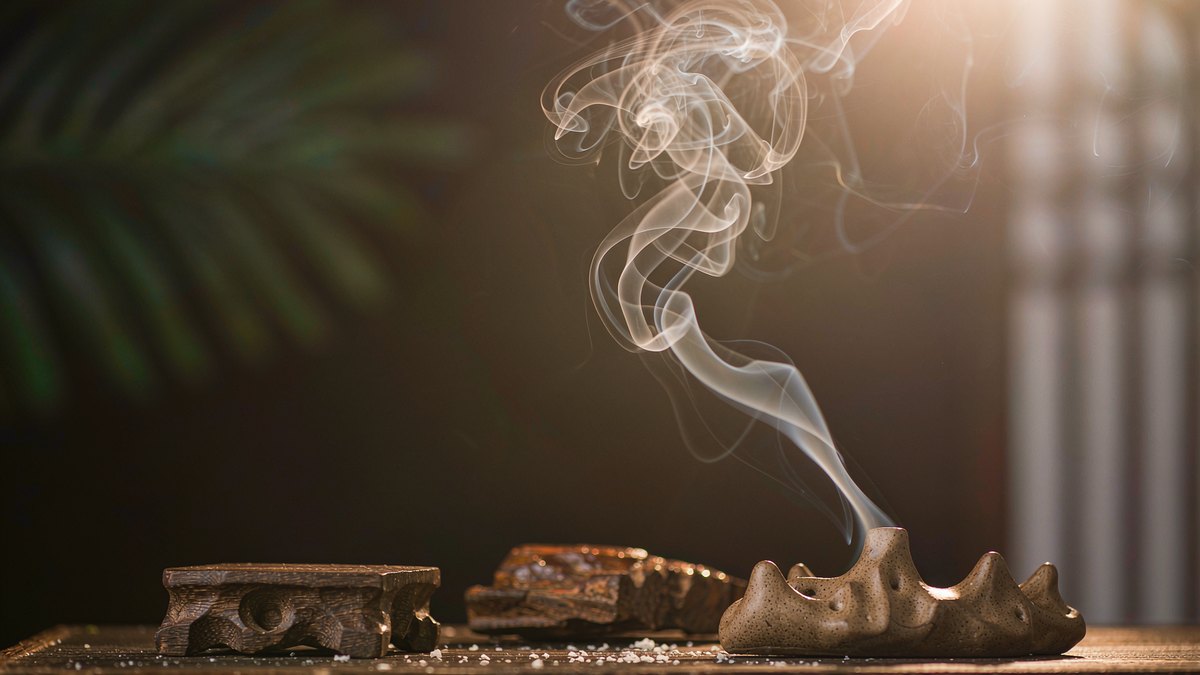
Traditional Arab use of agarwood is highly refined. People soak agarwood chips in jasmine, sandalwood, or citrus essential oils to blend richer fragrance notes. To use, simply place a small piece of agarwood on a charcoal or electric burner, and curling fragrant smoke will fill the entire space, creating a serene and sacred atmosphere.
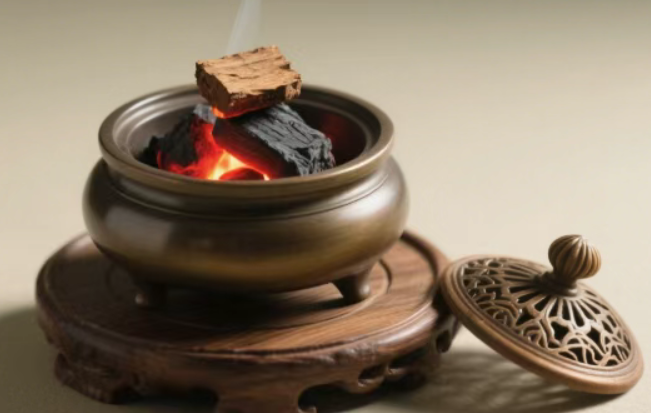
For Arabs, incense is not only a daily habit but also a spiritual ritual. Ten minutes of incense before going out is both a sign of respect for others and a transmission of one's own culture. Although agarwood is not unique to Arabia, the incense culture here carries a thousand years of history and faith, and to this day continues to tell ancient stories in every wisp of fragrance.
Building a Service Platform to Lead Agarwood Overseas
Historically, Hainan agarwood was exported to the Middle East via the Maritime Silk Road and became a luxury treasured by Arab nobility.

Today, this fragrant bond is entering a new chapter. Recently, the Middle East press conference for "Heavenly Fragrance, National Beauty—The Second Hainan Agarwood and Huanghuali International Trade Fair" was grandly held in Dubai, marking the official launch of the global promotion of the Heavenly Fragrance, National Beauty exhibition.
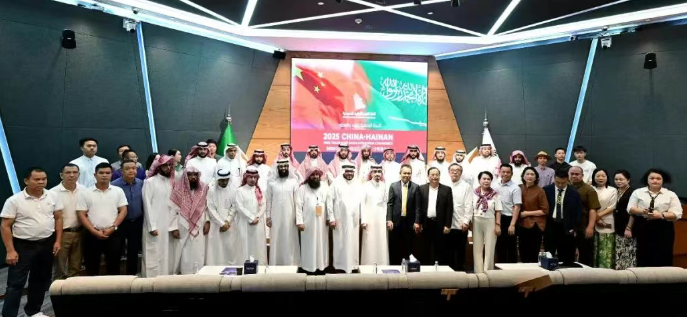
After the press conference, the organizing committee led nearly 20 Chinese agarwood enterprises to Saudi Arabia for investigation and exchange. The two sides held in-depth discussions on topics such as agarwood industry cooperation and market development. This visit not only conducted on-site research of the Middle East spice market but also established a long-term cooperation mechanism with local incense enterprises, laying a solid foundation for Hainan agarwood and huanghuali to enter the Middle East high-end market.
This article was compiled by "Chenxiang Web". Original source: https://www.chenxiang123.com/shenmuxiang-chenxiang/
Compiled from industry information; not trading or investment advice.
Frequently Asked Questions
What is The 'Divine Wood' Agarwood That Has Fascinated Arabs for a Millennium?
Arabian fragrance—agarwood. In Arab countries, whether in luxury five-star hotels, relaxed cafes, or ordinary homes, the air is always filled with a unique, elegant, and lingering aroma.
How should I choose agarwood?
Buy from traceable, testable channels and match the form (incense, beads, raw wood) to your use. Avoid exaggerated claims such as "wild" or "sinking grade" without proof, and prefer products with lab reports and origin documentation.
How should agarwood be stored and maintained?
Agarwood dislikes moisture, odours and direct sunlight. Keep it sealed, dark and cool, store different origins separately, and air and inspect long-stored pieces periodically against mould and insects.
How can I tell real agarwood from fake?
Authentication combines sensory checks with technical ones: natural agarwood has a clean, long-lasting, cool-sweet scent and burns with pale, non-pungent smoke. GC-MS analysis of characteristic compounds (chromones, sesquiterpenes) adds objective confirmation. Buying through traceable channels with certificates lowers the risk.
How do agarwood origins differ?
Climate, tree species and resin-induction methods give each origin a distinct scent profile — for example Hainan tends to be clean and elegant, Vietnam sweet and cool, Indonesia deep and full. Origin is a key factor in grading and pricing.
What is the current agarwood market like?
Prices diverge sharply by resin density, origin and form, with both top-end collectibles and entry-level consumer products active. Use actual transactions from legal, testable channels as reference rather than a single quotation.
What is the relationship between agarwood and incense culture?
Agarwood is the core medium of East Asian incense culture, spanning temple offerings, literati gatherings and contemporary lifestyle aesthetics. Understanding this cultural background helps explain its value.
Does agarwood have health benefits?
Traditionally agarwood has been used for calming and sleep-related rituals, but evidence quality and dosage need careful reading. Keep traditional use and scientific evidence clearly separated and follow professional guidance.
This is an aggregated digest. Original source:View original(中国沉香网)
参考资料
Related reading
Related Agarwood Picks
While reading, you might also like these compliant cultivated-agarwood products.
Visit Mall
评论区
评论匿名可浏览,登录后可发表;提交后先审后显。
评论加载中…
Check related market data
Want the reference price for this category? Compare on the market page.
Go to market