Hainan Agarwood: A Hundred-Billion-Yuan Industry on the Rise
Source:中国沉香网· 2025-07-12· 中国沉香网· 89 views
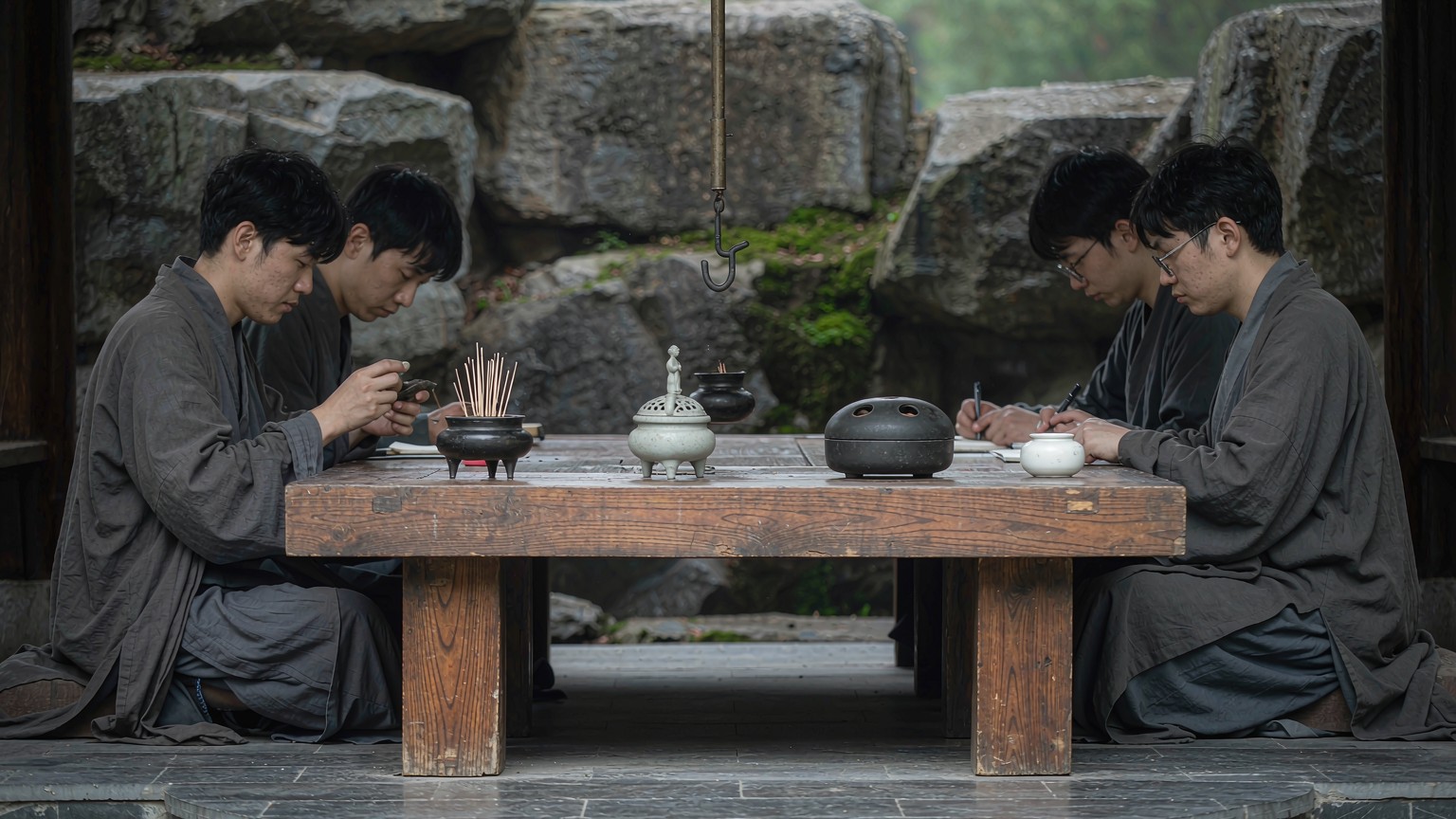
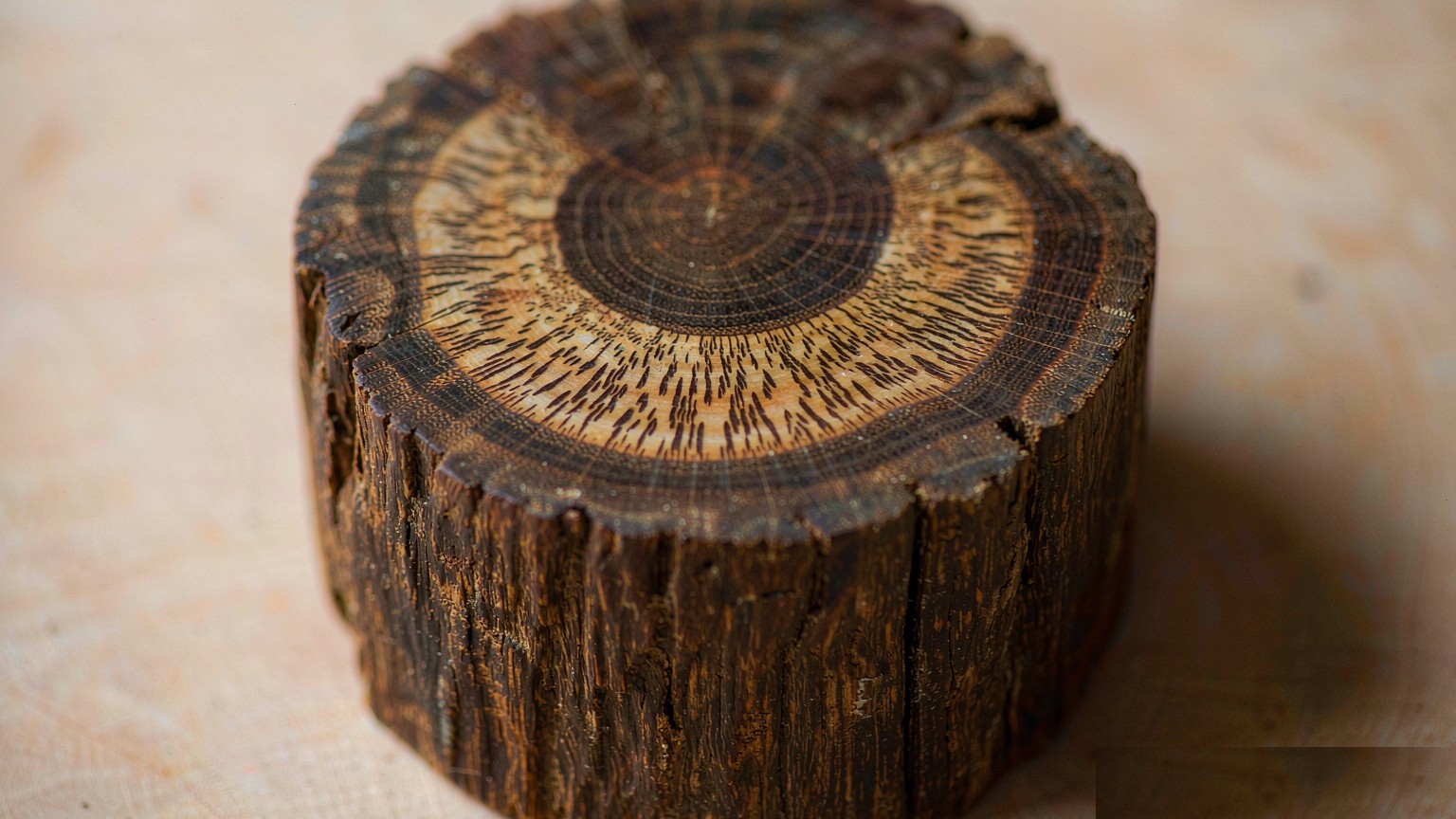
Agarwood ranks first among China's four major aromatic materials—"agarwood, sandalwood, ambergris, and musk"—and is also a precious traditional Chinese medicine whose medicinal value has been applied in China for thousands of years. Hainan agarwood, thanks to its unique geographical environment, climatic conditions, and regional characteristics, has achieved a quality described as "a single piece worth ten thousand coins, unsurpassed in the world."

To date, the two geographical indication certification trademarks "Hainan Agarwood (Aromatic Materials)" and "Hainan Agarwood (Medicinal)" have been approved by the Trademark Office of the China National Intellectual Property Administration. The successful registration of these geographical indication trademarks will help Hainan build an agarwood brand with local characteristics and enhance the industry's economic benefits. Coupled with the boost from Hainan Free Trade Port policies, the agarwood industry has entered a period of opportunity, and Hainan's hundred-billion-yuan agarwood industry is on the rise.
Hainan's Hundred-Billion-Yuan Agarwood Industry Is on the Rise
Agarwood Network has learned through recent research that, against the backdrop of China's efforts to promote the inheritance and innovation of traditional Chinese medicine, Hainan Province has vigorously supported the development of the agarwood industry in recent years. By using modern science to enhance medicinal value and promoting the integration of multiple industries and business formats, the blueprint for Hainan's hundred-billion-yuan agarwood industry is being drawn. At the same time, however, industry insiders are calling attention to the fact that the agarwood industry still faces difficulties such as being "scattered and disorderly," a chaotic seedling market, and a serious shortage of raw materials…
Modern Science Enhances the Medicinal Value of Agarwood
The medicinal value of agarwood has been highly regarded since ancient times. Tao Hongjing of the Liang Dynasty praised agarwood as a superior medicinal material in the Record of Famous Physicians, and Li Shizhen of the Ming Dynasty recorded in the Compendium of Materia Medica that agarwood has the efficacy of "treating upper heat and lower cold, qi counterflow and acute asthma, and deficiency-type constipation of the large intestine."
As a traditional Chinese medicinal material, agarwood is usually processed into agarwood powder and agarwood decoction pieces for consumption. "Agarwood is a traditional qi-regulating medicine with effects such as warming the middle and stopping vomiting, promoting qi circulation and relieving pain, and improving qi reception and relieving asthma. It is commonly used to treat chest and abdominal distension and pain, and kidney deficiency with qi counterflow and acute asthma," said Wei Jianhe, director of the Hainan Branch of the Institute of Medicinal Plant Development, Chinese Academy of Medical Sciences. He noted that their research has also demonstrated that agarwood has anti-gastric ulcer, anti-myocardial ischemia, anti-asthma, and sedative sleep-promoting effects.
As modern scientific research on agarwood continues to deepen, its pharmacological effects have become clearer, and its efficacy has been further explored and utilized. Bugefuran, a Class 1.1 new drug for generalized anxiety disorder developed by the Institute of Materia Medica, Chinese Academy of Medical Sciences, has entered Phase III clinical trials. The Hainan Branch of the Institute of Medicinal Plant Development has developed Zengyi Granules for enhancing immunity and Zhumian'an Granules for improving sleep from agarwood, which have already been put into use.
It is understood that the medicinal value of agarwood has a wide range of applications. Among the more than one thousand traditional Chinese medicine prescriptions recorded by Beijing Tongrentang Pharmacy, as many as three hundred use agarwood. In China's Basic Proprietary Chinese Medicines, forty-seven varieties use agarwood, such as Chenxiang Huazhi Pills, Liqi Shuxin Pills, Xiao'er Qiying Pills, and Jiebai Pills.
Ancient physicians combined agarwood with other Chinese medicines and accumulated rich experience. "A literature review shows that a total of 2,072 traditional Chinese medicine empirical prescriptions have used agarwood, and clinical applications cover multiple departments," said Dai Haofu, a researcher at the Institute of Tropical Bioscience and Biotechnology, Chinese Academy of Tropical Agricultural Sciences. He noted that recently his institute, in cooperation with Sanya Hospital of Traditional Chinese Medicine, developed and launched "Chenxiang Hewei Pills."
Agarwood has also been well utilized in the fight against COVID-19. The Hainan Province COVID-19 Traditional Chinese Medicine Prevention Recommendations (Trial Third Edition) issued by the Hainan Provincial Health Commission proposed that sachets made from agarwood and mugwort leaves could be worn to dispel foulness and purify the air environment. Health authorities in Yunnan, Tibet, Hubei, Guangdong, and other regions also included agarwood aromatherapy as one of their epidemic prevention methods.
Over the past five years, Hainan Province has supported 55 agarwood research projects with funding of 36.58 million yuan. The project "Key Technology Breakthroughs and Industrial Application for the Development of Major Varieties of Precious Southern Medicine Agarwood" was approved under the 2018 National Key R&D Program. With the support of a series of projects, Hainan Province has made breakthroughs in component identification, Aquilaria sinensis genome sequencing, and research on pharmacologically active substances.
Hainan Provincial Hospital of Traditional Chinese Medicine is conducting research on "Clinical Study of Hainan Agarwood Moxibustion Intervention in Depression and Insomnia" and "Bawei Qiangjing Pill Preparation," and has found that adding agarwood and other medicines to the Bawei Qiangjing Pill formula yields good efficacy in treating oligospermia in men. "With advances in science and technology and the transformation of more research results, the medicinal value of agarwood will be further tapped, and more agarwood-related innovative drugs will emerge in the future to benefit humanity," said Gu Yong, director of the Clinical Research Center of Hainan Provincial Hospital of Traditional Chinese Medicine.
The Free Trade Port Helps Realize the Hundred-Billion-Yuan Agarwood Industry Blueprint
"Before investing in Hainan Aquilaria sinensis, I was engaged in garment processing, auto parts repair, and other industries. Since 2013, 'Haixiangyuan' has invested more than 300 million yuan and owns four Aquilaria sinensis planting bases covering 3,960 mu," said Wang Haixiang, founder of the Haixiangyuan base in Tunchang County. Today, the Aquilaria sinensis from the park is mainly sold to Shanghai, Beijing, and other places, with market prices ranging from tens to hundreds of yuan per gram. In recent years, demand for agarwood has grown exponentially, and domestic agarwood production falls short of demand. In 2017, the global trade volume of agarwood products exceeded 196.2 billion US dollars. According to China Customs statistics, as of 2020, China's relevant agarwood imports and exports were 1,507,441 tons and 3,771.25 tons, respectively, and domestic agarwood demand is mainly met through imports.

In June 2020, the Master Plan for the Construction of the Hainan Free Trade Port was released. More people are optimistic about the new opportunities for the agarwood industry brought by the gradual release of policy dividends such as the "free flow of people, goods, and capital" and "tariff exemption for processing with value added of 30%."
The huge domestic market gap and the boost from free trade port policies have broadened the prospects for the agarwood industry. "Hainan's further opening-up, free flow of capital, and international financial investment will help solve the problem of large funding shortages in the agarwood industry and inject strong financial momentum into the industry's growth," said Wang Liang, a financial professional.
He Zhenwei, president of the China Overseas Development Association, said that products made from agarwood raw materials with 30% value-added processing and exempted from tariffs can be sold directly to the Chinese consumer market, which is a strong attraction for enterprises, while product processing will also drive the development of the entire industrial chain.
"Hainan has obvious advantages in nature, history, culture, and policy. We are building an agarwood exposition park and characteristic agarwood towns integrating science popularization demonstrations, leisure and wellness, and tourism, and creating a number of boutique tourism routes featuring agarwood culture. Guided by the 'Hainan Agarwood' geographical indication certification trademark, we aim to create products with Hainan characteristics," said Cui Zhiqiang, chairman of Hainan Meilangwan Health Industry Group Co., Ltd. He noted that they are aligning with Hainan's layout to build an international tourism consumption center, accelerating the introduction or cultivation of leading enterprises, promoting a development pattern integrating primary, secondary, and tertiary industries, and building a model of integrated development covering agarwood planting, processing, pharmaceuticals, trade, intangible cultural heritage, and tourism experiences, thereby changing the previous low-end output pattern of merely supplying raw materials.
In 2017, Hainan promulgated identification standards and grade standards for Hainan agarwood; in 2017, the world's first agarwood identification center was established; the 2022 Blue Book of China's Agarwood Industry was released in Hainan; and in November 2022, Tunchang County signed a strategic cooperation agreement with the Hainan International Commodity Exchange to build an international agarwood trading center, among other initiatives.
In 2022, the report of the Eighth Hainan Provincial Party Congress proposed further advancing the development of Hainan's "Six Trees"—agarwood, coconut, rosewood, areca nut, rubber, and oil tea—so that they become "money trees" for the people of Hainan. In October 2022, the China National Intellectual Property Administration announced the approval of the application for the "Hainan Agarwood" geographical indication certification trademark.

With the Hainan government's attention and the support of agarwood research technology, agarwood has gradually evolved from a traditional business focused on collection and incense burning into a complete industrial chain integrating planting, resin formation, processing, sales, and experience, with more than 200 products in four categories: incense products, craft collectibles, medicines, and agarwood daily chemical products. "Hainan has the foundation to build agarwood into a hundred-billion-yuan industry," said Zeng Qingzhu, president of the Hainan Agarwood Association. He noted that if the issue of agarwood being both a food and a medicine is resolved, its application scope will be even broader.

It can be expected that market demand for agarwood will rise rapidly, and the hundred-billion-yuan agarwood industry is on the rise," said Wen Deduo, supervisor of the Agarwood Industry Joint Committee of the China Forestry and Environment Promotion Association.
Industrial Transformation and Upgrading Is Urgent
Hainan agarwood has a planting area of more than 500,000 mu and broad prospects, but the transformation and upgrading of Hainan's agarwood industry is also urgent.
Agarwood Network found in field research that low Hainan agarwood output is a major factor constraining the industry's development. Cui Zhiqiang acknowledged that when a domestic pharmaceutical company wanted to buy 100 tons of agarwood from him, Hainan's annual output was less than one ton, making it difficult to meet demand.
How can problems such as the shortage of land resources constraining the expansion of agarwood planting area and the uneven quality of agarwood seedlings be solved? Gao Shuchao, deputy director of the Hainan Provincial Forestry Bureau, said in an interview: First, use sparse woodlands, cutting traces, and other existing forest land to develop agarwood planting; currently, about 500,000 mu of land in Hainan is suitable for new agarwood afforestation. Second, through low-quality and low-efficiency forest transformation, convert low-quality and low-efficiency eucalyptus, Acacia mangium, rubber, and other stands into agarwood forests. Third, interplant agarwood in rubber plantations, tea gardens, and other areas to increase forest land utilization. Fourth, through models such as "company + farmers," integrate land resources for agarwood planting and expand agarwood planting area.
It is worth noting that the reporter found in the research that because neither the Catalogue of Substances Traditionally Used as Both Food and Chinese Medicinal Materials nor the List of Items Usable in Health Food includes agarwood, and due to policy bottlenecks, agarwood cannot yet be used as a food raw material. As a result, agarwood foods developed by some enterprises cannot enter the market for sale, which is also a factor affecting industrial development.
In addition, the market still sees "passing off fake as real and inferior as superior," damaging the market environment. Every agarwood tree forms its unique structure and aroma profile through a long self-repair process after being wounded. Because of these unique attributes, it is difficult for the industry to introduce unified standards, and many counterfeit and shoddy products appear on the market, such as soaked miscellaneous wood, high-pressure oil injection, and substitution with similar wood species, disrupting market order and making consumers hesitant when purchasing agarwood. An industry insider with many years in agarwood said that the Hainan Aquilaria sinensis essential oil extracted by their company costs about 1,000 yuan per gram, while products priced at tens or hundreds of yuan per gram on the market raise questions about their quality.
Agarwood Network suggests fully leveraging the major opportunity of free trade port construction, giving play to the advantages of the international tourism island and tropical tourism and wellness industry, tapping Hainan agarwood's cultural and historical resources represented by Su Dongpo, promoting integrated development of multiple business formats such as agarwood breeding, planting, function development, processing, trade, tourism, and cultural experience, advancing the development of the entire Hainan agarwood industrial chain, and forming a new pattern in which the whole province jointly promotes agarwood industry development. It is also important to make full use of the "Hainan Agarwood" national geographical indication certification trademark, intensify publicity and promotion, guide market entities to implement trademark and brand strategies, continuously improve the quality of "Hainan Agarwood," enhance brand competitiveness and influence, and boost the transformation and upgrading of the Hainan agarwood specialty industry to create a Hainan agarwood output value of one hundred billion yuan.
This article was compiled by "Agarwood Network." Original source: https://www.chenxiang123.com/hainanchenxiang-qianyijichanye-zhengzaixingqi/
Compiled from industry information; not trading or investment advice.
Frequently Asked Questions
What is Hainan Agarwood?
Agarwood ranks first among China's four major aromatic materials and is a prized medicinal herb with thousands of years of use. Hainan agarwood, thanks to its unique geography and climate, is renowned for its exceptional quality.
How should I choose agarwood?
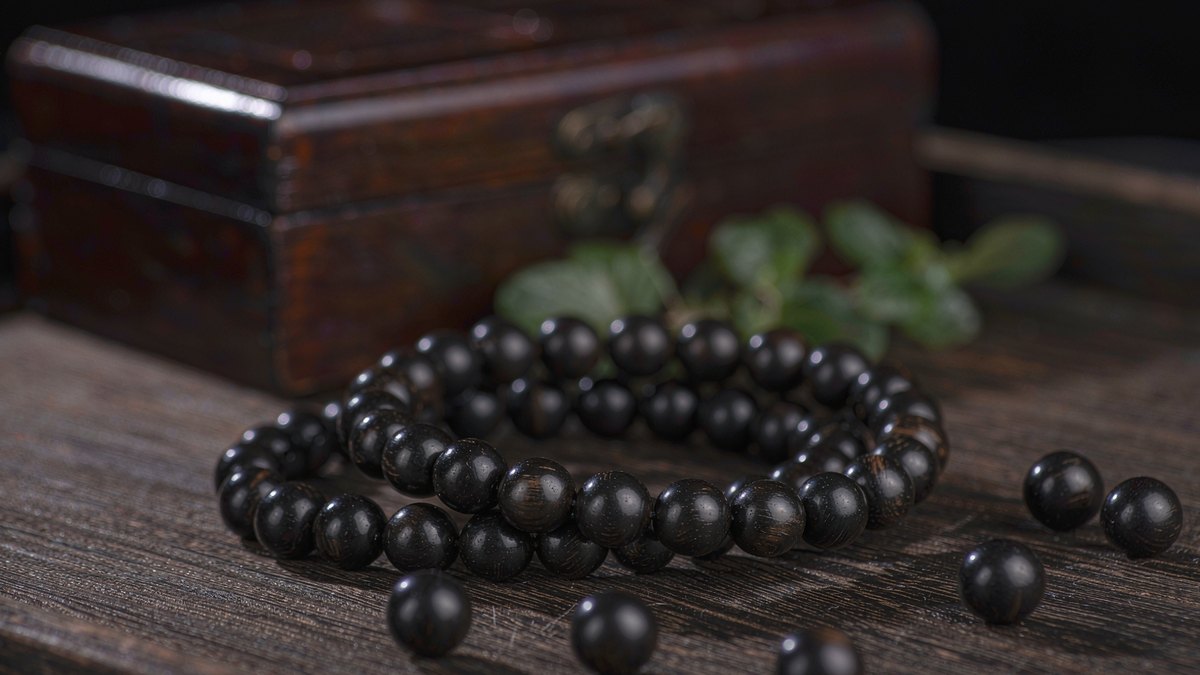
Buy from traceable, testable channels and match the form (incense, beads, raw wood) to your use. Avoid exaggerated claims such as "wild" or "sinking grade" without proof, and prefer products with lab reports and origin documentation.
How should agarwood be stored and maintained?
Agarwood dislikes moisture, odours and direct sunlight. Keep it sealed, dark and cool, store different origins separately, and air and inspect long-stored pieces periodically against mould and insects.
How can I tell real agarwood from fake?
Authentication combines sensory checks with technical ones: natural agarwood has a clean, long-lasting, cool-sweet scent and burns with pale, non-pungent smoke. GC-MS analysis of characteristic compounds (chromones, sesquiterpenes) adds objective confirmation. Buying through traceable channels with certificates lowers the risk.
How do agarwood origins differ?
Climate, tree species and resin-induction methods give each origin a distinct scent profile — for example Hainan tends to be clean and elegant, Vietnam sweet and cool, Indonesia deep and full. Origin is a key factor in grading and pricing.
What is the current agarwood market like?
Prices diverge sharply by resin density, origin and form, with both top-end collectibles and entry-level consumer products active. Use actual transactions from legal, testable channels as reference rather than a single quotation.
What is the relationship between agarwood and incense culture?
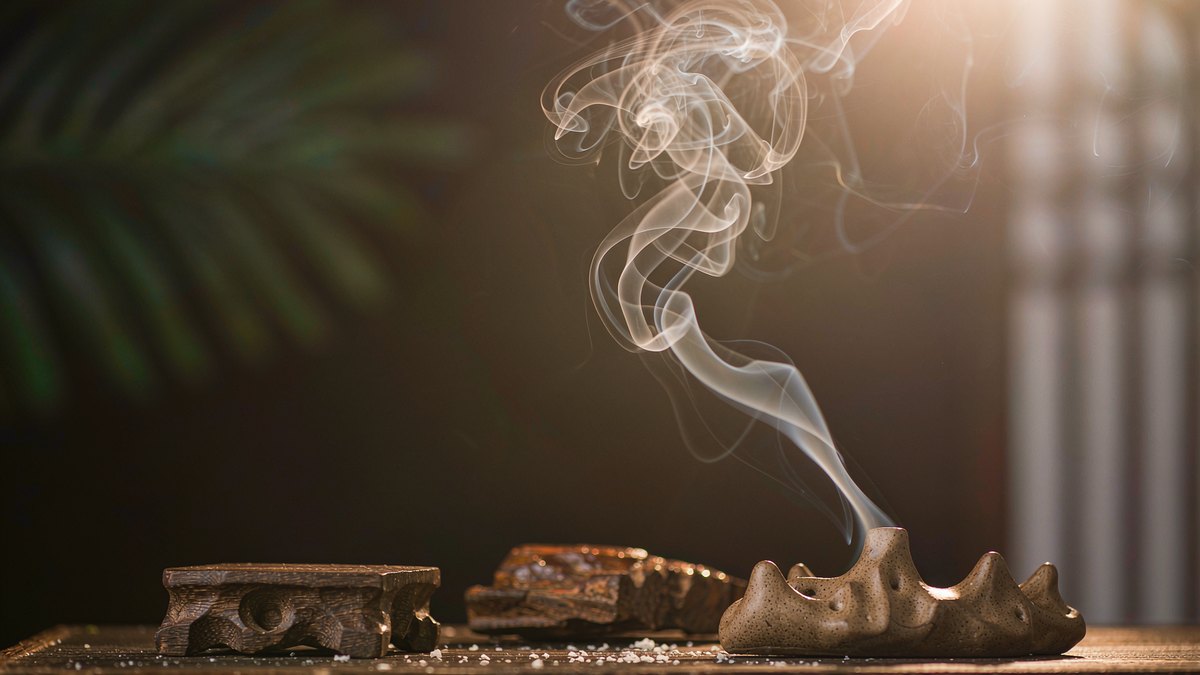
Agarwood is the core medium of East Asian incense culture, spanning temple offerings, literati gatherings and contemporary lifestyle aesthetics. Understanding this cultural background helps explain its value.
Does agarwood have health benefits?
Traditionally agarwood has been used for calming and sleep-related rituals, but evidence quality and dosage need careful reading. Keep traditional use and scientific evidence clearly separated and follow professional guidance.
This is an aggregated digest. Original source:View original(中国沉香网)
参考资料
Related reading
评论区
评论匿名可浏览,登录后可发表;提交后先审后显。
评论加载中…
Check related market data
Want the reference price for this category? Compare on the market page.
Go to market