Hainan's 'Six Trees' Agarwood: Policies, Science, and Products
Source:中国沉香网· 2025-07-01· 中国沉香网· 85 views
Qiongzhi Tianxiang, a piece worth ten thousand coins. Just how precious is Hainan agarwood? Every part of it is treasured: it can be used in medicine, brewed as tea, made into cultural playthings and ornaments, and its extracted essential oil sells for a thousand yuan per gram—hence the saying, one tael of gold for one tael of agarwood...

In recent years, Hainan Province has strongly supported the development of the agarwood industry. At present, the province's agarwood planting area is nearly 500,000 mu, forming concentrated production areas in Haikou, Sanya, Qiongzhong, Danzhou, Chengmai, Tunchang and elsewhere. Of this, Aquilaria sinensis covers more than 100,000 mu, about 80% of which has reached resin-producing age; easy-resin qinan agarwood varieties cover more than 200,000 mu, about 50% of which can already produce resin.
As the scale of agarwood planting gradually expands, standing at a newinflection point, how should Hainan's agarwood industry open up a new blue ocean and bring agarwood into ordinary households?
Standardization of agarwood policy
In recent years, Hainan Province has continuously issued policies to safeguard the development of the agarwood industry.
In 2018, the Hainan Agarwood Industry Development Plan was issued, proposing to expand agarwood planting, overcome key technologies, and deeply tap the industry's development potential.
In April 2020, the Hainan Provincial Government held a special meeting that set the tone for the development of Hainan's agarwood industry: do everything possible to expand the benefits to farmers and cultivate agarwood as a tree for farmers to escape poverty and become prosperous.
In 2022, agarwood was listed as one of Hainan's 'Six Trees' for priority development. Hainan plans to promote industrial quality and efficiency across the entire chain, from planting and deep processing to trade.

September 2023, the Hainan Province Agarwood Whole-Industry-Chain Innovation Development Plan full-chain layout and 2030 targets (Provincial Department of Science and Technology/Forestry Bureau)
Implemented in 2024, income tax reduction and exemption policy for agarwood biotechnology products, 15% tax rate preference for deep-processed products (Provincial Tax Service)
November 2024, 'Hainan Agarwood' geographical indication trademark authorization, second batch of enterprise trademark use review (Provincial Academy of Forestry)
January 2025, Agarwood Industry Development Three-Year Action Plan (draft for comments) 2025-2027 phased tasks (Provincial Forestry Bureau)
May 2025, Baoting County measures to promote the agarwood industry, planting/processing subsidy rules (Baoting County Government)
In 2023, the Hainan Province Agarwood Whole-Industry-Chain Innovation Development Plan (2023-2030) was released. The Plan proposes that by 2030, the province's agarwood planting area will reach 300,000 mu, agarwood output will reach 600 tons, and output value will exceed 5 billion yuan, building Hainan into an international high-quality agarwood raw material base, an international agarwood product deep-processing base, an international agarwood R&D center and an international agarwood trade center, with integrated development of primary, secondary and tertiary industries.
With the plan issued, localities are pushing forward. Tunchang County added 2,362 mu of agarwood planting in 2023, bringing the cumulative total to 19,600 mu, newly established 4 standardized agarwood planting demonstration bases and 2 seedling cultivation bases, and now has more than 20 agarwood planting enterprises and cooperatives; Qiongzhong County has a total agarwood planting area of 15,000 mu, involving 6 resin-formation enterprises.
As policy dividends are released and market levers take effect, more and more enterprises and research institutions are beginning to explore deep development of agarwood.
In 2021, Hainan Daguan Agarwood Company's 100,000-mu agarwood industrial park landed in Qiongzhong. Yang Ziwen, co-founder and president of Hainan Daguan Agarwood Industry Development Co., Ltd., said: 'This is social capital's response to Hainan Province's decision to make agarwood a key industry.'
Scientific agarwood planting
The small stock of agarwood restricts industrial development.
Agarwood trees prefer low-altitude mountains and hills. From July to November each year, Hainan is frequently hit by typhoons, and perennial typhoon disturbance greatly increases the probability of agarwood trees breaking and being injured. However, wounds from broken tree bodies favor resin formation, and this natural resin formation method cannot be matched by artificial planting-induced resin formation. Therefore, Hainan has been a core production area for top-grade agarwood from ancient times to the present.
'Hainan agarwood has long suffered from insufficient application of improved varieties, standardized cultivation, and efficient resin formation technologies,' said Dai Haofu, head of the Haikou Comprehensive Experimental Station of the National Traditional Chinese Medicine Industry Technology System at the Institute of Bioscience, Chinese Academy of Tropical Agricultural Sciences (CATAS). Traditional agarwood planting mostly uses seedlings, without systematic selection and breeding. At present, the application rate of new afforestation varieties in Hainan's agarwood planting industry as a whole is still below 30%, and there is no standardized planting or efficient resin formation technology.
At the Daguan agarwood base, agarwood trees across the hills stretch their branches and leaves in the sunlight. Yang Ziwen is full of gratification: 'Daguan agarwood, with high-quality varieties and scientific planting and resin formation technologies, has achieved standardized agarwood planting and market-oriented industrialization.' At present, the base has planted more than 800,000 agarwood trees. Within three years, the base's planting scale will exceed 10,000 mu, with more than 1.2 million agarwood trees.

'Traditional agarwood takes about 8-10 years from planting, resin formation, and harvesting to generating income, which undoubtedly affects growers' enthusiasm for production,' Dai Haofu said. In the market, some agarwood is used as medicinal material and some as spice, and different needs have different requirements for varieties.
Dai Haofu's team has successively bred the Reke series of Aquilaria sinensis varieties. 'In 2016, we completed the first certification of the new agarwood variety Reke No. 1, and have now completed the development of five Reke series varieties. Among them, improved varieties such as Reke No. 2, Reke No. 5 and Reke No. 6 have the characteristics of easy resin production, high yield and excellent quality, and can shorten the resin formation period to 3-4 years.'

Combined with the selection and breeding of new varieties, Dai Haofu's team screened high-quality rootstock sources, carried out large-scale rootstock propagation, built scion gardens, implemented integrated water and fertilizer management, optimized the technical process of bud grafting and branch grafting, and formed a bud grafting and branch grafting technology system under natural conditions. The grafting survival rate increased from 55% to more than 90%, the propagation cycle was shortened by 2-3 months, and the group standard Technical Regulations for the Production of Aquilaria sinensis Grafted Seedlings was compiled, achieving standardized and efficient propagation of improved varieties.
At present, Hainan Province has approved 13 improved agarwood varieties, including 8 easy-resin varieties. With good varieties, good resin formation technology is also needed. In recent years, research institutions and enterprises have continuously made efforts in this regard.
At the Daguan agarwood base, on the trunks of some five-year-old agarwood trees, the pruned areas have begun to turn brown, indicating that the agarwood has begun to form resin. Yang Ziwen said: 'After years of exploration, the company has developed a patented technology—a bionic natural resin formation method—which enables agarwood to form resin naturally through physical damage that mimics the natural environment.'
As planting and resin formation technologies become increasingly stable, enterprises have begun to drive more people to plant agarwood. In 2022, Daguan Agarwood conducted a pilot in Wanling Town, planting 3,000 agarwood trees, and launched a 'two frees and two guarantees' policy: the enterprise provides free seedlings and free technical services, guarantees the resin yield of each tree, and guarantees purchase at a floor price.
'Since the longer agarwood is planted, the better the quality and the higher the yield, in order to protect farmers' enthusiasm for planting, after survival, in the second year we pay farmers 10 yuan per tree, and from the fifth year onward we pay farmers 40 yuan per tree per year. When harvesting resin, we also guarantee purchase at a floor price of 5,000 yuan per tree,' Yang Ziwen said.
Improving the agarwood industry
A disorderly market is hard to sustain. In the former agarwood market, the lack of identification and classification standards led to uneven product quality.
'Traceability is the first step in standardizing the agarwood industry. Previously, the agarwood blockchain traceability system used barcodes or QR codes. Some unscrupulous merchants deliberately swapped them to deceive consumers for higher profits,' Yang Ziwen said.
In 2021, Daguan Agarwood Company joined hands with Shanghai Jingshi Technology Company to build a chip-based agarwood whole-industry-chain traceability system, and the agarwood traceability system entered the chip era. 'At our base, every agarwood tree has its own chip,' Yang Ziwen said. 'One tree, one chip' enables full-chain monitoring and management from seedling grafting, planting management to resin formation and harvesting, product processing, and then warehousing, logistics and commodity sales, ensuring that consumers can buy truly pure Hainan agarwood products.'
Traceability and identification are both indispensable. Dai Haofu's team established an agarwood identification technology system, built the world's first agarwood mass spectrometry database containing 240 characteristic components, and on this basis formulated agarwood identification standards and obtained judicial identification permission for agarwood. Over the past three years, CATAS has issued more than 700 reports and more than 5,000 certificates, assisted public security organs in testing 15 samples, and recovered economic losses of more than 100 million yuan for growers, merchants and consumers.
Next, the Hainan Provincial Forestry Bureau, CATAS, the Hainan Provincial Academy of Forestry, and the Hainan Provincial Agarwood Industry Federation will jointly formulate official standards to identify resin formation methods for consumers to choose from.
In 2024, CATAS included 'Qiongzhong Agarwood' in key scientific research support projects, and will actively promote the rapid development of the agarwood industry through cooperation with local governments, enterprises, universities and other parties, continuously injecting scientific and technological momentum into Qiongzhong's industrial development.
'We will highlight scientific and technological cooperation across the entire industry chain, including germplasm resource collection, new variety selection and breeding, efficient planting, and new product development. We will accelerate the transformation and application of scientific and technological achievements, and use the 'one institute for one county' science and technology assistance and 'rural revitalization connection fund projects' to transform and apply new agarwood varieties and efficient resin formation technologies. We will leverage advantages in inspection and testing, talent, and science and technology to help build an agarwood (tree) listing and trading platform. We will explore new scientific and technological innovation models such as 'agarwood science and technology courtyards' to enhance the level of new quality productive forces in the agarwood field,' Dai Haofu said.
Making agarwood products accessible
A cultural and creative product jointly developed by Daguan Agarwood Company and the National Library of China—agarwood mountain-shaped dragon-pattern incense coils—has been launched. Inspired by Su Shi's Ode to the Agarwood Mountain, this product well combines agarwood products with traditional culture.
At present, there are about 1,000 agarwood enterprises in Hainan, covering different formats such as medicine, health and wellness, religion, daily chemicals, and craft collections; more than 200 agarwood products are produced, of which primary processed products such as cultural playthings and ornaments and incense products account for more than 90%.
The industry is flourishing, but the current Hainan agarwood industry still faces difficulties.
'Deep processing capacity for products is not strong, there is a lack of distinctive advantageous brands, and there is a lack of leading enterprise drivers. The market is dominated by primary processed products and lacks competitive flagship products,' Dai Haofu said. Among the 700 agarwood enterprises, very few have annual output value or turnover exceeding 10 million yuan; the vast majority are small and micro enterprises and small-scale growers, lacking leading enterprises to drive the interconnected development of the upstream and downstream of the agarwood industry.
'When it comes to agarwood, many people's understanding is still limited to cultural playthings and incense, and they think it is very expensive as soon as it is mentioned,' Yang Ziwen said. 'In fact, agarwood has many other uses, such as its unique calming effect. It has the potential to reach the huge health products and daily chemical products markets, being used in shampoo, toothpaste, pendants, tea brewing and wine soaking, and new drug development. Agarwood bark can be made into agarwood bark paper, which does not rot in water or breed insects, and is very suitable for ancient book restoration.'
Scientific research supports, enterprises transform. CATAS has jointly developed with enterprises more than 50 new agarwood products, including high-quality agarwood essential oil, agarwood perfume, agarwood oral freshener, agarwood Shukang oil and agarwood functional moxibustion. In 2024 alone, sales of new Hainan agarwood products reached 1 billion yuan, meeting diversified market demand and promoting innovative utilization of agarwood resources.
With the successful registration of two geographical indication certification trademarks—'Hainan Agarwood (incense)' and 'Hainan Agarwood (traditional Chinese medicinal material)'—in the future, Hainan agarwood will lead products with brands and drive the industry with trade.
'It is very obvious that agarwood, which has a long history in China, has finally entered the track and is developing rapidly,' Yang Ziwen said. There is reason to believe that agarwood achieving an output value of 100 billion yuan is just around the corner.
This article was compiled by 'Chenxiang.com'; original source: https://www.chenxiang123.com/hainan-liukeshu-chenxiang/
Compiled from industry information; not trading or investment advice.
Frequently Asked Questions
What is Hainan's 'Six Trees' Agarwood?
Hainan's agarwood industry is scaling up under the 'Six Trees' initiative, with nearly 500,000 mu planted, new varieties and resin technologies, and a push toward traceability and consumer-friendly products.
How should I choose agarwood?
Buy from traceable, testable channels and match the form (incense, beads, raw wood) to your use. Avoid exaggerated claims such as "wild" or "sinking grade" without proof, and prefer products with lab reports and origin documentation.
How should agarwood be stored and maintained?
Agarwood dislikes moisture, odours and direct sunlight. Keep it sealed, dark and cool, store different origins separately, and air and inspect long-stored pieces periodically against mould and insects.
How can I tell real agarwood from fake?
Authentication combines sensory checks with technical ones: natural agarwood has a clean, long-lasting, cool-sweet scent and burns with pale, non-pungent smoke. GC-MS analysis of characteristic compounds (chromones, sesquiterpenes) adds objective confirmation. Buying through traceable channels with certificates lowers the risk.
How do agarwood origins differ?
Climate, tree species and resin-induction methods give each origin a distinct scent profile — for example Hainan tends to be clean and elegant, Vietnam sweet and cool, Indonesia deep and full. Origin is a key factor in grading and pricing.
What is the current agarwood market like?
Prices diverge sharply by resin density, origin and form, with both top-end collectibles and entry-level consumer products active. Use actual transactions from legal, testable channels as reference rather than a single quotation.
What is the relationship between agarwood and incense culture?
Agarwood is the core medium of East Asian incense culture, spanning temple offerings, literati gatherings and contemporary lifestyle aesthetics. Understanding this cultural background helps explain its value.
Does agarwood have health benefits?
Traditionally agarwood has been used for calming and sleep-related rituals, but evidence quality and dosage need careful reading. Keep traditional use and scientific evidence clearly separated and follow professional guidance.
This is an aggregated digest. Original source:View original(中国沉香网)
参考资料
Related reading
Related Agarwood Picks
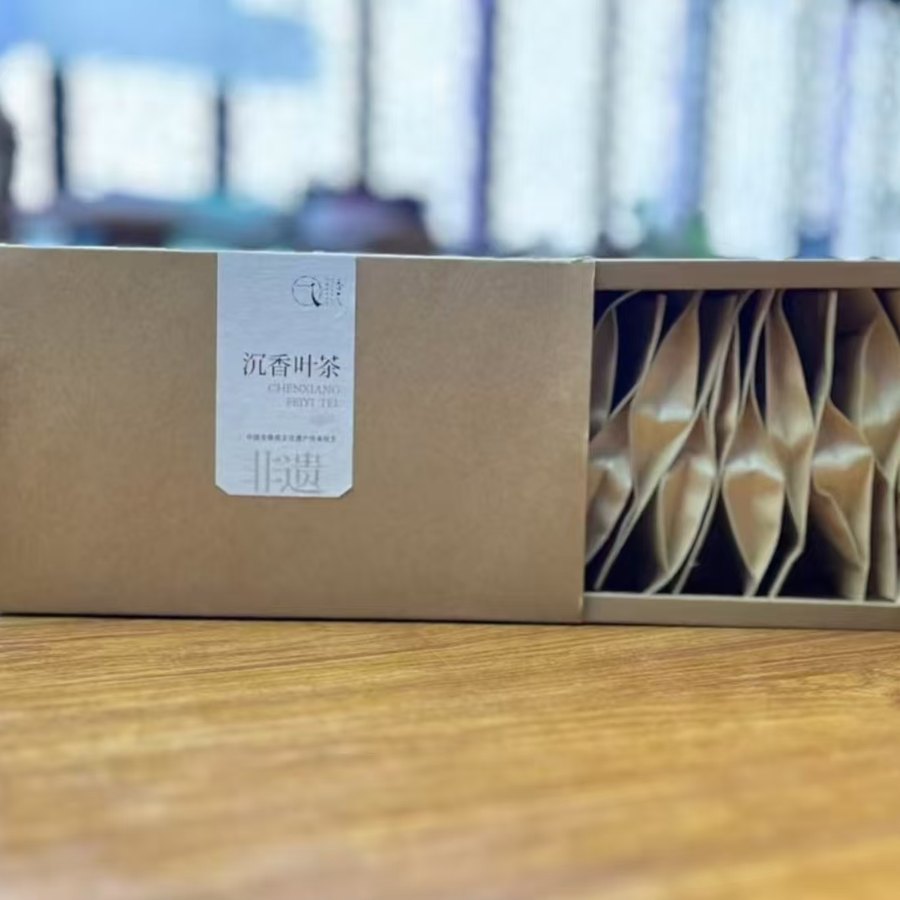
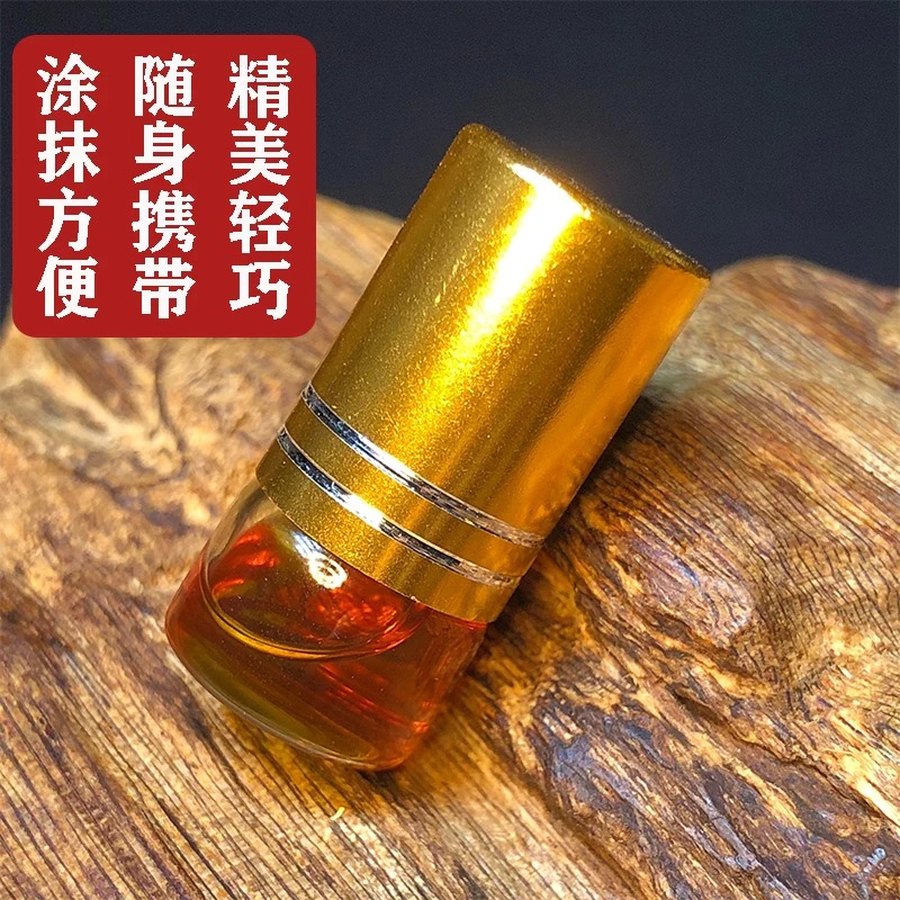
While reading, you might also like these compliant cultivated-agarwood products.
Visit Mall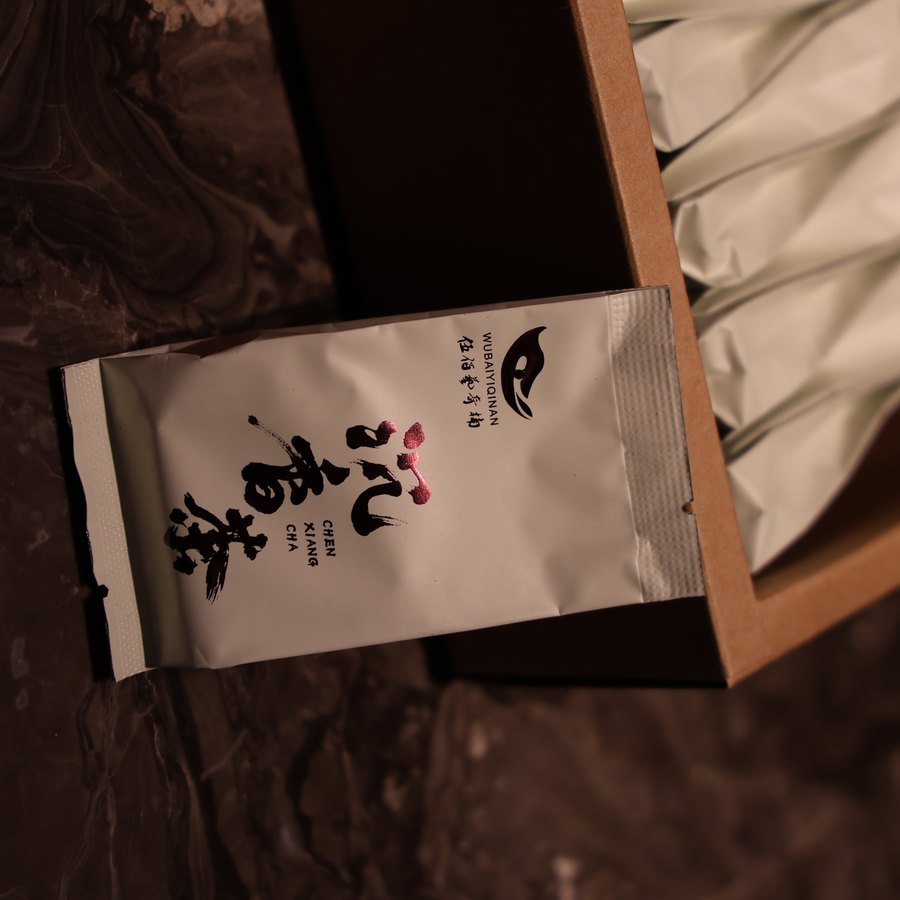
评论区
评论匿名可浏览,登录后可发表;提交后先审后显。
评论加载中…
Check related market data
Want the reference price for this category? Compare on the market page.
Go to market