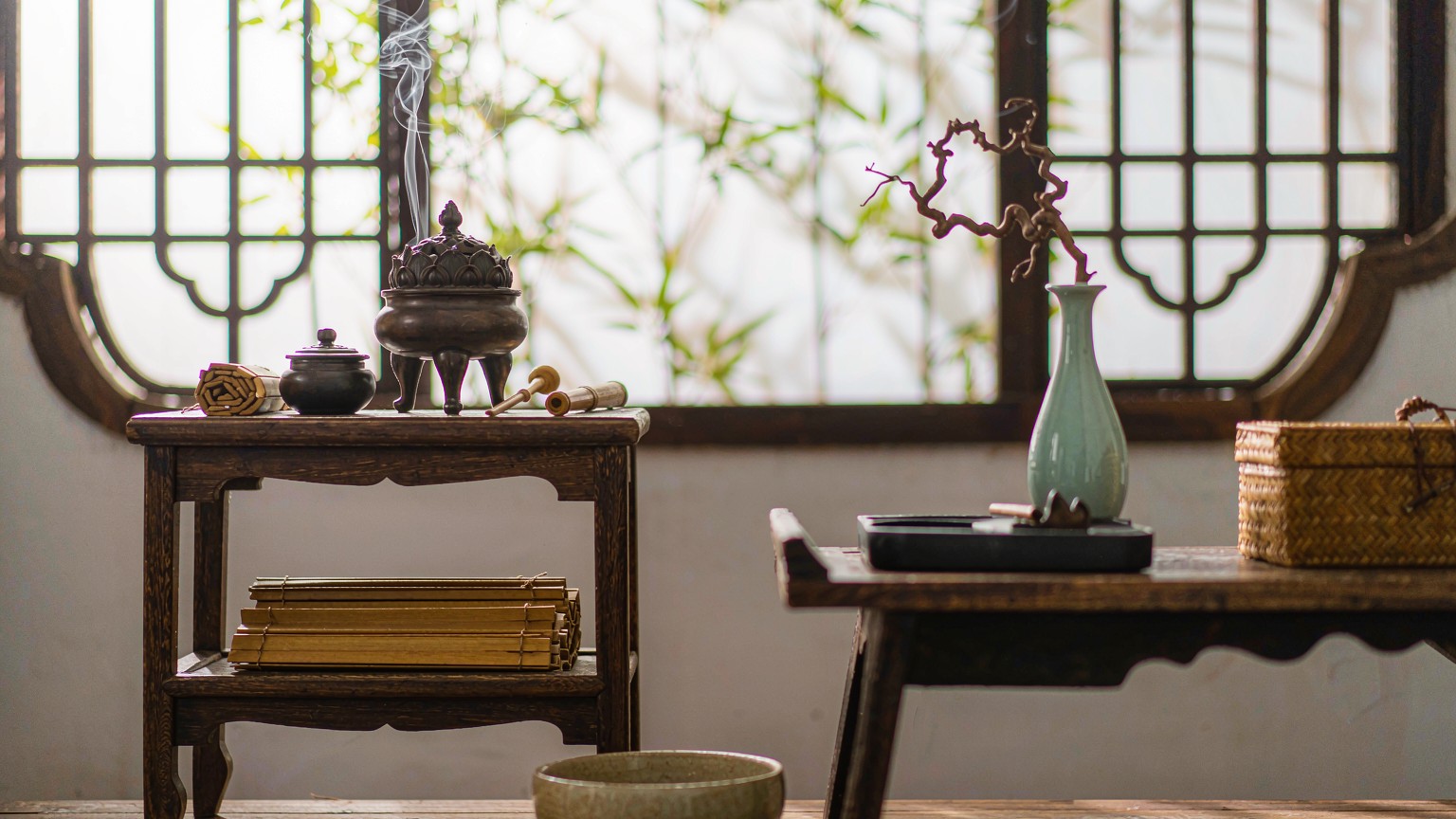
Seeking Fragrance in Chengmai County, the 'Hometown of Chinese Agarwood'
Source:中国沉香网· 2025-07-06· 中国沉香网· 77 views
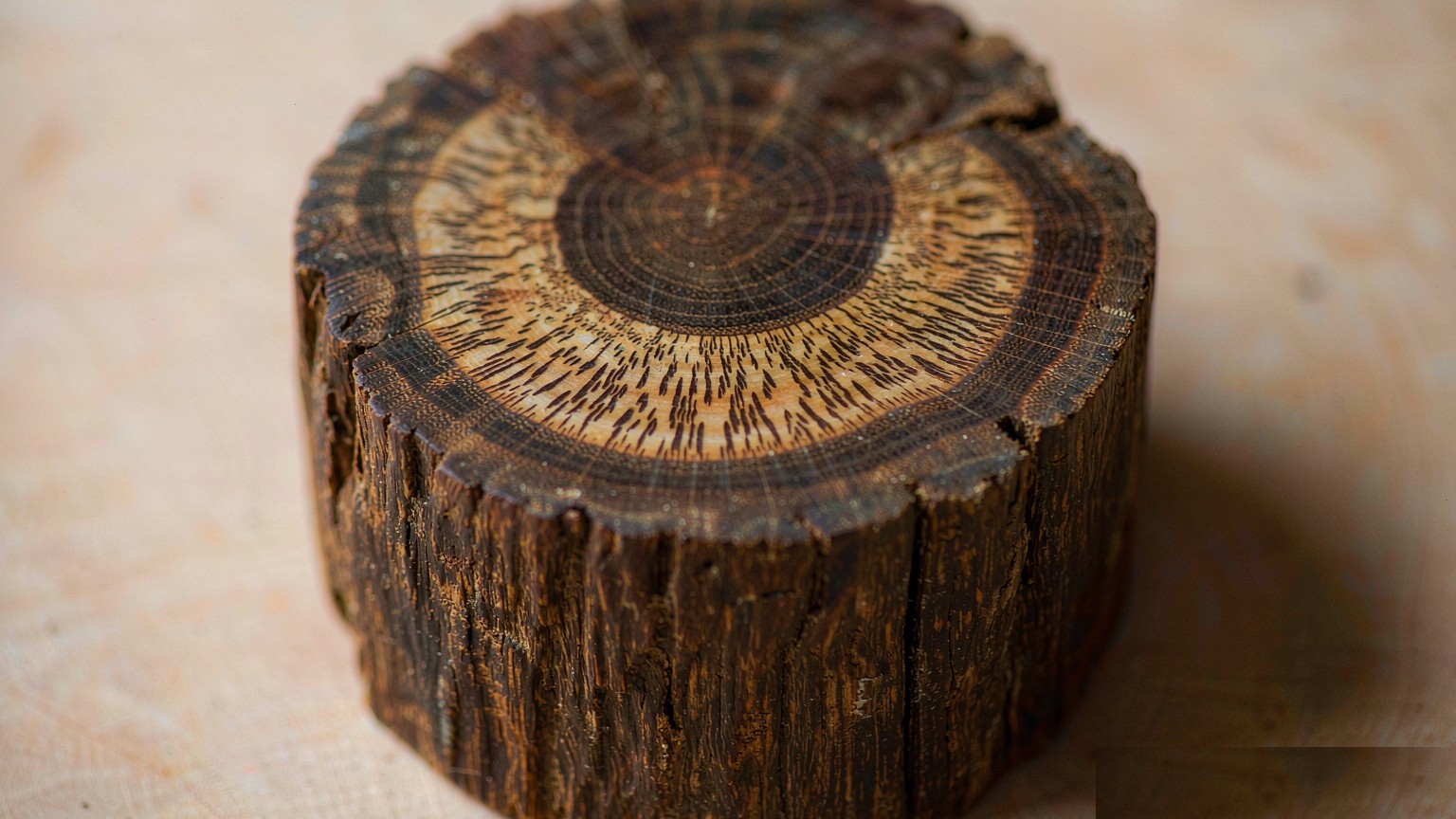
Chengmai County in Hainan is known as the "Hometown of Chinese agarwood." On the ancient agarwood trees in Changshu Village, Chengmai County, Hainan Province, mottled traces of resin formation record a hundred years of time. This agarwood tree is listed locally as a protected "living artifact" among famous trees, and it also bears witness to the transformation of Chengmai's agarwood industry from traditional planting to a modern industrial chain.

Walking into the processing workshop of Hainan Changshu Planting and Breeding Development Co., Ltd., waves of distinctive fragrance greet visitors. Agarwood raw materials of different specifications are sorted and displayed: intact fragrant wood is used for agarwood carved ornaments, scraps are made into agarwood incense sticks, powder is refined into agarwood essential oil, and even wood chips are processed into high-end organic fertilizer.
"All materials here can create value," Mr. Wang, the workshop manager, told China Agarwood Web. The company started in 2020 and has since formed a full chain covering seedling cultivation, planting, processing and sales. It produces 500,000 agarwood seedlings annually, directly employs 60 people, and provides grafting, resin induction and processing techniques free of charge to surrounding farmers.
In Jiale Town, Chengmai, at villager Cai Qinxin's agarwood processing workshop, logs are cut into neat fragrant wood pieces amid the roar of machines. "This is our local Aquilaria sinensis. After artificial resin induction, it can form resin in five years," he said, pointing to the fragrant blocks on the drying rack. In the past, wild agarwood took decades or even a century to mature; now artificial cultivation makes industrial scale possible.
Hainan agarwood has gone from "a piece worth ten thousand coins" in history to lush green hills today. Chengmai's agarwood tree planting area has now grown to 30,000 mu, with 18 cooperatives and 42 processing bases, and an annual output value exceeding 100 million yuan. More notably, this year Chengmai plans to add 5,000 mu of agarwood planting and, relying on agarwood, develop tourism sightseeing and experiential consumption as a specialty industry.

In the cultural and creative exhibition hall of Chengmai Fushan Coffee Culture Town, a set of agarwood cultural and creative products inspired by Su Dongpo attracted visitors' attention. These are entries in the agarwood cultural and creative design competition held locally in early June this year.
"Agarwood is not only a fragrance material but also a cultural carrier," said Tang Dianfeng, director of the Chengmai County Tourism, Culture, Radio, Television and Sports Bureau. In the future, the county will promote mass production of outstanding cultural and creative works, bring agarwood culture into modern life, and shift from simply selling raw materials to cultural empowerment to enhance product added value.

Chengmai is also building a traceability system of "one tree, one code, one certificate." "Each agarwood tree has a unique electronic ID that records the entire process of planting, resin induction and harvesting. In the future, blockchain technology will be integrated to achieve full-process traceability from planting to sales," said Zhang Taiji, director of the Chengmai County Forestry Bureau. Based on tens of thousands of mu of planting bases, the local government is already planning demonstration industrial parks, building a platform integrating creativity, design, auction, trading and industrialization, and promoting the integration of the agarwood industry with health industries and rural revitalization and farmer assistance. Leveraging the policy advantages of the Hainan Free Trade Port, it is exploring new models such as export tax rebates for agarwood products, so that agarwood truly becomes a tree of prosperity.
Chengmai agarwood is writing the story of the transformation and upgrading of a specialty industry. At the planting base of Hainan Qinan Park Agricultural Technology Development Co., Ltd. in northern Chengmai, more than 10 varieties of agarwood trees are growing vigorously on 700 mu of volcanic rock soil. "Chengmai's climate and soil are extremely suitable for agarwood trees, and the agarwood produced here is not inferior in quality to wild material," said Chen Yu, the base manager, who comes from Wenzhou, Zhejiang. He is optimistic about the trend of the agarwood market moving "from niche to mass market." "Artificial cultivation has brought agarwood consumption into ordinary households, and we are now more confident in participating in making this industry bigger and stronger."
This article was compiled by "China Agarwood Web." Original source: https://www.chenxiang123.com/china-chenxiangzhixiang-xunxiangji/
Compiled from industry information; not trading or investment advice.
Frequently Asked Questions
What is Seeking Fragrance in Chengmai County, the 'Hometown of Chinese Agarwood'?
Chengmai County in Hainan is known as the 'Hometown of Chinese Agarwood.' Ancient agarwood trees in Changshu Village bear resin formation marks that record a century of time and witness the county's agarwood industry shift from traditional planting to a modern value chain.
How should I choose agarwood?
Buy from traceable, testable channels and match the form (incense, beads, raw wood) to your use. Avoid exaggerated claims such as "wild" or "sinking grade" without proof, and prefer products with lab reports and origin documentation.
How should agarwood be stored and maintained?
Agarwood dislikes moisture, odours and direct sunlight. Keep it sealed, dark and cool, store different origins separately, and air and inspect long-stored pieces periodically against mould and insects.
How can I tell real agarwood from fake?
Authentication combines sensory checks with technical ones: natural agarwood has a clean, long-lasting, cool-sweet scent and burns with pale, non-pungent smoke. GC-MS analysis of characteristic compounds (chromones, sesquiterpenes) adds objective confirmation. Buying through traceable channels with certificates lowers the risk.
How do agarwood origins differ?
Climate, tree species and resin-induction methods give each origin a distinct scent profile — for example Hainan tends to be clean and elegant, Vietnam sweet and cool, Indonesia deep and full. Origin is a key factor in grading and pricing.
What is the current agarwood market like?
Prices diverge sharply by resin density, origin and form, with both top-end collectibles and entry-level consumer products active. Use actual transactions from legal, testable channels as reference rather than a single quotation.
What is the relationship between agarwood and incense culture?
Agarwood is the core medium of East Asian incense culture, spanning temple offerings, literati gatherings and contemporary lifestyle aesthetics. Understanding this cultural background helps explain its value.
Does agarwood have health benefits?
Traditionally agarwood has been used for calming and sleep-related rituals, but evidence quality and dosage need careful reading. Keep traditional use and scientific evidence clearly separated and follow professional guidance.
This is an aggregated digest. Original source:View original(中国沉香网)
参考资料
Related reading
评论区
评论匿名可浏览,登录后可发表;提交后先审后显。
评论加载中…
Check related market data
Want the reference price for this category? Compare on the market page.
Go to market