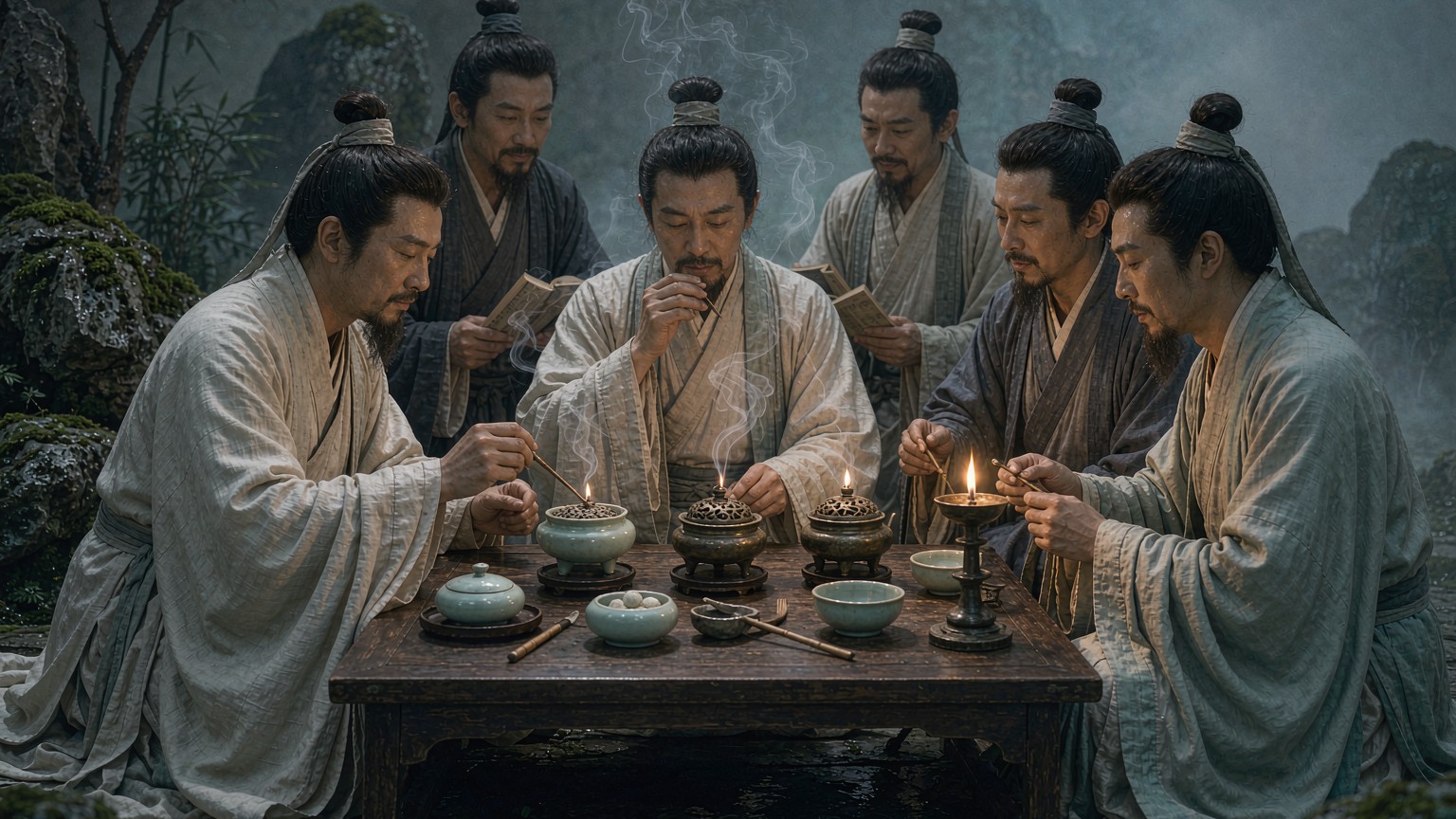
China Agarwood Industry Development Outlook
Source:中国沉香网· 2026-08-28· 中国沉香网· 76 views
Agarwood is a natural treasure that gathers the essence of heaven and earth and embodies millennia of refined elegance, using ordered aromatic energy fields to balance disorder in living organisms. Since ancient times it has ranked first among the four great fragrant woods—agarwood, sandalwood, ambergris and musk. After General Ma Yuan of the Eastern Han dynasty recovered Hainan and Jiaozhi, agarwood became a distinctive product of the Chinese land.
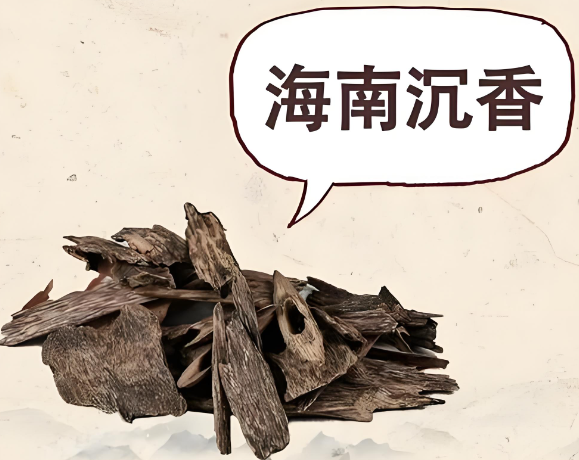
In the first century AD, the Han dynasty scholar Yang Fu of Panyu (Yang Hu) described the agarwood resin formation method in his work Yiwu Zhi (Records of Strange Things). From the Han and Wei periods, fragrant products ranged from court tribute items to superior medicines for treating wind-dampness and toxic swellings. After Hainan resumed central court jurisdiction in 458 AD, the Li people came ashore to trade, and the material was widely used.
Among the "four leisurely pursuits" in the studies of Tang and Song literati, agarwood was a spice and medicinal material commonly used by officials, literati and refined scholars, and a carrier of spiritual sustenance in traditional Chinese culture, passed down continuously through the Yuan, Ming and Qing dynasties.
With the passage of time, the ancient agarwood industry is undergoing a profound transformation from "cultural inheritance" to "bio-intelligent manufacturing." Relying on the deep foundations of Hainan agarwood and Guanxiang, combined with the policy dividends of the Hainan International Free Trade Port and the empowerment of artificial intelligence and biotechnology, China's agarwood industry is ushering in an unprecedented new era of development.
I. Historical and Cultural Inheritance of Agarwood
The cultural lineage of Chinese agarwood continues through the interplay of Hainan agarwood and Guanxiang (Guangfu agarwood).
Hainan agarwood enjoys the reputation of being "worth a fortune per piece, peerless in the world." Thanks to the tropical maritime monsoon climate and unique mountainous selenium-rich soil, with large day-night temperature differences and ocean moisture rich in electrolytes, Hainan agarwood has dense resin, a rich aroma profile and distinct layers. Ding Wei of the Northern Song dynasty systematically established the top-tier status of Hainan agarwood in his Tianxiang Zhuan (Treatise on Heavenly Fragrance), and Su Dongpo praised it as "firm as gold, lustrous as jade, with crane bones and dragon sinews." This profound cultural heritage has laid a solid brand foundation for Hainan's current effort to build an "international high-quality agarwood raw material base."
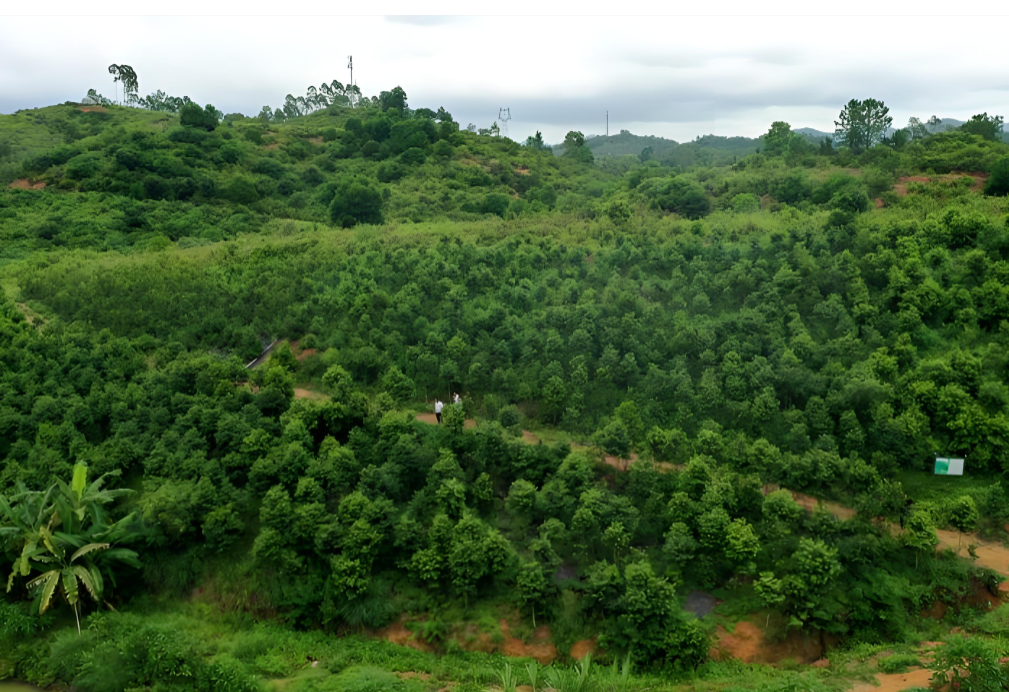
Guanxiang (local agarwood, Aquilaria sinensis) carries a thousand-year history of cultivation and trade in the Lingnan region. As a national second-class protected plant, the Guanxiang tree has a cultivation history of more than a thousand years in the ancient greater Dongguan area (Dongguan, Xiangshan, Xiangzhou, Pinghai, Hong Kong and Macao) as well as in ancient Gaozhou, Zhaozhou and Baizhou. Liaobu in Dongguan was one of the four famous incense markets of eastern Guangdong; in 2015 the State Council included Guanxiang production techniques and the "Liaobu incense market" in the fourth batch of national intangible cultural heritage representative items. With its unique clear and elegant character, Guanxiang stands out in Chinese agarwood culture.
Today, the two traditional production areas, through models such as "intangible heritage + education" and "agarwood + cultural tourism," are transforming ancient cultural IP into the core competitiveness of modern industry, bringing agarwood from the halls of history into the daily lives of the public.
II. Current Status of the Agarwood Industry
For a long time, the agarwood industry has faced pain points such as the depletion of wild resources, long resin formation cycles and difficulty in distinguishing authenticity. In recent years, the core planting areas of Hainan, Dianbai in Maoming, Guangdong, and Yulin, Guangxi, empowered by science and technology, are reshaping the upstream of the industrial chain.
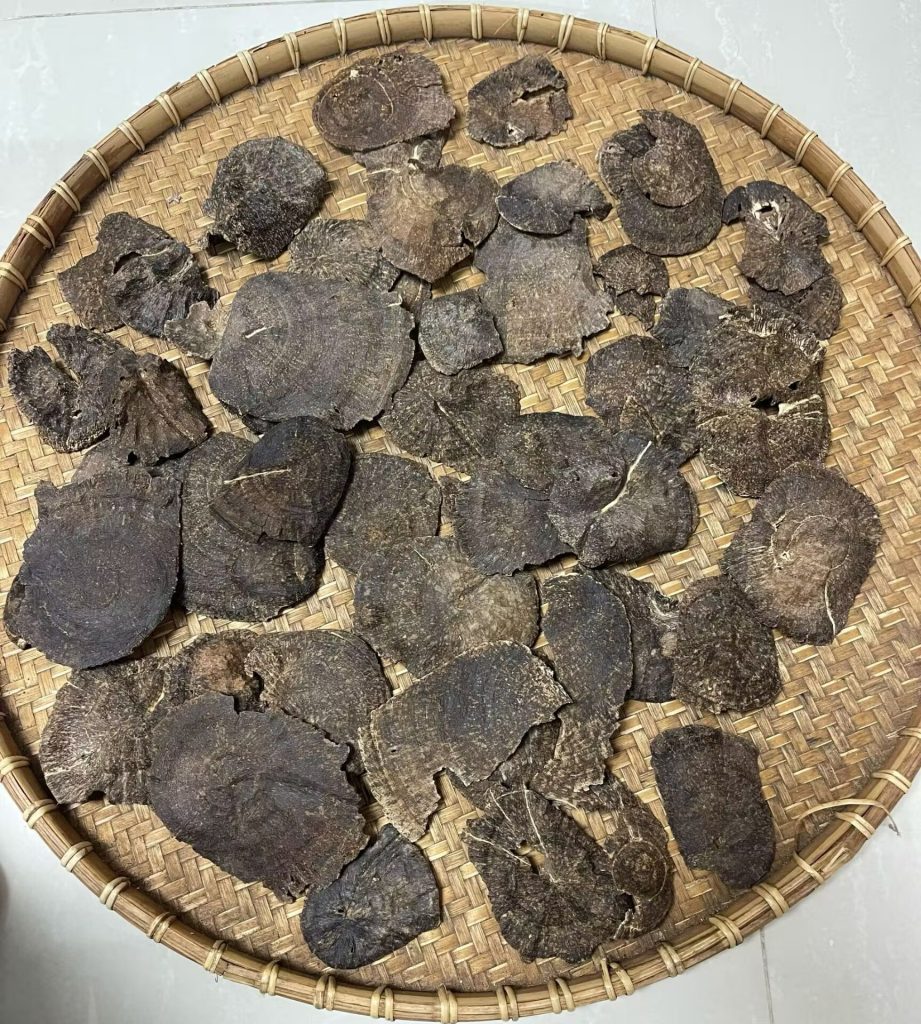
(1) Selection and Breeding of Superior Agarwood Varieties and Efficient Resin Formation
Natural resin formation in traditional Aquilaria sinensis trees takes decades to a hundred years. Fragrance farmers in Dianbai transplanted green qinan mother trees from Huidong, Guangdong, for grafting and seedling propagation. Research institutions such as the Chinese Academy of Tropical Agricultural Sciences and South China Agricultural University, together with Hainan, have bred superior varieties such as "Reke No. 1," "Reke No. 2" and the "Qixiang series," achieving "resin formation in 3 years, oil formation in 5 years." Combined with biotechnologies such as the "whole-tree resin formation method," the resin formation cycle has been greatly shortened, rewriting the traditional logic of agarwood that "it takes ten years to grow a tree and a hundred years to form resin."
(2) Large-Scale and Standardized Agarwood Planting
The Hainan provincial government has listed agarwood as one of the "six trees" for priority development, with a planting area of nearly 200,000 mu across the province, forming industrial clusters in Qiongzhong, Chengmai, Tunchang and Baoting. Dianbai in Guangdong has 300,000 mu of agarwood planting area and produces more than 30 million qinan agarwood seedlings annually, accounting for 80% of the national market. Yulin in Guangxi has nearly 100,000 mu under cultivation. The agarwood industry alliance has formulated full-chain standards covering seedlings, planting and quality grading, and is implementing a digital traceability system of "one tree, one code, one certificate," as the agarwood industry transforms from extensive agriculture and forestry to standardized modern agriculture and forestry.
(3) Deep Processing of Agarwood and Product Diversification
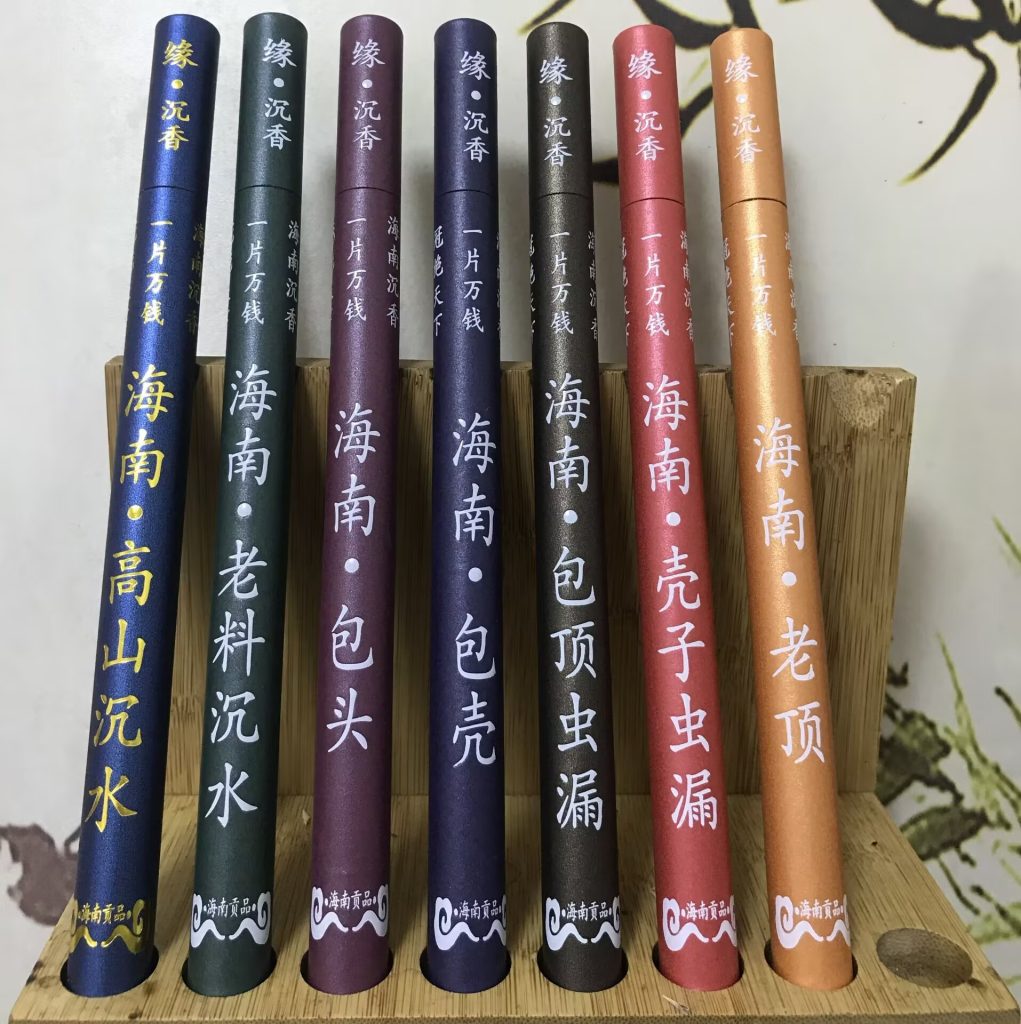
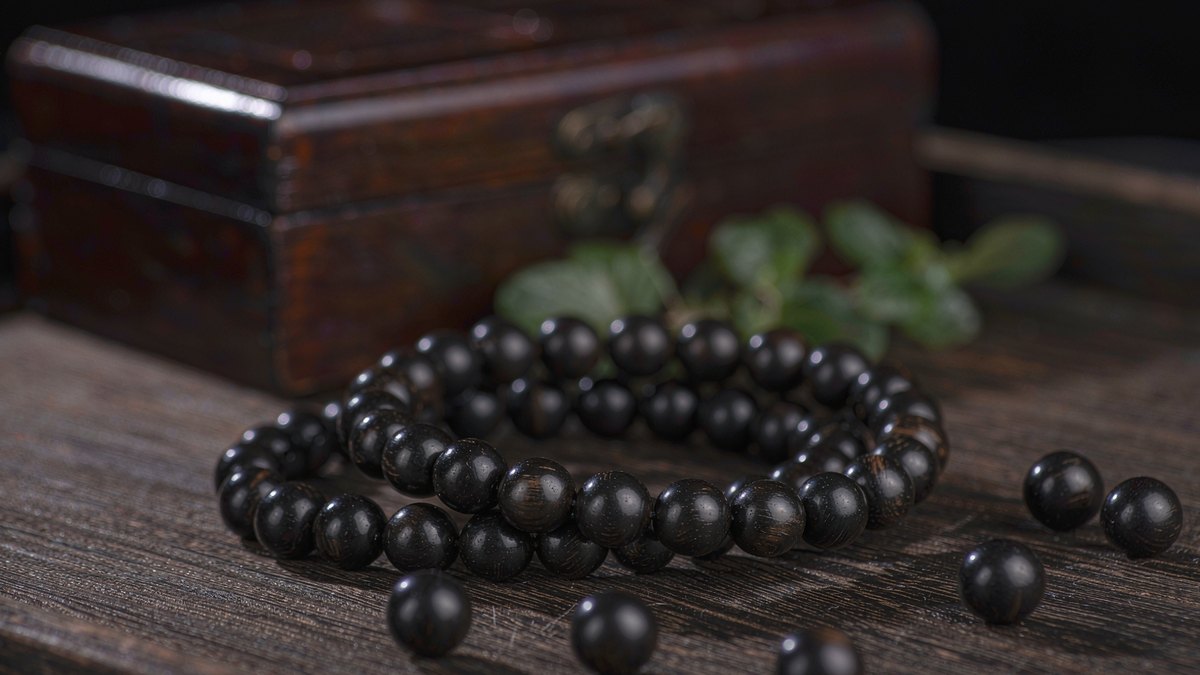
Agarwood products are no longer limited to primary incense and wearable products such as incense sticks and bracelets. With the processing value-added policy of the Hainan Free Trade Port, the industrial clusters of Dianbai in Guangdong and Yulin in Guangxi, and the Guangzhou Agarwood Association and Xinhui Xiaogang Incense Association, more than 200 high-quality refined processed products are continuously emerging—including high-quality fractionated agarwood essential oil, the qinan agarwood ordered series, Chinese patent medicines formulated with agarwood as the principal drug, agarwood ornaments that stimulate the olfactory and vagus nerves, daily chemical skincare products, agarwood health and wellness products, and especially innovative drugs applying AI large models and whole-genome atlas gene editing technology. The industrial chain continues to extend, and the added value of agarwood products has risen significantly.
III. Innovation-Driven Biosynthesis and New Manufacturing Scenarios
Led by the Hainan International Free Trade Port, China's agarwood industry is accelerating integrated innovation and coordinated progress with cutting-edge biotechnology, building highly imaginative new "bio-manufacturing" scenarios.
(1) Whole-Genome Analysis and Molecular Breeding
Germplasm identification and quality regulation of Aquilaria sinensis plants of the Thymelaeaceae agarwood genus have long lacked molecular-level basis. At present, relying on the national southern medicinal plant gene resource bank, Hainan has built the world's first agarwood gene bank, containing hundreds of germplasm resources. Through PacBio HiFi whole-genome sequencing and methylation analysis, researchers can precisely screen superior seedlings with strong stress resistance and high resin formation efficiency, eliminating wilding failures and genetic drift of varieties at the source.
(2) AI-Empowered Intelligent Planting and Identification
Artificial intelligence is reshaping the planting and identification stages of agarwood. AI model multimodal agents are used to simulate gene-environment interactions under different environments and predict seedling stability. Based on mass spectrometry databases and machine learning, the world's first agarwood identification center meeting CMA requirements has been established, capable of rapidly and automatically identifying the authenticity and grade of agarwood, solving the industry's long-standing problem of "difficulty in distinguishing true from false."
(3) Synthetic Biology and Directed Bio-Manufacturing
This is the most forward-looking direction for the agarwood industry. By analyzing the biosynthetic pathways of agarwood secondary metabolites (such as sesquiterpenes and chromone compounds) and using synthetic biology technology to heterologously synthesize key active ingredients of agarwood in microbial chassis cells, absolute dependence on plant raw materials can be eliminated. Gene editing technologies such as CRISPR can also precisely activate agarwood's own stress-resistance and resin formation genes; combined with the construction of a ternary microbiome, a mycorrhizal propagation "root microbiome bodyguard" that ensures genetic inheritance can be created, achieving high-yield, high-quality and sustainable agarwood production.
IV. Market Size and Industrial Chain Map
(1) Market Size and Growth Trend
Data from the Forward Industry Research Institute show that in 2025 the market size of China's entire agarwood industrial chain has exceeded 30 billion yuan, with annual growth maintained at 20%. Among this, e-commerce channels have become a new consumer mainstay; in 2024 the growth rate of agarwood e-commerce retail sales exceeded 70%, breaking through the traditional high-end circle and driving the rise of mass consumption.
(2) Panoramic Map of the Agarwood Industrial Chain
Planting and breeding: Production areas include Hainan, Dianbai in Guangdong, Yulin in Guangxi and Xishuangbanna in Yunnan. The focus is on building germplasm resource banks, breeding superior varieties and constructing standardized planting bases.
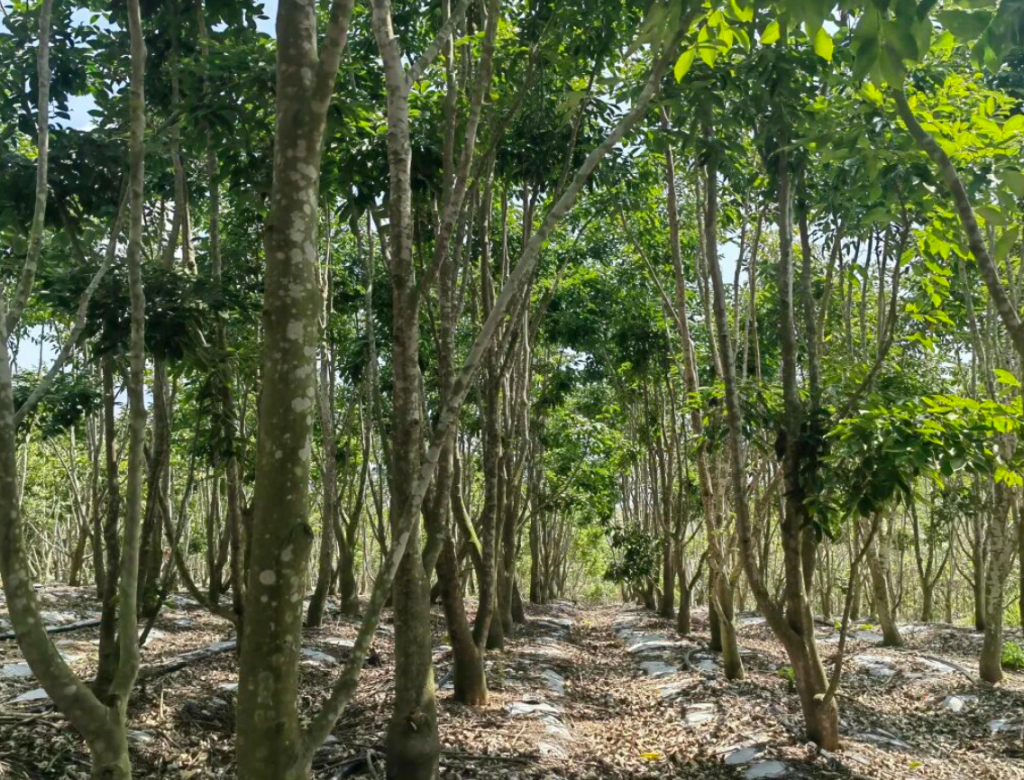
Processing and manufacturing: Covers primary processing (resin trimming and sorting), deep processing (essential oil extraction, decoction piece production) and bio-manufacturing (synthetic biology applications). Dianbai in Guangdong has more than 600 processing plants, and Hainan is cultivating "intelligent manufacturing + digital supervision" enterprises.
Circulation and consumption: Includes traditional offline transactions (such as the Dianbai Guanzhu agarwood wholesale market and Shadong agarwood market), livestream e-commerce (Douyin livestream bases), cross-border trade (Hainan Free Trade Port, the Canton Fair and the Xiamen Buddhist Supplies Exhibition) and cultural tourism and wellness (agarwood museums, wellness tourism routes).
V. Policy Goals and Market Landscape
First, the Hainan Free Trade Port is building a highland for agarwood industry going global and bio-intelligent manufacturing
Hainan has issued the Hainan Province Agarwood Whole-Industry-Chain Innovation and Development Plan (2023–2030) and the Hainan Province Three-Year Action Plan for Accelerating High-Quality Development of the Traditional Chinese Medicine Industry (2026–2028). The innovation advantages of all-round opening up and development lie in the "zero tariff, low tax rate" policy and the strategic positioning of building a "world aromatic and medicinal materials trading center."
Hainan is implementing "AI + IoT" monitoring of the entire planting process, building shared traditional Chinese medicine pharmacies and remote diagnosis and treatment platforms, and constructing a real-world research database for traditional Chinese medicine, in order to seize the right to set international standards.
Second, Dianbai in Maoming, Guangdong, is establishing a full-industrial-chain cluster for qinan planting and a mass-consumption engine
Dianbai District is targeting the goal of a "ten-billion-yuan industry," with the annual output value of the entire industrial chain exceeding 8 billion yuan in 2025. Its comparative advantage lies in having the country's largest qinan agarwood seedling propagation, planting and primary processing base, with well-developed trading and distribution centers such as the "Guanzhu agarwood products wholesale market" and the "Shadong agarwood market." A cross-border e-commerce industrial park has been established, promoting agarwood's shift from "high-end counters" to "traffic plazas," making it the source of mass consumption and export trade.
Third, regional coordination and differentiated development
Hainan, Guangzhou and Shenzhen focus on "high-precision and cutting-edge" agarwood biotechnology R&D and innovation, international standard setting and the supply of high-end aromatic materials and spices.
Dianbai in Guangdong focuses on large-scale planting, fragrant product processing and the development of mass consumer markets.
The two places have initially formed a coordinated and progressive pattern of "high-end fragrant product R&D in Hainan, manufacturing in Guangdong, and markets globally."
VI. Seizing the Window Period for High-Quality Development of the Agarwood Industry, Moving Toward the Goals of "Bio-Intelligent Manufacturing" and a Global Pricing Center
China's agarwood industry will present three major trends:
First, the agarwood industry must leap from "agricultural and forestry products" to "bio-based new materials"
Compiled from industry information; not trading or investment advice.
Frequently Asked Questions
What is China Agarwood Industry Development Outlook?
Agarwood is a natural treasure that gathers the essence of heaven and earth and embodies millennia of refined elegance, using ordered aromatic energy fields to balance disorder in living organisms. Since ancient times it has ranked first among the four great fragrant woods—agarwood, sandalwood, ambe
How should I choose agarwood?
Buy from traceable, testable channels and match the form (incense, beads, raw wood) to your use. Avoid exaggerated claims such as "wild" or "sinking grade" without proof, and prefer products with lab reports and origin documentation.
How should agarwood be stored and maintained?
Agarwood dislikes moisture, odours and direct sunlight. Keep it sealed, dark and cool, store different origins separately, and air and inspect long-stored pieces periodically against mould and insects.
How can I tell real agarwood from fake?
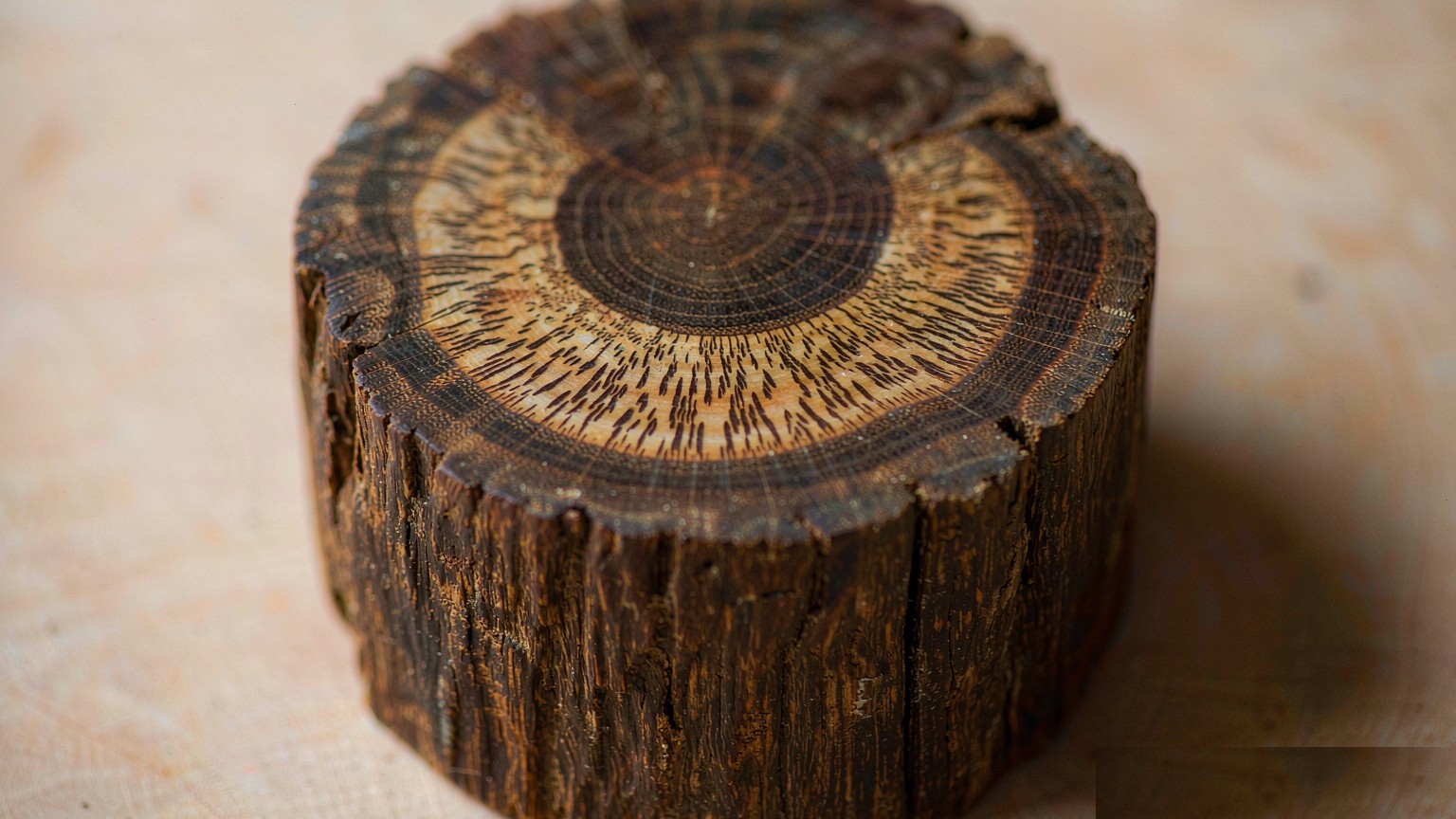
Authentication combines sensory checks with technical ones: natural agarwood has a clean, long-lasting, cool-sweet scent and burns with pale, non-pungent smoke. GC-MS analysis of characteristic compounds (chromones, sesquiterpenes) adds objective confirmation. Buying through traceable channels with certificates lowers the risk.
How do agarwood origins differ?
Climate, tree species and resin-induction methods give each origin a distinct scent profile — for example Hainan tends to be clean and elegant, Vietnam sweet and cool, Indonesia deep and full. Origin is a key factor in grading and pricing.
What is the current agarwood market like?
Prices diverge sharply by resin density, origin and form, with both top-end collectibles and entry-level consumer products active. Use actual transactions from legal, testable channels as reference rather than a single quotation.
What is the relationship between agarwood and incense culture?
Agarwood is the core medium of East Asian incense culture, spanning temple offerings, literati gatherings and contemporary lifestyle aesthetics. Understanding this cultural background helps explain its value.
Does agarwood have health benefits?
Traditionally agarwood has been used for calming and sleep-related rituals, but evidence quality and dosage need careful reading. Keep traditional use and scientific evidence clearly separated and follow professional guidance.
This is an aggregated digest. Original source:View original(中国沉香网)
参考资料
Related reading
评论区
评论匿名可浏览,登录后可发表;提交后先审后显。
评论加载中…
Check related market data
Want the reference price for this category? Compare on the market page.
Go to market