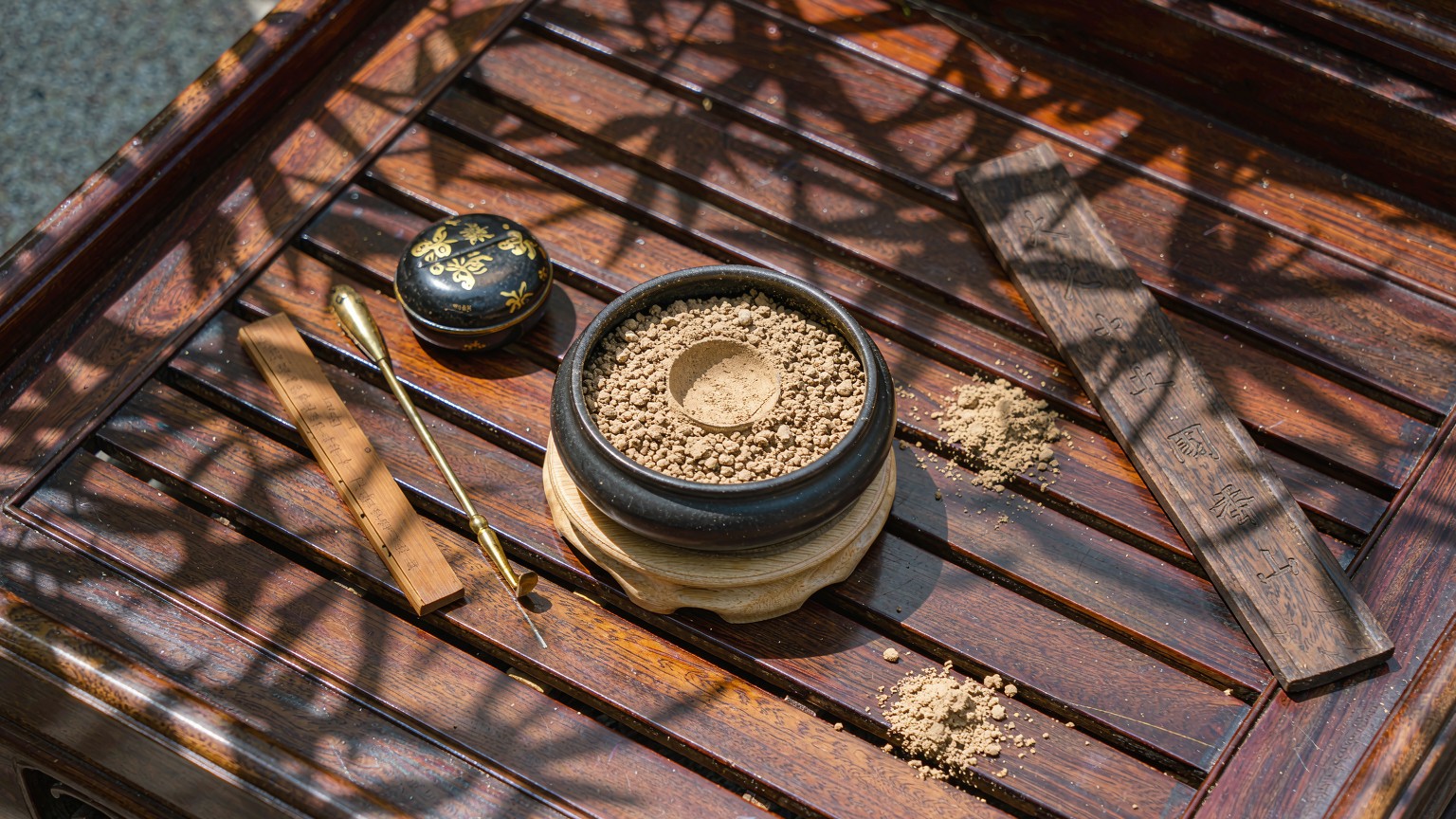
Guangdong Agarwood Industry Output to Exceed RMB 100 Billion by 2030
Source:中国沉香网· 2026-08-27· 中国沉香网· 75 views
Recently, the Guiding Opinions of the Guangdong Provincial Forestry Administration on Accelerating the High-Quality Development of the Province's Agarwood Industry (hereinafter referred to as the Guiding Opinions) was officially issued. It proposes that the province, with major production areas such as Maoming, Dongguan, Huizhou and Jiangmen as the core, will make systematic arrangements across seven dimensions: seedling production and supply, standardized planting, cultivation of business entities, deep processing, science and technology finance, brand building, and integration of the three industries. By 2030, the province's total area of artificial agarwood plantations will reach 700,000 mu, and the output value of the entire industrial chain will exceed RMB 100 billion.
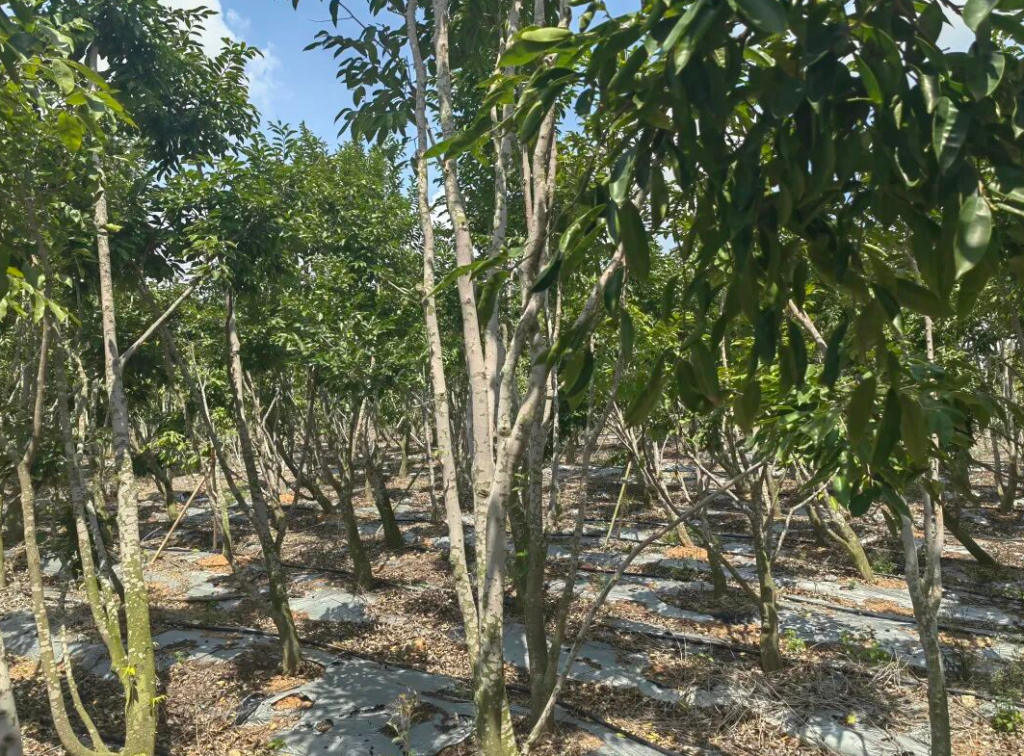
Province-wide planting scale reaches 500,000 mu, with Maoming, Dongguan and other areas becoming core production regions
Agarwood is a distinctive and advantageous forestry resource of Guangdong, combining ecological, economic, cultural and medicinal value. It is a core variety of southern Chinese medicine and an important carrier of Lingnan culture. At present, the province's qinan agarwood planting area has reached 300,000 mu and Aquilaria sinensis 200,000 mu, for a total scale of 500,000 mu. The province cultivates about 10 qinan agarwood varieties, mainly propagated by bud grafting, with an annual seedling production of about 40 million plants, supplying seedlings to various parts of South China. Nationwide, about 100,000 mu of new agarwood planting area is added each year, of which Guangdong accounts for about 60,000 mu.
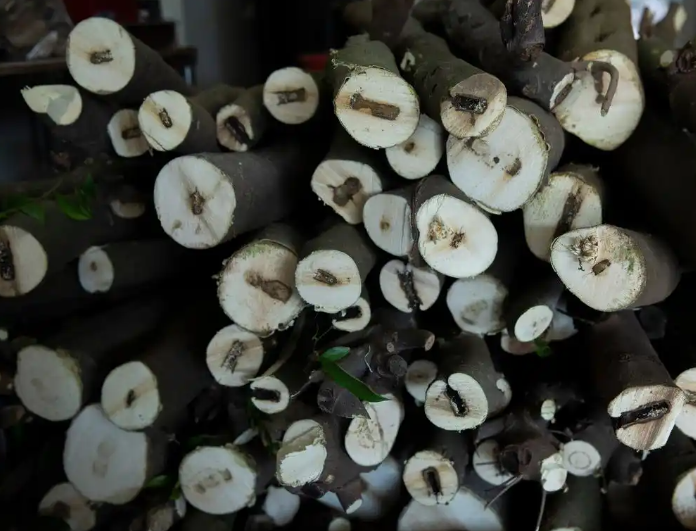
In terms of regional layout, Dianbai District in Maoming is the country's largest gathering and distribution center for agarwood planting, processing and trading, with more than 4,000 agarwood-related enterprises and about 100,000 jobs; Guanxiang in Dongguan has a thousand-year planting history, and Guanxiang culture has become a striking calling card of Lingnan culture; Huidong in Huizhou has distinctive green qinan germplasm resources, and the agarwood industry in Jiangmen, Chaozhou and other places has also begun to take shape.
"Agarwood originates from the defense response of trees of the Aquilaria genus in the Thymelaeaceae family to external stress. It is an oil-wood complex formed by resinous oils secreted at wounds combining with xylem tissue, and is often used as a precious authentic medicinal material and the finest natural fragrance." Xu Daping, chief scientist of the Chinese Academy of Forestry and researcher at the Research Institute of Tropical Forestry, explained that under natural conditions, a 20-year-old agarwood tree produces only a small amount of agarwood at natural injury sites, and the highest grade qinan agarwood is even harder to find than one in 100,000 trees, making it extremely rare.
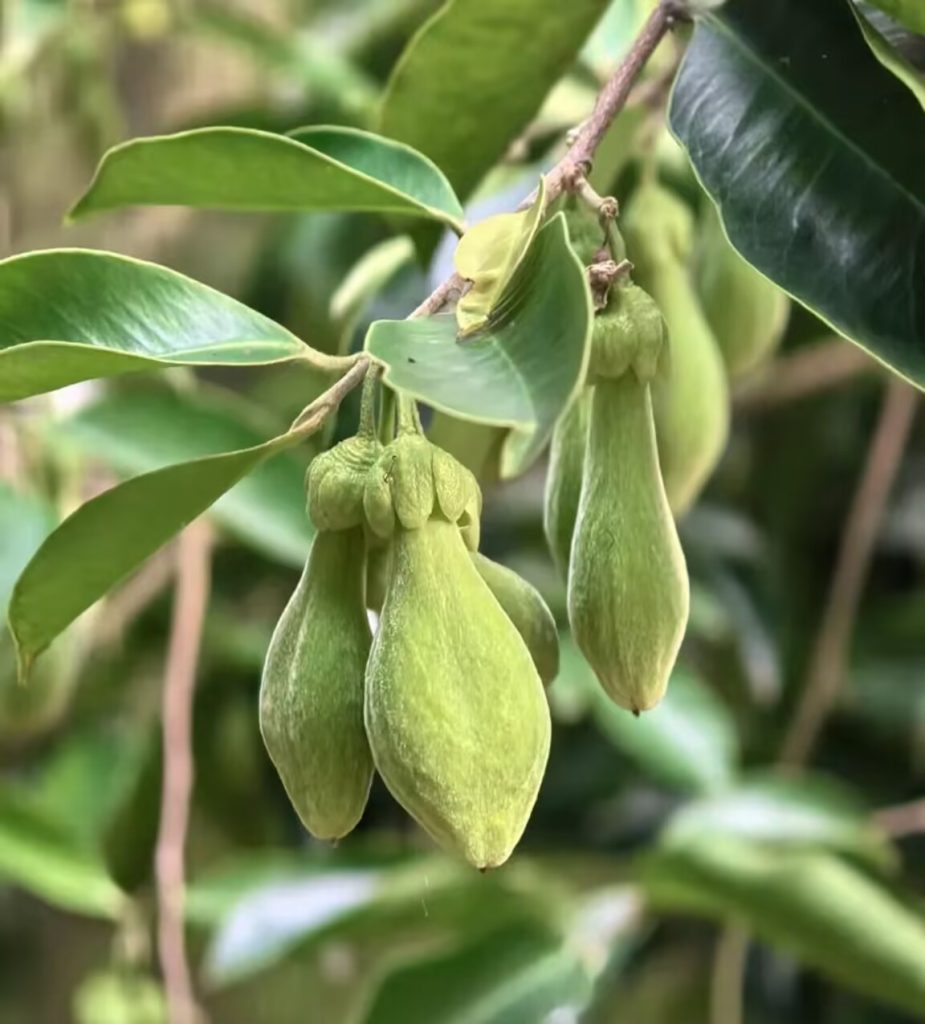
Technological breakthroughs are changing this situation. Xu Daping said that since 2010, researchers have selected a group of new easy-resin-forming lines from individual trees that naturally produce qinan agarwood, featuring early resin formation, rapid resin formation, high resin yield and high resin quality. "Trees as young as 3-4 years old can be induced to form resin by cold drilling; after treatment, resin forms and can be harvested in 2-3 years, yielding agarwood with an oil content of 10%-20%; a single tree can yield 500-1,000 grams of agarwood, and some reach 40% oil content and sinking grade, approaching the quality of wild qinan agarwood." The new easy-resin-forming varieties have entered large-scale planting since 2020, shortening the production cycle of artificial agarwood forests to 6-8 years, and the agarwood industry has thus entered a new era of easy-resin-forming varieties.
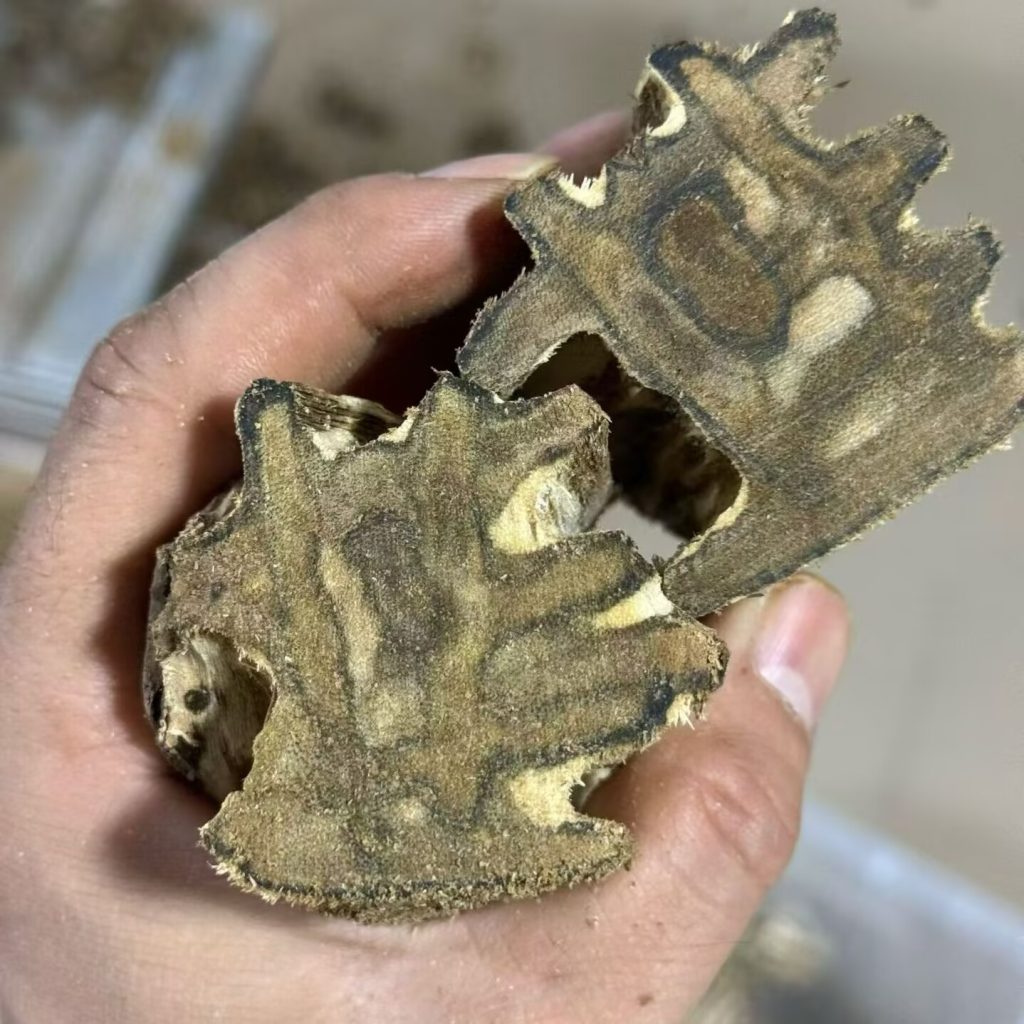
Guangdong currently promotes qinan agarwood varieties such as Xiguaye, Tangjie, Ziqi, Jinshaye, Youyezi and Aosheng, which form resin stably and have excellent quality; the new national-fragrance varieties Chengxiang No. 1 (heartwood oil) and Chengxiang No. 1 (tiger-stripe heartwood oil) are suitable for incense appreciation and medicinal use. In terms of planting model, about 222 trees are planted per mu, and harvest is generally possible after about 7 years; calculated by the "selling green mountain" method, the output value per mu can reach RMB 50,000-100,000. After the above-ground part of the tree is harvested, 1-2 generations can be continuously cultivated through sprout regeneration.
Seven measures for a whole-chain layout, building Guangdong's international agarwood trade platform
The Guiding Opinions focuses on key links such as the use of improved agarwood varieties, standard construction, planting quality improvement, processing upgrading, brand cultivation and cultural-tourism integration, and deploys seven key tasks. At the seedling end, it will continue to carry out province-wide surveys and collection of agarwood germplasm resources, strengthen the construction and management of national and provincial agarwood germplasm resource banks, focus on preserving local distinctive and excellent germplasm resources such as Dianbai qinan in Maoming, Guanxiang in Dongguan and green qinan in Huidong, Huizhou, establish and improve a seedling traceability system, and crack down on the production and sale of counterfeit and inferior seedlings. At the planting end, it supports localities in building national agarwood industry core zones, R&D centers and trading centers based on their resource endowments, formulates the Technical Regulations for Standardized Agarwood Planting in Guangdong, promotes models such as "replacing eucalyptus with agarwood, planting agarwood on barren land, and interplanting in fruit orchards," and encourages under-forest planting and three-dimensional cultivation.
The Guiding Opinions proposes that at the business entity end, support be given to leading enterprises, farmers' professional cooperatives, family forest farms and other new business entities to transfer collective forest land on a large scale for agarwood planting, striving to cultivate more than 200 business entities with an agarwood planting scale of over 500 mu by 2030, build an "enterprise + cooperative + farmer" interest linkage mechanism, promote efficient artificial resin formation technology, strive to increase resin yield per tree by 1 to 2 times, and train more than 10,000 person-times per year for business entities. At the processing end, support key enterprises in introducing advanced processing equipment and technology from home and abroad, encourage the development of high value-added products such as agarwood decoction pieces, Chinese patent medicines, essential oils, incense sticks, bracelets and ornaments, agarwood tea, agarwood wine and agarwood masks, support the construction of agarwood quality testing centers in Maoming, Dongguan and other places, and promote the construction of digital production lines and smart factories by processing enterprises.
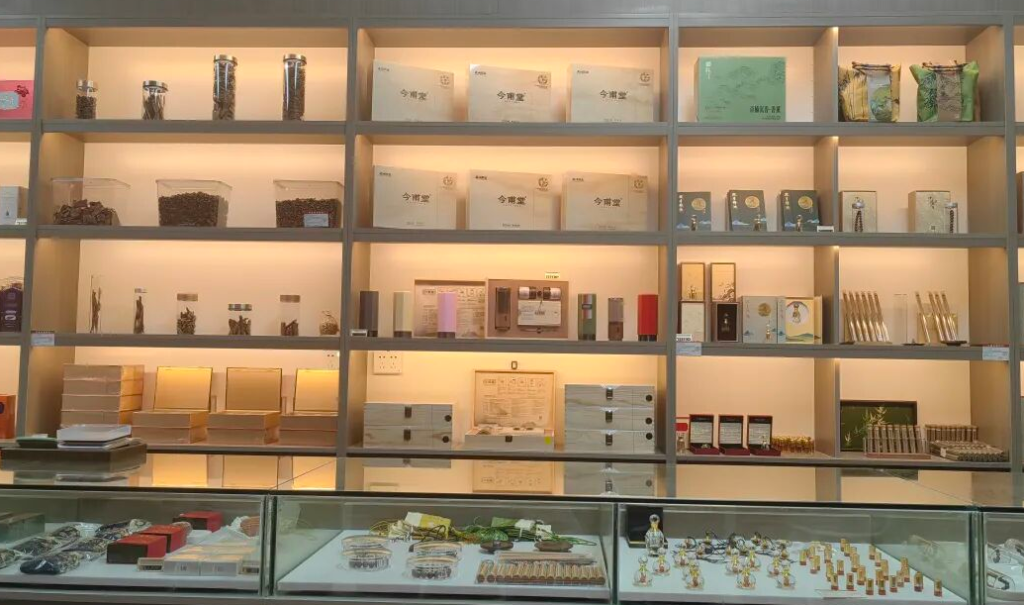
The Guiding Opinions specifies that at the science and technology finance end, support be given to building and improving the agarwood standards system, accelerating the formulation of whole-industrial-chain standards covering germplasm, seedlings, planting, resin formation, processing, quality grading, testing, packaging, labeling and traceability, supporting state-owned enterprises or leading enterprises in taking the lead in applying for agarwood import and export business and building trading markets, establishing the Guangdong Agarwood Industry Technology Innovation Alliance, encouraging vocational colleges to offer agarwood-related majors, innovatively launching seedling loans, planting loans, processing loans and industrial chain loans, and carrying out agarwood planting insurance and price insurance. At the brand end, support be given to building the "Yue Lin Shan Zhen" public brand agarwood series of distinctive brands, supporting major production areas in applying for geographical indication products and certification trademarks, organizing key agarwood enterprises to participate in exhibitions such as the Canton Fair and the Guangdong Forestry Expo, deeply exploring the cultural connotations of Lingnan agarwood, and telling the story of Guangdong agarwood well. At the integration end, relying on resources such as agarwood museums in Maoming Dianbai and Dongguan and the Huidong Agarwood Garden, build cultural-tourism and health-care destinations integrating planting, cultural experience, incense culture study tours, health and wellness vacations and sightseeing, and promote the deep integration of the agarwood industry with the big health industry and under-forest economy.

The Guiding Opinions specifies that by 2030, the province's total artificial agarwood plantation area will reach 700,000 mu, with about 100,000 mu harvested annually, an annual agarwood output of 15,000 tons, and the output value of the entire agarwood industrial chain will reach more than RMB 100 billion, of which the primary industry, such as agarwood seedlings, planting and harvesting, will account for 50%; the secondary industry, such as traditional Chinese medicine, health products, daily chemicals, handicraft processing and fine processing, will account for 30%; and the tertiary industry, such as trade, health care, services and culture, will account for 20%. It will actively build the "Yue Lin Shan Zhen" public brand agarwood series of distinctive brands and promote the building of Guangdong's agarwood international trade platform.
This article was compiled by "Chenxiang123" from aggregated sources. Original source: https://www.chenxiang123.com/2030-guangdong-chenxiang-chanye-qianyi-shizhi/
Compiled from industry information; not trading or investment advice.
Frequently Asked Questions
What is Guangdong Agarwood Industry Output to Exceed RMB 100 Billion by 2030?
Guangdong has issued guidance to accelerate high-quality development of its agarwood industry, aiming for 700,000 mu of plantations and over RMB 100 billion in whole-chain output by 2030, with Maoming, Dongguan, Huizhou and Jiangmen as core production areas.
How should I choose agarwood?
Buy from traceable, testable channels and match the form (incense, beads, raw wood) to your use. Avoid exaggerated claims such as "wild" or "sinking grade" without proof, and prefer products with lab reports and origin documentation.
How should agarwood be stored and maintained?
Agarwood dislikes moisture, odours and direct sunlight. Keep it sealed, dark and cool, store different origins separately, and air and inspect long-stored pieces periodically against mould and insects.
How can I tell real agarwood from fake?
Authentication combines sensory checks with technical ones: natural agarwood has a clean, long-lasting, cool-sweet scent and burns with pale, non-pungent smoke. GC-MS analysis of characteristic compounds (chromones, sesquiterpenes) adds objective confirmation. Buying through traceable channels with certificates lowers the risk.
How do agarwood origins differ?
Climate, tree species and resin-induction methods give each origin a distinct scent profile — for example Hainan tends to be clean and elegant, Vietnam sweet and cool, Indonesia deep and full. Origin is a key factor in grading and pricing.
What is the current agarwood market like?
Prices diverge sharply by resin density, origin and form, with both top-end collectibles and entry-level consumer products active. Use actual transactions from legal, testable channels as reference rather than a single quotation.
What is the relationship between agarwood and incense culture?
Agarwood is the core medium of East Asian incense culture, spanning temple offerings, literati gatherings and contemporary lifestyle aesthetics. Understanding this cultural background helps explain its value.
Does agarwood have health benefits?
Traditionally agarwood has been used for calming and sleep-related rituals, but evidence quality and dosage need careful reading. Keep traditional use and scientific evidence clearly separated and follow professional guidance.
This is an aggregated digest. Original source:View original(中国沉香网)
参考资料
Related reading
Related Agarwood Picks
While reading, you might also like these compliant cultivated-agarwood products.
Visit Mall
评论区
评论匿名可浏览,登录后可发表;提交后先审后显。
评论加载中…
Check related market data
Want the reference price for this category? Compare on the market page.
Go to market