Agarwood Powder Mesh Count: Standards Give a Range, Sellers Give a Fixed Number
Source:收稿桥投稿· 2026-10-29· 伍佰艺编辑部· 7 views
A customer once asked before placing an online order: what mesh is this powder?
The seller replied: 120 mesh, just right.
That sounds quite professional. What he didn't know was that these three characters cannot be found anywhere in the standard.
Let's be clear first: the term "mesh count" has a source; the specific number does not. These are two separate matters, and conflating them is the easiest way to end up in a dead-end argument.
The standard specifies a range
Group standard T/GDFS 49—2024 "Technical Code for Production and Processing of Primary Agarwood Products," two original passages:
4.2.5 Grinding: "Grind the crushed agarwood twice in succession... ultimately bringing the agarwood powder to a fineness of 100 mesh to 160 mesh."
4.2.6 Sieving: "Use sieves with mesh counts of 100 mesh to 160 mesh to sieve the ground agarwood powder..."
The figures given in both passages are exactly the same, falling within the 100 to 160 mesh range.
Note that this is a range, not a fixed value.
This section governs the incense-burning line. As for what mesh should be used for making incense seals or incense beads, the document does not address it.
The same term appears elsewhere in the same standard
In the bead-chain chapter, 4.3.15 Shaping: "Use 120 mesh to 150 mesh sandpaper for the first round of rough shaping."
4.3.16 Polishing: "Use 400 mesh to 600 mesh sandpaper for polishing."
Again mesh count. One is sieving powder, the other is grinding beads—the values differ by several times.
Put plainly, mesh count refers to which grade of sieve or sandpaper is used in a process; it is not a quality ranking.
Where does the seller's number come from
There is a category of web pages discussing agarwood powder mesh count, calling 120 mesh the "golden fineness range," claiming that below 100 mesh flowability is poor and above 150 mesh it is overly dense, and even asserting that a deviation of more than ±10 mesh in incense-seal making will cause powder leakage and broken seals.
These figures cannot be traced to any source. Not in the group standard, not in the intangible cultural heritage document. Very detailed, but not a single point can be traced back to an original text.
The most telling part is the "±10 mesh" claim—process standards give ranges, not tolerances; tolerances come from laboratories, not process documents.
The traditional-method grading has a source
An intangible cultural heritage entry collected by the Shandong Provincial Cultural Center states: "First, mortar grinding, selecting 50 mesh general powder; second, roller grinding, selecting coarser granules; third, fine grinding, producing premium incense products requires grinding to 150 mesh fine powder."
Three grades by use, with a one-week processing cycle.
The group standard has consolidated the incense-burning section into a single range. These two lines coexist—don't mash them into one claim that "traditional methods are more refined."
What you can do is ask one question
When buying agarwood powder, first ask the seller: what mesh is yours?
If the answer is "120 mesh, just right"—they've given you a single point.
If the answer is "the 100 to 160 range, ours is sieved"—they've given you a whole range.
If you can't get a definite number, then no one is being straight with you about the fineness of that jar of powder.
Follow up with: do you plan to use this powder for incense seals or for stringing beads? The standard governs the incense-burning section; it doesn't cover your use case.
One more easily confused point
Mesh count is not the same as fineness. Mesh count is the number of holes in a sieve; the higher the mesh, the finer the powder. Some people use "fine" as if it were mesh count—the two concepts get mixed up.
Also a reminder: saying "complies with the standard" and saying "we sieved it" are not the same thing. The former requires third-party report support; the latter merely says it passed through a sieve.
Application and use comparison
Traditional-method grade: 50 mesh general powder corresponds to general-powder uses; 150 mesh fine powder corresponds to premium incense production. The intermediate coarser granules are the roller-grinding grade.
Standard range: 100 mesh to 160 mesh corresponds to the grinding and sieving processes, falling on the incense-burning production line.
Different uses mean different numbers to ask about. Those making incense beads should ask about the rough shaping and polishing in the bead-chain chapter, not apply the incense-burning range.
One last practical note
When asking sellers about mesh count, don't ask "is this good agarwood powder?" The former can be verified; the latter cannot.
For the four standard clauses above, readers are better off checking the original text themselves: the grinding, sieving, shaping, and polishing sections in T/GDFS 49—2024 "Technical Code for Production and Processing of Primary Agarwood Products."
Related incense studies articles are available on zgcx.net.cn, with links below.
Compiled from industry information; not trading or investment advice.
常见问题
Agarwood Powder Mesh Count是什么?
Group standard T/GDFS 49—2024 specifies a range of 100–160 mesh, yet the 120 mesh commonly quoted by sellers cannot be traced to any standard. This article separates mesh values used in incense burning versus bead-chain processes and explains why capacity differences and seller talking points should
沉香怎么选购?
选购沉香应认准可溯源、可检测的渠道,按用途选择形态(线香 / 手串 / 原料),不盲目追高、不轻信「野生」「沉水」等夸大宣传;优先选择带检测报告与来源凭证的商品。
沉香如何保养?
沉香怕潮、怕串味、怕暴晒,应密封、避光、阴凉存放,不同产区分开保存;长期不用的香材定期通风检查,防霉防虫。
如何鉴别沉香的真假?
鉴别沉香需综合感官与辅助手段:天然沉香香气清雅、持久、凉甜交织,燃烧烟气清白而非刺鼻;可结合 GC-MS 色谱检测特征成分(色酮、倍半萜)。建议通过可信渠道与可溯源凭证降低风险。
不同产区沉香有什么区别?
各产区因气候、树种与结香方式差异,香韵各具特色(如海南清雅、越南甜凉、印尼醇厚),是沉香分级与定价的重要参考维度。
沉香价格行情如何?
沉香行情随结香程度、产区、形态分化明显,顶级收藏与入门消费两端活跃;建议以合法、可检测渠道的实际成交为参考,勿轻信单一报价。
沉香与香道文化有什么关系?
沉香是东亚香道文化的核心媒介,从礼佛、文人雅集到当代生活美学,承载「静心、慢享」的东方审美,理解文化背景有助于读懂沉香价值。
沉香有健康功效吗?
传统上沉香被用于舒缓、助眠等场景,但证据等级与用量需谨慎看待;把「传统用法」与「科学证据」分开表述,具体以专业指导为准。
参考资料
Related reading
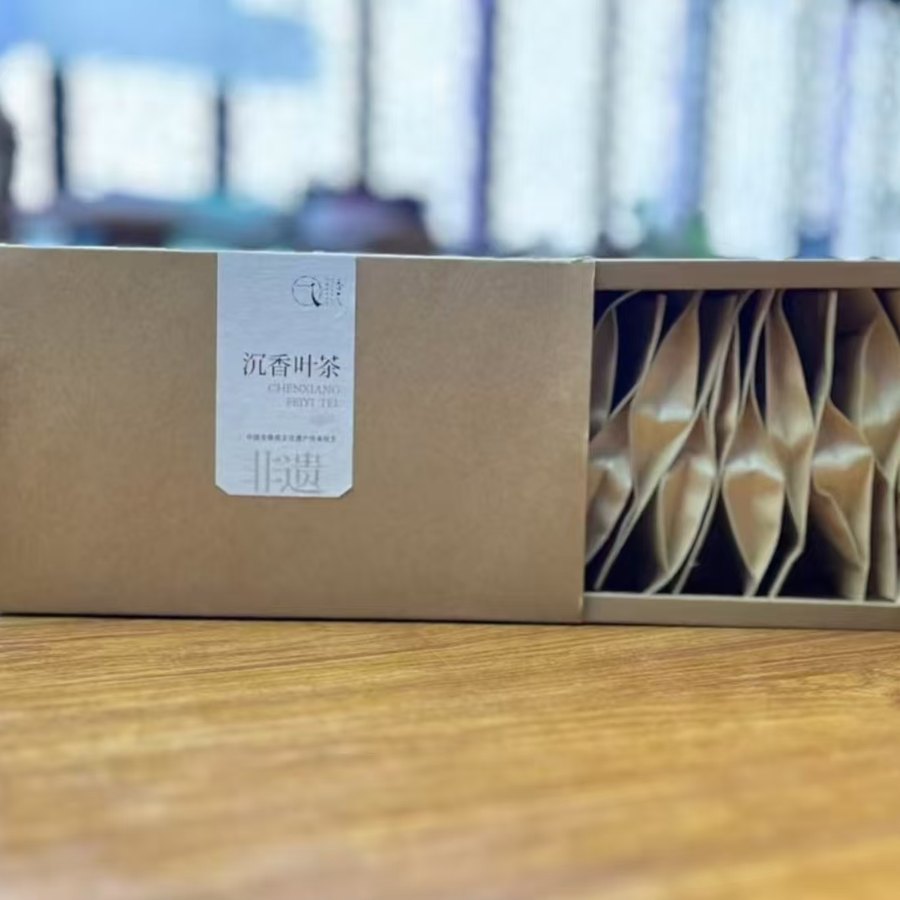
Related Agarwood Picks
While reading, you might also like these compliant cultivated-agarwood products.
Visit Mall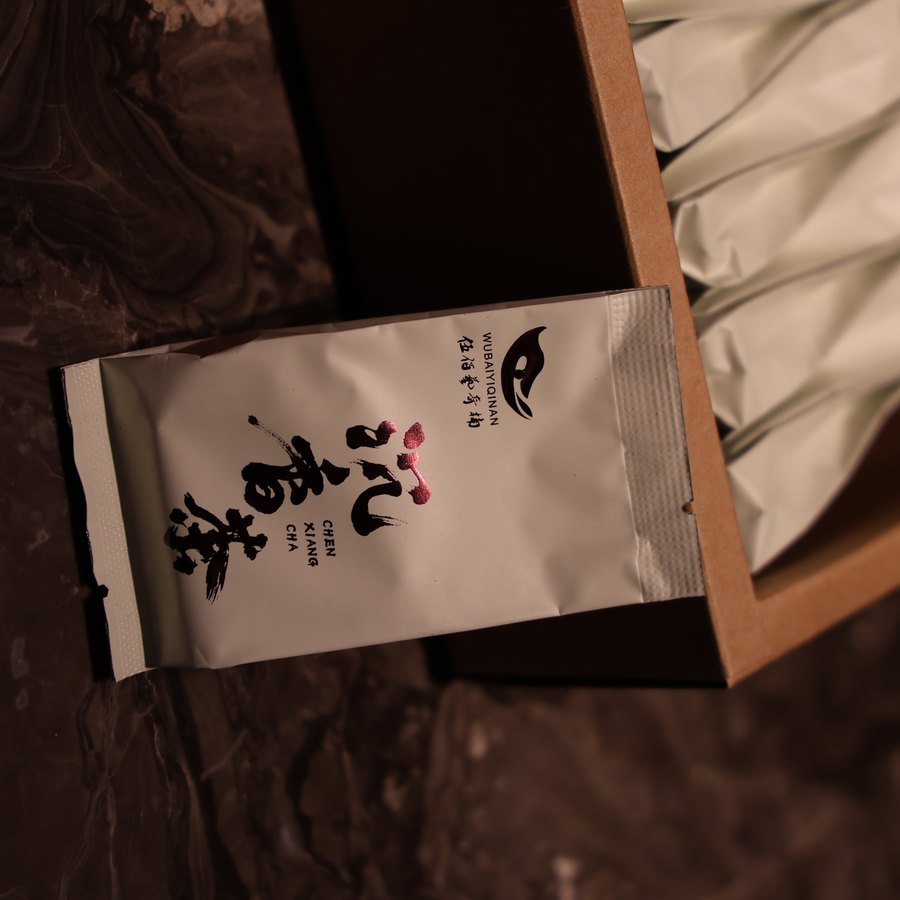
评论区
评论匿名可浏览,登录后可发表;提交后先审后显。
评论加载中…
Check related market data
Want the reference price for this category? Compare on the market page.
Go to market