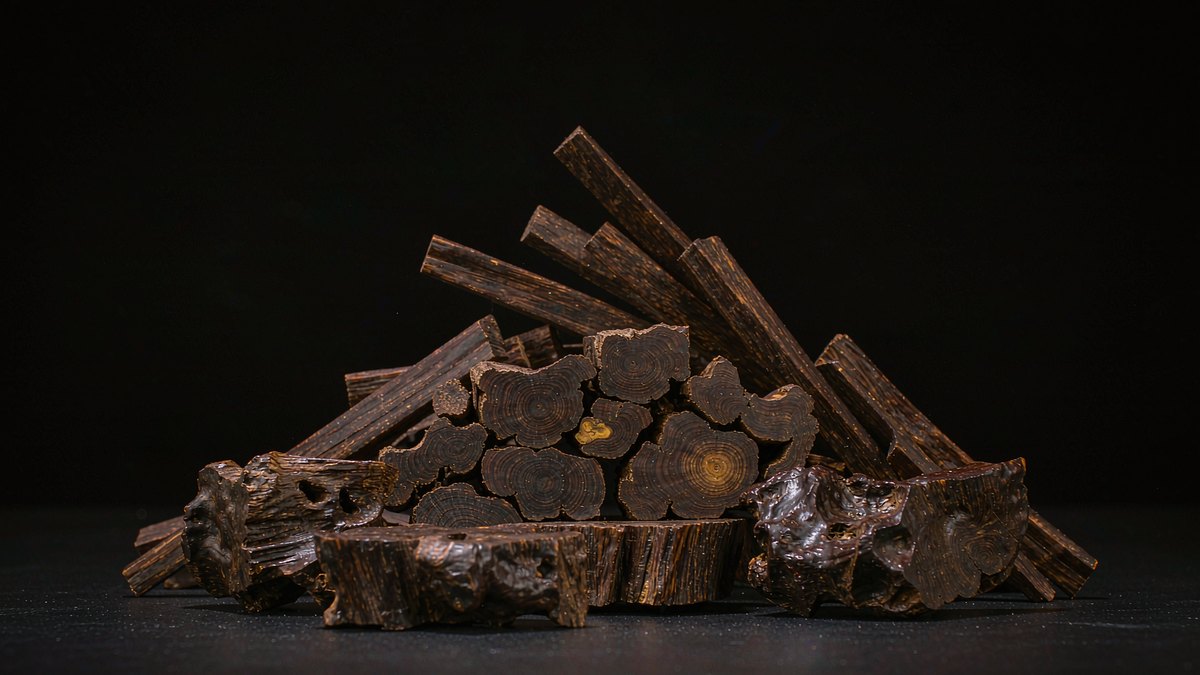
Agarwood Market Cycle Observation: Recent Price Trend and Logic
This article analyzes the recent price trend of Agarwood and explores the logic behind it.
Definition
The cycle of the Agarwood market refers to the fluctuation规律 in Agarwood prices over a certain period of time. In recent years, the price of Agarwood has experienced several ups and downs, and this article will explore its price trend and underlying logic.
Recent Price Trend
In recent years, the price of Agarwood has shown a trend of rising first and then falling. From 2015 to 2017, driven by market demand and the collection fever, the price of Agarwood continued to rise. However, since 2018, with the market adjustment and the increased risk awareness of investors, the price has begun to decline.
Market Logic Analysis
The main logic behind the price fluctuations of Agarwood includes:
1. The natural growth conditions and resource scarcity of Agarwood, as described in Agarwood Encyclopedia, which lead to price fluctuations.
2. Changes in market supply and demand, including consumer preferences, collection needs, and international trade policies.
3. The impact of investor psychology and market speculation on prices.
Factors Influencing the Price
The factors influencing the price of Agarwood also include:
1. Policy adjustments in Agarwood producing areas, such as protection measures and yield restrictions.
2. The dynamics of the international Agarwood market, such as trade wars and tariff policies.
Conclusion
In summary, the price fluctuations of Agarwood in recent years are influenced by various factors. Understanding these factors helps investors and market participants better grasp the market trends.
Arabic Version
مراقبة دورة سوق العطرة الخشبية: تحليل اتجاهات الأسعار الأخيرة والمنطق
ملخص
يanalyze the recent price trend of Agarwood and explores the logic behind it.
اتجاهات الأسعار الأخيرة
In recent years, the price of Agarwood has shown a trend of rising first and then falling. From 2015 to 2017, driven by market demand and the collection fever, the price of Agarwood continued to rise. However, since 2018, with the market adjustment and the increased risk awareness of investors, the price has begun to decline.
Analysis of Market Logic
The main logic behind the price fluctuations of Agarwood includes:
1. The natural growth conditions and resource scarcity of Agarwood, as described in Agarwood Encyclopedia, which lead to price fluctuations.
2. Changes in market supply and demand, including consumer preferences, collection needs, and international trade policies.
3. The impact of investor psychology and market speculation on prices.
Factors Influencing the Price
The factors influencing the price of Agarwood also include:
1. Policy adjustments in Agarwood producing areas, such as protection measures and yield restrictions.
2. The dynamics of the international Agarwood market, such as trade wars and tariff policies.
Conclusion
In summary, the price fluctuations of Agarwood in recent years are influenced by various factors. Understanding these factors helps investors and market participants better grasp the market trends.
(This is industry observation and popular-science summary, not investment advice. Buy agarwood through legal channels with traceable, testable sources.)
Compiled for general knowledge; traditional references are cultural notes, not medical advice.
Frequently Asked Questions
What is Agarwood Market Cycle Observation?
This article analyzes the recent price trend of Agarwood and explores the logic behind it.
How should I choose agarwood?
Buy from traceable, testable channels and match the form (incense, beads, raw wood) to your use. Avoid exaggerated claims such as "wild" or "sinking grade" without proof, and prefer products with lab reports and origin documentation.
How should agarwood be stored and maintained?
Agarwood dislikes moisture, odours and direct sunlight. Keep it sealed, dark and cool, store different origins separately, and air and inspect long-stored pieces periodically against mould and insects.
How can I tell real agarwood from fake?
Authentication combines sensory checks with technical ones: natural agarwood has a clean, long-lasting, cool-sweet scent and burns with pale, non-pungent smoke. GC-MS analysis of characteristic compounds (chromones, sesquiterpenes) adds objective confirmation. Buying through traceable channels with certificates lowers the risk.
How do agarwood origins differ?
Climate, tree species and resin-induction methods give each origin a distinct scent profile — for example Hainan tends to be clean and elegant, Vietnam sweet and cool, Indonesia deep and full. Origin is a key factor in grading and pricing.
What is the current agarwood market like?
Prices diverge sharply by resin density, origin and form, with both top-end collectibles and entry-level consumer products active. Use actual transactions from legal, testable channels as reference rather than a single quotation.
What is the relationship between agarwood and incense culture?
Agarwood is the core medium of East Asian incense culture, spanning temple offerings, literati gatherings and contemporary lifestyle aesthetics. Understanding this cultural background helps explain its value.
Does agarwood have health benefits?
Traditionally agarwood has been used for calming and sleep-related rituals, but evidence quality and dosage need careful reading. Keep traditional use and scientific evidence clearly separated and follow professional guidance.
参考资料
You may also like
评论区
评论匿名可浏览,登录后可发表;提交后先审后显。
评论加载中…