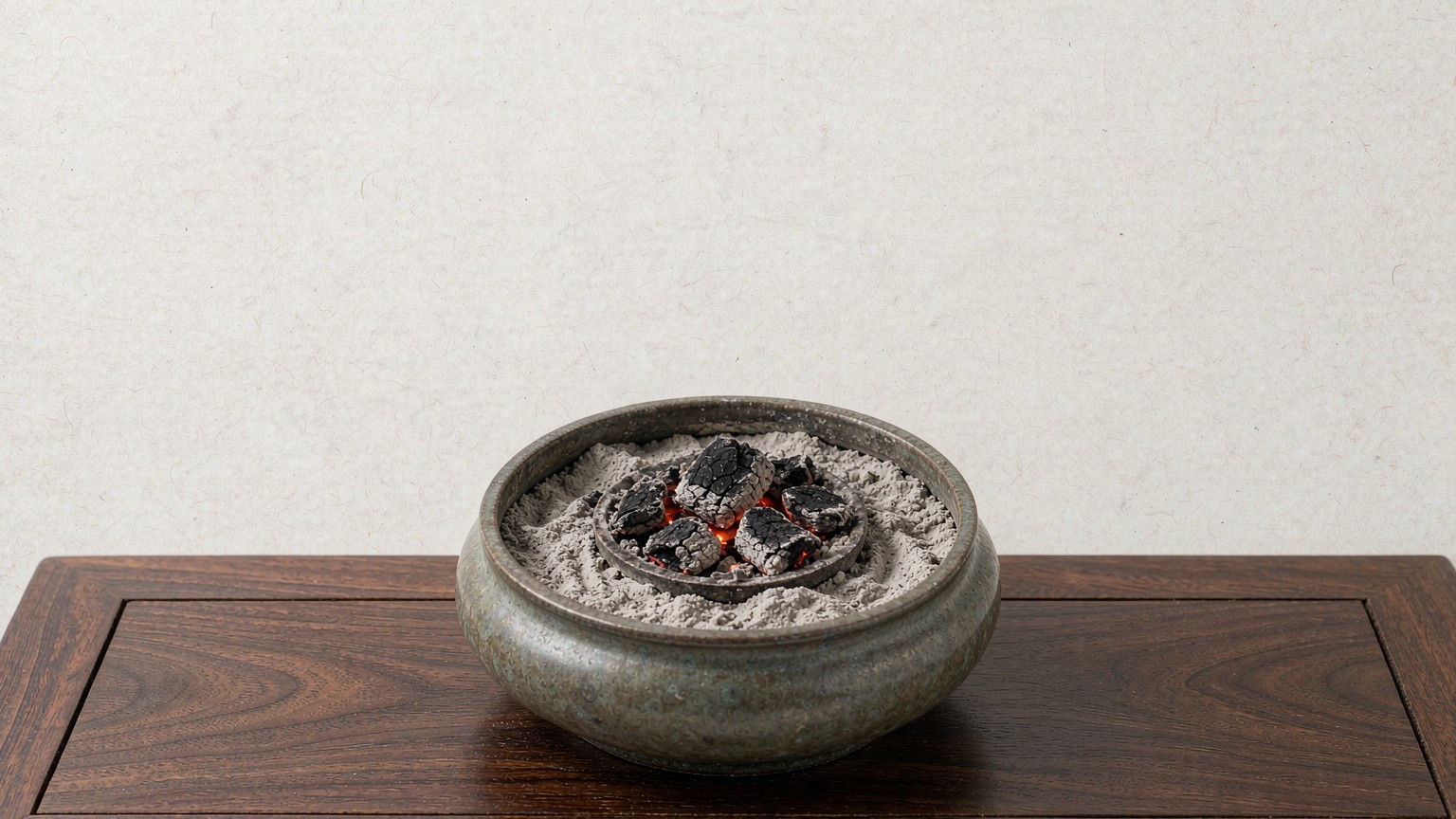
Agarwood and Tea: The Aromatic Pairing in Literati Life
The pairing of agarwood and tea is a classic expression of literati aesthetics, creating a serene and profound atmosphere through the fusion of aroma and tea flavor. This article explores the historical origins, pairing principles, and appreciation methods of agarwood and tea in literati life.
Historical Origins: The Bond of Incense and Tea in Literati Life
The combination of agarwood and tea can be traced back to the Tang and Song dynasties. Literati would burn incense while tasting tea, using the charm of agarwood to enhance the tea's flavor, forming a unique aesthetic of "incense and tea as one." In the Song dynasty, burning incense, whisking tea, hanging paintings, and arranging flowers were called the "four leisurely affairs," and agarwood and tea became indispensable elegant pursuits in literati life. In the Agarwood Encyclopedia, we detail the applications of agarwood in literati life through the ages.
Pairing Principles: Harmonious Resonance of Aroma and Tea Flavor
The pairing of agarwood and tea is not random; it follows the principle of "aroma not overpowering tea, tea not masking aroma." Generally, light-flavored teas (such as green tea and white tea) are suitable for pairing with sweetly scented agarwood (such as Hainan agarwood and Nha Trang agarwood), while strong-flavored teas (such as Wuyi rock tea and Pu'er tea) can be paired with mellow agarwood (such as Malacca agarwood). In addition, Kyara, with its rich layered aroma, particularly enhances the charm of aged tea. When pairing, attention should also be paid to the amount of incense and the method of burning to avoid excessive aroma interfering with the tea's original flavor.
Appreciation Methods: An Immersive Experience from Smell to Taste
Appreciating the pairing of agarwood and tea requires engaging multiple senses. First, burn agarwood in an incense burner; after the aroma fills the air, brew the tea. When tasting, first smell the tea's fragrance, then sip the tea, feeling the interplay of agarwood's lingering scent and the tea's taste. Literati often emphasize both "nose observation" and "tongue observation," experiencing the artistic conception of "serenity, elegance, and depth" through the alternation of aroma and tea flavor. For the authentication and quality assessment of agarwood, refer to the professional methods in the Identification Pillar Page to ensure the agarwood used is pure and natural. Additionally, the Chinese Incense Culture · Agarwood Identification section provides rich knowledge and identification techniques to help enthusiasts deepen their understanding of agarwood and tea pairing.
Conclusion
The pairing of agarwood and tea is not only a sensory pleasure but also a reflection of the literati's spiritual world. In the fast-paced modern life, reviving this traditional elegance may bring us rare tranquility and composure.
(This is industry observation and popular-science summary, not investment advice. Buy agarwood through legal channels with traceable, testable sources.)
Compiled for general knowledge; traditional references are cultural notes, not medical advice.
常见问题
Agarwood and Tea是什么?
The pairing of agarwood and tea is a classic expression of literati aesthetics, creating a serene and profound atmosphere through the fusion of aroma and tea flavor. This article explores the historical origins, pairing principles, and appreciation methods of agarwood and tea in literati life.
沉香怎么选购?
选购沉香应认准可溯源、可检测的渠道,按用途选择形态(线香 / 手串 / 原料),不盲目追高、不轻信「野生」「沉水」等夸大宣传;优先选择带检测报告与来源凭证的商品。
沉香如何保养?
沉香怕潮、怕串味、怕暴晒,应密封、避光、阴凉存放,不同产区分开保存;长期不用的香材定期通风检查,防霉防虫。
如何鉴别沉香的真假?
鉴别沉香需综合感官与辅助手段:天然沉香香气清雅、持久、凉甜交织,燃烧烟气清白而非刺鼻;可结合 GC-MS 色谱检测特征成分(色酮、倍半萜)。建议通过可信渠道与可溯源凭证降低风险。
不同产区沉香有什么区别?
各产区因气候、树种与结香方式差异,香韵各具特色(如海南清雅、越南甜凉、印尼醇厚),是沉香分级与定价的重要参考维度。
沉香价格行情如何?
沉香行情随结香程度、产区、形态分化明显,顶级收藏与入门消费两端活跃;建议以合法、可检测渠道的实际成交为参考,勿轻信单一报价。
沉香与香道文化有什么关系?
沉香是东亚香道文化的核心媒介,从礼佛、文人雅集到当代生活美学,承载「静心、慢享」的东方审美,理解文化背景有助于读懂沉香价值。
沉香有健康功效吗?
传统上沉香被用于舒缓、助眠等场景,但证据等级与用量需谨慎看待;把「传统用法」与「科学证据」分开表述,具体以专业指导为准。
参考资料
You may also like
评论区
评论匿名可浏览,登录后可发表;提交后先审后显。
评论加载中…