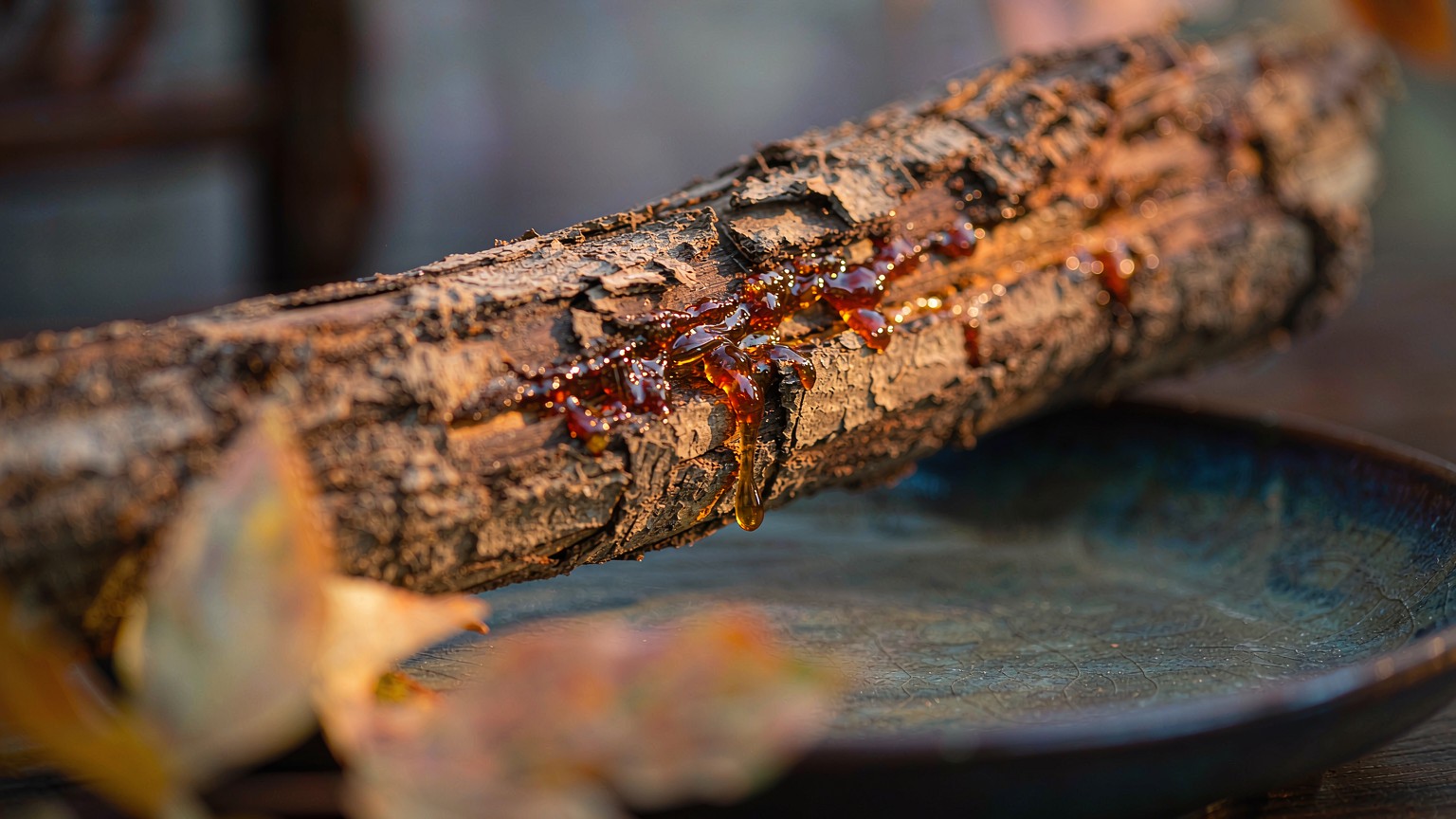
World Agarwood Map: What Are the Producing Regions Besides China?
Agarwood is not exclusive to China; it is produced in various regions across Southeast Asia, South Asia, and parts of Oceania. Besides China (including Hainan, Guangdong, Yunnan, Taiwan, etc.), countries such as Vietnam, Cambodia, Laos, Thailand, Myanmar, India, Indonesia, Malaysia, the Philippines, Bangladesh, Bhutan, Nepal, and Papua New Guinea all produce agarwood. Among them, Vietnam, Cambodia, Indonesia, and Malaysia are significant producers. Agarwood from different regions exhibits distinct aromatic characteristics due to differences in tree species, formation processes, climate, and soil.
Southeast Asian Regions: Vietnam, Cambodia, Laos, Thailand, Myanmar
Southeast Asia is one of the most important agarwood-producing regions in the world. Vietnam is famous for agarwood from Nha Trang and Phu Son, especially kyara (kynam), which has a sweet, cooling scent highly prized by enthusiasts. Cambodian agarwood, represented by Pursat and Battambang, offers a rich aroma often with floral and fruity notes. Lao agarwood comes mostly from pristine forests and has a fresh elegance. Thailand and Myanmar also produce agarwood, though in smaller quantities. The tree species in these regions are mainly Aquilaria crassna, etc., yielding high-quality resin. For a deeper understanding of the relationship between agarwood origins and tree species, please refer to our Agarwood Encyclopedia.
South Asian Regions: India, Bangladesh, Bhutan, Nepal
South Asia also produces agarwood. Indian agarwood (Aquilaria agallocha) has a long history and is frequently mentioned in ancient texts; its aroma is rich and warm. Agarwood is also found in Bangladesh, Bhutan, and Nepal, but production is limited and mostly used locally or in neighboring markets. Agarwood from these regions often carries a distinctive earthy note, an essential part of agarwood studies. Those interested in identification can visit our Identification Pillar Page to learn how to distinguish agarwood from different regions by aroma, grain, and other features.
Malay Archipelago and Oceania Regions: Indonesia, Malaysia, Philippines, Papua New Guinea
Indonesia is one of the largest agarwood producers, with major regions including Kalimantan, Sumatra, and Sulawesi. Its agarwood is diverse, with aromas ranging from sweet-cool to medicinal. Malaysian agarwood (especially from Peninsular Malaysia) is known for its fine grain and elegant scent. The Philippines and Papua New Guinea also have agarwood resources, though development started later. Agarwood from these regions occupies an important position in the international market and is also discussed in our Kyara Pillar Page as one of the kyara-producing regions (e.g., Indonesian kyara). Understanding regional characteristics helps collectors make informed decisions. For more, see Chinese Fragrance Studies · Agarwood Identification.
Conclusion
Agarwood-producing regions are spread across many Asian countries, each with its own unique aromatic style and cultural background. Knowing these regions not only enriches one's knowledge of fragrance studies but also helps in more accurately grasping agarwood's characteristics during appreciation and identification. Whether for tasting or collecting, understanding regional differences is beneficial.
(This is industry observation and popular-science summary, not investment advice. Buy agarwood through legal channels with traceable, testable sources.)
Compiled for general knowledge; traditional references are cultural notes, not medical advice.
常见问题
World Agarwood Map是什么?
Agarwood is not exclusive to China; it is produced in various regions across Southeast Asia, South Asia, and parts of Oceania. Besides China (including Hainan, Guangdong, Yunnan, Taiwan, etc.), countries such as Vietnam, Cambodia, Laos, Thailand, Myanmar, India, Indonesia, Malaysia, the Philippines, Bangladesh, Bhutan, Nepal, and Papua New Guinea all produce agarwood. Among them, Vietnam, Cambodia, Indonesia, and Malaysia are significant producers. Agarwood from different regions exhibits distinct aromatic characteristics due to differences in tree species, formation processes, climate, and soil.
沉香怎么选购?
选购沉香应认准可溯源、可检测的渠道,按用途选择形态(线香 / 手串 / 原料),不盲目追高、不轻信「野生」「沉水」等夸大宣传;优先选择带检测报告与来源凭证的商品。
沉香如何保养?
沉香怕潮、怕串味、怕暴晒,应密封、避光、阴凉存放,不同产区分开保存;长期不用的香材定期通风检查,防霉防虫。
如何鉴别沉香的真假?
鉴别沉香需综合感官与辅助手段:天然沉香香气清雅、持久、凉甜交织,燃烧烟气清白而非刺鼻;可结合 GC-MS 色谱检测特征成分(色酮、倍半萜)。建议通过可信渠道与可溯源凭证降低风险。
不同产区沉香有什么区别?
各产区因气候、树种与结香方式差异,香韵各具特色(如海南清雅、越南甜凉、印尼醇厚),是沉香分级与定价的重要参考维度。
沉香价格行情如何?
沉香行情随结香程度、产区、形态分化明显,顶级收藏与入门消费两端活跃;建议以合法、可检测渠道的实际成交为参考,勿轻信单一报价。
沉香与香道文化有什么关系?
沉香是东亚香道文化的核心媒介,从礼佛、文人雅集到当代生活美学,承载「静心、慢享」的东方审美,理解文化背景有助于读懂沉香价值。
沉香有健康功效吗?
传统上沉香被用于舒缓、助眠等场景,但证据等级与用量需谨慎看待;把「传统用法」与「科学证据」分开表述,具体以专业指导为准。
参考资料
You may also like
评论区
评论匿名可浏览,登录后可发表;提交后先审后显。
评论加载中…