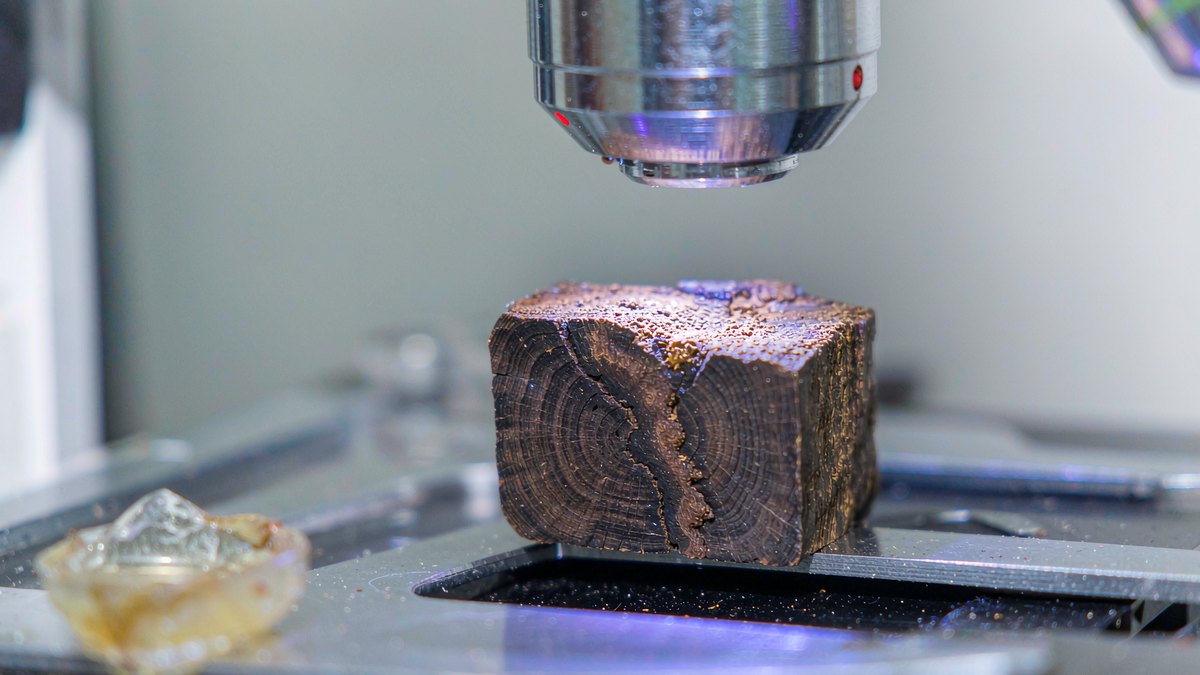
Etiquette and Aesthetics of Agarwood in East Asian Kōdō
Agarwood plays a central role in East Asian incense ceremony (kōdō), combining ritual etiquette with aesthetic appreciation. This article defines the core etiquette—purification, preparation, handling, and appreciation—and explores the aesthetic ideals of purity, tranquility, elegance, and detachment. It compares Chinese and Japanese incense traditions and offers practical tips, with internal links to our agarwood encyclopedia, kyara pillar page, and identification guide.
Core Etiquette of Agarwood Kōdō: From Preparation to Appreciation
The etiquette of agarwood in East Asian incense ceremony follows the principles of respect, silence, and purity. Participants first purify their hands and face, then arrange utensils—incense burner, box, spoon, and fire tools—in a prescribed manner. Agarwood chips or powder are handled with a spoon, never fingers, to preserve the fragrance. During appreciation, the host demonstrates first, and guests pass the burner in turn, holding it with the right hand and gently shielding with the left, inhaling quietly without speaking. This process embodies Confucian propriety and Zen mindfulness.
Aesthetic Meaning: The Sensory Philosophy of Purity, Tranquility, Elegance, and Detachment
The aesthetics of agarwood in kōdō transcend mere scent, rising to a spiritual level. Its fragrance is pure and complex—honeyed, floral, or milky—and is hailed as the king of incense. In East Asian aesthetics, agarwood represents purity (clearing the mind), tranquility (calming the spirit), elegance (refined nobility), and detachment (transcending the mundane). The Japanese system of “six countries and five flavors” categorizes agarwood by origin and scent, reflecting a pursuit of subtle distinctions. Chinese incense culture emphasizes mood, often pairing incense with music, chess, calligraphy, and painting. For a deeper understanding of agarwood classification, see our Agarwood Encyclopedia.
Similarities and Differences Between Chinese and Japanese Incense Traditions
Chinese incense culture blends nature and humanity, with flexible etiquette and emphasis on personal insight, often accompanied by poetry or guqin music. Japanese kōdō is more formalized, with schools like Oie-ryū and Shino-ryū prescribing strict rules and games such as kumikō that test scent discrimination. Both center on agarwood, but China values individual experience while Japan emphasizes collective ritual—a reflection of different interpretations of harmony. For the ultimate aromatic experience, visit our Kyara Pillar Page to learn about the top-tier agarwood variety.
Modern Practice: Bringing Etiquette and Aesthetics into Daily Life
Today, agarwood kōdō is no longer confined to formal ceremonies but integrated into daily life. A simple electronic burner or incense seal can create a calming atmosphere. Yet core etiquette—clean environment, peaceful mind, respect for the material—remains valuable. Aesthetically, one can choose incense sticks, powder, or raw wood and observe how scent changes with temperature. Given the prevalence of counterfeit agarwood, learning identification is crucial; our Identification Pillar Page offers systematic methods. Additionally, the Chinese Incense Studies · Identification column shares traditional wisdom.
In conclusion, the etiquette and aesthetics of agarwood in East Asian kōdō represent a perfect union of matter and spirit. Through etiquette, we show reverence for nature; through aesthetics, we elevate our souls. May every incense lover find serenity in its fragrant wisps.
(This is industry observation and popular-science summary, not investment advice. Buy agarwood through legal channels with traceable, testable sources.)
Compiled for general knowledge; traditional references are cultural notes, not medical advice.
常见问题
Etiquette and Aesthetics of Agarwood in East Asian Kōdō是什么?
Agarwood plays a central role in East Asian incense ceremony (kōdō), combining ritual etiquette with aesthetic appreciation. This article defines the core etiquette—purification, preparation, handling, and appreciation—and explores the aesthetic ideals of purity, tranquility, elegance, and detachment. It compares Chinese and Japanese incense traditions and offers practical tips, with internal links to our agarwood encyclopedia, kyara pillar page, and identification guide.
沉香怎么选购?
选购沉香应认准可溯源、可检测的渠道,按用途选择形态(线香 / 手串 / 原料),不盲目追高、不轻信「野生」「沉水」等夸大宣传;优先选择带检测报告与来源凭证的商品。
沉香如何保养?
沉香怕潮、怕串味、怕暴晒,应密封、避光、阴凉存放,不同产区分开保存;长期不用的香材定期通风检查,防霉防虫。
如何鉴别沉香的真假?
鉴别沉香需综合感官与辅助手段:天然沉香香气清雅、持久、凉甜交织,燃烧烟气清白而非刺鼻;可结合 GC-MS 色谱检测特征成分(色酮、倍半萜)。建议通过可信渠道与可溯源凭证降低风险。
不同产区沉香有什么区别?
各产区因气候、树种与结香方式差异,香韵各具特色(如海南清雅、越南甜凉、印尼醇厚),是沉香分级与定价的重要参考维度。
沉香价格行情如何?
沉香行情随结香程度、产区、形态分化明显,顶级收藏与入门消费两端活跃;建议以合法、可检测渠道的实际成交为参考,勿轻信单一报价。
沉香与香道文化有什么关系?
沉香是东亚香道文化的核心媒介,从礼佛、文人雅集到当代生活美学,承载「静心、慢享」的东方审美,理解文化背景有助于读懂沉香价值。
沉香有健康功效吗?
传统上沉香被用于舒缓、助眠等场景,但证据等级与用量需谨慎看待;把「传统用法」与「科学证据」分开表述,具体以专业指导为准。
参考资料
You may also like
评论区
评论匿名可浏览,登录后可发表;提交后先审后显。
评论加载中…