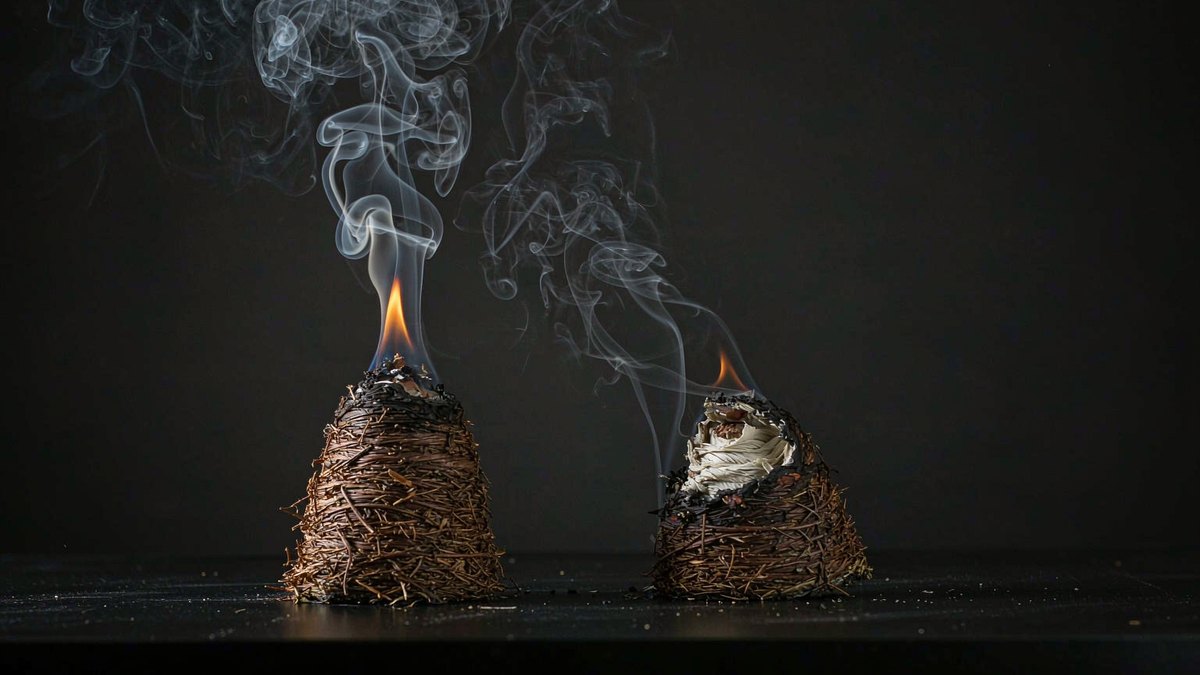
Four Famous Types of Kyara (Kynam) and Olfactory Identification Methods
Kyara is the top grade of agarwood, classified by color and texture into four famous types: white, green, purple, and black kyara. Olfactory identification involves three stages—top, middle, and base notes—combined with characteristics like cooling, sweetness, milkiness, and floral scents.
Four Famous Types of Kyara
Kyara (also known as kynam) is a soft, resin-rich agarwood formed under specific conditions. Based on color and appearance, it is divided into four famous types: white kyara, green kyara, purple kyara, and black kyara. White kyara is pale or grayish-white with fine resin lines and the softest texture, causing a numbing sensation on the tongue. Green kyara is dark green with abundant resin and a clear, long-lasting aroma. Purple kyara has a purple-brown hue with purplish-red resin and a mellow, fruity-sweet scent. Black kyara is deep black with glossy dark resin, harder texture, and a rich, deep aroma. All four belong to the top-grade kyara category defined in the Kyara pillar page, but each has its own distinctive flavor.
Core Methods of Olfactory Identification
Olfactory identification of kyara is conducted in stages: top notes (upon heating or first sniff) often present cooling, minty sensations; middle notes (main phase) release sweetness, milkiness, floral or fruity scents; base notes (lingering) turn to woody or medicinal aromas. White kyara features cooling and milky notes, with a refreshing top note and sweet middle note. Green kyara has cooling with floral notes and an elegant base note. Purple kyara stands out with sweetness, fruity and honey-like notes. Black kyara is intense, with cooling and medicinal notes interwoven. Identification should consider ambient temperature, humidity, and sniffing method. Refer to the standard procedures in the Identification pillar page to avoid misjudgment based on a single characteristic.
Comparison of Famous Types and Key Identification Points
The four types of kyara differ in texture, color, and aroma: white kyara is soft and paste-like, green kyara has coarse resin lines, purple kyara is reddish, and black kyara is hard and oily black. In aroma, white is cooling, green is clear, purple is mellow-sweet, and black is intense. Identification requires a combination of visual, olfactory, tactile, and gustatory examination, especially noting kyara's numbing sensation and soft-fiber texture. For more systematic knowledge, see the Agarwood Encyclopedia, or consult the historical literature and practical cases in the Chinese Fragrance Studies · Agarwood Identification column.
Key Takeaways
The four famous types of kyara—white, green, purple, and black—each have unique characteristics. Olfactory identification should combine top, middle, and base notes, integrating cooling, sweet, milky, floral, fruity, and medicinal nuances. Mastering these points enables accurate appreciation of kyara's beauty.
(This is industry observation and popular-science summary, not investment advice. Buy agarwood through legal channels with traceable, testable sources.)
Compiled for general knowledge; traditional references are cultural notes, not medical advice.
常见问题
Four Famous Types of Kyara (Kynam) and Olfactory Identification Methods是什么?
Kyara is the top grade of agarwood, classified by color and texture into four famous types: white, green, purple, and black kyara. Olfactory identification involves three stages—top, middle, and base notes—combined with characteristics like cooling, sweetness, milkiness, and floral scents.
沉香怎么选购?
选购沉香应认准可溯源、可检测的渠道,按用途选择形态(线香 / 手串 / 原料),不盲目追高、不轻信「野生」「沉水」等夸大宣传;优先选择带检测报告与来源凭证的商品。
沉香如何保养?
沉香怕潮、怕串味、怕暴晒,应密封、避光、阴凉存放,不同产区分开保存;长期不用的香材定期通风检查,防霉防虫。
如何鉴别沉香的真假?
鉴别沉香需综合感官与辅助手段:天然沉香香气清雅、持久、凉甜交织,燃烧烟气清白而非刺鼻;可结合 GC-MS 色谱检测特征成分(色酮、倍半萜)。建议通过可信渠道与可溯源凭证降低风险。
不同产区沉香有什么区别?
各产区因气候、树种与结香方式差异,香韵各具特色(如海南清雅、越南甜凉、印尼醇厚),是沉香分级与定价的重要参考维度。
沉香价格行情如何?
沉香行情随结香程度、产区、形态分化明显,顶级收藏与入门消费两端活跃;建议以合法、可检测渠道的实际成交为参考,勿轻信单一报价。
沉香与香道文化有什么关系?
沉香是东亚香道文化的核心媒介,从礼佛、文人雅集到当代生活美学,承载「静心、慢享」的东方审美,理解文化背景有助于读懂沉香价值。
沉香有健康功效吗?
传统上沉香被用于舒缓、助眠等场景,但证据等级与用量需谨慎看待;把「传统用法」与「科学证据」分开表述,具体以专业指导为准。
参考资料
You may also like



评论区
评论匿名可浏览,登录后可发表;提交后先审后显。
评论加载中…