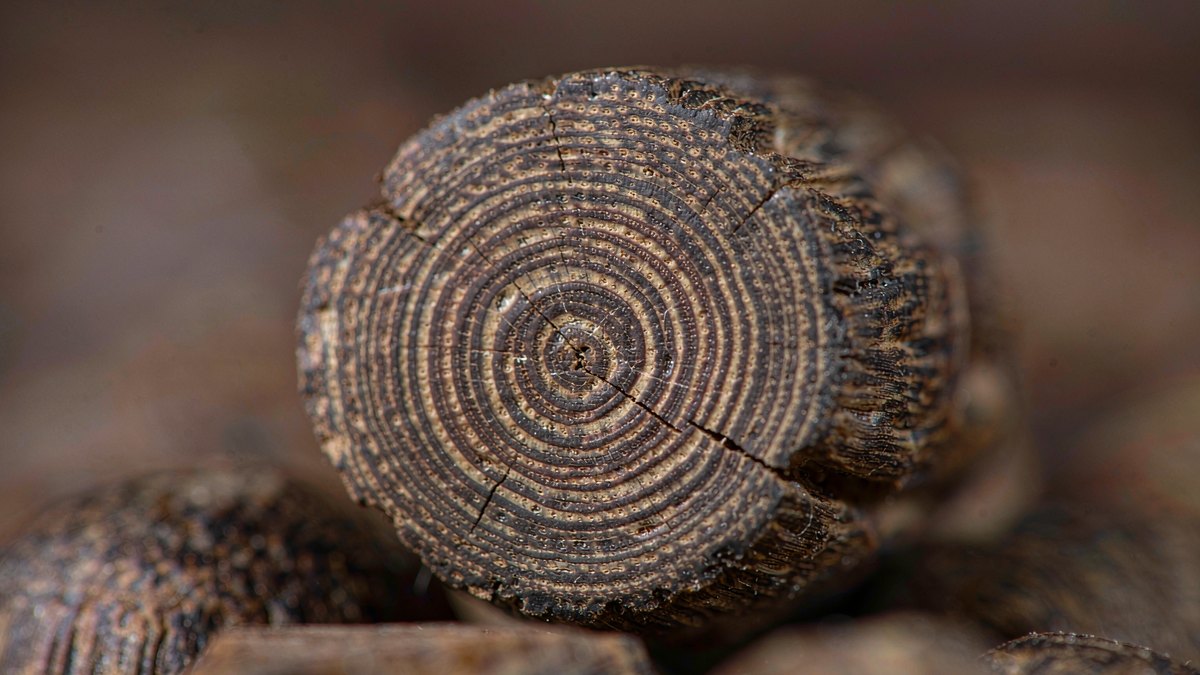
Agarwood and Tea: The Art of Aroma Pairing in Literati Life
The pairing of agarwood and tea is a classic combination in literati aesthetics. This article analyzes how to harmonize agarwood and tea from three aspects: aroma principles, historical origins, and practical methods to enhance the tea tasting experience.
Aroma Principles of Agarwood and Tea Pairing
The classic pairing of agarwood and tea stems from the complementary nature of their aroma structures. Agarwood has a deep, introverted fragrance rich in sesquiterpenes, known for calming and grounding effects. Tea aroma, on the other hand, is fresh and uplifting, dominated by aromatic alcohols that refresh the mind. When combined, the沉稳 of agarwood supports the lightness of tea, creating a more layered aroma. From a sensory perspective, smelling agarwood first opens olfactory sensitivity, allowing for a more nuanced appreciation of the tea's flavor. This pairing is not random but based on understanding the volatility of aroma molecules. In our Agarwood Encyclopedia, we detail the aroma characteristics of agarwood from different origins to inform pairing choices.
Traditional Agarwood Tea Culture in Literati Life
The combination of agarwood and tea has a long history in literati life. In the Song Dynasty, gatherings often included incense burning, tea whisking, painting, and flower arranging as four leisure activities, with incense and tea frequently enjoyed together. Su Shi's poem "Drawing Water from the River to Brew Tea" describes a scene often accompanied by agarwood. By the Ming and Qing dynasties, literati studies emphasized "fragrance and tea as one flavor," believing both could purify the mind and cultivate body and spirit. This tradition is known as "fragrance and tea as one" in Chinese incense culture, emphasizing the synergy of smell and taste. For more on incense appreciation and identification, see our Chinese Incense Culture · Agarwood Identification section.
How to Choose Agarwood and Tea Pairings
Pairing agarwood with tea requires consideration of the tea's characteristics. Generally, light oolong teas (such as Tieguanyin) pair well with the elegant aromas of Hui'an agarwood, as both are light and harmonious. Strong oolong or black tea matches better with Sin Chew agarwood, whose richness balances the tea's intensity. For post-fermented teas like Pu'er, aged agarwood can be used, as its aged charm complements the tea's smoothness. In terms of sequence, it is recommended to burn incense first to calm the mind, then brew tea, allowing the aromas to transition naturally. Note that agarwood should be used sparingly to avoid overpowering the tea. For guidance on identifying and selecting agarwood, refer to the professional advice in our Identification Pillar Page.
Practical Tips and Common Mistakes
In practice, use an electronic incense burner or indirect heat to keep the temperature between 120-150°C, allowing the agarwood aroma to release slowly without burning. When tasting tea, avoid placing agarwood directly upwind of the tea table, as excessive aroma can interfere with the tea's flavor. Common mistakes include using chemically scented agarwood, burning too much incense, and forcing pairings with green tea (whose fresh aroma is easily masked). The correct approach is to adjust agarwood variety and quantity according to the tea type, and maintain moderate ventilation. For deeper insights into the art of pairing agarwood and tea, see the high-end agarwood usage suggestions in our Kyara Pillar Page.
Key Takeaways
The pairing of agarwood and tea reflects literati aesthetics, with the core being aroma complementarity and mood fusion. When selecting, consider the tea's characteristics, control the amount of agarwood, and follow the sequence of incense first, tea second. Mastering these principles will help you create a literati-style tea gathering atmosphere at home.
(This is industry observation and popular-science summary, not investment advice. Buy agarwood through legal channels with traceable, testable sources.)
Compiled for general knowledge; traditional references are cultural notes, not medical advice.
常见问题
Agarwood and Tea是什么?
The pairing of agarwood and tea is a classic combination in literati aesthetics. This article analyzes how to harmonize agarwood and tea from three aspects: aroma principles, historical origins, and practical methods to enhance the tea tasting experience.
沉香怎么选购?
选购沉香应认准可溯源、可检测的渠道,按用途选择形态(线香 / 手串 / 原料),不盲目追高、不轻信「野生」「沉水」等夸大宣传;优先选择带检测报告与来源凭证的商品。
沉香如何保养?
沉香怕潮、怕串味、怕暴晒,应密封、避光、阴凉存放,不同产区分开保存;长期不用的香材定期通风检查,防霉防虫。
如何鉴别沉香的真假?
鉴别沉香需综合感官与辅助手段:天然沉香香气清雅、持久、凉甜交织,燃烧烟气清白而非刺鼻;可结合 GC-MS 色谱检测特征成分(色酮、倍半萜)。建议通过可信渠道与可溯源凭证降低风险。
不同产区沉香有什么区别?
各产区因气候、树种与结香方式差异,香韵各具特色(如海南清雅、越南甜凉、印尼醇厚),是沉香分级与定价的重要参考维度。
沉香价格行情如何?
沉香行情随结香程度、产区、形态分化明显,顶级收藏与入门消费两端活跃;建议以合法、可检测渠道的实际成交为参考,勿轻信单一报价。
沉香与香道文化有什么关系?
沉香是东亚香道文化的核心媒介,从礼佛、文人雅集到当代生活美学,承载「静心、慢享」的东方审美,理解文化背景有助于读懂沉香价值。
沉香有健康功效吗?
传统上沉香被用于舒缓、助眠等场景,但证据等级与用量需谨慎看待;把「传统用法」与「科学证据」分开表述,具体以专业指导为准。
参考资料
You may also like



评论区
评论匿名可浏览,登录后可发表;提交后先审后显。
评论加载中…