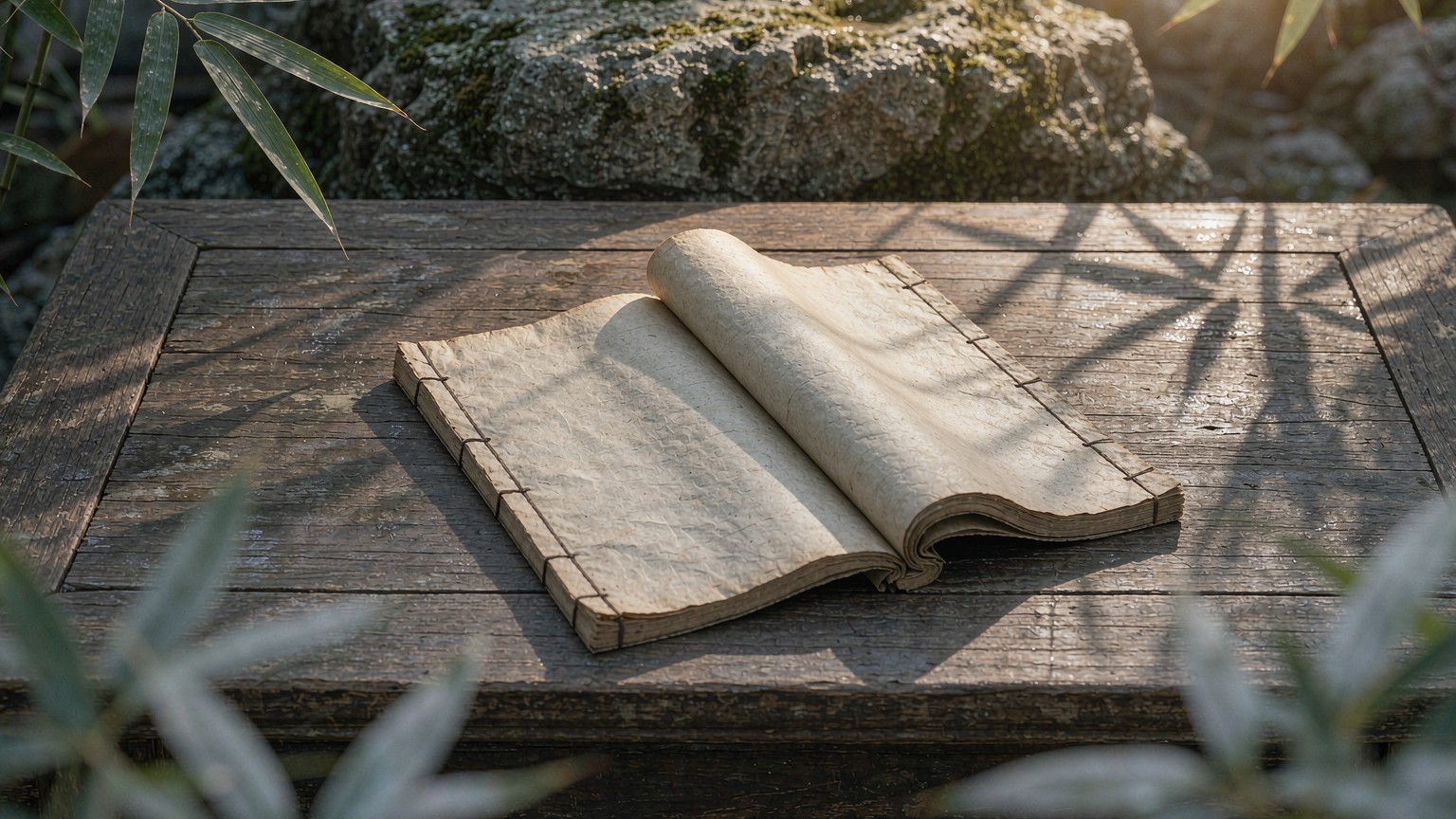
How to Set Up a Simple Incense Mat at Home: A Practical Guide from Space to Ritual
Setting up a simple incense mat at home centers on creating a focused aromatic space with limited room and tools. This article defines the incense mat as 'a micro-ritual space with incense as the protagonist' and provides actionable steps from location selection, tool configuration, incense pairing, to ritual practice, helping beginners get started quickly.
1. Definition of the Incense Mat and Space Selection
The incense mat is not a complex display but a focused space for experiencing incense, centered on aromatic materials and created through tools and ritual. At home, choose a quiet spot away from drafts, kitchen fumes, and bathroom odors—such as a corner of the study or near a living room window. Keep the table clean and lay a plain mat (cotton or linen preferred) to define the area. If space is limited, use a portable tea tray or tray as a mobile incense mat—unfold when in use, pack away when done. Avoid direct sunlight and air conditioning vents, which can affect aroma diffusion and appreciation.
2. Basic Tool Configuration and Placement
A simple incense mat does not require a full set of tools, but should follow three principles: safety, practicality, and not overpowering the incense. The basic list includes: incense burner (electric or indirect-burning burner preferred; stick incense burner also acceptable), incense box (for storage), incense spoon and chopsticks (for handling), ash press (for arranging ash), and lighter (or incense lamp). Materials such as ceramic, copper, bamboo, and wood are ideal; colors should be subtle to avoid distracting the mind. Place the burner at the center, the incense box on the left, and tools on the right—forming a convenient 'store left, use right' layout. For stick incense, use an incense holder or plate; for indirect-burning practice, prepare mica sheets and charcoal. For more systematic knowledge of tools, refer to the incense tools chapter in the Agarwood Encyclopedia.
3. Incense Selection and Pairing Logic
For a home incense mat, start with lighter aromas and gradually move to richer ones; avoid overly aggressive scents for beginners. Prepare two types: one for daily refreshment (e.g., Hainan agarwood or Hui'an-style stick incense), and one for guests or meditation (e.g., Nha Trang agarwood or Singapore-style sinking powder). To experience top-grade aroma, try a small amount of Kyara, but note its strong penetration—use sparingly. Store incense away from light, moisture, and odors, using sealed glass or tin containers. Before each session, wash hands and sit quietly for a moment to reset the sense of smell. For authenticity and quality assessment, see the basic methods in the Identification Pillar Page.
4. Simple Ritual and Daily Practice
The ritual of the incense mat comes from repeated simple actions, not complicated procedures. A ten-minute beginner ritual: 1) wash hands and calm the mind, sit upright and adjust breathing; 2) take out incense and place an appropriate amount in the burner using a spoon; 3) light or heat, and sniff gently as the aroma begins to spread; 4) close eyes and appreciate, noting changes (top, middle, base notes); 5) clean ash and return tools after the incense finishes. Practice at a fixed time daily to gradually develop olfactory sensitivity and focus. For deeper Chinese incense tradition, refer to ancient texts and ritual materials in Chinese Incense Studies · Agarwood Identification. Safety note: keep open flames away from flammables, monitor electric burner temperature, and ventilate after burning.
Conclusion
The key to a home incense mat is 'simple but not crude, respectful but not elaborate': a clean corner, a few plain tools, two fine incenses, and ten minutes a day are enough to build your own aromatic sanctuary. Start today—choose a corner, lay the mat, and light your first burner.
(This is industry observation and popular-science summary, not investment advice. Buy agarwood through legal channels with traceable, testable sources.)
Compiled for general knowledge; traditional references are cultural notes, not medical advice.
常见问题
How to Set Up a Simple Incense Mat at Home是什么?
Setting up a simple incense mat at home centers on creating a focused aromatic space with limited room and tools. This article defines the incense mat as 'a micro-ritual space with incense as the protagonist' and provides actionable steps from location selection, tool configuration, incense pairing, to ritual practice, helping beginners get started quickly.
沉香怎么选购?
选购沉香应认准可溯源、可检测的渠道,按用途选择形态(线香 / 手串 / 原料),不盲目追高、不轻信「野生」「沉水」等夸大宣传;优先选择带检测报告与来源凭证的商品。
沉香如何保养?
沉香怕潮、怕串味、怕暴晒,应密封、避光、阴凉存放,不同产区分开保存;长期不用的香材定期通风检查,防霉防虫。
如何鉴别沉香的真假?
鉴别沉香需综合感官与辅助手段:天然沉香香气清雅、持久、凉甜交织,燃烧烟气清白而非刺鼻;可结合 GC-MS 色谱检测特征成分(色酮、倍半萜)。建议通过可信渠道与可溯源凭证降低风险。
不同产区沉香有什么区别?
各产区因气候、树种与结香方式差异,香韵各具特色(如海南清雅、越南甜凉、印尼醇厚),是沉香分级与定价的重要参考维度。
沉香价格行情如何?
沉香行情随结香程度、产区、形态分化明显,顶级收藏与入门消费两端活跃;建议以合法、可检测渠道的实际成交为参考,勿轻信单一报价。
沉香与香道文化有什么关系?
沉香是东亚香道文化的核心媒介,从礼佛、文人雅集到当代生活美学,承载「静心、慢享」的东方审美,理解文化背景有助于读懂沉香价值。
沉香有健康功效吗?
传统上沉香被用于舒缓、助眠等场景,但证据等级与用量需谨慎看待;把「传统用法」与「科学证据」分开表述,具体以专业指导为准。
参考资料
You may also like
评论区
评论匿名可浏览,登录后可发表;提交后先审后显。
评论加载中…