The Collecting Logic of Kyara: Why It Is Expensive and Where the Value Lies
Kyara is the top-grade category of agarwood. Its high price stems from extremely low formation probability, long growth cycles, unique soft texture and complex aroma layers, as well as severe market supply-demand imbalance. Collectors need to understand its value support points and use professional identification to avoid risks.
Scarcity of Kyara: A Minimal Probability of Natural Creation
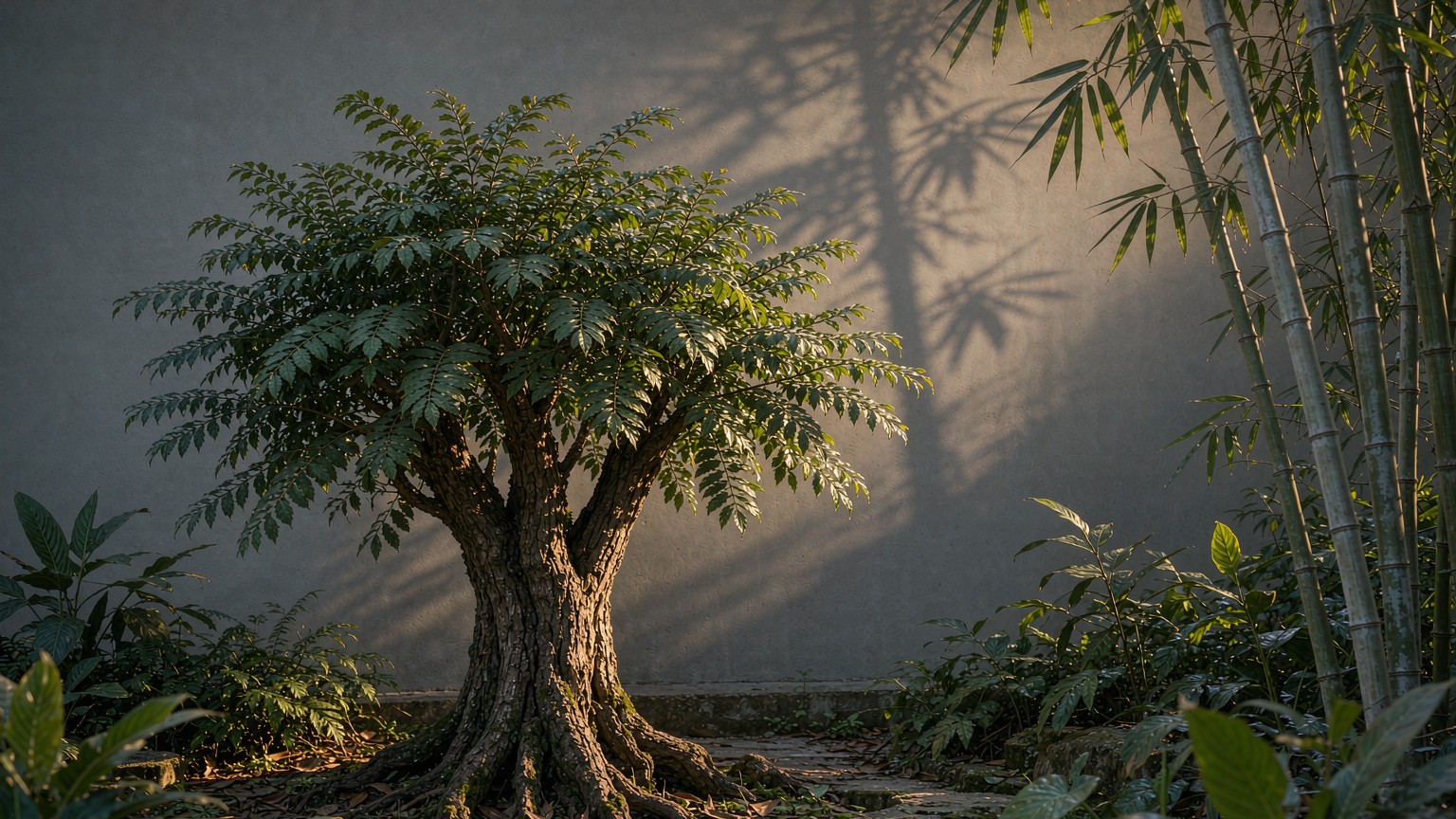
Kyara is not an independent tree species but a variant formed in agarwood trees after specific fungal infection and external wounds over decades or even centuries. The natural formation probability of kyara is extremely low, usually appearing only in a very small number of old materials, often hidden in rotten wood deep in mountains, making extraction extremely difficult. This "accident within an accident" determines that its annual output is far lower than ordinary agarwood, and scarcity is the first pillar of its price. For a systematic understanding of the formation mechanism and classification of kyara, please refer to the Kyara Pillar Page.
Quality Dimensions: Soft Texture, Coolness and Layering
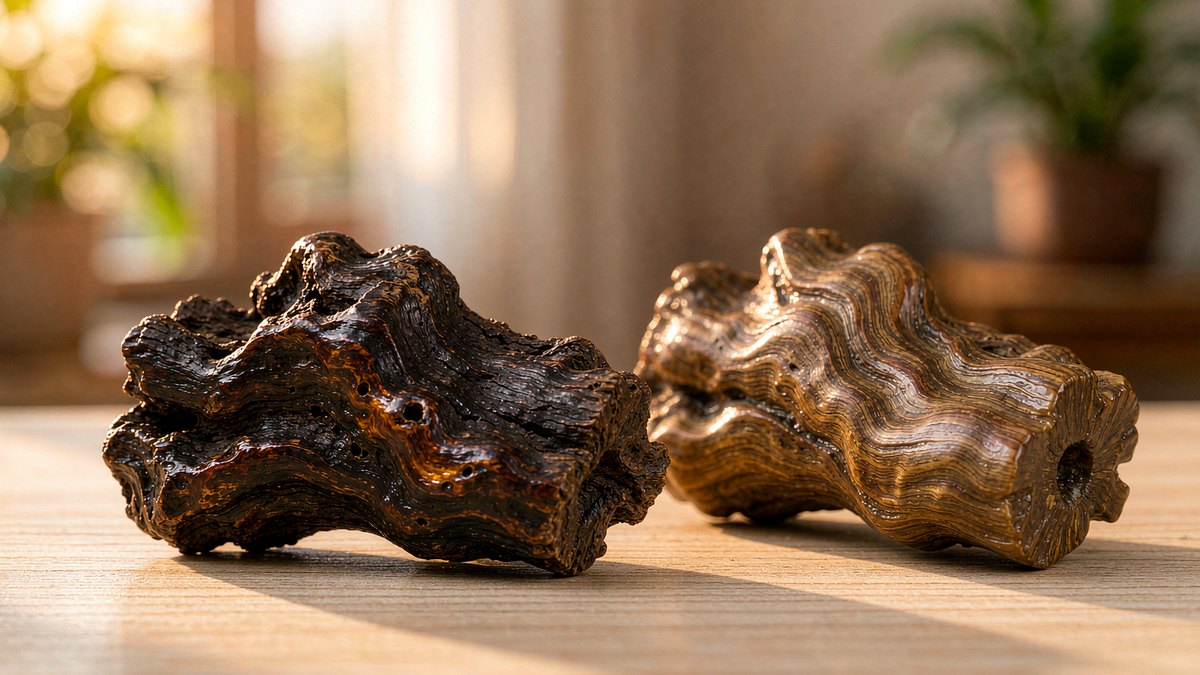
The high price of kyara also lies in its irreproducible quality characteristics. Top-grade kyara is soft and can be rolled into slices, with a pungent and numbing taste in the mouth, and its aroma combines multiple layers of coolness, sweetness, floral, fruity and milky notes, with distinct top, heart and base notes. This complex olfactory experience originates from its special resin structure, which ordinary agarwood can hardly match. In the collectors' market, categories such as soft-thread kyara, green kyara and white kyara are highly sought after for their outstanding aroma performance, and their prices are often several times that of gold by weight. For specific indicators of quality evaluation, please refer to the detailed standards in the Identification Pillar Page.
Market Logic: Supply-Demand Imbalance and Collecting Consensus
The price of kyara is not determined solely by cost but by the combined effect of market supply and demand and collecting consensus. On the one hand, natural resources are nearly exhausted, and old-material kyara is mostly concentrated in the hands of senior collectors with very little circulation; on the other hand, with the revival of incense culture, high-end collectors' awareness of kyara continues to deepen, and demand keeps growing. This supply-demand contradiction drives long-term price increases. In addition, kyara collecting also carries a certain financial attribute, and large pieces with good condition and clear provenance are often regarded as hard currency. To understand the value of kyara from historical and cultural perspectives, please browse the special topic on Chinese Incense Studies · Agarwood Identification.
Collecting Advice: Rational Entry and Risk Avoidance
Kyara collecting has high thresholds, not only in capital but also in identification ability. The market is not short of adulteration and artificial forgery, and collectors need to make comprehensive judgments from multiple dimensions such as texture, aroma, resin lines and sinking rate, and try to choose reputable channels. For beginners, it is advisable to build a systematic knowledge system of agarwood first and then gradually contact physical objects. The Agarwood Encyclopedia on the Wubaiyi Agarwood official website provides complete content from basic to advanced levels and can serve as a starting point for learning. Collecting kyara is essentially paying for scarcity and cultural value, and rational cognition is more important than blindly chasing high prices.
(This is industry observation and popular-science summary, not investment advice. Buy agarwood through legal channels with traceable, testable sources.)
Compiled for general knowledge; traditional references are cultural notes, not medical advice.
常见问题
The Collecting Logic of Kyara是什么?
Kyara is the top-grade category of agarwood. Its high price stems from extremely low formation probability, long growth cycles, unique soft texture and complex aroma layers, as well as severe market supply-demand imbalance. Collectors need to understand its value support points and use professional identification to avoid risks.
沉香怎么选购?
选购沉香应认准可溯源、可检测的渠道,按用途选择形态(线香 / 手串 / 原料),不盲目追高、不轻信「野生」「沉水」等夸大宣传;优先选择带检测报告与来源凭证的商品。
沉香如何保养?
沉香怕潮、怕串味、怕暴晒,应密封、避光、阴凉存放,不同产区分开保存;长期不用的香材定期通风检查,防霉防虫。
如何鉴别沉香的真假?
鉴别沉香需综合感官与辅助手段:天然沉香香气清雅、持久、凉甜交织,燃烧烟气清白而非刺鼻;可结合 GC-MS 色谱检测特征成分(色酮、倍半萜)。建议通过可信渠道与可溯源凭证降低风险。
不同产区沉香有什么区别?
各产区因气候、树种与结香方式差异,香韵各具特色(如海南清雅、越南甜凉、印尼醇厚),是沉香分级与定价的重要参考维度。
沉香价格行情如何?
沉香行情随结香程度、产区、形态分化明显,顶级收藏与入门消费两端活跃;建议以合法、可检测渠道的实际成交为参考,勿轻信单一报价。
沉香与香道文化有什么关系?
沉香是东亚香道文化的核心媒介,从礼佛、文人雅集到当代生活美学,承载「静心、慢享」的东方审美,理解文化背景有助于读懂沉香价值。
沉香有健康功效吗?
传统上沉香被用于舒缓、助眠等场景,但证据等级与用量需谨慎看待;把「传统用法」与「科学证据」分开表述,具体以专业指导为准。
参考资料
You may also like
评论区
评论匿名可浏览,登录后可发表;提交后先审后显。
评论加载中…