Etiquette and Aesthetics of Agarwood in East Asian Kōdō: From Ritual to Artistic Conception
Agarwood in East Asian Kōdō is not only a spice but also a carrier of etiquette and aesthetics. Starting from a definition, this article elaborates on the norms of etiquette and aesthetic implications of agarwood in Kōdō, covering traditions such as Japanese Kōdō and Chinese incense ceremonies, and revealing its cultural value.
Etiquette Norms of Agarwood in East Asian Kōdō
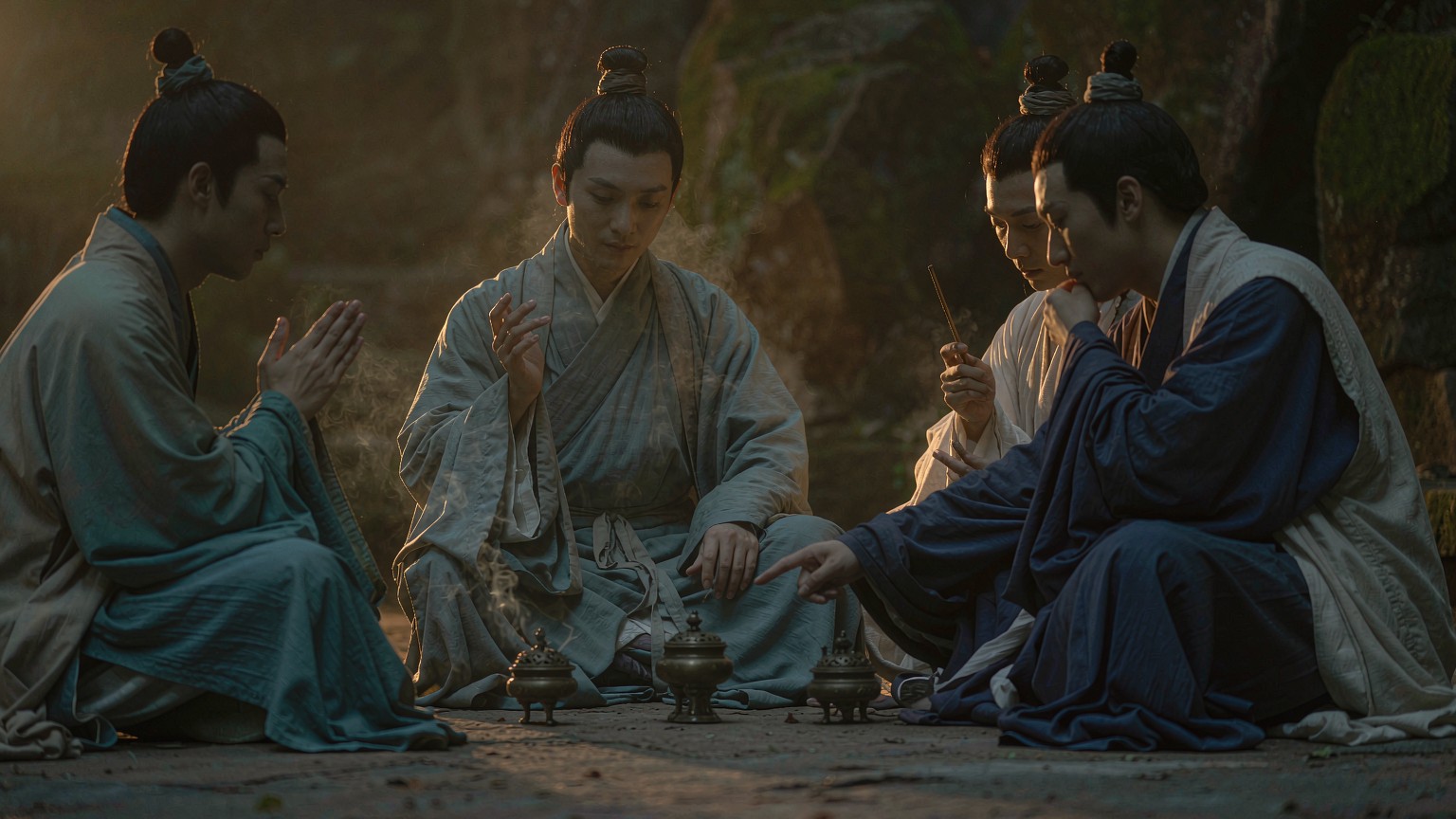
The etiquette of agarwood in East Asian Kōdō centers on 'respect' and 'purity'. Japanese Kōdō regards agarwood as 'fragrant wood', and its etiquette strictly follows the 'Ten Virtues of Kōdō', requiring solemn and orderly actions from the arrangement of incense tools and the preparation of incense ash to the act of listening to incense. Chinese incense ceremonies emphasize 'mutual respect between host and guest', reflecting humility and sharing through sessions such as incense tasting and passing the burner. These etiquettes are not only a respect for incense but also a reverence for nature and culture. In the Agarwood Encyclopedia, we have detailed the evolution of agarwood etiquette in various East Asian countries for further reference.
Aesthetic Implications of Agarwood in Kōdō
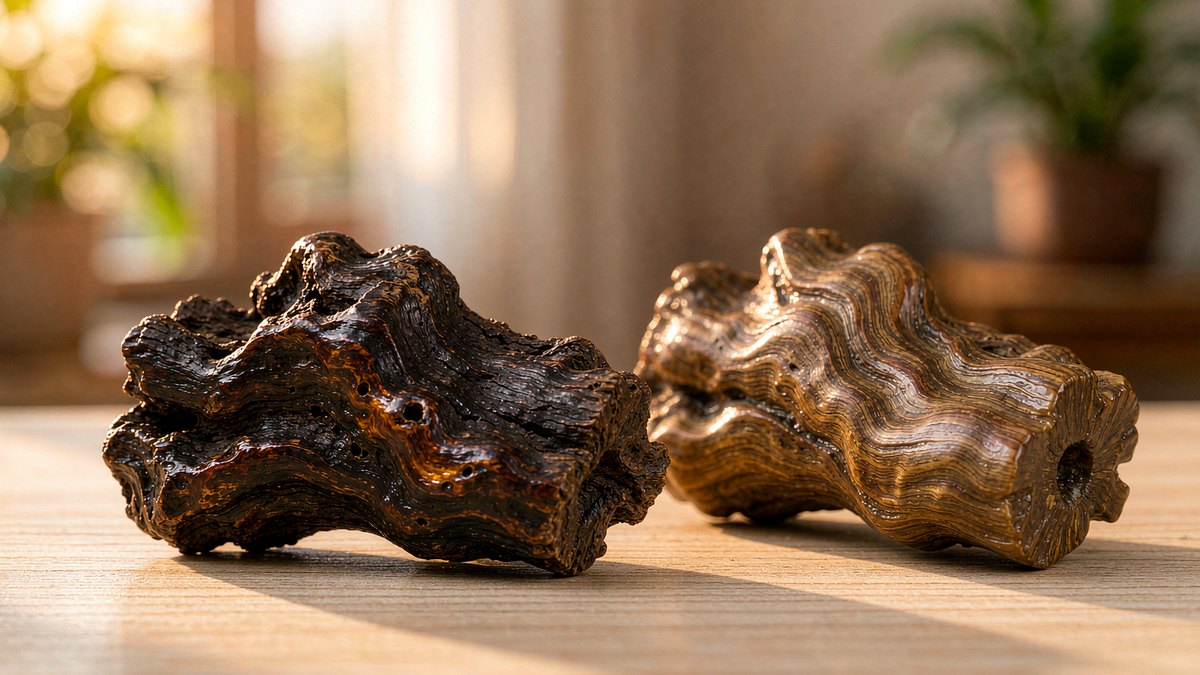
The aesthetics of agarwood lie in the layers and changes of its fragrance, as well as the artistic associations it evokes. East Asian Kōdō pursues 'the charm beyond fragrance'. The 'Six Countries and Five Flavors' system in Japanese Kōdō classifies agarwood by origin and fragrance characteristics, and when appreciating incense, it emphasizes 'listening to incense' rather than 'smelling incense', focusing on inner feelings. Chinese literati often used agarwood as a metaphor for virtue; its elegant and lasting fragrance symbolizes the virtue of a gentleman. In the Kyara Pillar Page, we explore the unique aesthetic status of high-grade agarwood such as kyara, whose cool and sweet notes are often regarded as the ultimate experience in Kōdō.
Modern Practice of Agarwood Etiquette and Aesthetics
In modern Kōdō practice, agarwood etiquette and aesthetics remain vibrant. Whether in traditional Japanese Kōdō schools or emerging Chinese incense ceremonies, there is a focus on enhancing aesthetic experience through ritual. For example, in an incense ceremony, the host selects agarwood according to the season and guests' identities, and pairs it with appropriate incense tools and flower arrangements to create a harmonious atmosphere. For the authentication and quality assessment of agarwood, the Identification Pillar Page provides professional guidance to help enthusiasts better understand the value of agarwood. Additionally, the Chinese Incense Studies · Agarwood Identification column collects traditional identification methods and modern technological approaches to support Kōdō practice.
Conclusion
The etiquette and aesthetics of agarwood in East Asian Kōdō are a blend of the material and the spiritual. By following etiquette and savoring fragrance, people can find tranquility in the hustle and bustle and perceive culture in rituals. Agarwood is not only the core of Kōdō but also a shining pearl in East Asian culture.
(This is industry observation and popular-science summary, not investment advice. Buy agarwood through legal channels with traceable, testable sources.)
Compiled for general knowledge; traditional references are cultural notes, not medical advice.
常见问题
Etiquette and Aesthetics of Agarwood in East Asian Kōdō是什么?
Agarwood in East Asian Kōdō is not only a spice but also a carrier of etiquette and aesthetics. Starting from a definition, this article elaborates on the norms of etiquette and aesthetic implications of agarwood in Kōdō, covering traditions such as Japanese Kōdō and Chinese incense ceremonies, and revealing its cultural value.
香道中如何使用沉香?
传统香道以隔火熏香为主:将小片沉香置于云母片或银叶上、以炭火低温烘焙出香,重在品闻层次与留香,而非直接焚烧。
沉香怎么选购?
选购沉香应认准可溯源、可检测的渠道,按用途选择形态(线香 / 手串 / 原料),不盲目追高、不轻信「野生」「沉水」等夸大宣传;优先选择带检测报告与来源凭证的商品。
沉香如何保养?
沉香怕潮、怕串味、怕暴晒,应密封、避光、阴凉存放,不同产区分开保存;长期不用的香材定期通风检查,防霉防虫。
如何鉴别沉香的真假?
鉴别沉香需综合感官与辅助手段:天然沉香香气清雅、持久、凉甜交织,燃烧烟气清白而非刺鼻;可结合 GC-MS 色谱检测特征成分(色酮、倍半萜)。建议通过可信渠道与可溯源凭证降低风险。
不同产区沉香有什么区别?
各产区因气候、树种与结香方式差异,香韵各具特色(如海南清雅、越南甜凉、印尼醇厚),是沉香分级与定价的重要参考维度。
沉香价格行情如何?
沉香行情随结香程度、产区、形态分化明显,顶级收藏与入门消费两端活跃;建议以合法、可检测渠道的实际成交为参考,勿轻信单一报价。
沉香与香道文化有什么关系?
沉香是东亚香道文化的核心媒介,从礼佛、文人雅集到当代生活美学,承载「静心、慢享」的东方审美,理解文化背景有助于读懂沉香价值。
参考资料
You may also like
评论区
评论匿名可浏览,登录后可发表;提交后先审后显。
评论加载中…