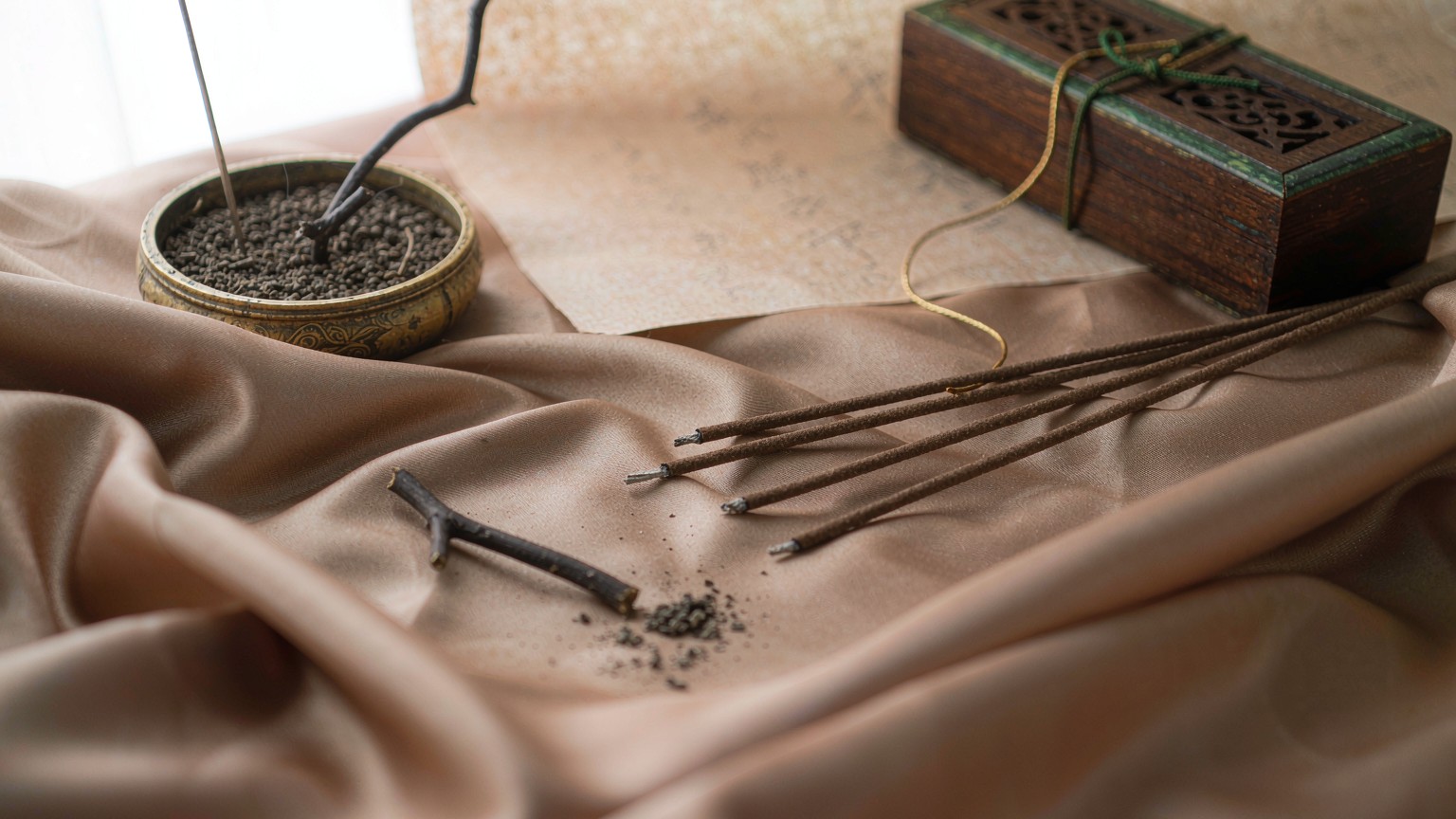
Agarwood Grade System: From Bantou and Diaokou to Kyara
The agarwood grade system classifies agarwood by formation part and morphology, from common grades like Bantou and Diaokou to the top-grade Kyara. This article systematically explains the characteristics and identification points of each grade to help you build a clear understanding of agarwood levels.
1. Core Logic of Agarwood Grading
Agarwood grading is not a single standard but a system formed by multiple dimensions such as formation part, morphology, resin content, and aroma performance. Traditionally, based on the formation part and appearance, agarwood can be divided into major categories including Bantou (board-like), Diaokou (hanging mouth), Jugkou (saw cut), Kechen (shell), Chonglou (insect leak), and Kyara. Among them, Bantou refers to the part where large-area resin formation occurs after the tree is injured, often in board shape; Diaokou refers to the resin that hangs downward after the trunk is injured, shaped like a pendant. These categories differ significantly in resin density and aroma layers, forming a complete spectrum from entry-level to top-grade. Understanding this spectrum is the first step into agarwood appreciation. For a complete framework of agarwood formation mechanisms and classification, please refer to the Agarwood Encyclopedia.
2. From Bantou to Diaokou: Characteristics and Identification of Common Grades
Bantou agarwood is mostly taken from the injured surface of the trunk or large branches. It has a large resin formation area but uneven resin distribution, often with wood fibers, and its aroma is relatively light and simple, suitable for beginners' daily enjoyment. Diaokou agarwood, due to gravity during resin formation, has resin gathering downward, with relatively higher density and a more intense aroma than Bantou, but still belongs to the common grade. When identifying, pay attention to whether the resin lines are clear and the color is natural, and you can judge the purity and persistence of the aroma by heating and smelling. For authenticity identification of Bantou and Diaokou, you can refer to the systematic methods in the Identification Pillar Page. In addition, Jugkou agarwood (resin formed on saw cuts) and Kechen (resin formed on bark) are also common grades with their own characteristics.
3. Kyara: The Pinnacle of Agarwood Grades
Kyara is the top-grade category of agarwood. Its resin formation mechanism differs from ordinary agarwood; it is soft and waxy, rich in resin, has a numbing and spicy sensation in the mouth, and its aroma is multi-layered, often with coolness, floral, and fruity notes. Kyara can be classified by color and origin into White Kyara, Green Kyara, Purple Kyara, Yellow Kyara, and Black Kyara, among which White Kyara is particularly rare. The grading of Kyara focuses on aroma explosiveness, persistence, and mouthfeel rather than mere resin density. Due to extremely low yield, there are many imitations on the market, and identification requires microscopic structure, aroma characteristics, and professional experience. For in-depth understanding of Kyara classification and identification, please visit the Kyara Pillar Page.
4. Practical Application of the Grade System and Collection Advice
In actual collection and appreciation, the agarwood grade system helps enthusiasts establish a value judgment framework: Bantou and Diaokou are suitable for daily incense or entry-level collection; Kechen and Chonglou are also favored by players for their unique shapes; Kyara belongs to top-level collectibles and requires careful identification. It is worth noting that grades are not absolute; there are high and low within the same category, requiring comprehensive consideration of resin, aroma, and morphology. It is recommended that enthusiasts start with common grades, gradually accumulate experience, and then venture into high-end categories. For more systematic knowledge on agarwood identification and incense culture, please browse the Chinese Incense Culture · Agarwood Identification feature.
Conclusion
The agarwood grade system, from Bantou and Diaokou to Kyara, reflects the progressive relationship between formation part and quality. Mastering this system not only improves identification ability but also allows you to appreciate the rich layers of the agarwood world. Whether you are a beginner or advanced, systematic learning and physical comparison are essential paths.
(This is industry observation and popular-science summary, not investment advice. Buy agarwood through legal channels with traceable, testable sources.)
Compiled for general knowledge; traditional references are cultural notes, not medical advice.
常见问题
Agarwood Grade System是什么?
The agarwood grade system classifies agarwood by formation part and morphology, from common grades like Bantou and Diaokou to the top-grade Kyara. This article systematically explains the characteristics and identification points of each grade to help you build a clear understanding of agarwood levels.
沉香怎么选购?
选购沉香应认准可溯源、可检测的渠道,按用途选择形态(线香 / 手串 / 原料),不盲目追高、不轻信「野生」「沉水」等夸大宣传;优先选择带检测报告与来源凭证的商品。
沉香如何保养?
沉香怕潮、怕串味、怕暴晒,应密封、避光、阴凉存放,不同产区分开保存;长期不用的香材定期通风检查,防霉防虫。
如何鉴别沉香的真假?
鉴别沉香需综合感官与辅助手段:天然沉香香气清雅、持久、凉甜交织,燃烧烟气清白而非刺鼻;可结合 GC-MS 色谱检测特征成分(色酮、倍半萜)。建议通过可信渠道与可溯源凭证降低风险。
不同产区沉香有什么区别?
各产区因气候、树种与结香方式差异,香韵各具特色(如海南清雅、越南甜凉、印尼醇厚),是沉香分级与定价的重要参考维度。
沉香价格行情如何?
沉香行情随结香程度、产区、形态分化明显,顶级收藏与入门消费两端活跃;建议以合法、可检测渠道的实际成交为参考,勿轻信单一报价。
沉香与香道文化有什么关系?
沉香是东亚香道文化的核心媒介,从礼佛、文人雅集到当代生活美学,承载「静心、慢享」的东方审美,理解文化背景有助于读懂沉香价值。
沉香有健康功效吗?
传统上沉香被用于舒缓、助眠等场景,但证据等级与用量需谨慎看待;把「传统用法」与「科学证据」分开表述,具体以专业指导为准。
参考资料
You may also like



评论区
评论匿名可浏览,登录后可发表;提交后先审后显。
评论加载中…