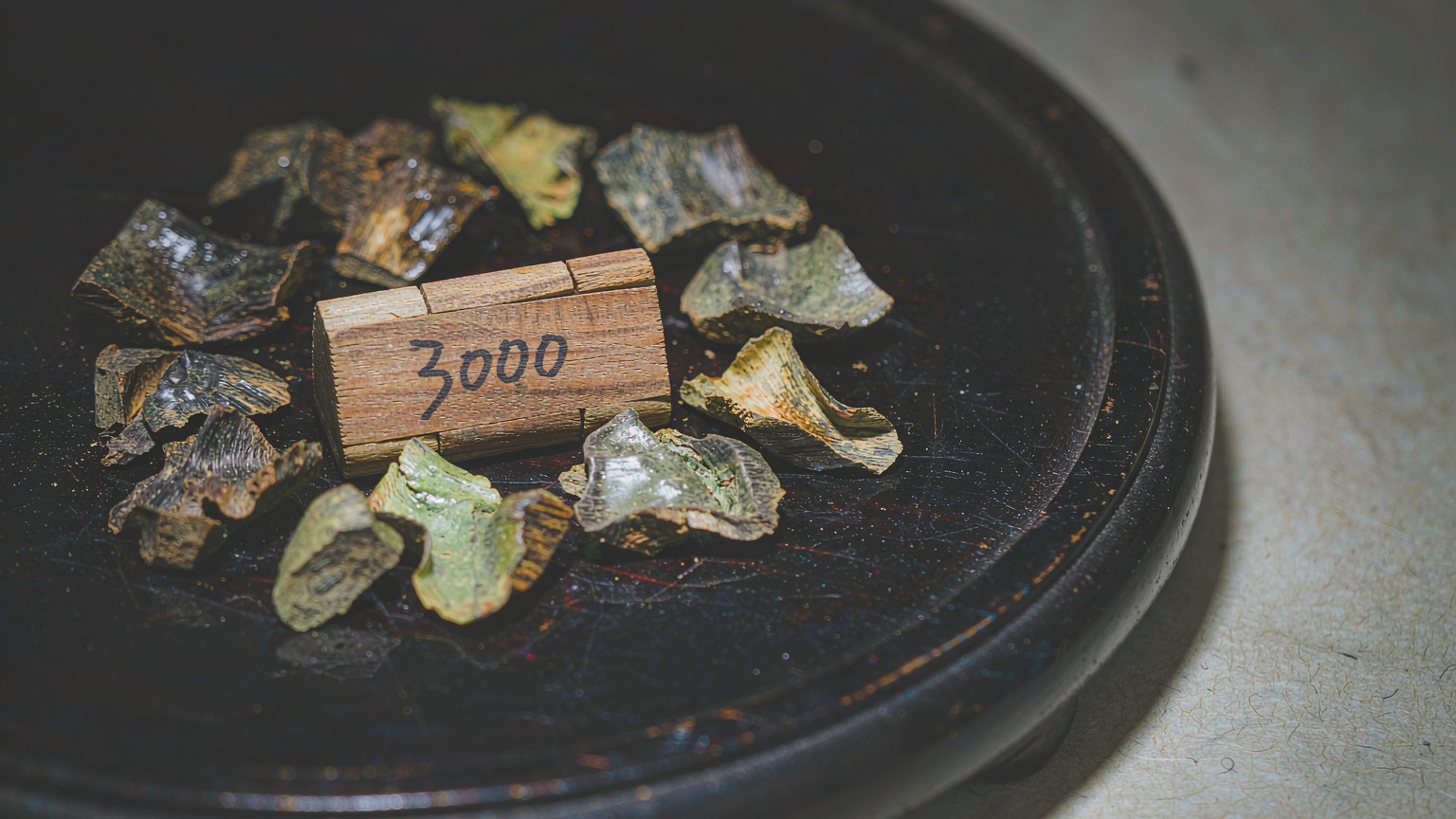
A Brief History of Chinese Incense Culture: From Han-Tang Use to Ming-Qing Literati Gatherings
Chinese incense culture evolved from religious and courtly use in the Han and Tang dynasties, through popularization and incense-appreciation gatherings in the Song and Yuan, to the integration of incense into literati studio life in the Ming and Qing. This article outlines the characteristics of each period and reveals the shift from ritual to aesthetic appreciation.
Han and Tang Dynasties: Religious and Courtly Origins
Before the Han dynasty, incense was mainly used for sacrifices and disease prevention, with local herbs as the primary materials. After the opening of the Silk Road, resinous incenses such as agarwood and frankincense entered China, enriching incense practices. In the Tang dynasty, with the flourishing of Buddhism and Taoism, incense became an important offering in religious rituals, while the court and nobility favored incense burning and sachets, and incense utensil craftsmanship reached a high level. This period established the dual foundation of 'reverence for deities' and 'health preservation,' providing material and spiritual basis for later incense scholarship. For the role of agarwood in religious incense, see the Agarwood Encyclopedia.
Song and Yuan Dynasties: Popularization and Rise of Incense Appreciation Gatherings
In the Song dynasty, the prosperous commodity economy expanded the incense trade, bringing incense products to ordinary households. Literati ranked incense appreciation alongside tea whisking, painting, and flower arrangement as the 'four leisurely pursuits,' and the culture of incense gatherings took shape. Song incense treatises such as the Hong Family Incense Manual and the Chen Family Incense Manual systematically summarized incense formulas and blending techniques, emphasizing that 'incense is not about preciousness, but about harmony.' The Yuan dynasty continued Song traditions, further secularizing incense practices and providing a model for Ming-Qing literati incense culture. To learn methods for identifying agarwood quality and aromatic characteristics, refer to the Identification Pillar Page.
Ming and Qing Dynasties: Literati Gatherings and Incense Scholarship Synthesis
Ming literati pursued aesthetics of daily life, integrating incense into studios, tea gatherings, and guqin performances, making it an indispensable element of elegant gatherings. Wen Zhenheng's Treatise on Superfluous Things devotes special sections to incense and tea, while Gao Lian's Eight Discourses on the Art of Living details incense burning methods, stressing that 'incense brings tranquility.' Qing incense scholarship developed through inheritance: court incense was luxurious, and the folk incense market flourished, but literati incense practices emphasized 'clarity and elegance' and 'disposition of mind.' During this period, incense scholarship became closely linked with Chinese Incense Studies · Agarwood Identification, and incense appreciation became a path of self-cultivation. For appreciation of the finest agarwood, kyara, see the Kyara Pillar Page.
Conclusion: Historical Insights of Incense Culture
From religious and courtly use in the Han and Tang to literati gatherings in the Ming and Qing, Chinese incense culture has consistently threaded through 'reverence for heaven—health preservation—mind cultivation.' Incense is not only an olfactory pleasure but also a carrier of Chinese life philosophy and aesthetic taste. Practicing incense today allows one to trace ancient methods and find tranquility amid clamor.
(This is industry observation and popular-science summary, not investment advice. Buy agarwood through legal channels with traceable, testable sources.)
Compiled for general knowledge; traditional references are cultural notes, not medical advice.
常见问题
A Brief History of Chinese Incense Culture是什么?
Chinese incense culture evolved from religious and courtly use in the Han and Tang dynasties, through popularization and incense-appreciation gatherings in the Song and Yuan, to the integration of incense into literati studio life in the Ming and Qing. This article outlines the characteristics of each period and reveals the shift from ritual to aesthetic appreciation.
沉香怎么选购?
选购沉香应认准可溯源、可检测的渠道,按用途选择形态(线香 / 手串 / 原料),不盲目追高、不轻信「野生」「沉水」等夸大宣传;优先选择带检测报告与来源凭证的商品。
沉香如何保养?
沉香怕潮、怕串味、怕暴晒,应密封、避光、阴凉存放,不同产区分开保存;长期不用的香材定期通风检查,防霉防虫。
如何鉴别沉香的真假?
鉴别沉香需综合感官与辅助手段:天然沉香香气清雅、持久、凉甜交织,燃烧烟气清白而非刺鼻;可结合 GC-MS 色谱检测特征成分(色酮、倍半萜)。建议通过可信渠道与可溯源凭证降低风险。
不同产区沉香有什么区别?
各产区因气候、树种与结香方式差异,香韵各具特色(如海南清雅、越南甜凉、印尼醇厚),是沉香分级与定价的重要参考维度。
沉香价格行情如何?
沉香行情随结香程度、产区、形态分化明显,顶级收藏与入门消费两端活跃;建议以合法、可检测渠道的实际成交为参考,勿轻信单一报价。
沉香与香道文化有什么关系?
沉香是东亚香道文化的核心媒介,从礼佛、文人雅集到当代生活美学,承载「静心、慢享」的东方审美,理解文化背景有助于读懂沉香价值。
沉香有健康功效吗?
传统上沉香被用于舒缓、助眠等场景,但证据等级与用量需谨慎看待;把「传统用法」与「科学证据」分开表述,具体以专业指导为准。
参考资料
You may also like
评论区
评论匿名可浏览,登录后可发表;提交后先审后显。
评论加载中…