Seven Sins of Agarwood Adulteration and a Practical Avoidance Checklist
Agarwood adulteration methods are endless, summarized here as the 'Seven Sins': greed (passing off inferior as superior), fake (artificial fabrication), show (deceptive performances), imitation (passing off origins), boil (boiling and dyeing), piece (piecing and pressing), and confuse (concept confusion). This article provides a practical checklist to help agarwood lovers identify fake agarwood from multiple dimensions such as aroma, oil lines, density, and burning performance, and build correct agarwood cognition.
First Sin: Greed – Passing Off Inferior as Superior
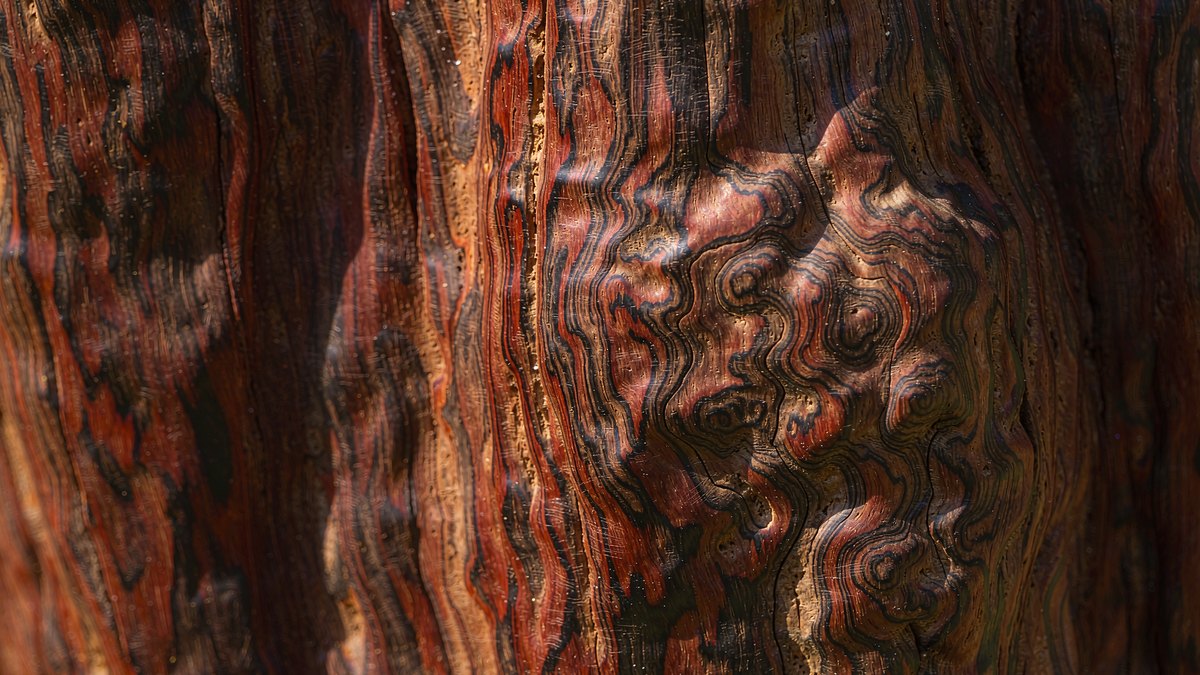
The agarwood market has obvious grade differences, with prices ranging from entry-level to collector-grade. Adulterators often 'upgrade' low-oil, low-density agarwood through artificial means such as high-pressure oil injection, oil soaking, and dyeing to make it look like high-oil sinking-grade. This 'greed' approach essentially exploits consumers' desire for high cost-effectiveness. When identifying, note that natural agarwood has uneven oil distribution and clear natural oil lines, while oil-injected agarwood is often uniformly black with blurred oil lines and a pungent aroma. It is recommended that fragrance lovers first learn about the characteristics of various grades of agarwood through the Agarwood Encyclopedia to establish correct quality standards.
Second Sin: Fake – Artificial Fabrication
Completely artificial 'agarwood' is usually made from ordinary wood (such as crocodile wood, Indonesian rattan, etc.) by high-pressure injection of chemical fragrances and pigments. This type of fake agarwood has no natural agarwood structure, and when burned, the smell is single and pungent, accompanied by black smoke. When identifying, observe the cross-section of the wood: natural agarwood has structures such as phloem, vessels, and wood rays, while fake agarwood often has rigid textures and no natural oil pores. For beginners, it is recommended to refer to the systematic methods in the Identification Pillar Page, combining magnifying glass observation and burning tests to avoid being fooled by 'obvious fakes'.
Third Sin: Show – Deceptive Performances and Staged Scams
Some merchants create a sense of scarcity and trust through 'live bargaining', 'factory direct sales', 'direct supply from fragrance farmers' and other performance-style marketing. In reality, these 'performances' are often carefully designed scams, such as hiring 'shills' to hype the atmosphere, forging origin certificates, and fabricating stories. The key to avoiding pitfalls is to stay rational and not trust stories easily, but to focus on the quality of the agarwood itself. It is advisable to learn more from the traditional identification wisdom in Chinese Fragrance Studies · Agarwood Identification, and judge based on aroma and texture.
Fourth Sin: Imitation – Passing Off Origins
There are many agarwood-producing regions, and famous regions (such as first-tier regions in the Hui'an and Sin Chew systems) are expensive. Adulterators often sell ordinary regional agarwood as famous regional agarwood, such as passing off Indonesian material as Vietnamese Nha Trang, or West Malaysian material as Hainan material. Agarwood from different regions has obvious differences in aroma, such as the Hui'an system being mostly sweet and cool, and the Sin Chew system mostly mellow. Fragrance lovers need to accumulate experience through incense appreciation, or use professional identification agencies. For top varieties such as kyara, be even more alert to imitation, and refer to the Kyara Pillar Page to learn about the unique characteristics of kyara.
Fifth Sin: Boil – Boiling and Dyeing to Change Appearance
Boiling and dyeing is a common adulteration method, where agarwood is boiled in colored water to allow the color to penetrate, imitating high-oil agarwood. This type of agarwood has a uniform but rigid color, unnatural oil lines, and its aroma is destroyed, often with a watery or chemical smell. When identifying, wipe with warm water to see if it fades; also smell the aroma—natural agarwood has rich layers, while boiled agarwood has a single or peculiar smell.
Sixth Sin: Piece – Piecing and Pressing to Create Verisimilitude
Piecing and pressing involves mixing agarwood fragments, scraps, or even other woods with glue and pressing them into bracelets, carvings, etc. These products look complete, but careful observation reveals splicing marks, such as discontinuous textures and sudden color changes. When burned, the smell is mixed with a glue odor. When purchasing, check the details and avoid buying 'agarwood' products with abnormally low prices.
Seventh Sin: Confuse – Concept Confusion to Mislead Consumers
Taking advantage of consumers' unfamiliarity with agarwood terminology, concepts are deliberately confused, such as equating 'agarwood wood' with 'agarwood' (agarwood wood refers to non-resinated Thymelaeaceae wood, while agarwood is the product after resin formation), or equating 'sinking' with high quality (actually sinking is only one indicator). The way to avoid pitfalls is to systematically learn agarwood knowledge and clarify concept definitions. It is recommended to start with the Agarwood Encyclopedia to build a complete knowledge framework.
Avoidance Checklist: Five Steps to Identify Fake Agarwood
1. Look at oil lines: natural agarwood oil lines are clear and unevenly distributed; fake agarwood oil lines are blurred or too uniform.
2. Smell the aroma: natural agarwood has rich layers; fake agarwood has a pungent, single odor.
3. Weigh: sinking-grade agarwood has high density, but not all sinking agarwood is good; combine with other features.
4. Burn test: natural agarwood burns with a pure aroma; fake agarwood has a chemical smell and black smoke.
5. Check the source: choose reputable merchants and ask for origin certificates and identification certificates.
In short, the core of avoiding pitfalls is to build a correct agarwood cognition system: learn more, observe more, smell more, do not covet cheapness, and do not easily trust stories. By continuously improving through professional content such as Chinese Fragrance Studies · Agarwood Identification, you can calmly avoid pitfalls.
(This is industry observation and popular-science summary, not investment advice. Buy agarwood through legal channels with traceable, testable sources.)
Compiled for general knowledge; traditional references are cultural notes, not medical advice.
常见问题
Seven Sins of Agarwood Adulteration and a Practical Avoidance Checklist是什么?
Agarwood adulteration methods are endless, summarized here as the 'Seven Sins': greed (passing off inferior as superior), fake (artificial fabrication), show (deceptive performances), imitation (passing off origins), boil (boiling and dyeing), piece (piecing and pressing), and confuse (concept confusion). This article provides a practical checklist to help agarwood lovers identify fake agarwood from multiple dimensions such as aroma, oil lines, density, and burning performance, and build correct agarwood cognition.
沉香怎么选购?
选购沉香应认准可溯源、可检测的渠道,按用途选择形态(线香 / 手串 / 原料),不盲目追高、不轻信「野生」「沉水」等夸大宣传;优先选择带检测报告与来源凭证的商品。
沉香如何保养?
沉香怕潮、怕串味、怕暴晒,应密封、避光、阴凉存放,不同产区分开保存;长期不用的香材定期通风检查,防霉防虫。
如何鉴别沉香的真假?
鉴别沉香需综合感官与辅助手段:天然沉香香气清雅、持久、凉甜交织,燃烧烟气清白而非刺鼻;可结合 GC-MS 色谱检测特征成分(色酮、倍半萜)。建议通过可信渠道与可溯源凭证降低风险。
不同产区沉香有什么区别?
各产区因气候、树种与结香方式差异,香韵各具特色(如海南清雅、越南甜凉、印尼醇厚),是沉香分级与定价的重要参考维度。
沉香价格行情如何?
沉香行情随结香程度、产区、形态分化明显,顶级收藏与入门消费两端活跃;建议以合法、可检测渠道的实际成交为参考,勿轻信单一报价。
沉香与香道文化有什么关系?
沉香是东亚香道文化的核心媒介,从礼佛、文人雅集到当代生活美学,承载「静心、慢享」的东方审美,理解文化背景有助于读懂沉香价值。
沉香有健康功效吗?
传统上沉香被用于舒缓、助眠等场景,但证据等级与用量需谨慎看待;把「传统用法」与「科学证据」分开表述,具体以专业指导为准。
参考资料
You may also like
评论区
评论匿名可浏览,登录后可发表;提交后先审后显。
评论加载中…