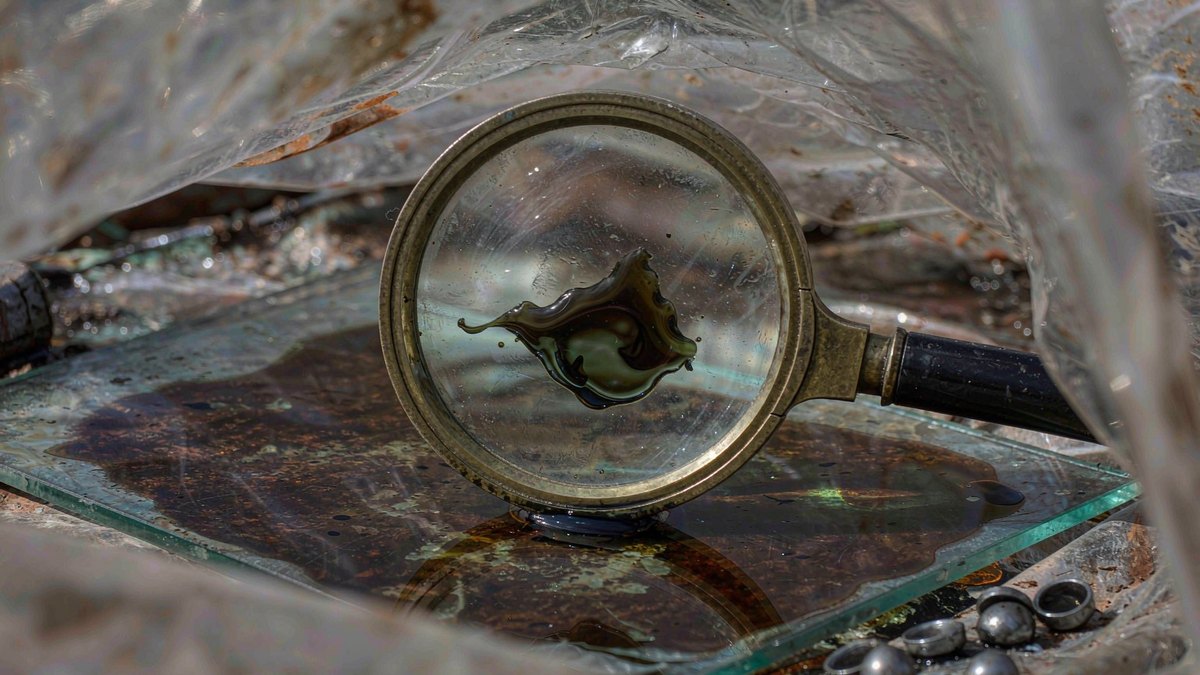
From Raw Agarwood to a Wisp of Fragrance: A Guide to Agarwood Processing
Processing agarwood involves cleaning, sorting, cutting, drilling, curing and incense evaluation; the core principles are low temperature, slow work and minimal loss, with use determined by resin distribution.
1. Intake: Cleaning and Sorting Determine Yield
The first step is not cutting but cleaning and sorting. Remove soil, decayed wood and insect damage with soft brushes and bamboo picks, then inspect resin lines, formation thickness and cavities under natural light. Sorting is not about choosing the darkest piece; it is about matching the material to its use. Dense, resin-rich pieces suit beads or carvings, while thin or irregular pieces are better ground or sliced. Use the structural criteria in the identification pillar to avoid mistaking coated or treated wood for natural formation.
2. Cutting and Shaping: Follow the Resin Lines
Cutting causes the greatest loss. Saw or wire-cut along the resin lines to limit fracture and chipping. Before bead turning, square the block and drill away from cavities and soft wood to reduce later cracking. Slicing should be even in thickness: too thick blocks aroma release, too thin crumbles. Keep temperature and humidity controlled and avoid sun-drying or high-heat drying, which drive off aromatic compounds. For differences among formation types, see the agarwood encyclopedia; soft kyara-type material requires even more careful low-temperature handling, as noted in the kyara pillar.
3. Drying and Curing: Stabilizing the Aroma
Cut pieces should dry slowly in shade and ventilation until moisture content stabilizes, then cure. Curing is not mere aging; it balances surface oxidation with internal resin so the scent turns from sharp to deep. Avoid over-sealing, which invites mold, and keep the material away from strong odors. Traditional incense practice treats storage as part of processing, as recorded in Chinese Incense Studies: Agarwood Identification.
4. Finished Forms and Appreciation
Finished forms include beads, carvings, incense sticks, powders and slices. Stick incense requires blending powder with binder, resting, extruding and shade-drying; powder quality depends on fineness and even sieving. Appreciate with gentle low-temperature heating: note the top, heart and base notes to judge whether processing was sound. The standard is consistent: preserve resin, avoid foreign odors and minimize heat loss. Turning raw wood into a wisp of fragrance is a test of material understanding and patience.
Key points: sort by use, cut along resin lines, dry slowly, cure carefully, heat gently. Good processing reveals natural resin rather than darkening the wood.
(This is industry observation and popular-science summary, not investment advice. Buy agarwood through legal channels with traceable, testable sources.)
Compiled for general knowledge; traditional references are cultural notes, not medical advice.
常见问题
From Raw Agarwood to a Wisp of Fragrance是什么?
Processing agarwood involves cleaning, sorting, cutting, drilling, curing and incense evaluation; the core principles are low temperature, slow work and minimal loss, with use determined by resin distribution.
沉香怎么选购?
选购沉香应认准可溯源、可检测的渠道,按用途选择形态(线香 / 手串 / 原料),不盲目追高、不轻信「野生」「沉水」等夸大宣传。
沉香如何保养?
沉香怕潮、怕串味、怕暴晒,应密封、避光、阴凉存放,不同产区分开保存;长期不用的香材定期通风检查,防霉防虫。
You may also like
评论区
评论匿名可浏览,登录后可发表;提交后先审后显。
评论加载中…