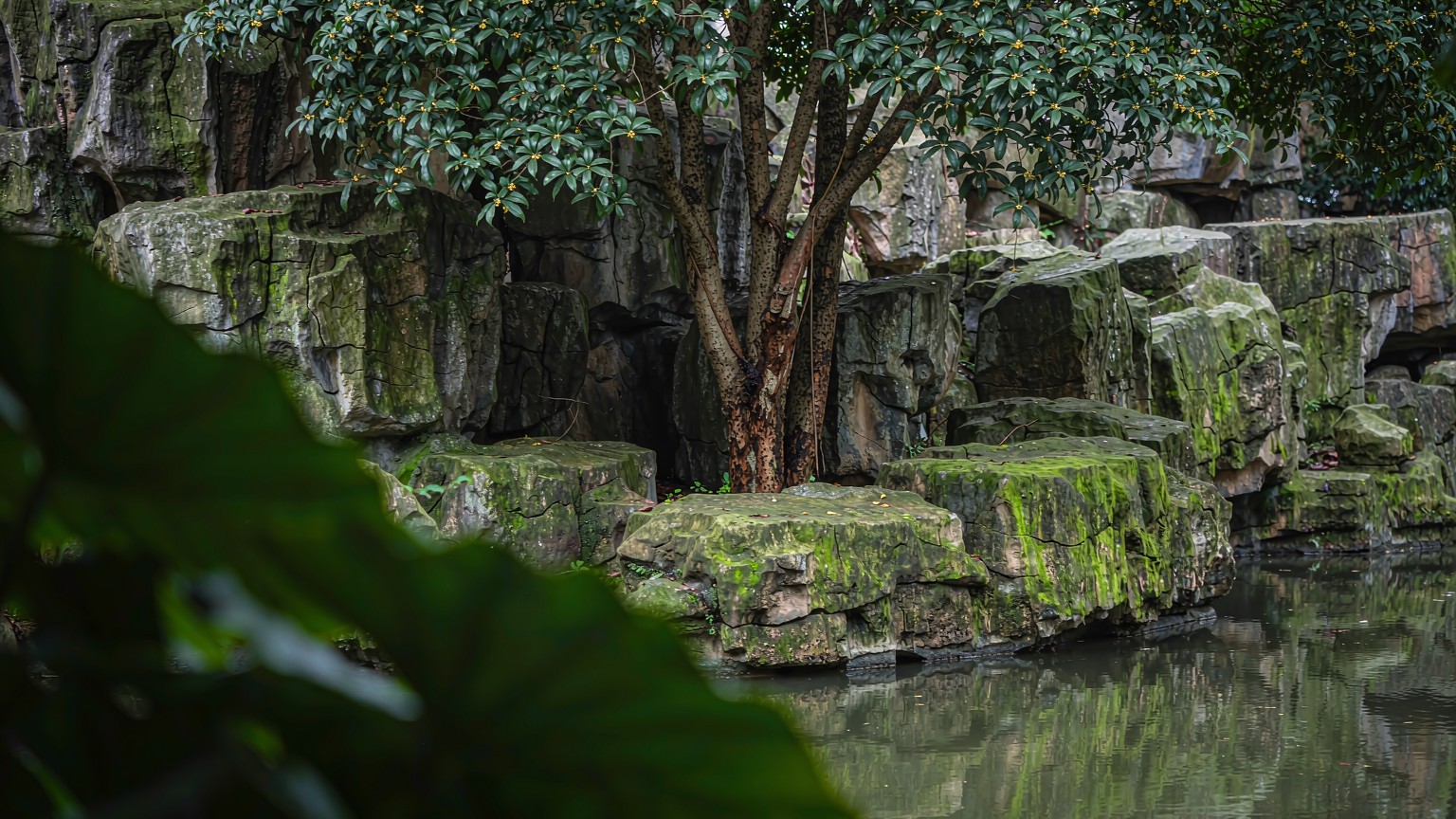
Agarwood Aroma Type Atlas: Sweet, Cool, Floral, Fruity, Medicinal, Milky
Agarwood aromas can be classified into six major types—sweet, cool, floral, fruity, medicinal, and milky—derived from different tree species, formation environments, and aging periods, forming a core dimension of appreciation and identification.
Definition and Significance of the Agarwood Aroma Atlas
The agarwood aroma type atlas is a tool for systematically classifying the scent characteristics of agarwood, summarizing complex and varied aromas into six typical categories: sweet, cool, floral, fruity, medicinal, and milky. This atlas not only helps incense lovers quickly build an olfactory cognitive framework but also serves as an important reference for judging origin, formation method, and quality grade in agarwood identification. Understanding aroma types means mastering the language to communicate with agarwood.
Detailed Explanation of the Six Aroma Types
Sweet: The most common base aroma, with a clear sweetness like honey or sugarcane, often found in agarwood from the Hui'an region and the first impression for many beginners.Cool: A penetrating sensation like mint or borneol that rushes into the nasal cavity, prominent in kyara and some Sin Chew agarwood; the stronger the coolness, the higher the grade.Floral: An elegant fragrance resembling orchid, osmanthus, or rose, often interwoven with sweetness, rare in high-quality agarwood from Hainan, Vietnam, and other regions.Fruity: A sweet and sour note like ripe fruit or preserved fruit, sometimes with plum or apricot tones, mostly seen in rich-resin old wood.Medicinal: A mellow, bitter-cool aroma similar to Chinese herbs, with notes of patchouli, tangerine peel, or ginseng, common in Sin Chew agarwood and soil agarwood, giving a calm and stable feeling.Milky: A creamy, coconut-milk-like soft sweetness, often blended with sweet notes, typical in some Manilao and Brunei agarwood. For more basic concepts, please refer to the Agarwood Encyclopedia.
Application of the Aroma Atlas in Appreciation and Identification
In actual appreciation, a single piece of agarwood often presents a complex and layered combination of multiple aroma types. For example, kyara often combines cool, sweet, floral, fruity, milky and other nuances, evolving dynamically with temperature and time. Mastering the aroma atlas helps understand its fragrance characteristics in the Kyara Pillar Page, and also assists in judging origin and authenticity through aroma types during identification. It is recommended to combine traditional methods from Chinese Incense Studies · Agarwood Identification, using aroma as a clue and comprehensively evaluating indicators such as resin, texture, and sinking.
Key Takeaways
The agarwood aroma type atlas uses sweet, cool, floral, fruity, medicinal, and milky as six coordinates, serving as a fundamental tool for incense studies cognition and quality identification. Through continuous smelling and comparison, building a personal olfactory memory bank enables more accurate appreciation of the beauty of agarwood.
(This is industry observation and popular-science summary, not investment advice. Buy agarwood through legal channels with traceable, testable sources.)
Compiled for general knowledge; traditional references are cultural notes, not medical advice.
常见问题
Agarwood Aroma Type Atlas是什么?
Agarwood aromas can be classified into six major types—sweet, cool, floral, fruity, medicinal, and milky—derived from different tree species, formation environments, and aging periods, forming a core dimension of appreciation and identification.
沉香怎么选购?
选购沉香应认准可溯源、可检测的渠道,按用途选择形态(线香 / 手串 / 原料),不盲目追高、不轻信「野生」「沉水」等夸大宣传。
沉香如何保养?
沉香怕潮、怕串味、怕暴晒,应密封、避光、阴凉存放,不同产区分开保存;长期不用的香材定期通风检查,防霉防虫。
You may also like
评论区
评论匿名可浏览,登录后可发表;提交后先审后显。
评论加载中…