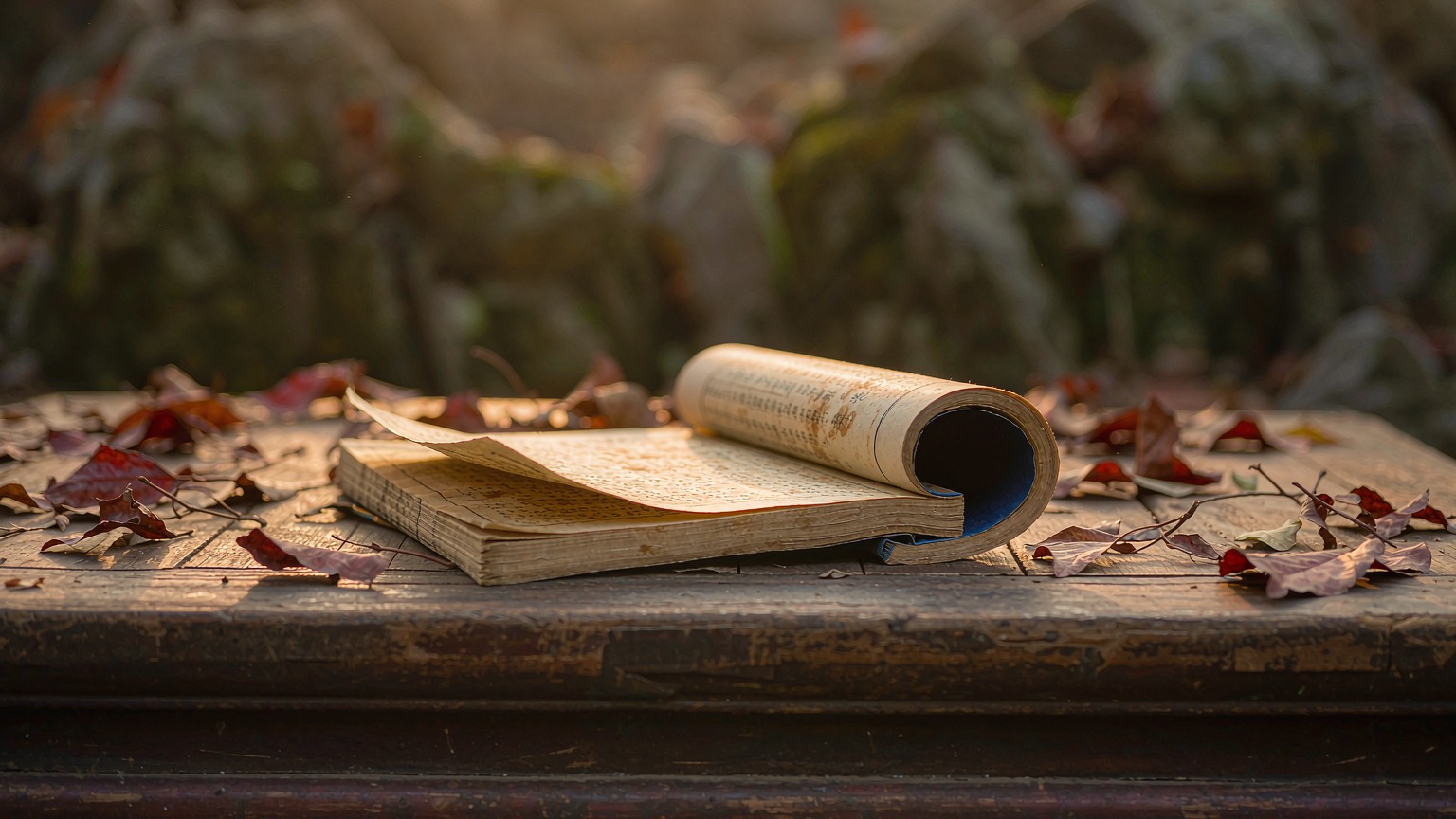
Etiquette and Aesthetics of Agarwood in East Asian Incense Ceremony
Agarwood is not only a precious spice but also a core carrier of etiquette and aesthetics in East Asian incense ceremonies. This article defines its role and explores the ritual norms and aesthetic implications, as well as cultural connotations.
The Core Position of Agarwood in Incense Ceremony Etiquette
In East Asian incense ceremonies, agarwood is regarded as the foremost among all incense materials, and its use involves elaborate etiquette. From selecting incense and preparing utensils to burning and appreciating it, every step embodies respect and ritual. For example, in Japanese Kōdō, agarwood (especially kyara) is often used in important tea gatherings and ceremonies; the host passes the incense burner in a specific manner, and guests receive it respectfully to feel the changes in fragrance. This etiquette not only shows respect for incense but also serves as a medium for interpersonal communication. For basic knowledge of agarwood, please refer to the Agarwood Encyclopedia.
Aesthetic Pursuits of Agarwood in East Asian Incense Ceremonies
The aesthetics of agarwood in incense ceremonies go beyond mere olfactory experience; it emphasizes the realm of "tranquility, elegance, and purity." In Chinese literati incense practices, appreciating agarwood requires a serene environment and a peaceful mind, using the fragrance to inspire introspection and imagination. Japanese Kōdō focuses on the cultivation of the "Ten Virtues of Incense," associating the qi of agarwood with seasons and waka poetry, forming a unique aesthetic system. For kyara, the top-grade agarwood, its aesthetic value is highly praised; please see the Kyara Pillar Page for more. The aesthetics of agarwood in incense ceremonies are often complemented by the evaluation standards in Chinese Incense Study · Agarwood Identification.
Cultural Connotations of Agarwood Etiquette and Aesthetics
The etiquette and aesthetics of agarwood in East Asian incense ceremonies are rooted in Confucian "respect," Daoist "naturalness," and Buddhist "Zen joy." Etiquette regulates the interaction between people and incense, and among people, while aesthetics elevates spiritual pursuit. Through agarwood, East Asian incense ceremonies have formed a unique cultural landscape that continues to be inherited and developed. Knowledge of agarwood identification helps to deepen understanding of its etiquette and aesthetics; please refer to the Identification Pillar Page.
Conclusion
The etiquette and aesthetics of agarwood in East Asian incense ceremonies are a perfect combination of material and spirit. From ritual norms to aesthetic experiences, agarwood carries profound cultural heritage and deserves careful appreciation by every incense enthusiast.
(This is industry observation and popular-science summary, not investment advice. Buy agarwood through legal channels with traceable, testable sources.)
Compiled for general knowledge; traditional references are cultural notes, not medical advice.
常见问题
Etiquette and Aesthetics of Agarwood in East Asian Incense Ceremony是什么?
Agarwood is not only a precious spice but also a core carrier of etiquette and aesthetics in East Asian incense ceremonies. This article defines its role and explores the ritual norms and aesthetic implications, as well as cultural connotations.
沉香怎么选购?
选购沉香应认准可溯源、可检测的渠道,按用途选择形态(线香 / 手串 / 原料),不盲目追高、不轻信「野生」「沉水」等夸大宣传。
沉香如何保养?
沉香怕潮、怕串味、怕暴晒,应密封、避光、阴凉存放,不同产区分开保存;长期不用的香材定期通风检查,防霉防虫。
You may also like
评论区
评论匿名可浏览,登录后可发表;提交后先审后显。
评论加载中…