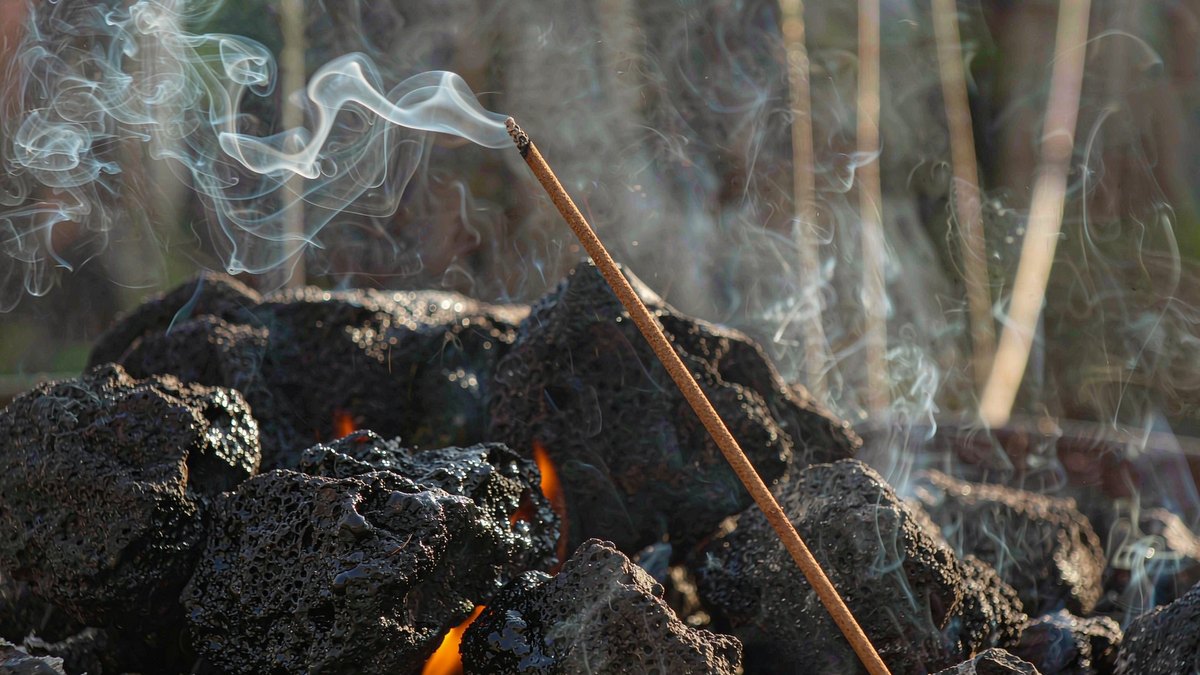
Differences Between Agarwood, Sandalwood, and Thuja: Three Easily Confused Incense Materials for Beginners
Agarwood, sandalwood, and thuja are three incense materials that beginners often confuse. This article compares their origins, aromas, textures, and uses to help you distinguish them quickly, with recommendations for further study on agarwood encyclopedia and identification.
1. Essential Differences in Origin and Formation
Although agarwood, sandalwood, and thuja all have "fragrance," their origins are completely different. Agarwood is a solid resinous deposit formed by trees of the Aquilaria genus (Thymelaeaceae) after injury, which secretes resin and undergoes aging over many years—it is a "wound-induced" incense. Sandalwood is the heartwood of trees in the Santalum genus (Santalaceae), naturally containing volatile oils and emitting fragrance without injury. Thuja is the wood of plants in the Thuja genus (Cupressaceae), whose main components are thujone and terpenoids, with fragrance coming from the wood itself. Understanding these essential differences is the first step to distinguish the three. For details on agarwood formation, see the Agarwood Encyclopedia.
2. Aroma Characteristics and Sensory Identification
Agarwood's aroma is rich and varied—subtle at room temperature, layered when heated, often with complex notes of sweetness, coolness, floral, fruity, and milky, varying greatly by origin and formation. Sandalwood's aroma is intense and lasting, mainly creamy and woody, warm and mellow but relatively simple. Thuja's aroma is crisp, with a cool pine-cypress sensation and a faint medicinal note; some materials have a sweet taste. Beginners can compare by smelling: agarwood is "deep" and restrained, sandalwood is "uplifting" and direct, thuja is "fresh" with a cooling effect. For systematic identification methods, please refer to the Identification Pillar Page.
3. Texture, Density, and Common Uses
Agarwood is usually soft, with density varying by resin content; those that half-sink or fully sink in water are considered better. It is commonly used for incense, beads, carvings, and medicine. Sandalwood is hard and fine-grained, high in density, mostly sinking in water, and is a classic material for incense sticks, essential oils, Buddha statues, and furniture. Thuja is tough, with gorgeous grain and moderate density, mostly used for root carvings, ornaments, and beads, and can also be extracted for essential oil. Among the three, agarwood is the most precious, sandalwood the most widely used, and thuja the most ornamental. In the Chinese Incense Culture · Agarwood Identification column, there is more in-depth content on texture identification.
4. Key Points for Beginners to Avoid Pitfalls
Beginners often mistake thuja for agarwood, or assume sandalwood is higher quality because of its strong scent. Remember: agarwood does not necessarily sink in water; sandalwood is not better the stronger it smells; thuja's "fragrance" is not in the same value system as agarwood. When purchasing, always ask for origin and test information, smell and compare more, and build correct olfactory memory. If you are interested in top-grade agarwood such as kyara, you can read the Kyara Pillar Page.
(This is industry observation and popular-science summary, not investment advice. Buy agarwood through legal channels with traceable, testable sources.)
Compiled for general knowledge; traditional references are cultural notes, not medical advice.
常见问题
Differences Between Agarwood, Sandalwood, and Thuja是什么?
Agarwood, sandalwood, and thuja are three incense materials that beginners often confuse. This article compares their origins, aromas, textures, and uses to help you distinguish them quickly, with recommendations for further study on agarwood encyclopedia and identification.
沉香怎么选购?
选购沉香应认准可溯源、可检测的渠道,按用途选择形态(线香 / 手串 / 原料),不盲目追高、不轻信「野生」「沉水」等夸大宣传。
沉香如何保养?
沉香怕潮、怕串味、怕暴晒,应密封、避光、阴凉存放,不同产区分开保存;长期不用的香材定期通风检查,防霉防虫。
You may also like
评论区
评论匿名可浏览,登录后可发表;提交后先审后显。
评论加载中…