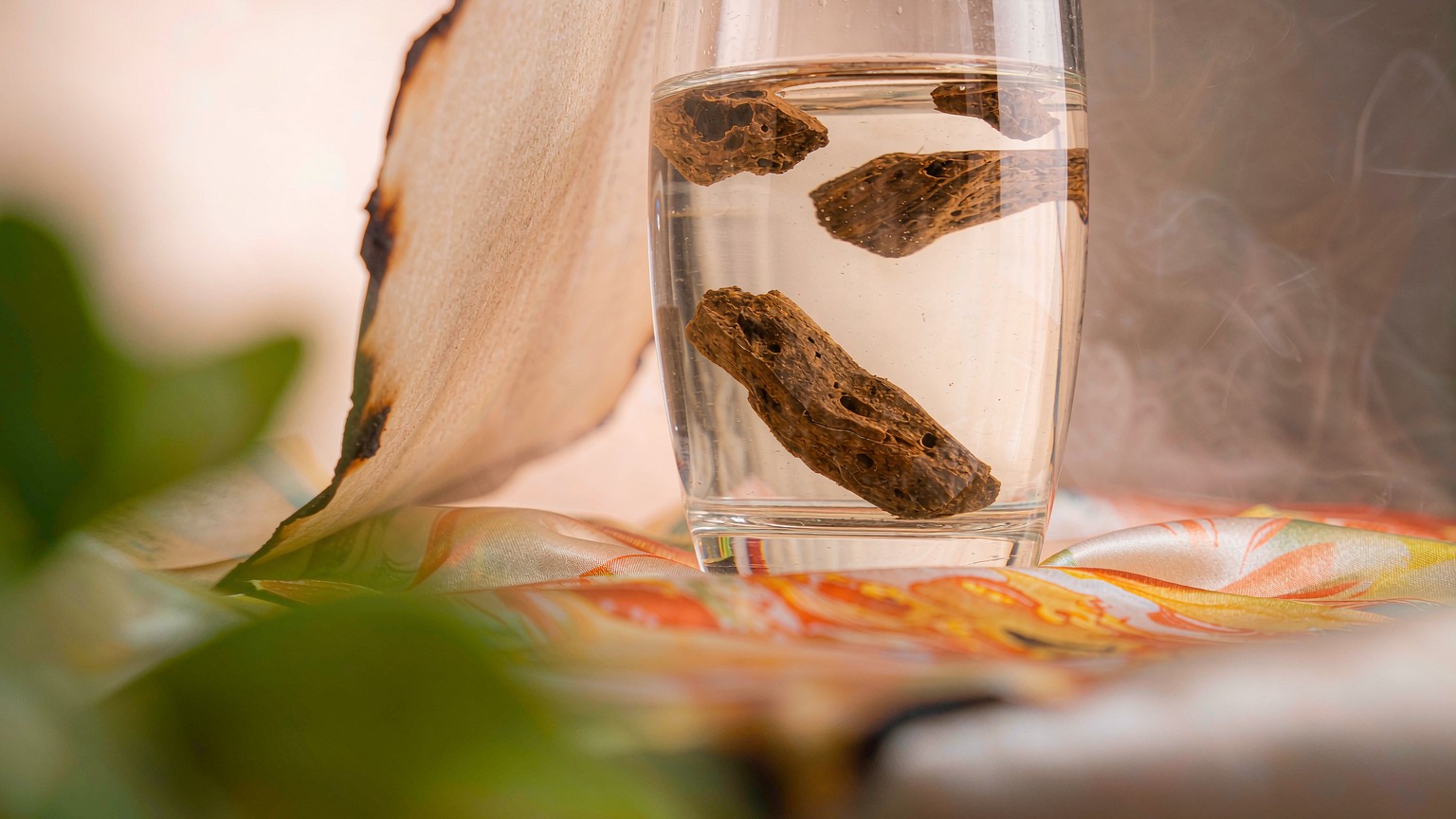
Seven Sins of Agarwood Adulteration and a Pitfall Avoidance Checklist: A Fraud Prevention Guide from Beginner to Expert
This article exposes the seven sins of agarwood adulteration: high-pressure oil injection, dyeing and polishing, artificial drawing of oil lines, chemical soaking for fragrance, counterfeiting with similar woods (e.g., crocodile wood), splicing and pressing, and false origins. It also provides a practical pitfall avoidance checklist to help incense lovers avoid traps through observation, smelling, touching, and scientific identification.
1. The Seven Sins of Agarwood Adulteration: Methods Revealed
Agarwood adulteration methods are endless, and the following seven are the most common: 1. High-pressure oil injection: injecting chemical oils into low-quality agarwood or white wood under high pressure to increase weight and color, but the oil distribution is uniform without natural texture. 2. Dyeing and polishing: soaking in dye and high-speed polishing to make the surface dark black, but it fades in water and lacks the unique oil lines of agarwood. 3. Artificial drawing of oil lines: drawing oil lines on wood with a pen, which looks realistic but the lines are stiff without variation in depth. 4. Chemical soaking for fragrance: soaking in chemical essence, the fragrance is strong and pungent but short-lasting and lacks layering. 5. Counterfeiting with similar woods: using crocodile wood, orchid wood, etc., to imitate agarwood; the texture is similar but lacks the charm of agarwood. 6. Splicing and pressing: pressing crushed materials with glue, the appearance is complete but the structure is loose, and glue marks are visible under a magnifying glass. 7. False origins: labeling ordinary agarwood as famous origins such as Hui'an or Nha Trang to raise prices. Understanding these methods is the first step to avoiding pitfalls. For more systematic knowledge, please refer to the Identification Pillar Page.
2. Pitfall Avoidance Checklist: Five-Step Identification
Facing adulteration, incense lovers can initially identify agarwood through the following five steps: First, look: observe whether the oil lines are natural and the color is uniform. Natural agarwood oil lines are irregular with color transitions. Second, smell: natural agarwood has a delicate, layered fragrance, while fake goods have a single pungent smell. Third, touch: natural agarwood feels warm and moist, while fake goods often feel greasy or dry. Fourth, sink: the sinking test is for reference only, as high-pressure oil injection can also sink, so it should be combined with other features. Fifth, burn: burn a small piece with a flame; natural agarwood emits a pure fragrance, while fake goods have a chemical or burnt odor. For high-value agarwood, it is recommended to send it to a professional institution for testing. For more identification techniques, please see Chinese Incense Culture · Agarwood Identification.
3. Advanced Fraud Prevention: From Kyara to Origins
Kyara, as the finest among agarwood, is particularly rampant with counterfeits. Common methods include using ordinary agarwood with high-pressure oil injection to imitate Kyara, or soaking in medicinal water to create a soft silk feeling. True Kyara is soft and waxy, numbing when tasted, and has a varied fragrance; identification requires rich experience. In addition, origin fraud should also be vigilant, such as passing off Singaporean agarwood as Hui'an agarwood. Beginners are advised to start with reputable merchants and learn the origin characteristics from the Agarwood Encyclopedia. For Kyara, you can refer to the Kyara Pillar Page for in-depth understanding.
4. Conclusion: Rational Consumption, Stay Away from Traps
The core of the seven sins of agarwood adulteration and the pitfall avoidance checklist is to improve your own identification ability. Remember: do not covet bargains, do not blindly believe stories, learn and observe more, and use scientific testing. Only rational consumption allows you to enjoy the tranquility and elegance brought by agarwood.
(This is industry observation and popular-science summary, not investment advice. Buy agarwood through legal channels with traceable, testable sources.)
Compiled for general knowledge; traditional references are cultural notes, not medical advice.
常见问题
Seven Sins of Agarwood Adulteration and a Pitfall Avoidance Checklist是什么?
This article exposes the seven sins of agarwood adulteration: high-pressure oil injection, dyeing and polishing, artificial drawing of oil lines, chemical soaking for fragrance, counterfeiting with similar woods (e.g., crocodile wood), splicing and pressing, and false origins. It also provides a practical pitfall avoidance checklist to help incense lovers avoid traps through observation, smelling, touching, and scientific identification.
沉香怎么选购?
选购沉香应认准可溯源、可检测的渠道,按用途选择形态(线香 / 手串 / 原料),不盲目追高、不轻信「野生」「沉水」等夸大宣传。
沉香如何保养?
沉香怕潮、怕串味、怕暴晒,应密封、避光、阴凉存放,不同产区分开保存;长期不用的香材定期通风检查,防霉防虫。
You may also like
评论区
评论匿名可浏览,登录后可发表;提交后先审后显。
评论加载中…