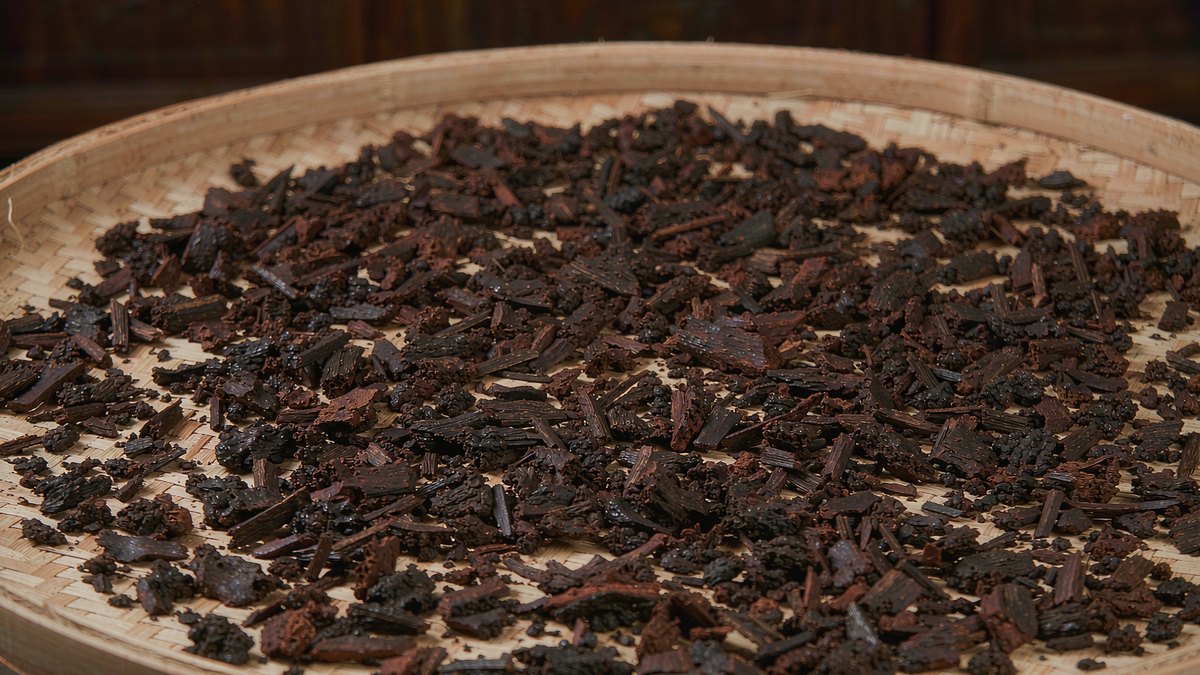
A Brief History of Chinese Incense Culture: From Han-Tang Incense Use to Ming-Qing Literati Gatherings
Chinese incense culture has a long history, starting from pre-Qin sacrifices, flourishing in the Han and Tang dynasties, popularizing in the Song, and becoming elegant in the Ming and Qing. This article traces the development from Han-Tang incense use to Ming-Qing literati gatherings, revealing how incense moved from religious rituals to literati life and became an important part of Chinese incense studies.
Han-Tang Incense Use: Popularization from Court to Religion
In the Han Dynasty, with the opening of the Silk Road, exotic incense materials such as agarwood and sandalwood were introduced to China, and incense use expanded from sacrifices to court life and medicine. In the Tang Dynasty, Buddhism and Taoism flourished, and burning incense became an important part of religious ceremonies. Meanwhile, literati began to use incense while reading and socializing. Incense utensils also became increasingly exquisite, such as the Boshan burner and incense sachets. For a deeper understanding of agarwood application in the Han and Tang periods, please refer to Agarwood Encyclopedia.
Song Dynasty Incense Affairs: Daily Life of Literati
In the Song Dynasty, economic prosperity and the rise of urban culture made incense use a fashion for all social classes. Literati even listed incense appreciation alongside tea whisking, painting, and flower arrangement as the "four leisure activities." Literary giants like Su Shi and Huang Tingjian left poems about incense. Specialized "incense seats" for incense appreciation emerged, and systematic incense theory was formed. In Chinese Incense Studies · Agarwood Identification, one can learn about the influence of Song Dynasty incense studies on later identification systems.
Ming-Qing Gatherings: Integration of Incense and Literati Life
During the Ming and Qing dynasties, literati gatherings prevailed, and incense became an indispensable element. Zhou Jiazhou's "Xiang Cheng" in the Ming Dynasty synthesized previous incense studies, while the Qing Dynasty emphasized daily and practical use. Literati not only appreciated incense but also participated in making and identifying it, integrating incense with qin, chess, calligraphy, and painting. In particular, kyara incense, due to its rarity and unique charm, became a treasure sought after by literati. For details, please refer to Kyara Pillar Page. Meanwhile, incense identification became increasingly refined; see Identification Pillar Page.
Conclusion: Incense Heritage Flows, Gatherings Renew
From religious rituals in the Han and Tang dynasties to literati gatherings in the Ming and Qing, Chinese incense culture has continuously evolved, yet always carried the ancients' pursuit of spiritual life. Today, as we revive incense studies, it is not only a tribute to tradition but also a return to elegant living.
(This is industry observation and popular-science summary, not investment advice. Buy agarwood through legal channels with traceable, testable sources.)
Compiled for general knowledge; traditional references are cultural notes, not medical advice.
常见问题
A Brief History of Chinese Incense Culture是什么?
Chinese incense culture has a long history, starting from pre-Qin sacrifices, flourishing in the Han and Tang dynasties, popularizing in the Song, and becoming elegant in the Ming and Qing. This article traces the development from Han-Tang incense use to Ming-Qing literati gatherings, revealing how incense moved from religious rituals to literati life and became an important part of Chinese incense studies.
沉香怎么选购?
选购沉香应认准可溯源、可检测的渠道,按用途选择形态(线香 / 手串 / 原料),不盲目追高、不轻信「野生」「沉水」等夸大宣传。
沉香如何保养?
沉香怕潮、怕串味、怕暴晒,应密封、避光、阴凉存放,不同产区分开保存;长期不用的香材定期通风检查,防霉防虫。
You may also like



评论区
评论匿名可浏览,登录后可发表;提交后先审后显。
评论加载中…