Agarwood Grade System: From Bantou and Diaokou to Kyara
The agarwood grade system is based on formation method, shape, density, and aroma, ranging from common types like Bantou and Diaokou to the top-tier Kyara. This article provides a complete classification guide.
1. Core Dimensions of the Agarwood Grade System
Agarwood grading is not a single standard but a combination of formation method, shape, density (sinking degree), aroma, and origin. Traditionally, incense studies classify agarwood into Bantou, Diaokou, Piyou, Chonglou, Shuichen, Tuchen, and Kyara, with Kyara considered the top grade. Understanding these grades helps in collection, identification, and appreciation. For more systematic knowledge, see the Agarwood Encyclopedia.
2. From Bantou to Diaokou: Detailed Explanation of Common Grades
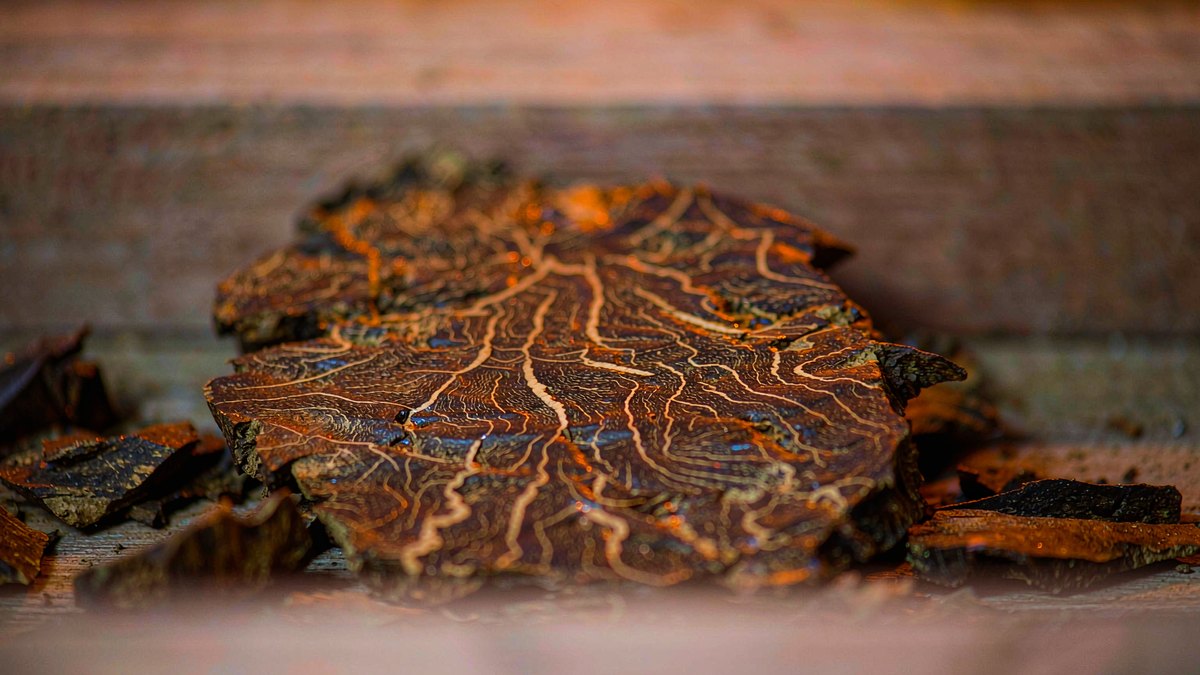
Bantou refers to flat, plate-like agarwood formed at wounds on the trunk or branches, with resin distributed along the wound edges. It has lower density but a clear, uplifting aroma, suitable for incense sticks or daily burning. Diaokou is agarwood formed by resin dripping downward from a trunk wound, often thicker and denser than Bantou, with a richer aroma. Other types include Piyou (bark resin), Chonglou (insect-bored), Shuichen (water-logged), and Tuchen (earth-buried), each with distinct density and aroma. Identification requires experience and tools; refer to the Identification Pillar Page.
3. Kyara: The Pinnacle of Agarwood Grades
Kyara (also known as Qinan) is the rarest and highest grade of agarwood. Its formation mechanism differs from ordinary agarwood, often involving specific tree species, fungal infection, and aging environment. Kyara is soft, rich in resin, and offers a complex taste—numbing, spicy, bitter, and sweet—with layered aromas of coolness, flowers, fruits, and honey. By color and characteristics, it is classified into White, Green, Purple, Yellow, and Black Kyara. Grading is extremely strict, often priced per gram, making it the pinnacle of incense collection. For deeper insights, visit the Kyara Pillar Page.
4. Practical Application and Summary of the Grade System
In practice, the agarwood grade system helps enthusiasts build a framework from low to high: Bantou and Diaokou are suitable for beginners and daily use; Piyou, Chonglou, Shuichen, and Tuchen vary widely in quality due to aging; Kyara represents top-tier collection. Note that grades are not absolute—the same type may differ by origin, formation years, and resin content. It is recommended to combine traditional methods from Chinese Incense Studies · Agarwood Identification, and to smell and compare more to improve appreciation.
Key Takeaways: The agarwood grade system from Bantou and Diaokou to Kyara centers on formation method, density, and aroma. Bantou is flat and light, Diaokou is dripping and rich, while Kyara is soft, variable, and extremely rare. Mastering this system is the first step in agarwood collection and appreciation.
(This is industry observation and popular-science summary, not investment advice. Buy agarwood through legal channels with traceable, testable sources.)
Compiled for general knowledge; traditional references are cultural notes, not medical advice.
常见问题
Agarwood Grade System是什么?
The agarwood grade system is based on formation method, shape, density, and aroma, ranging from common types like Bantou and Diaokou to the top-tier Kyara. This article provides a complete classification guide.
沉香怎么选购?
选购沉香应认准可溯源、可检测的渠道,按用途选择形态(线香 / 手串 / 原料),不盲目追高、不轻信「野生」「沉水」等夸大宣传。
沉香如何保养?
沉香怕潮、怕串味、怕暴晒,应密封、避光、阴凉存放,不同产区分开保存;长期不用的香材定期通风检查,防霉防虫。
You may also like



评论区
评论匿名可浏览,登录后可发表;提交后先审后显。
评论加载中…