Your First Year in Agarwood: A Shortcut-Free Roadmap for Beginners
The most effective roadmap for agarwood beginners in the first year is: build systematic knowledge first, then train your nose, then do small-scale trial purchases, and finally define your collection direction. This article breaks down learning priorities by quarter to help beginners avoid common pitfalls.
Why Do Beginners Often Take Detours in the First Year?
Most agarwood beginners take detours not because they lack effort, but because their learning order is wrong. Many rush to buy bracelets, chase origins, and compare prices, while ignoring the two most basic things: building a correct framework of agarwood knowledge and training olfactory memory. Without these, spending more money won't lead to real progress.
The correct first year is like building a house: lay the foundation first, then erect the frame, and finally decorate. In agarwood learning, this means first understanding the basic concepts in the Agarwood Encyclopedia, then establishing olfactory standards through physical samples, and only then moving into small purchases and direction selection.
A Quarterly Roadmap for the First Year
Q1: Build a knowledge framework. The focus is not buying, but reading and asking. Clarify the differences between agarwood, agarwood wood, kyara, artificial incense, and chemical incense; understand the basic logic of resin formation, regional distribution, and grade classification. Start by reading the core entries in the Agarwood Encyclopedia, note down unfamiliar terms, and verify them one by one. At this stage, you can buy nothing at all—looking without buying is not shameful.
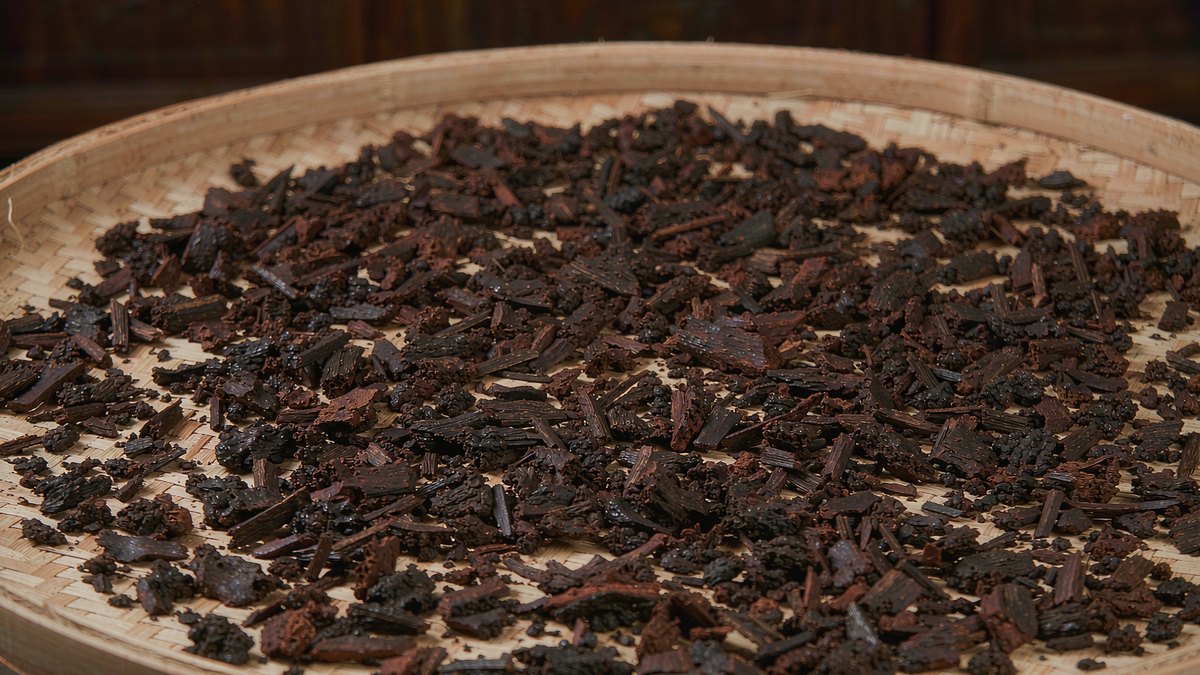
Q2: Train olfactory memory. Find reliable channels and expose yourself to at least 5–10 natural agarwood samples from different regions and grades, ideally including incense sticks, chips, and raw materials. Smell only one at a time and record your impressions: sweet, cool, floral, fruity, medicinal, milky, etc. Don't rush to conclusions; let your nose first remember "what natural agarwood smells like." If there are incense courses or gatherings locally, join them—group incense appreciation is a fast way to build standards.
Q3: Small-scale trial and error. After you have some olfactory foundation, you can start small purchases. Keep each budget within what you can afford, and prioritize small-weight raw materials or incense sticks rather than jumping straight to bracelets. Before buying, ask more, look more, and compare more. After receiving the goods, smell first and then burn to verify whether they match the description. The goal at this stage is not "buying good stuff" but "building your own judgment." When unsure, refer to the methods in the Identification Pillar Page to practice observing oil lines, smelling aromas, and distinguishing authenticity.
Q4: Define your direction. After three quarters of accumulation, you will gradually discover what you prefer: clear sweet floral-fruity notes, cool kyara-like notes, or steady medicinal notes from aged wood. At this point, decide your collection or usage direction without blindly following trends. If you are particularly interested in kyara, you can study the Kyara Pillar Page separately, but it is advisable to first solidify your foundation in ordinary agarwood.
The Three Most Common Pitfalls for Beginners
Pitfall 1: Superstition about origin names. You hear "Hui'an," "Nha Trang," or "Phuoc Son red soil" and impulsively order, not knowing that the same region has high and low grades, and even plenty of fakes. Origin is only a reference; ultimately, you must judge the actual material.
Pitfall 2: Buying without learning. Treating agarwood like an ordinary commodity, buying and then putting it away without smelling, recording, or comparing. No matter how much you buy, your nose and judgment won't improve.
Pitfall 3: Chasing "bargains." Beginners most easily believe they can buy high-grade material at low prices. In reality, agarwood is generally a case of "you get what you pay for." If the price is obviously below market, there is likely a problem. Instead of looking for bargains, spend your budget on building standards.
If you want to learn identification and incense appreciation more systematically, read more content related to Chinese Incense Studies · Agarwood Identification, combining ancient experience with modern methods.
Conclusion: The Most Important Thing in the First Year Is Building Standards
In your first year with agarwood, what is most worth investing is not money, but time and attention. Build a knowledge framework first, then train your nose, then do small-scale trial and error, and finally define your direction—this order cannot be scrambled. As long as you establish the standard of "what natural agarwood is" in the first year, you will avoid many detours in both collecting and daily incense appreciation later on.
(This is industry observation and popular-science summary, not investment advice. Buy agarwood through legal channels with traceable, testable sources.)
Compiled for general knowledge; traditional references are cultural notes, not medical advice.
常见问题
Your First Year in Agarwood是什么?
The most effective roadmap for agarwood beginners in the first year is: build systematic knowledge first, then train your nose, then do small-scale trial purchases, and finally define your collection direction. This article breaks down learning priorities by quarter to help beginners avoid common pitfalls.
沉香怎么选购?
选购沉香应认准可溯源、可检测的渠道,按用途选择形态(线香 / 手串 / 原料),不盲目追高、不轻信「野生」「沉水」等夸大宣传。
沉香如何保养?
沉香怕潮、怕串味、怕暴晒,应密封、避光、阴凉存放,不同产区分开保存;长期不用的香材定期通风检查,防霉防虫。
You may also like



评论区
评论匿名可浏览,登录后可发表;提交后先审后显。
评论加载中…