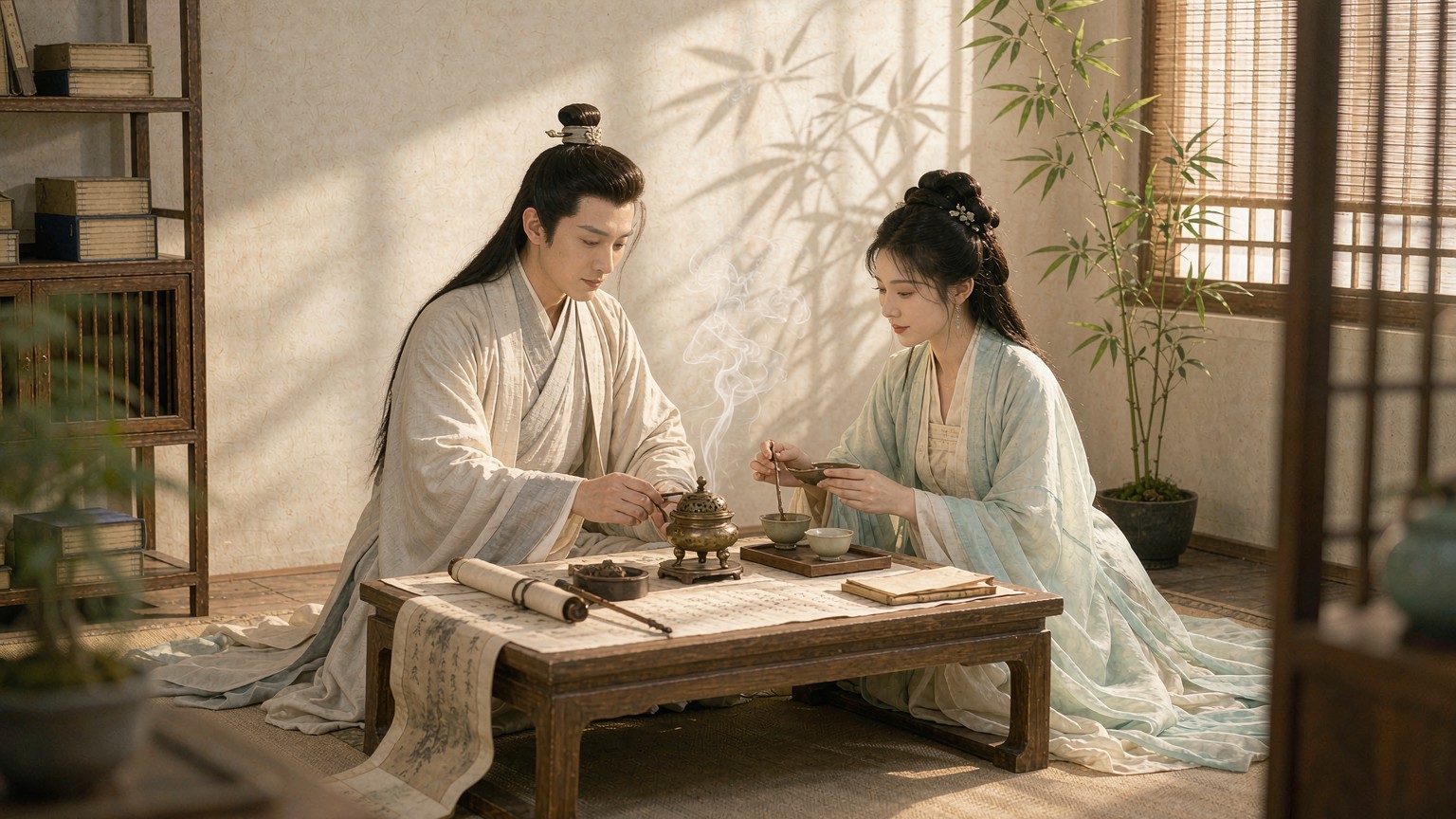
Three Key Factors for Buying Incense Sticks: Material Ratio, Binder, and True Scent Identification
When buying incense sticks, focus on three things: the ratio of aromatic material determines quality, the binder type and proportion affect burning and scent, and true scent identification helps you avoid chemical perfumes. Master these three factors to find genuinely good incense in a crowded market.
1. Material Ratio: The Foundation of Incense Quality
Incense sticks consist of aromatic materials (such as agarwood or sandalwood) and a binder (usually tabu powder or elm bark powder). The higher the material ratio, the purer and more layered the scent when burned. High-quality incense sticks typically contain over 70% aromatic material, while cheap ones often have less than 30%, with the rest being binder and combustion aids. You can judge by observing the ash and smelling before and after burning—whiter, less breakable ash indicates higher purity; a harsh chemical smell before burning means very low material ratio.
2. Binder: The Overlooked 'Hidden Player'
The binder's role is to hold the powder together and sustain burning. Common binders include tabu powder (10%-30%) and elm bark powder (5%-15%). Too much binder masks the true scent and produces a burnt-wood smell; too little makes the stick fragile and burn unevenly. Natural binders burn with a light odor, while chemical adhesives release irritants. When buying, bend a stick: natural binder gives slight flexibility, while chemical ones are brittle or overly soft. For more on the principles of material and binder ratios, see the Agarwood Encyclopedia.
3. True Scent Identification: Let Your Nose Be the Final Judge
True scent identification is key to verifying quality. Natural agarwood incense sticks have a subtle woody, medicinal, or honey-like scent when unlit; when burned, the aroma is layered with natural top, middle, and base notes, without harshness. Chemical-perfumed sticks smell strong when unlit, but burn with a flat, plastic or tar-like odor. Light one in a ventilated area, wait 30 seconds, and sniff gently—if the scent is pleasant and long-lasting, it's good incense. For systematic learning, refer to the Identification Pillar Page and Chinese Incense Studies · Agarwood Identification.
Conclusion: All Three Factors Matter
Material ratio sets the ceiling, binder determines the burning experience, and true scent identification determines authenticity. When buying incense sticks, check the ratio first, ask about the binder, and let your nose vote last. Remember, good incense is neither harsh nor dry—its scent is natural and clear. To learn more about incense made from premium materials like kyara, visit the Kyara Pillar Page.
(This is industry observation and popular-science summary, not investment advice. Buy agarwood through legal channels with traceable, testable sources.)
Compiled for general knowledge; traditional references are cultural notes, not medical advice.
常见问题
Three Key Factors for Buying Incense Sticks是什么?
When buying incense sticks, focus on three things: the ratio of aromatic material determines quality, the binder type and proportion affect burning and scent, and true scent identification helps you avoid chemical perfumes. Master these three factors to find genuinely good incense in a crowded market.
沉香怎么选购?
选购沉香应认准可溯源、可检测的渠道,按用途选择形态(线香 / 手串 / 原料),不盲目追高、不轻信「野生」「沉水」等夸大宣传。
沉香如何保养?
沉香怕潮、怕串味、怕暴晒,应密封、避光、阴凉存放,不同产区分开保存;长期不用的香材定期通风检查,防霉防虫。
You may also like



评论区
评论匿名可浏览,登录后可发表;提交后先审后显。
评论加载中…