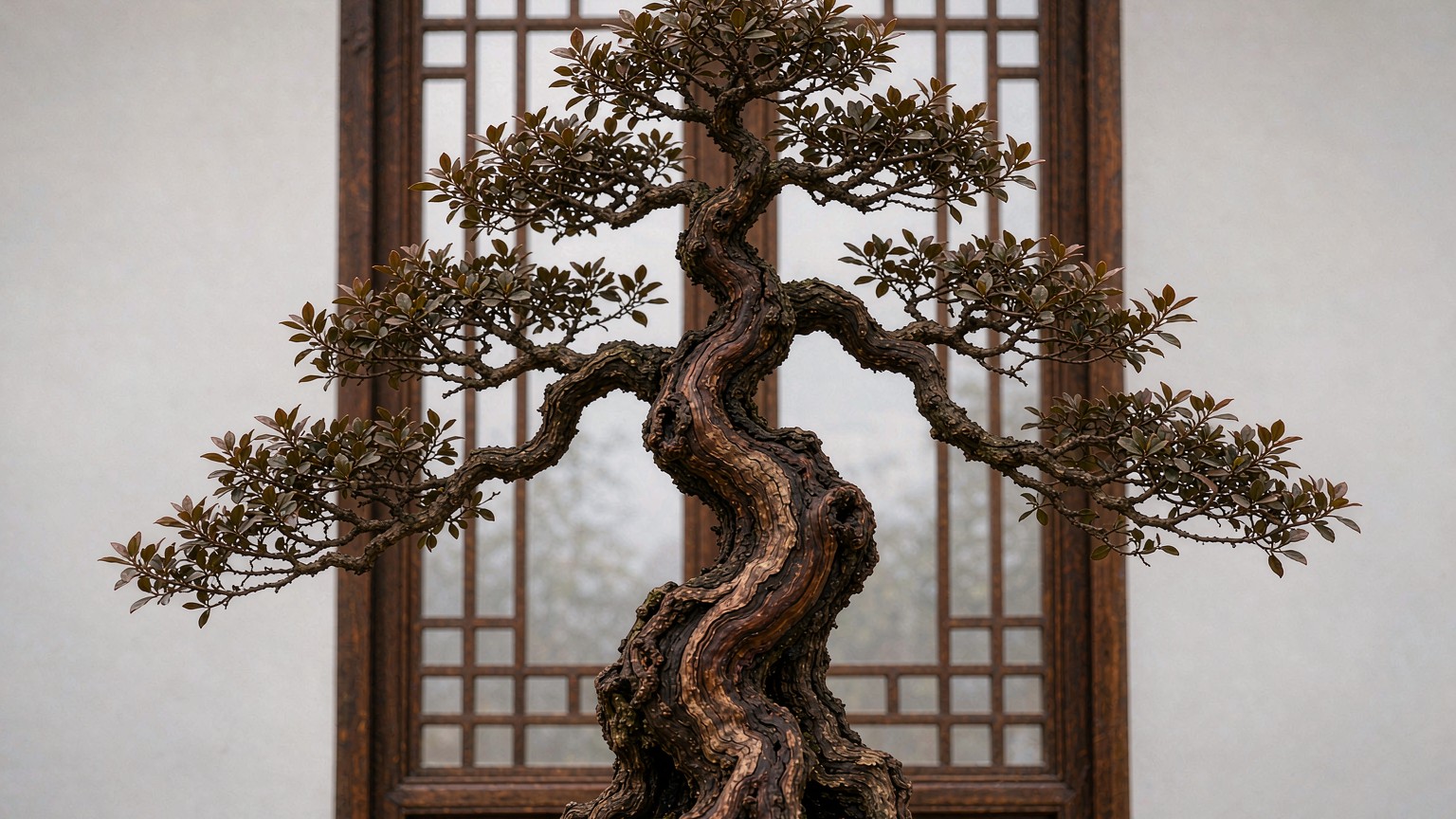
Agarwood and Tea: Aromatic Pairings in Literati Life
Agarwood and tea are a classic pairing in literati culture. This article explores the principles of pairing agarwood with different teas based on aroma and tea character, and offers practical tips for using incense in tea ceremonies.
Core Principles of Pairing Agarwood with Tea
The key to pairing agarwood with tea lies in harmonizing the aroma with the tea's character. Agarwood's scent is calm and introverted, making it suitable for teas that are mellow, aged, or elegantly refined, avoiding mutual masking. For example, ripe Pu'er, aged white tea, and Wuyi rock tea have rich or aged notes that complement agarwood's sweet-cool or medicinal nuances. In contrast, light green tea or lightly oxidized oolong are better paired with milder agarwood, such as Hoi An or Nha Trang agarwood, to prevent the tea aroma from being overwhelmed.
Additionally, consider the drinking scenario. For solo sessions, choose agarwood with complex evolving notes, such as Hainan agarwood or Kynam, to enjoy the interaction between aroma and tea. For gatherings, select agarwood with a stable, non-intrusive scent to maintain harmony.
Pairing Suggestions for Different Teas
1. Ripe Pu'er: Its mellow, aged character suits Hoi An or Singapore agarwood. Hoi An agarwood's sweet-cool, floral notes enhance the tea's sweetness, while Singapore agarwood's medicinal depth matches the tea's woody tones.
2. Wuyi Rock Tea: With its roasted and mineral notes, it pairs well with stable agarwood like Hainan or Nha Trang. The cooling sensation of agarwood balances the tea's dryness and adds a refreshing aftertaste.
3. Aged White Tea: Its medicinal and date-like aromas resonate with agarwood's herbal and honey notes. Choose Singapore or Hainan agarwood to avoid overpowering the tea's mellowness.
4. Black Tea: Its sweet aroma pairs with sweet agarwood like Hoi An. Avoid heavily medicinal agarwood that may clash with fruity notes.
5. Green Tea: Its fresh, brisk character requires caution. Use very mild agarwood, such as plantation Kynam or low-resin agarwood, in small amounts to prevent masking the tea.
Practical Methods for Using Agarwood in Tea Settings
Using agarwood in tea ceremonies requires attention to method and timing. Common approaches include:
- Incense sticks: Choose pure agarwood sticks, light them in advance to let the aroma diffuse. Ensure ventilation to avoid smoke affecting the tea.
- Incense seal: Use agarwood powder to create patterns, enjoying the slow burn and lingering scent—ideal for formal tea gatherings.
- Electric heater: Heat agarwood chips with controlled temperature for a smokeless, pure aroma. Keep between 80-120°C to release the full fragrance.
Regardless of the method, follow the principle of "aroma not overpowering tea." You may enjoy the incense before tea, or alternate between sips and whiffs, but control the amount. For more tips, see the Agarwood Encyclopedia.
The Artistic Conception of Agarwood and Tea in Literati Life
The combination of agarwood and tea is not just sensory pleasure but also spiritual cultivation. Ming dynasty literatus Xu Wei once said, "Tea is narrow, incense is broad; using incense to aid tea gives rise to delight." In a study, courtyard, or tea room, a burner of agarwood and a cup of tea help calm the mind and enter a state of forgetfulness. In modern life, we can draw on this wisdom to enhance our quality of life through harmonious pairings. For deeper knowledge on agarwood identification, refer to the Identification Guide and Chinese Incense Studies: Agarwood Identification.
Conclusion: Pairing agarwood with tea emphasizes harmony and mood. By selecting suitable agarwood and tea, and mastering incense methods, you can experience the serene elegance of agarwood in a cup of tea, adding literati charm to daily life.
(This is industry observation and popular-science summary, not investment advice. Buy agarwood through legal channels with traceable, testable sources.)
Compiled for general knowledge; traditional references are cultural notes, not medical advice.
Frequently Asked Questions
What is Agarwood and Tea?
Agarwood and tea are a classic pairing in literati culture. This article explores the principles of pairing agarwood with different teas based on aroma and tea character, and offers practical tips for using incense in tea ceremonies.
How should I choose agarwood?
Buy from traceable, testable channels and match the form (incense, beads, raw wood) to your use. Avoid exaggerated claims such as "wild" or "sinking grade" without proof, and prefer products with lab reports and origin documentation.
How should agarwood be stored and maintained?
Agarwood dislikes moisture, odours and direct sunlight. Keep it sealed, dark and cool, store different origins separately, and air and inspect long-stored pieces periodically against mould and insects.
How can I tell real agarwood from fake?
Authentication combines sensory checks with technical ones: natural agarwood has a clean, long-lasting, cool-sweet scent and burns with pale, non-pungent smoke. GC-MS analysis of characteristic compounds (chromones, sesquiterpenes) adds objective confirmation. Buying through traceable channels with certificates lowers the risk.
How do agarwood origins differ?
Climate, tree species and resin-induction methods give each origin a distinct scent profile — for example Hainan tends to be clean and elegant, Vietnam sweet and cool, Indonesia deep and full. Origin is a key factor in grading and pricing.
What is the current agarwood market like?
Prices diverge sharply by resin density, origin and form, with both top-end collectibles and entry-level consumer products active. Use actual transactions from legal, testable channels as reference rather than a single quotation.
What is the relationship between agarwood and incense culture?
Agarwood is the core medium of East Asian incense culture, spanning temple offerings, literati gatherings and contemporary lifestyle aesthetics. Understanding this cultural background helps explain its value.
Does agarwood have health benefits?
Traditionally agarwood has been used for calming and sleep-related rituals, but evidence quality and dosage need careful reading. Keep traditional use and scientific evidence clearly separated and follow professional guidance.
参考资料
You may also like



评论区
评论匿名可浏览,登录后可发表;提交后先审后显。
评论加载中…