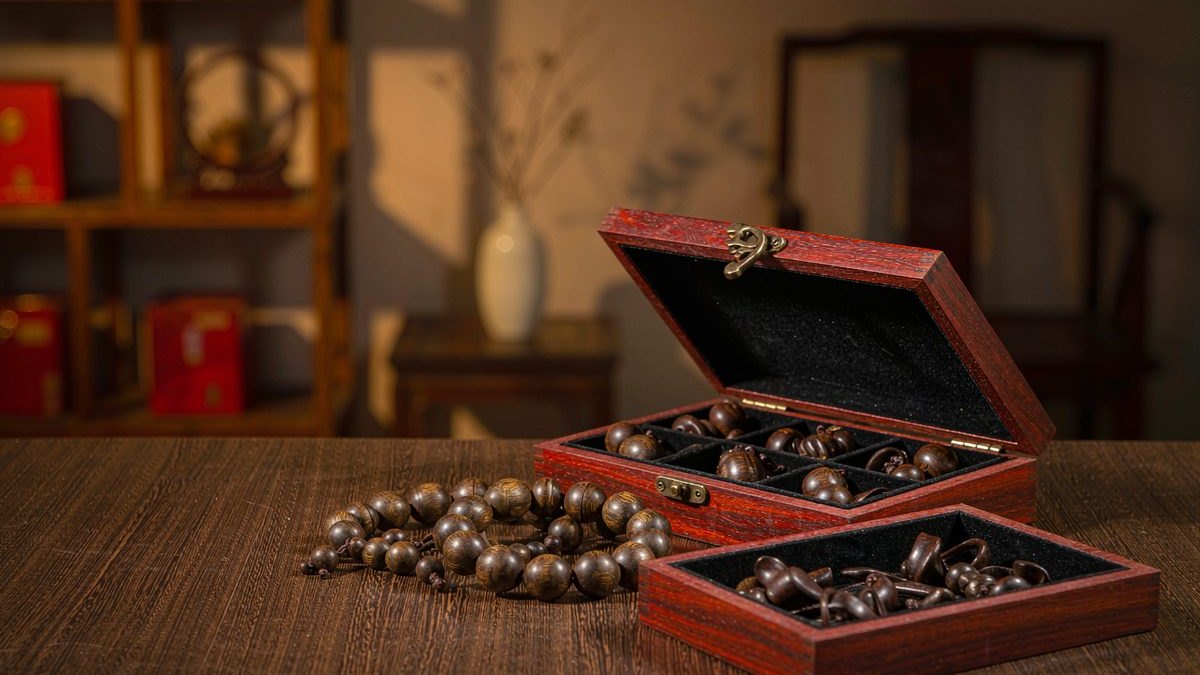
From Raw Material to A Wisp of Fragrance: A Guide to Agarwood Processing
Agarwood processing transforms raw agarwood into usable fragrant products. The core steps include selection, cleaning, cutting, processing, blending, shaping, and aging. Each step affects the final aroma and quality. Traditional craftsmanship emphasizes following the nature of the material, while modern processing combines precision tools with scientific management.
1. Selection and Cleaning: The First Step That Determines Aroma Direction
Agarwood processing begins with material selection. The formation method, origin, age, density, and resin content of the raw material directly determine the subsequent process. For example, agarwood for incense usually requires rich resin and a clear, uplifting aroma; for medicinal use, compatibility must be considered. After selection, cleaning is necessary: use a soft brush to remove soil, white wood, and impurities, and if needed, rinse quickly with water and dry in the shade to avoid prolonged soaking that causes aroma loss. At this stage, you can refer to the grading standards in the Identification Pillar Page to preliminarily judge the resin grade and usable parts.
2. Cutting and Processing: The Key Transformation According to Material
Cleaned agarwood must be cut according to use. Incense materials are often cut into small pieces or shredded for even heating; bead making requires avoiding cracks and holes and taking regular parts. Processing is an important step in traditional craftsmanship. Common methods include steaming, boiling, stir-frying, and soaking, aiming to remove dryness, stimulate aroma, or adjust medicinal properties. For example, honey processing can add sweetness, and wine steaming can help aroma aging. Temperature and time must be strictly controlled; excessive treatment can destroy sesquiterpenes in agarwood, causing aroma to fade. For more traditional processing techniques, see the Chinese Incense Studies · Agarwood Identification column.
3. Blending and Shaping: Sublimation from Single Fragrance to Compound Incense
If making incense sticks, coils, or pills, agarwood must be blended with other fragrant materials. Blending follows the principle of monarch, minister, assistant, and envoy. Agarwood is often the monarch, supplemented by sandalwood, borneol, clove, etc., to enrich layers. Shaping methods include extrusion, hand-rolling, and pressing. Modern machines improve efficiency, but hand-rolling is still favored in high-end markets. After shaping, dry in the shade to avoid cracking from sun exposure. This stage greatly affects the final aroma. It is recommended to refer to the blending principles and classic formulas in the Agarwood Encyclopedia.
4. Aging and Storage: The Final Flavor Given by Time
Shaped incense products need aging, i.e., stored in a constant temperature and humidity, dark, odor-free environment for months to years, so that components fully merge and the aroma changes from dry to soft. Aging time varies by type: incense sticks usually 3-6 months, pills can be up to several years. Store sealed and moisture-proof, avoiding coexistence with camphor, perfume, and other volatile items. High-quality agarwood, as described in the Kyara Pillar Page, has more penetrating and lasting aroma after aging.
In short, agarwood processing is a bridge connecting raw material and fragrance. Every step requires patience and experience. From selection to aging, respecting tradition while using modern technology can present a wisp of good fragrance.
(This is industry observation and popular-science summary, not investment advice. Buy agarwood through legal channels with traceable, testable sources.)
Compiled for general knowledge; traditional references are cultural notes, not medical advice.
常见问题
From Raw Material to A Wisp of Fragrance是什么?
Agarwood processing transforms raw agarwood into usable fragrant products. The core steps include selection, cleaning, cutting, processing, blending, shaping, and aging. Each step affects the final aroma and quality. Traditional craftsmanship emphasizes following the nature of the material, while modern processing combines precision tools with scientific management.
沉香怎么选购?
选购沉香应认准可溯源、可检测的渠道,按用途选择形态(线香 / 手串 / 原料),不盲目追高、不轻信「野生」「沉水」等夸大宣传。
沉香如何保养?
沉香怕潮、怕串味、怕暴晒,应密封、避光、阴凉存放,不同产区分开保存;长期不用的香材定期通风检查,防霉防虫。
You may also like
评论区
评论匿名可浏览,登录后可发表;提交后先审后显。
评论加载中…