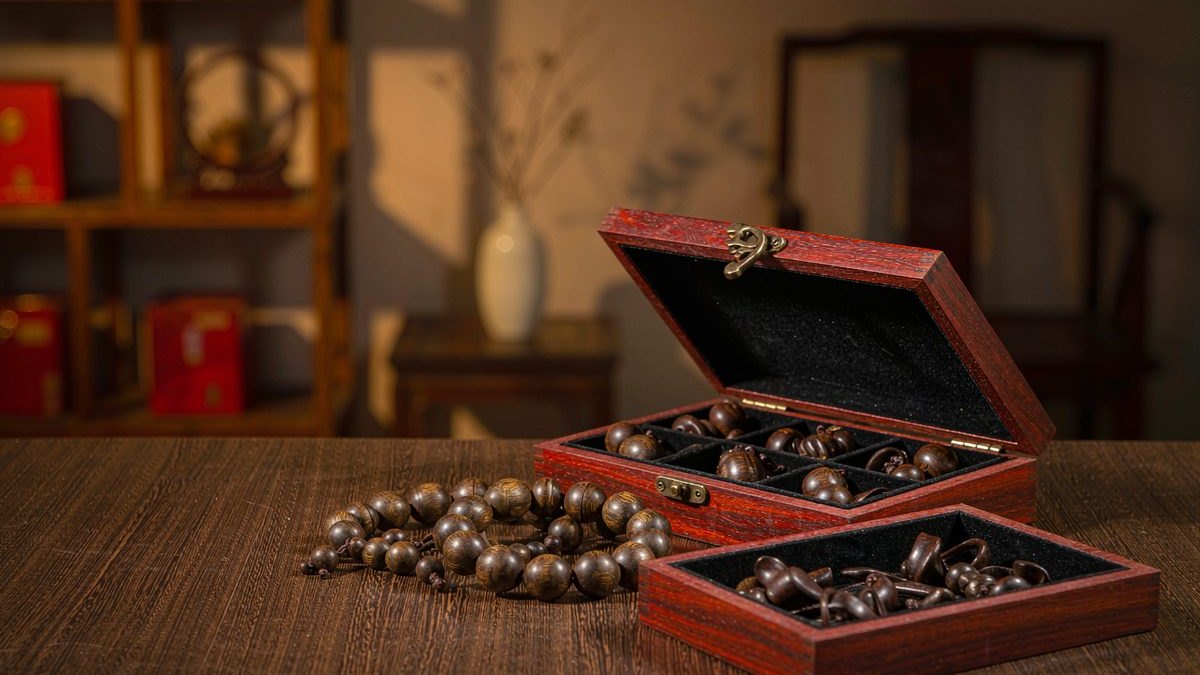
Agarwood Aroma Type Atlas: Sweet, Cool, Floral, Fruity, Medicinal, Milky
Agarwood aroma is not a single note but a complex atlas of six basic types: sweet, cool, floral, fruity, medicinal, and milky. This article explains each type, its causes, representative regions, and practical tips for appreciation and selection.
1. The Six Basic Aroma Types of Agarwood
Agarwood aroma is a complex mixture of aromatic compounds. Based on scent characteristics, it can be categorized into six basic types: sweet, cool, floral, fruity, medicinal, and milky. These types are not mutually exclusive; rather, like a palette, different regions and formation methods produce different proportions. For example, Hoi An agarwood often features sweet, cool, floral, and fruity notes, while Singaporean agarwood tends to be medicinal, milky, and sweet. Understanding these types is the first step into agarwood identification and the world of incense appreciation.
2. Detailed Explanation of the Six Aroma Types
Sweet: The most common base note, derived from benzoic and cinnamic acid compounds. Sweetness can be clear, honey-like, or caramel-like. Nha Trang and Phuoc Son red soil agarwood often have elegant honey sweetness. Cool: A minty or camphor-like cooling sensation, mainly caused by terpenoids such as camphor and borneol. Hainan and Vietnamese Kyara have strong penetrating coolness; see the Kyara pillar page for more. Floral: Fragrance reminiscent of orchid, osmanthus, or rose, common in Hoi An agarwood from Vietnam and Cambodia. Fruity: Sweet notes like ripe fruit, peach, or apricot, often found in Brunei and Malaysian agarwood. Medicinal: Bitter-sweet herbal notes like Chinese medicine, licorice, or dried tangerine peel, prominent in Singaporean agarwood (e.g., Indonesia, Malaysia). Milky: Rich, creamy sweetness like butter or milk, outstanding in Kalimantan and Tarakan agarwood. All six types have entries in the Agarwood Encyclopedia.
3. Causes and Regional Correspondence of the Aroma Atlas
Aroma differences mainly depend on tree species (Aquilaria sinensis, A. crassna, A. malaccensis), formation method (living, dead, insect-induced), fungal species, and aging years. Hoi An agarwood (Vietnam, Cambodia, Hainan) is mostly sweet, cool, floral, and fruity; Singaporean agarwood (Indonesia, Malaysia, Brunei) is mostly medicinal, milky, and sweet. Dead-wood, red soil, and Kyara often have richer, more layered aromas. For appreciation, refer to traditional methods in Chinese Incense Studies · Agarwood Identification, combined with modern tools like electronic noses.
4. How to Use the Aroma Atlas for Selection and Appreciation
When purchasing, first determine your preferred main aroma type, then consider region, formation method, and budget. For daily incense, choose sweet, milky, or fruity types; for calming, choose cool or medicinal types; for collection, seek Kyara or red soil with multi-layered floral, fruity, cool, and sweet notes. During appreciation, note the top, middle, and base notes, and record the proportion of aroma types. Smell and compare more to build your own aroma memory library and improve identification skills.
(This is industry observation and popular-science summary, not investment advice. Buy agarwood through legal channels with traceable, testable sources.)
Compiled for general knowledge; traditional references are cultural notes, not medical advice.
常见问题
Agarwood Aroma Type Atlas是什么?
Agarwood aroma is not a single note but a complex atlas of six basic types: sweet, cool, floral, fruity, medicinal, and milky. This article explains each type, its causes, representative regions, and practical tips for appreciation and selection.
沉香怎么选购?
选购沉香应认准可溯源、可检测的渠道,按用途选择形态(线香 / 手串 / 原料),不盲目追高、不轻信「野生」「沉水」等夸大宣传。
沉香如何保养?
沉香怕潮、怕串味、怕暴晒,应密封、避光、阴凉存放,不同产区分开保存;长期不用的香材定期通风检查,防霉防虫。
You may also like
评论区
评论匿名可浏览,登录后可发表;提交后先审后显。
评论加载中…