Incense Way Part 1: How to Choose a Good Agarwood Material? A Four-Step Beginner's Buying Method
Source:收稿桥投稿· 2026-10-27· 伍佰艺编辑部· 7 views
Incense Way Part 1: How to Choose a Good Agarwood Material? A Four-Step Beginner's Buying Method
Starting with this article, we are launching an Incense Way series. The first installment addresses the most practical question: when standing in front of a counter of agarwood materials, how do you choose? No mysticism—only actionable judgment steps.
1. First, Be Clear: What Do You Want the Material For?
Before buying, define the use—use determines everything:
| Use | Recommended Form | Budget Logic |
|---|---|---|
| Daily electronic incense heating | Chips, small shell pieces | Plantation material or second/third-tier origins are enough to start |
| Powder for incense sticks | Oily chips, trimmed pieces | Oil content takes priority over origin name |
| Incense gathering appreciation | Whole shell pieces, slice pieces | Start with mid-range from authentic origins and gradually move up |
| Collection and handling | Whole pieces, sinking grade | Only authentic origins, with test reports |
The most common beginner mistake: wanting to buy "collector-grade qinan" right away. Incense Way is developed through practice, not purchased.
2. The Four-Step Buying Method
Step 1: Smell the Base Note, and Even More the Tail Note
- What you smell for is not "whether it is fragrant" but **whether it is clean**: musty, sour, or sharply chemical notes—put it down immediately
- Test at low temperature with an electronic incense heater (100–120°C). Good material has "three stages": an opening top note, a stable middle, and a tail note that closes well
- If there is only one straight burst of sweetness and nothing afterward, be wary of oil soaking or fragrance additives
Step 2: Examine Form and Oil Lines
- Oil lines from natural resin formation have **directional logic**: they follow vessels and wood grain, with natural transitions in depth
- "High-oil material" that is uniformly black throughout with hard boundaries is the typical form of injected or pressed oil (see "In-Depth on Agarwood Oil Soaking and Injection")
- For shell pieces, look at the "skin"; for slice pieces, look at the "edge": natural separation surfaces show a sense of torn fibers
Step 3: Ask About Origin Until You Can Repeat the Answer
Ask three things: origin (authentic region or broad region), resin formation method (wild/artificial inoculation/whole-tree resin formation), and whether there is testing. If the seller cannot answer all of these or is vague, they have done the elimination for you. See "Full Interpretation of the Agarwood Monograph in the 2025 Edition of the Chinese Pharmacopoeia": alcohol-soluble extractives and characteristic chromatograms are hard indicators.
Step 4: Set a Budget by Use and Keep a "Tuition Reserve"
- Suggested structure: 60% for daily material that is "certainly right," 30% for advanced material "worth trying," and 10% reserved for trial and error
- Record every purchase: source, price, aroma profile notes—this "agarwood material ledger" is the fastest way to improve
3. Raw Material and Products: Three Fates of the Same Piece
- **Raw incense material**: best reflects the true aroma profile and is the tool for building an olfactory baseline
- **Incense sticks/cones**: made from powdered material plus binder; the experience is stable but already includes a "formula"—use incense sticks to start and raw material to advance
- **Beads/carvings**: what you smell while wearing them is the aroma of "the material itself slowly oxidizing," far weaker than heated incense; when buying beads, look at appearance and wearing scenario—do not expect them to serve as heated incense
4. Beginner Pitfall Checklist
1. "Only full-oil sinking grade counts as good": high-quality Hui'an系 material often does not sink; rejecting by density alone is the No. 1 beginner misconception
2. "If it smells strong, it is good incense": explosive power does not equal quality; a tail note that holds is what matters
3. "The more mystical the story, the more valuable": origin stories can be heard, but test reports must be seen
4. "Bargain hunting in livestreams": for "authentic-origin material" at less than half the market price, there is basically only one answer
Frequently Asked Questions
Q: How large should a beginner's first agarwood material be?
A: 5–10 grams of chips is enough. One heating uses 0.1–0.3 grams, so it can be used dozens of times—enough for you to judge whether you like it and whether it is worth advancing.
Q: Does agarwood material need maintenance?
A: Store sealed, away from light, at room temperature. Avoid sun exposure and long periods in hot cars. Material with slightly higher moisture content can be taken out periodically for ventilation to prevent mold.
Q: How do you train olfactory memory?
A: Use the same electronic incense heater at the same temperature, test only one piece at a time, and immediately write down three words after smelling. In two weeks you will have an "aroma profile vocabulary."
---
Related Reading
- "Introduction to Incense Way: How to Appreciate a Burner of Good Agarwood"
- "In-Depth on Agarwood Oil Soaking and Injection: Exposing the 'Full-Oil Trap'"
- "Special Topic on Guangdong's 700,000 Mu of Agarwood Planting: Why Domestic Plantation Agarwood Is Worth Watching"
*This article is original content from China Agarwood Network. Buying suggestions are general methodological references and do not constitute a basis for transaction decisions.*
Compiled from industry information; not trading or investment advice.
常见问题
Incense Way Part 1是什么?
Incense Way Part 1: a four-step method for selecting agarwood material—smell the base note and tail note, examine form and oil lines, ask about origin and processing, and set a budget by use, with a beginner's pitfall checklist.
沉香怎么选购?
选购沉香应认准可溯源、可检测的渠道,按用途选择形态(线香 / 手串 / 原料),不盲目追高、不轻信「野生」「沉水」等夸大宣传;优先选择带检测报告与来源凭证的商品。
沉香如何保养?
沉香怕潮、怕串味、怕暴晒,应密封、避光、阴凉存放,不同产区分开保存;长期不用的香材定期通风检查,防霉防虫。
如何鉴别沉香的真假?
鉴别沉香需综合感官与辅助手段:天然沉香香气清雅、持久、凉甜交织,燃烧烟气清白而非刺鼻;可结合 GC-MS 色谱检测特征成分(色酮、倍半萜)。建议通过可信渠道与可溯源凭证降低风险。
不同产区沉香有什么区别?
各产区因气候、树种与结香方式差异,香韵各具特色(如海南清雅、越南甜凉、印尼醇厚),是沉香分级与定价的重要参考维度。
沉香价格行情如何?
沉香行情随结香程度、产区、形态分化明显,顶级收藏与入门消费两端活跃;建议以合法、可检测渠道的实际成交为参考,勿轻信单一报价。
沉香与香道文化有什么关系?
沉香是东亚香道文化的核心媒介,从礼佛、文人雅集到当代生活美学,承载「静心、慢享」的东方审美,理解文化背景有助于读懂沉香价值。
沉香有健康功效吗?
传统上沉香被用于舒缓、助眠等场景,但证据等级与用量需谨慎看待;把「传统用法」与「科学证据」分开表述,具体以专业指导为准。
参考资料
Related reading

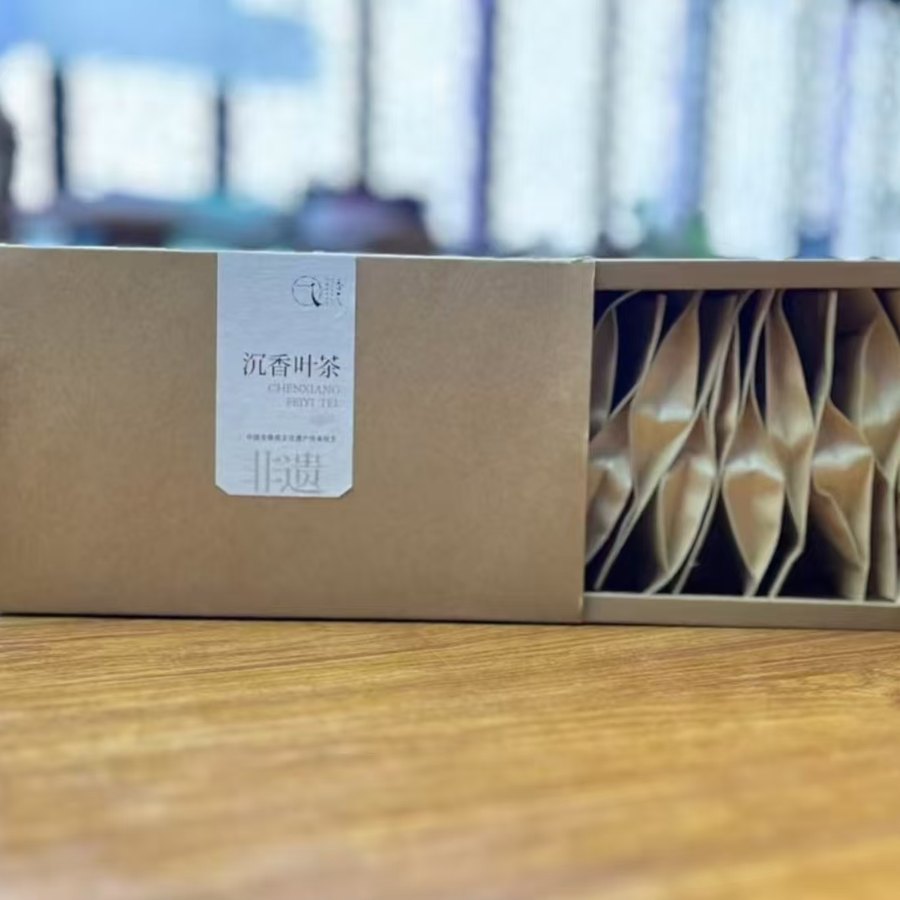
Related Agarwood Picks
While reading, you might also like these compliant cultivated-agarwood products.
Visit Mall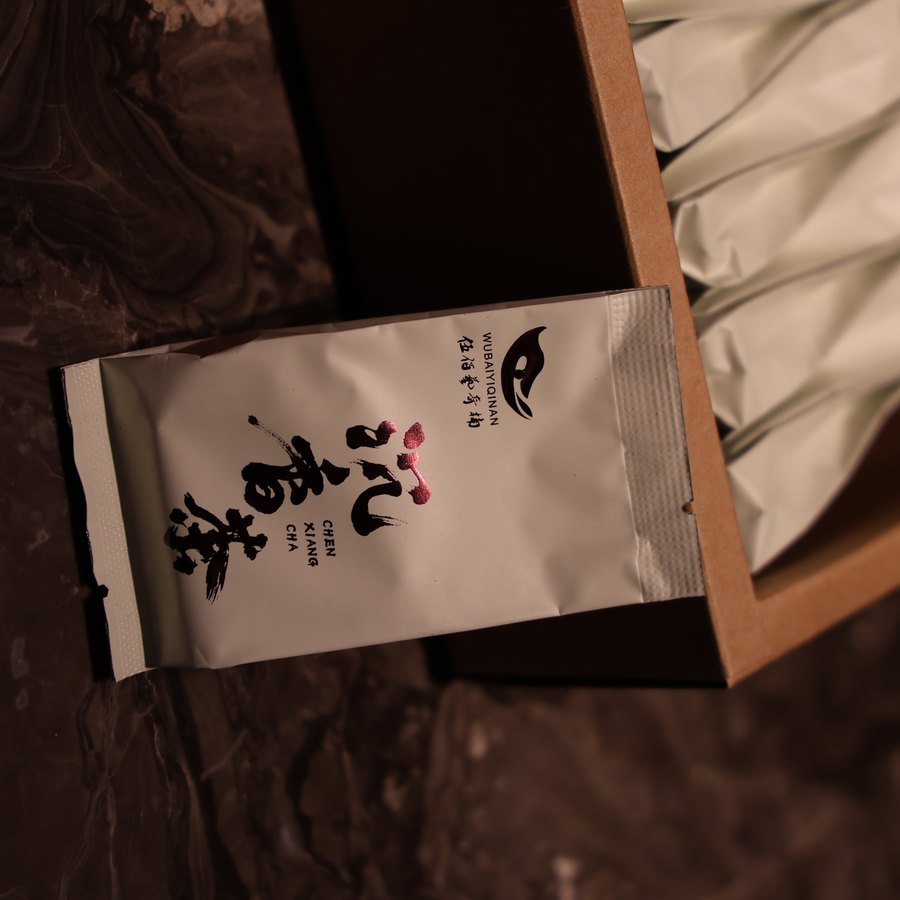
评论区
评论匿名可浏览,登录后可发表;提交后先审后显。
评论加载中…
Check related market data
Want the reference price for this category? Compare on the market page.
Go to market