Agarwood Chronicles · Side Story 8 · Minor Snow
Source:《沉香六记》原创小说 · 伍佰艺沉香官网「小说」频道首发· 2026-10-25· 刘家沉檀店· 7 views
1. The Lacquer Box from Nara
Three days before Minor Snow, Bianliang saw its first scattered snow of winter. It was light, melting as it touched the flagstones, leaving only a thin white line at the base of the walls.
Liu Zhijiang was drying incense ash in the shop. Since the second layer of the old Wen family box had been opened, he had not touched it again, only warming it daily over a clay tray with a low flame to let the moisture in the wood slowly withdraw. Wang Guanshu said this was the clumsy method of painting restorers—no rush, let it dry on its own.
In the afternoon someone knocked. The visitor wore a short gray wool jacket, cuffs worn shiny, and handed over a wooden box, saying it had been sent via Nara, the sender leaving only four words: For the Liu family to open personally.
The box was an old lacquer one, black lacquer flaking to reveal the wood grain beneath, corners bound in copper stamped with a five-petaled flower. Wang Guanshu glanced and said it was not a chrysanthemum.
“Bellflower,” Liu Zhijiang said. “The seal of an old Japanese incense house.”
Inside were two layers of washi paper, pressing a booklet of damaged pages, brown with age, edges worm-eaten. The pages were in Chinese, neatly written, recording the process of repairing an agarwood box: in a certain year and month, repair the box bottom, repair the lid, repair the lining. At the end, a line in smaller characters, ink lighter than the main text:
The box bottom originally bore the character '分' (fen), worn illegible with age; now retraced according to the original strokes. The retracer dares not add or subtract, and respectfully records this.
The signature was a single “Wen” without a given name.
2. The One Who Retraced
“Wen An's handwriting,” Liu Zhijiang said, spreading the page on the desk and examining the small line by the window light. “When he wrote '分', his brushstroke pulled inward, more sharply than others.”
Wang Guanshu did not respond. She took a magnifying glass and examined the retraced strokes of '分' inch by inch. The retracing lay over old ink, the two layers of ink decades apart, yet the brush path connected.
“What he retraced was not Wen An's '分',” she said, looking up. “It was an earlier '分'. When Wen An retraced it, there was already a character underneath.”
Liu Zhijiang was startled.
“You mean, the bottom of that Nara box originally had someone else's '分'?”
“It did,” Wang Guanshu said, setting down the glass. “Before Wen An went to Quanzhou, he first sent a pinch of orchid incense ash to Nara. He asked someone to cross-check the mother incense; after checking, they retraced the old inscription on the box bottom and sent it back for him to see. Only after seeing it did he set off south.”
On the back of the page were half a line of characters, mostly worm-eaten, leaving only four words: “Ash here, box here,” and a horizontal line. The line ended with a dot, like a period, or like a hand trembling at the final stroke.
3. Corroboration from Chu Slips
Qu Huaisha arrived in the evening. He brought a copy of Chu bamboo slips, saying he had come across it while organizing a batch of newly joined slip texts.
“The slip records 'using ash to verify the measure',” he said, spreading the copy and pointing to a line. “The Chu people divided incense not by gathering it together, but by leaving a pinch of ash to match with another place. Only when the ash matched would they acknowledge it came from the same batch.”
Liu Zhijiang pushed the Nara page over. Qu Huaisha studied it for a while and said, “Wen An applied the old Chu method at sea.”
“He sent the ash out not to ask someone to keep it for him,” Wang Guanshu said, “but to ask them to verify. After verification, the ash returned, and the line was connected.”
Qu Huaisha nodded: “'分' (fen) is not dispersion. It is each guarding a segment, leaving a seam between segments, and in the seam trust is stored.”
He paused, then added: “The Nine Chrysanthemums speak of '集' (ji, gathering), which is filling the seam shut. Filled shut, the incense is reduced to one flavor, and all else is forgotten.”
4. Yanagiu's Rule
At night Yanagiu Shizuma came. He was now accustomed to living in Bianliang; on entering he first removed his shoes, placing them toe-outward in a neat line.
Liu Zhijiang showed him the lacquer box and the damaged page. Yanagiu turned to the box bottom, saw the bellflower seal, and his fingers paused.
“The rule of the old Kyoto incense houses,” he said. “A box is sent not fully complete. One spot on the bottom is left unrepaired, for the receiver to fill. Only when filled is the handover complete.”
“Wen An did not finish,” Liu Zhijiang said.
“He did,” Yanagiu said, pointing to the small line on the page. “He repaired the '分'. But there is still an empty spot on this box bottom.”
He turned the lacquer box over; inside the bottom was a thin crack, in which a thin piece of wood was wedged. Liu Zhijiang extracted it with tweezers; carved on the wood were six characters:
After Frost Descent, before Minor Snow.
5. The Third Box
The snow stopped. Only one lamp was lit in the shop, the wick trimmed short, the light drawn in tight.
Wang Guanshu placed the thin wood on the desk beside the half wooden seal from before. The break on the seal was slanted, and the edge of the thin wood was also slanted, at the same angle.
“Same piece of wood,” she said.
Liu Zhijiang did not reply. He took out Wen An's unsent letter again and held it to the lamp to examine the scratch mark pressed by a fingernail at the end. The direction of the scratch and the carving of the three characters “After Frost Descent” on the thin wood began at the same angle.
“When Wen An carved these six characters,” he said slowly, “he already knew where the third box was.”
“But he did not write the place,” Wang Guanshu said. “He only wrote the time.”
Outside, wind brushed the eaves; scattered snow leaked through the roof tiles, falling on the window paper, melting bit by bit.
Liu Zhijiang put the thin wood back into the lacquer box and closed the lid. As the lid engaged, there was again a very soft sound.
He recalled the line from Wen An's letter: The character is here, so the line is here.
The line is here. But in whose hand the end of the line is held, only after Minor Snow passes will they know.
—To be continued · Side Story 9 follows
Compiled from industry information; not trading or investment advice.
常见问题
Agarwood Chronicles · Side Story 8 · Minor Snow是什么?
Three days before Minor Snow, an old lacquer box arrives from Nara containing repair records for the Shōsōin's Ranjatai box, revealing a Northern Song incense maker's added character '分' and tracing another route Wen An took south.
沉香怎么选购?
选购沉香应认准可溯源、可检测的渠道,按用途选择形态(线香 / 手串 / 原料),不盲目追高、不轻信「野生」「沉水」等夸大宣传;优先选择带检测报告与来源凭证的商品。
沉香如何保养?
沉香怕潮、怕串味、怕暴晒,应密封、避光、阴凉存放,不同产区分开保存;长期不用的香材定期通风检查,防霉防虫。
如何鉴别沉香的真假?
鉴别沉香需综合感官与辅助手段:天然沉香香气清雅、持久、凉甜交织,燃烧烟气清白而非刺鼻;可结合 GC-MS 色谱检测特征成分(色酮、倍半萜)。建议通过可信渠道与可溯源凭证降低风险。
不同产区沉香有什么区别?
各产区因气候、树种与结香方式差异,香韵各具特色(如海南清雅、越南甜凉、印尼醇厚),是沉香分级与定价的重要参考维度。
沉香价格行情如何?
沉香行情随结香程度、产区、形态分化明显,顶级收藏与入门消费两端活跃;建议以合法、可检测渠道的实际成交为参考,勿轻信单一报价。
沉香与香道文化有什么关系?
沉香是东亚香道文化的核心媒介,从礼佛、文人雅集到当代生活美学,承载「静心、慢享」的东方审美,理解文化背景有助于读懂沉香价值。
沉香有健康功效吗?
传统上沉香被用于舒缓、助眠等场景,但证据等级与用量需谨慎看待;把「传统用法」与「科学证据」分开表述,具体以专业指导为准。
参考资料
Related reading

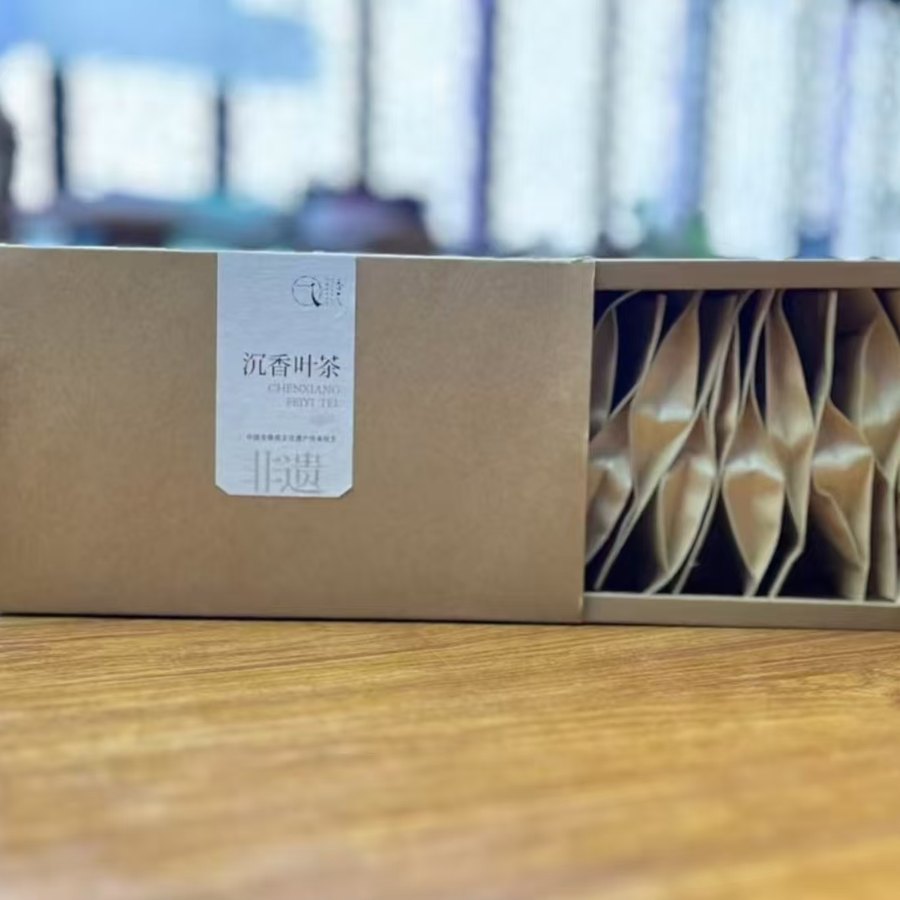
Related Agarwood Picks
While reading, you might also like these compliant cultivated-agarwood products.
Visit Mall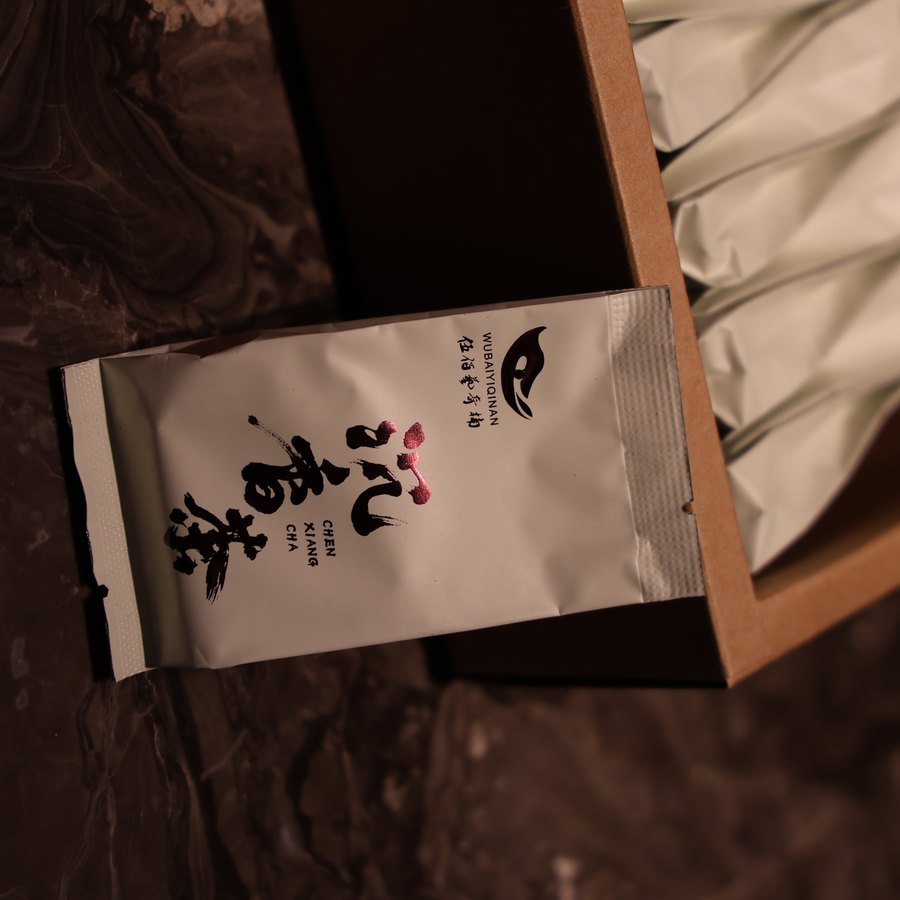
评论区
评论匿名可浏览,登录后可发表;提交后先审后显。
评论加载中…
Check related market data
Want the reference price for this category? Compare on the market page.
Go to market