Agarwood Chronicles · Side Story 11 · The Ash Letter
Source:《沉香六记》原创小说 · 伍佰艺沉香官网「小说」频道首发· 2026-10-28· 刘家沉檀店· 2 views
1. The Old Port of Champa
The fog of the Min River chased them for three days and only dispersed over the Seven Islets Sea.
The ship was arranged by Wen Ye, an old Canton trader long accustomed to the Champa route. The owner, surnamed Chen, was a man of few words; only when crossing the Seven Islets Sea did he remark, "These waters—the bottom is all Song porcelain." Liu Zhijiang stood at the bow, the bamboo tag in his sleeve chilled by the sea wind. Wang Guanshu sat by the cabin hatch, Wen An's old ledger spread across her knees, reading and rereading that half page.
"Champa is only the first stop," she had said, words pared even shorter by the wind at sea.
The old port lies at the southern tip of Champa, called Bintonglong in Song times; now only a few rows of wooden pilings and a half-collapsed warehouse remain. Captain Chen moored outside the harbor, saying the tide was wrong and he dared not approach. Yanagiu Shizuma was first to leap onto the pier; his boot soles on the rotting wood sounded like tearing silk.
The warehouse was clean and empty. Salt frost clung to the beams; on the floor were drag marks from heavy objects, extending all the way to the back wall. Liu Zhijiang crouched to look: at the end of the marks was a pried-up floorboard, and beneath it an oilcloth bundle.
"Shuangke's handiwork," Yanagiu Shizuma said, standing behind him. "Three layers of oilcloth, the innermost sealed with wax. My father taught me."
2. Half a Ledger
Inside the oilcloth was a ledger with a cowhide cover, brittle from salt air. Wang Guanshu opened it: the first pages recorded spice transactions in neat handwriting, like a shop accountant's. Toward the middle, an entire page had been torn out—cleanly, with a thin blade.
"It matches the half page from Quanzhou." Liu Zhijiang laid the two remnants side by side. The torn edges fit raggedly together; what was missing was exactly where Shuangke went after swapping the box.
The last pages were blank save for one line, its ink gone gray as if mixed with seawater:
Ash does not fall to the sea; the box does not turn back.
Yanagiu Shizuma stared at the line for a long time. "The shadow guard's rule. A box sent out cannot come back empty; something must be left to weight it." He looked up. "The torn page should record where the second box went. They swapped here once."
Wang Guanshu closed the ledger, her fingertip pausing at the tear. "Whoever tore it didn't want anyone following further. But accountants have a habit: torn pages are noted on the back cover." She turned to the back cover—and there, in the lower right corner, in fainter ink, was the character "seven."
"Page seven," Liu Zhijiang said.
3. The Base of the Box
At the foot of the back wall they found the second camphor-wood box. A size smaller than the Quanzhou one, its lid split by a crack through which salt crystals seeped like a thin frost.
There was no agarwood inside. A pinch of ash, and a bamboo tag.
The tag was a finger shorter than the one tucked in Wen An's old ledger; burned into its face was a secret mark—a circle with three arcs inside. Yanagiu Shizuma took it, his thumb rubbing the mark. "The shadow guard's return letter," he said. "It means 'this road is cut; later comers turn back.' But Shuangke wouldn't leave a letter for nothing. If he left one, it means he turned back here—and then went further south."
Wang Guanshu poured the ash into her palm and brought it close to smell. The sea wind was too strong; she turned aside and used her cuff to shield a small pocket of still air.
"A trace of orchid breath," she said softly. "Very faint, as if picked up from another incense. Shuangke carried the 'ruler' of Lanshe Dai."
Liu Zhijiang turned the box over. Carved into the base was a single character, like the Quanzhou box but with deeper strokes—
"South."
4. The Fingerprint in the Ash
Yanagiu Shizuma tucked the bamboo tag into his robe and crouched again to examine the empty slot in the box's base. A fleck of ash clung to the bottom, finer than the ash inside and bluish in color. He scraped off a bit with his nail and held it to his nose.
"This isn't incense ash," he said. "It's paper ash. Paper was burned, not incense."
Wang Guanshu took the paper ash and held it to the daylight. Embedded in it was half a fingerprint—a whorl, densely ridged, like a hand that had gripped a blade for years.
"Shadow guards do not turn back," Yanagiu Shizuma said. "But this fingerprint points north. Shuangke burned a page here; what was written on it, only he knows. Burning paper and leaving a print is the incense house's rule for keeping records—whoever holds the print holds the matter."
Liu Zhijiang rubbed a tracing of the half fingerprint onto a blank page of the ledger. "So Shuangke left two things here. A return letter for later comers to see; half a fingerprint for those who know the rules."
"He didn't want everyone taking the same road," Wang Guanshu said.
5. The Fog Returns
When they left the old port, fog rose over the sea again. Captain Chen said this was Champa's "returning-south fog"; it would not lift for three days, and the ship could not sail.
Liu Zhijiang stood at the stern, watching the old port's pier swallowed by fog. In the cabin, Wang Guanshu laid the bamboo tag and the ledger side by side, wrapped the ash in oilpaper, and tucked it between the pages.
"Where to next?" she asked.
Yanagiu Shizuma leaned against the cabin door, gazing at the beacon faintly visible in the fog. "The mark on the bamboo tag—three arcs, the outermost longer than the other two. My father said that in the shadow guard's marks, the long arc points south and the short arcs north. This one is south." He paused. "But the 'south' on the box's base is carved deeper than on the Quanzhou one. Deeper means farther."
Liu Zhijiang took the bamboo tag and turned it over. On the back was another, extremely faint scratch, as if made casually with a blade tip—barely discernible without close attention.
"It's the character 'return,'" he said.
Yanagiu Shizuma took it and looked for a long time.
"Shuangke turned back here," he said. "But the return letter he left was for others. He himself went south. South, and further south."
A bell sounded in the fog, very far away, as if floating up from the bottom of the sea.
Wang Guanshu closed the lid of the camphor-wood box. In the empty slot at its base, the paper ash remained.
—To be continued · Side Story 12 follows
Compiled from industry information; not trading or investment advice.
常见问题
Agarwood Chronicles · Side Story 11 · The Ash Letter是什么?
Following half a ledger page in a camphor-wood box and the carving on its base, Liu Zhijiang's party travels south along Hainan to the old port of Champa. In an abandoned Shuangke warehouse they find a ledger with half a page torn out and a camphor-wood box identical to the one in Quanzhou.
沉香怎么选购?
选购沉香应认准可溯源、可检测的渠道,按用途选择形态(线香 / 手串 / 原料),不盲目追高、不轻信「野生」「沉水」等夸大宣传;优先选择带检测报告与来源凭证的商品。
沉香如何保养?
沉香怕潮、怕串味、怕暴晒,应密封、避光、阴凉存放,不同产区分开保存;长期不用的香材定期通风检查,防霉防虫。
如何鉴别沉香的真假?
鉴别沉香需综合感官与辅助手段:天然沉香香气清雅、持久、凉甜交织,燃烧烟气清白而非刺鼻;可结合 GC-MS 色谱检测特征成分(色酮、倍半萜)。建议通过可信渠道与可溯源凭证降低风险。
不同产区沉香有什么区别?
各产区因气候、树种与结香方式差异,香韵各具特色(如海南清雅、越南甜凉、印尼醇厚),是沉香分级与定价的重要参考维度。
沉香价格行情如何?
沉香行情随结香程度、产区、形态分化明显,顶级收藏与入门消费两端活跃;建议以合法、可检测渠道的实际成交为参考,勿轻信单一报价。
沉香与香道文化有什么关系?
沉香是东亚香道文化的核心媒介,从礼佛、文人雅集到当代生活美学,承载「静心、慢享」的东方审美,理解文化背景有助于读懂沉香价值。
沉香有健康功效吗?
传统上沉香被用于舒缓、助眠等场景,但证据等级与用量需谨慎看待;把「传统用法」与「科学证据」分开表述,具体以专业指导为准。
参考资料
Related reading
Related Agarwood Picks
While reading, you might also like these compliant cultivated-agarwood products.
Visit Mall
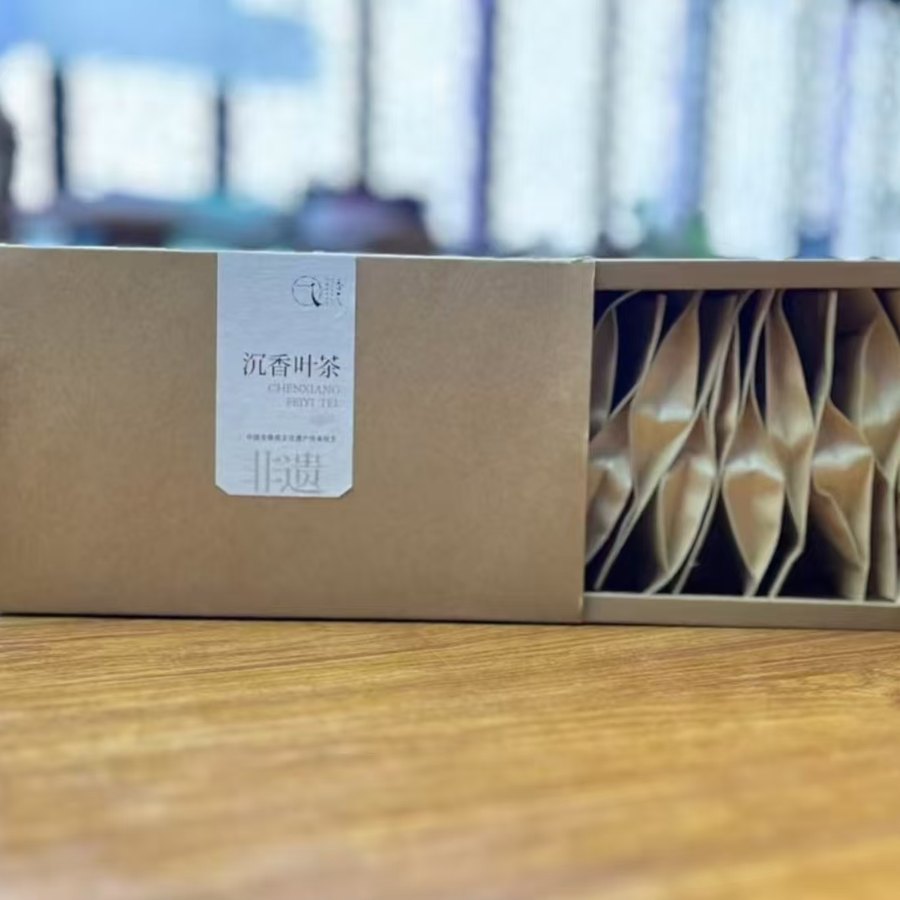
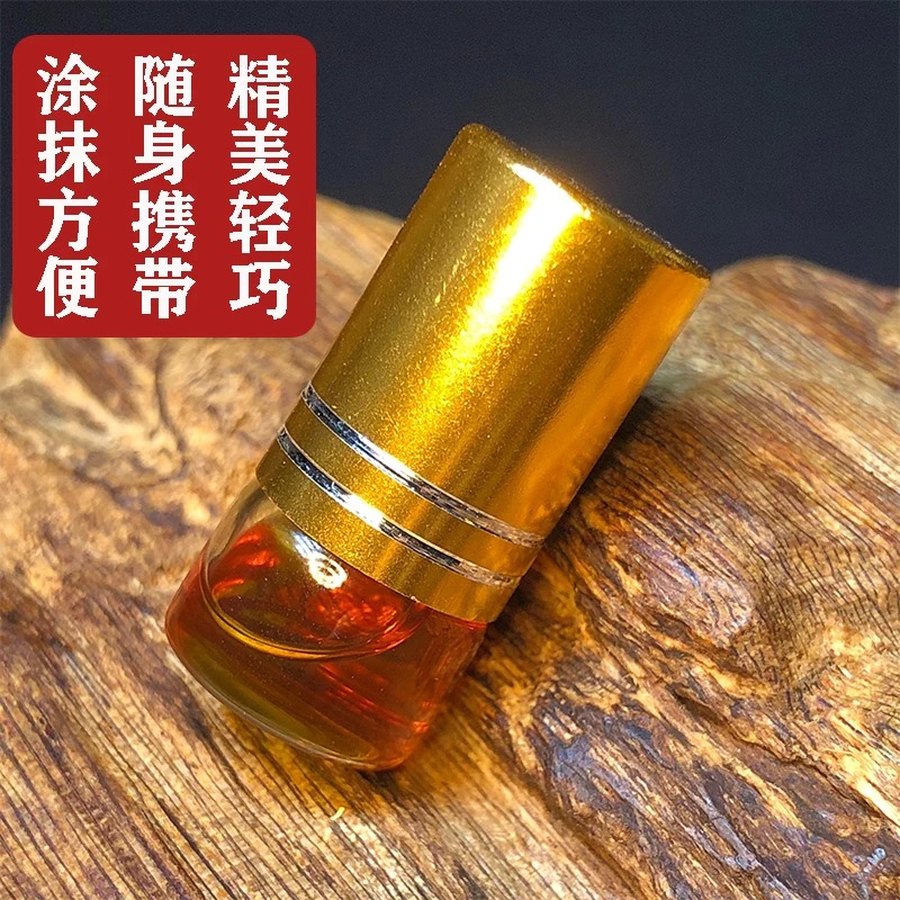
评论区
评论匿名可浏览,登录后可发表;提交后先审后显。
评论加载中…
Check related market data
Want the reference price for this category? Compare on the market page.
Go to market