The Six Records of Agarwood, Book Two · Volume 7: The Incense Ash of Shosoin
Source:收稿桥投稿· 2026-10-25· 伍佰艺编辑部· 8 views
The rain in Nara is finer than in the capital.
Wen Ye came out of the Kintetsu station without an umbrella, shifted his backpack to his chest, and held it. Inside the pack, the porcelain vial was wrapped in three layers of bubble film; in the vial was the mother agarwood powder of Ranjudai—the portion Liu Zhiqiang had divided on that rainy night, saying he wanted to "return it to the place where it was born."
On days when the Shosoin is closed to the public, visitors outside the walls are sparse. As agreed, Wen Ye went around to the office on the east side and gave his name. The clerk at the window checked the email twice and pointed toward the end of the corridor: "Researcher Yagyu is waiting for you."
Wen Ye was taken aback for a moment: "Yagyu?"
"Yagyu Shizuka." The clerk did not look up. "Shosoin Conservation and Repair Office, aromatics division."
The corridor was long, and the wooden floor had been worn to a warm sheen by shoe soles. Halfway along, Wen Ye suddenly stopped—Yagyu. He remembered what Liu Zhiqiang had said in the rain: *Mr. Yagyu, your "Great Harmony" is gathering.* That man who had walked into the rain under a black umbrella with a broken rib had a younger sister, and she kept watch right next door to Ranjudai.
The door was open. A woman sat behind a long table, white gloves, tweezers, an alcohol lamp. She looked up; her brows and eyes resembled Yagyu Shizuma's almost deliberately, except that her gaze lacked that obsession with gathering six pieces of agarwood into one.
"Mr. Wen Ye." She rose and gave a slight bow. "Before you give me the vial, I want to ask one thing—did Liu Zhiqiang ask you to bring a message?"
"No." Wen Ye set the backpack on the table. "He only said the agarwood must be returned."
Yagyu Shizuka stared at him for three seconds, nodded, and only then unwrapped the bubble film. The moment the porcelain vial was revealed, her gloved fingertips paused for an instant on its body, like a doctor touching an old scar.
"When my brother was little," she said as she opened the vial, her tone as ordinary as if discussing the weather, "he dug out an old ledger from our family storehouse. He said it was the nine-hundred-year mission of the Yagyu family—to gather the scattered agarwood back together, and on the day it was all gathered, there would be great harmony under heaven. My grandfather believed it, my father believed it, and he believed it most fiercely."
"You don't believe it."
"I believe my mentor." She took a very small pinch of agarwood powder, placed it on a mica sheet, and brought it close to the alcohol lamp. "She said that what the Shosoin has guarded for twelve hundred years is not agarwood, but records. Who gave it, in what year, and why. Agarwood decays; records do not."
Blue smoke rose, extremely fine, traveling straight upward. A coolness spread first, then honey, then a thread of floral scent so faint it was almost imperceptible. After all his years in the agarwood trade, this was the first time Wen Ye had smelled on this island a base identical to that of the mother agarwood.
"Same origin." Yagyu Shizuka put out the lamp. "Your purple Ranjudai in the capital and the 'Tang-era agarwood' written in this Shosoin ledger are two branches of the same tree."
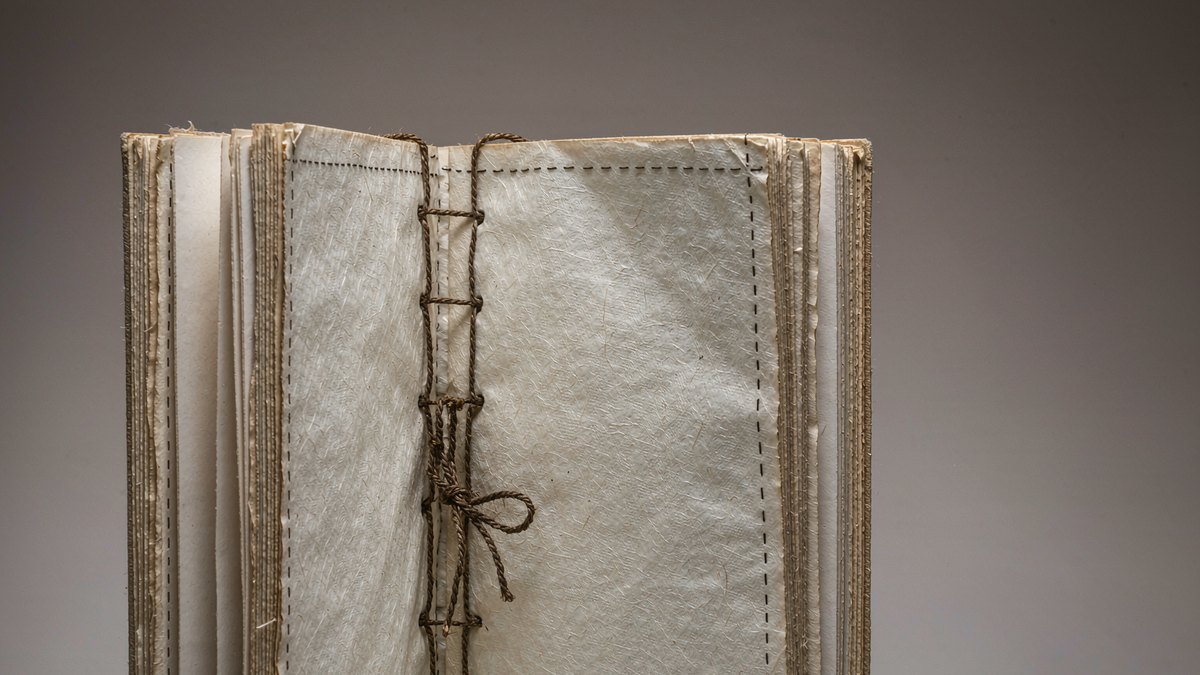
She turned, took an old ledger in a blue cloth slipcase from the cabinet, opened it to a page, and pushed it toward Wen Ye. The paper was yellowed and brittle, but the ink was clear:
"In the second year of Chunyou of the Southern Song, Liu Gang of the Quanzhou shipping office presented one piece of agarwood(沈香), contained in a mica box. He stated that his family had for generations guarded six agarwoods, and fearing that in troubled times they would lose their names, they divided and stored them in four directions, leaving this as a record."
Wen Ye's fingers hovered above the paper; he did not dare touch it.
"Liu Gang," he read aloud.
"Nine hundred years ago, someone from the Liu family came to Nara," Yagyu Shizuka said. "It was not that they had never thought of gathering them. It was that when they arrived here and saw this ledger, they decided to keep them scattered."
She turned to the next page. That page held only one line of small characters, the ink darker than elsewhere, as if written with something else dipped in:
"Gathered, they share one name; scattered, each has its own fragrance. Do not seek the seventh pouch."
"The seventh pouch?" Wen Ye looked up.
Yagyu Shizuka did not answer. From deep in a drawer she took out a flat box and opened it—inside was a dark object pressed extremely flat, with fine grain and edges bearing a scorched curve, as if peeled from the bottom of some vessel.
"An incense-ash slip," she said. "It was taken from the bottom of the outer box of Ranjudai during repairs in the Meiji era. The older generation called it the 'seventh agarwood'—not agarwood, but evidence that the six agarwoods were once gathered and burned."
Wen Ye's breathing slowed by half a beat. *Gathered, they share one name.* That furnace nine hundred years ago—had it burned agarwood, or had it burned out something else?
"My brother does not know about this," Yagyu Shizuka said, covering the incense-ash slip again. "He is looking for a method of gathering. Someone else is looking for the traces of a gathering that already happened."
"Someone else?"
"Three months ago, the institute received an unsigned loan request, naming this ledger specifically." She closed the blue cloth slipcase, very gently. "The name of the requesting institution—you have seen it in the news. It is the same foundation that now wants to 'repurchase' Ranjudai's overseas holdings. They were refused. And then my brother went to China."
Outside the window, the rain was still that fine, falling on the white sand ground of the Shosoin without a sound. Wen Ye suddenly remembered the last scene of that rainy night in the capital: Liu Zhiqiang folding the courier slip and stuffing it into his pocket—the white Ranjudai was going to Taipei.
He took out his phone. Two unread messages on the screen: one from Wang Guanshu sent that morning—"The purple Ranjudai is well, do not worry." The other was a delivery confirmation from the courier platform, 3:17 a.m.:
[Your package has been signed for] Recipient: Collect on behalf. Delivery address: Dihua Street, Taipei.
Wen Ye stared at the words "collect on behalf," then slowly laid the phone face down on the table.
"Researcher Yagyu," he said, "can my return flight be changed to a later one?"
Yagyu Shizuka looked at his face, fished a reader's card for the institute out of her white coat pocket, and pushed it over.
"While the agarwood lives, the person lives," she said. "And the ledger lives too. From today on, you may borrow it."
*(End of Book Two · Volume 7)*
---
> Next chapter preview · Volume 8, "The Collect-on-Behalf Recipient of Dihua Street": The white Ranjudai is "collected on behalf" in Taipei, signed for at 3:17 a.m. Wang Guanshu's purple Ranjudai grows warm at night without fire. Qu Huaisha reads the other half of the two characters "seventh" in the Chu bamboo slips. And Liu Zhiqiang turns to the last page of his father's blood ledger and finds, beneath the three characters "scattered clean," another layer of pressure marks—a line of small characters that had been scraped away.
> Author's note · What you'll understand after reading this: Ranjudai (yellow ripe agarwood) is a real object in the Shosoin. In the eighth year of Tenpyo-shoho (756), Empress Komyo dedicated it to Todai-ji. Tradition has long held that the three characters of its name conceal the three characters "Todai-ji" (蘭 contains "東," 奢 contains "大," 待 contains "寺"). In history, Ashikaga Yoshimitsu, Oda Nobunaga, and others were once granted pieces cut from it. The Shosoin records the provenance of every object in its "Inventory of Dedicated Objects," unbroken for more than twelve hundred years—this is the source of the line in the text that what is guarded is "not agarwood, but records." Agarwood identification speaks of "provable common origin": for agarwood material from the same mother tree, the characteristic component profiles of sesquiterpenes and chromones can serve as mutual corroboration, an important basis in authentication.
Compiled from industry information; not trading or investment advice.
常见问题
The Six Records of Agarwood, Book Two · Volume 7是什么?
In Nara, Wen Ye delivers the mother agarwood powder of Ranjudai to the Shosoin and meets Yagyu Shizuka, sister of Yagyu Shizuma. A Southern Song ledger and an incense-ash slip reveal that the nine-hundred-year dispersal of agarwood was never meant to end in gathering.
沉香价格行情如何?
沉香行情随结香程度、产区、形态分化明显,顶级收藏与入门消费两端活跃;建议以合法、可检测渠道的实际成交为参考,勿轻信单一报价。
沉香怎么选购?
选购沉香应认准可溯源、可检测的渠道,按用途选择形态(线香 / 手串 / 原料),不盲目追高、不轻信「野生」「沉水」等夸大宣传;优先选择带检测报告与来源凭证的商品。
沉香如何保养?
沉香怕潮、怕串味、怕暴晒,应密封、避光、阴凉存放,不同产区分开保存;长期不用的香材定期通风检查,防霉防虫。
如何鉴别沉香的真假?
鉴别沉香需综合感官与辅助手段:天然沉香香气清雅、持久、凉甜交织,燃烧烟气清白而非刺鼻;可结合 GC-MS 色谱检测特征成分(色酮、倍半萜)。建议通过可信渠道与可溯源凭证降低风险。
不同产区沉香有什么区别?
各产区因气候、树种与结香方式差异,香韵各具特色(如海南清雅、越南甜凉、印尼醇厚),是沉香分级与定价的重要参考维度。
沉香与香道文化有什么关系?
沉香是东亚香道文化的核心媒介,从礼佛、文人雅集到当代生活美学,承载「静心、慢享」的东方审美,理解文化背景有助于读懂沉香价值。
沉香有健康功效吗?
传统上沉香被用于舒缓、助眠等场景,但证据等级与用量需谨慎看待;把「传统用法」与「科学证据」分开表述,具体以专业指导为准。
参考资料
Related reading

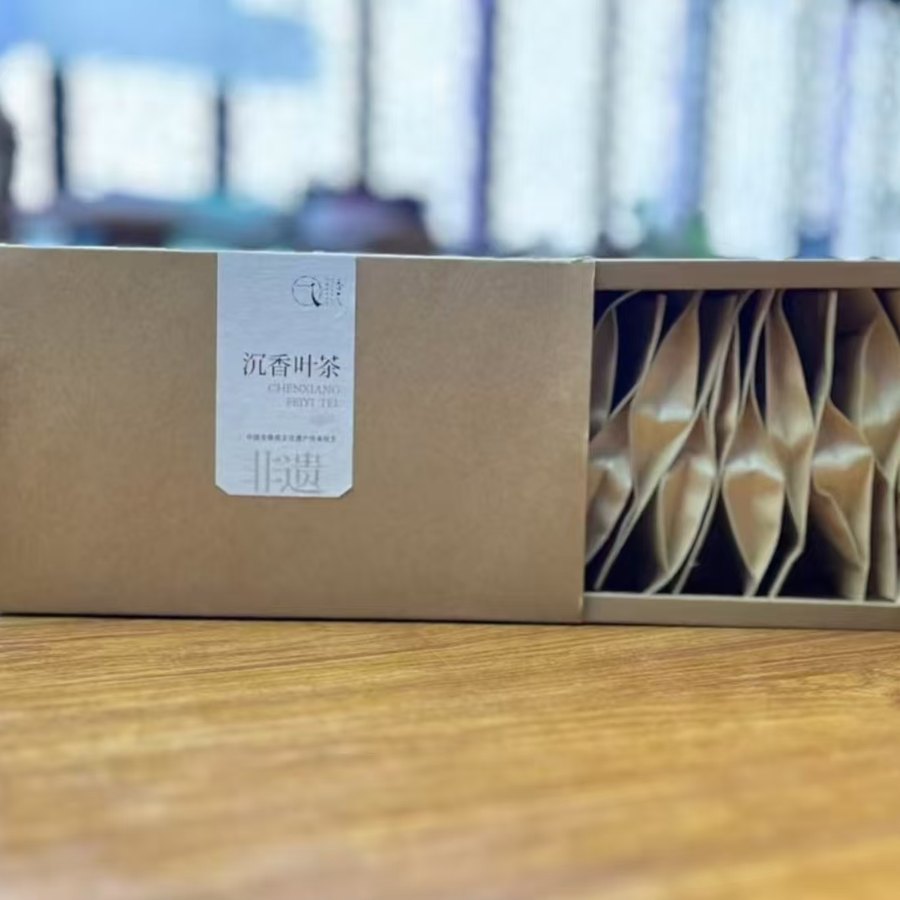
Related Agarwood Picks
While reading, you might also like these compliant cultivated-agarwood products.
Visit Mall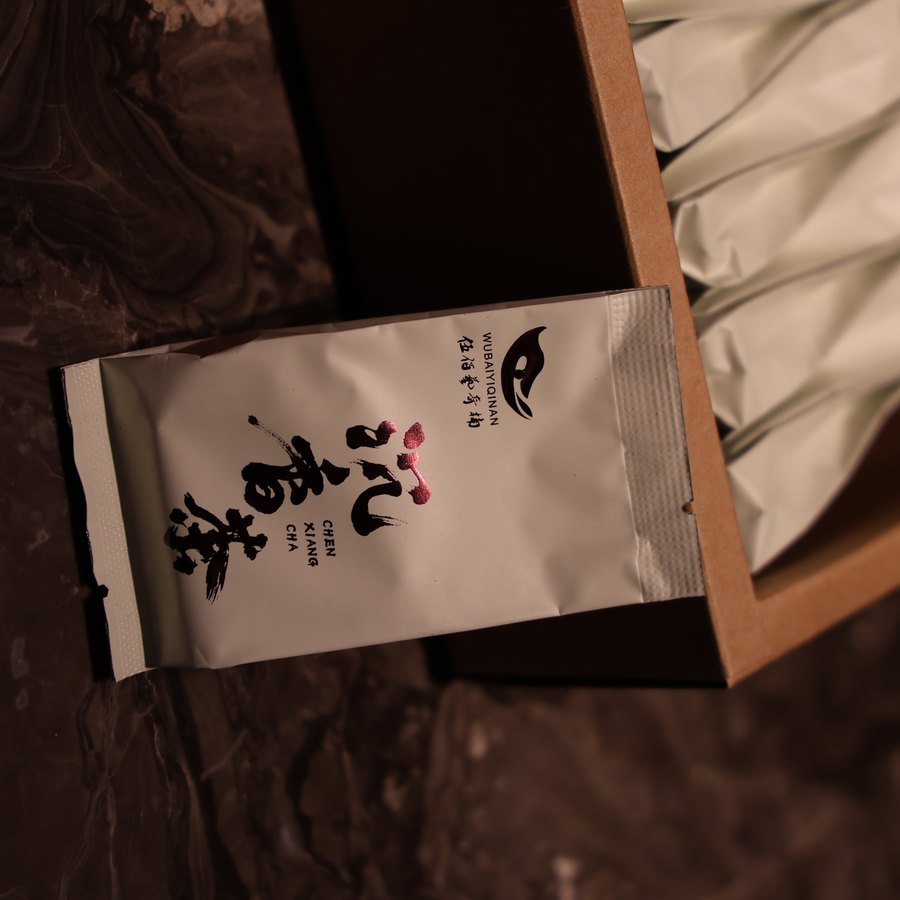
评论区
评论匿名可浏览,登录后可发表;提交后先审后显。
评论加载中…
Check related market data
Want the reference price for this category? Compare on the market page.
Go to market